At IndiaVerve, we go beyond the noise to bring you meaningful stories of change, resilience and progress—from India to the world stage. Our mission is to bring readers credible, wide-ranging coverage across politics, business, sports, culture, society and more.

Budget reforms strengthen India’s appeal as global GCC hub, says Sitharaman

NEW DELHI: The Centre has unveiled a series of policy and tax reforms aimed at strengthening India’s position as a preferred destination for Global Capability Centres (GCCs), with Finance Minister Nirmala Sitharaman saying the measures are designed to create a more predictable and investment-friendly business environment.

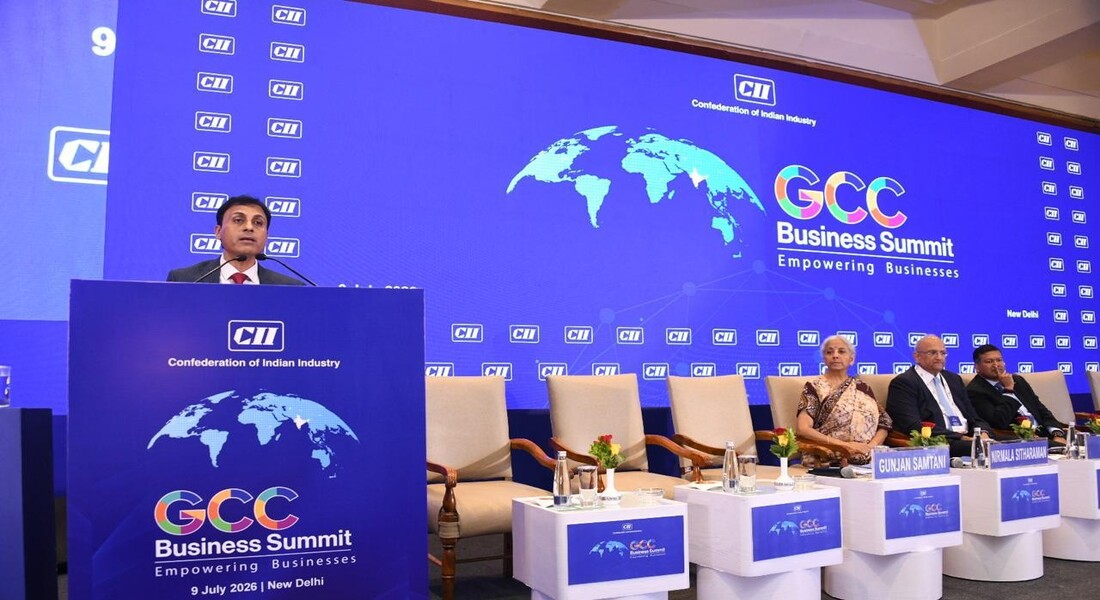
Speaking at the CII National GCC Business Summit 2026, Sitharaman said the government recognises that India’s next phase of GCC growth requires an enabling policy ecosystem that reduces compliance burdens, improves certainty and supports long-term investments.

As part of the Union Budget 2026-27, the government announced a Unified Safe Harbour Regime for IT and IT-enabled services to simplify transfer pricing compliance for GCCs. It also enhanced the Safe Harbour threshold from Rs 300 crore to Rs 2,000 crore, bringing a larger number of enterprises under a simplified compliance framework, the Office of the finance minister said in a series of posts on X.

The Budget also introduced a fast-track Advance Pricing Agreement mechanism to provide greater tax certainty for businesses operating in India.

The finance minister also said the government is investing in stronger innovation ecosystems through continued support for Digital Public Infrastructure, skilling initiatives, urban infrastructure and multimodal logistics.

She said five University Townships will be developed to strengthen collaboration between industry, academia, and research institutions while creating a future-ready talent pool.

In addition, City Economic Regions are expected to emerge as globally competitive innovation hubs, enabling GCCs to expand beyond traditional metropolitan centres. The Urban Challenge Fund, announced in the Union Budget 2025–26, will further help cities improve their economic competitiveness and attract future investments.

Industry leaders welcomed the policy measures. Gunjan Samtani, Chair of the CII Taskforce on GCCs and Co-Chairman of Goldman Sachs in India, said the Union Budgets of 2025 and 2026 had positioned GCCs as a strategic pillar of India’s growth story.

He said key reforms included a single-bucket tax categorisation, a 15.5% safe harbour transfer pricing margin for GCCs with a turnover of up to Rs 2,000 crore, a tax holiday until 2047 for foreign companies providing global cloud services through India-based data centres, time-bound Advance Pricing Agreements, incentives for expansion into Tier-2 and Tier-3 cities, and amendments to the Integrated GST Act that have eased disputes related to intermediary services.

The measures are aimed at improving tax certainty, simplifying compliance and strengthening innovation ecosystems to support the continued growth of Global Capability Centres in India.
DoT’s Samriddh Gram wins global WSIS Prize for rural digital transformation

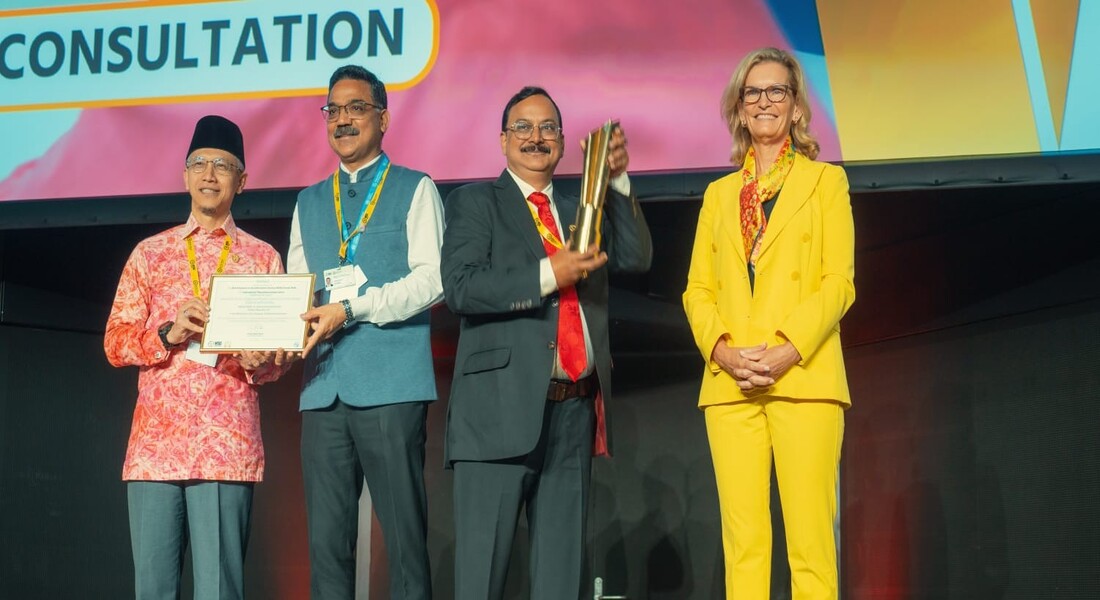
NEW DELHI: The Department of Telecommunications (DoT) has won the World Summit on the Information Society (WSIS) Prizes 2026 under the Action Line C6 – Enabling Environment category for its flagship Samriddh Gram initiative, earning global recognition for promoting digital inclusion in rural India.

The award was presented during the WSIS Forum 2026 in Geneva, where the project was recognised for using BharatNet to deliver integrated digital and physical services in rural India, according to an official statement.

The Samriddh Gram initiative supports Prime Minister Narendra Modi’s vision of expanding digital services to remote and rural areas. It is built on the BharatNet network and operates through Samriddhi Kendras, which function as village-level service centres.

These centres provide a range of services, including healthcare, education, agriculture, financial inclusion, skilling, e-Governance and e-commerce. The model combines telecom connectivity with assisted service delivery, making essential services more accessible in rural areas.

Union Communications Minister Jyotiraditya M. Scindia welcomed the recognition, calling it another milestone for India on the global stage. He said the award reflects the success of the Digital India vision and demonstrates how BharatNet is transforming connectivity into opportunities for rural citizens.

According to the DoT, the initiative enables services such as telemedicine, Health ATMs, smart classrooms, digital skill development, IoT-based farming solutions, Banking Correspondent services, broadband connectivity and support for local businesses under one platform.

The Department said the project highlights how telecom infrastructure can generate measurable socio-economic benefits when combined with community participation and integrated service delivery.

The recognition also underlines the impact of BharatNet, one of the world’s largest rural broadband programmes. More than 2.17 lakh Gram Panchayats have been made service-ready and online under the initiative, expanding digital access across rural India.

Samriddh Gram was selected after a multi-stage evaluation that included international screening, global public voting, and final assessment by the WSIS Expert Committee. More than 2.2 million votes were cast worldwide across all nominated projects during the voting phase.

Among the 18 categories of the WSIS Prizes 2026, only two Indian projects were chosen as Champion Projects. Samriddh Gram went on to emerge as the Global Winner in the Action Line C6 category, reflecting international recognition of India’s citizen-centric approach to rural digital transformation.

C. P. Radhakrishnan urges NISER graduates to drive Viksit Bharat through science

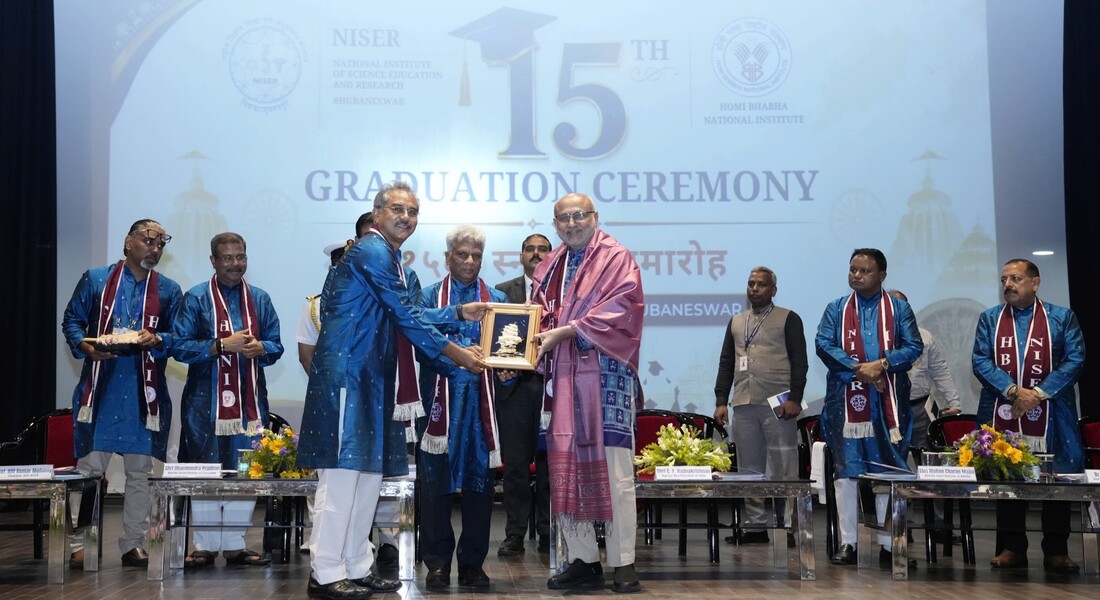
Bhubaneswar: Vice-President C. P. Radhakrishnan on Thursday called on young scientists graduating from the National Institute of Science Education and Research (NISER), Bhubaneswar, to harness science and innovation for nation-building while maintaining the highest standards of integrity and social responsibility.

Addressing the 15th Graduation Ceremony of NISER, Radhakrishnan described the institute as a symbol of India’s aspirations in science, innovation, and intellectual leadership.

He said institutions dedicated to fundamental sciences play a crucial role in strengthening the knowledge economy, technological progress, national security, and sustainable development.

He noted that NISER has emerged as a premier centre for scientific education and research, producing a highly skilled scientific workforce for the country, according to an official statement.

Highlighting global challenges such as climate change, emerging diseases and rapid advances in artificial intelligence, quantum computing and advanced materials, the vice-president said science should not only create new knowledge but also guide public policy and promote sustainability. He added that scientific capability is essential for achieving the vision of Viksit Bharat 2047.

Calling for greater interdisciplinary collaboration, Radhakrishnan said today’s complex problems cannot be solved within the boundaries of a single discipline. He urged graduates to remain curious, uphold integrity, embrace challenges, and use their knowledge for the larger good of society.

Radhakrishnan also highlighted India’s achievements in space missions, vaccine development, digital public infrastructure and renewable energy, saying these accomplishments have enhanced the country’s global standing. He encouraged graduates to balance ambition with responsibility and ensure their research benefits society.

Paying tribute to Dr. Homi J. Bhabha, he said NISER is carrying forward India’s rich scientific legacy by producing researchers contributing to fundamental sciences, atomic energy, healthcare physics, and other emerging fields. Recalling Dr. Bhabha’s contribution to India’s atomic programme, he expressed confidence that many NISER graduates would become future scientific leaders and drive the country’s technological advancement.

The ceremony was attended by Odisha Governor Hari Babu Kambhampati, Chief Minister Mohan Charan Majhi, Union Education Minister Dharmendra Pradhan, Union Minister Dr. Jitendra Singh, senior officials, faculty members, graduating students and their parents.

Sports Ministry directs NSFs to publish Olympic selection criteria by July 15

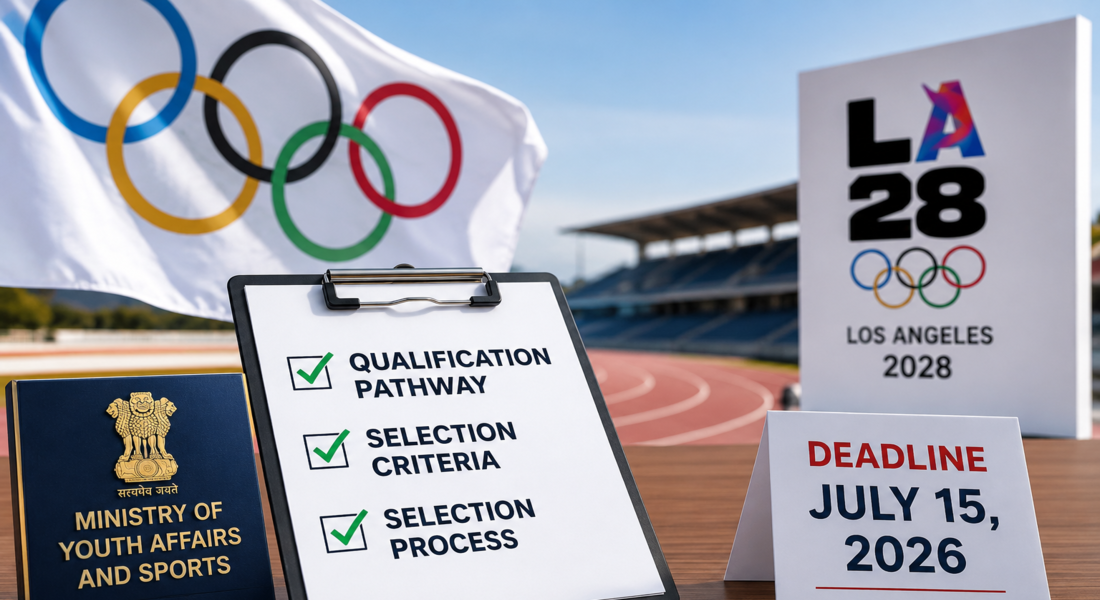
NEW DELHI: The Ministry of Youth Affairs and Sports has directed all recognised National Sports Federations (NSFs) to publish the Olympic qualification and selection pathway for the Los Angeles 2028 Olympic Games on their official websites by July 15, 2026.

The ministry said the published information should include the qualification pathway, selection criteria, and the process that will be adopted for selecting athletes for the Games, according to an official statement.

The details must also be shared with the member units of the respective NSFs and the Sports Authority of India, according to an official statement.

The ministry reiterated that the selection policy and criteria for major sporting events, including the Olympic Games, Paralympic Games, Asian Games, Para Asian Games and Commonwealth Games, should be widely publicised and uploaded on the official websites of the concerned federations at least two years before the commencement of the respective Games.

The Los Angeles 2028 Olympic Games are scheduled to be held from July 14 to July 30, 2028.

According to the ministry, the qualification pathways for the Los Angeles Olympics have already been released by the respective International Federations. Recognised NSFs have been asked to publish their Olympic qualification and selection pathway, including the selection criteria and process, immediately and no later than July 15, 2026.

The federations have also been instructed to circulate the selection pathway among all affiliated State and Union Territory associations.

The ministry said the initiative is aimed at promoting greater transparency and accountability in the athlete selection process by ensuring that the qualification pathway, selection criteria and selection procedure are placed in the public domain well in advance for the benefit of all stakeholders.

Vice-president launches high seas fishing authorisation programme in Bhubaneswar

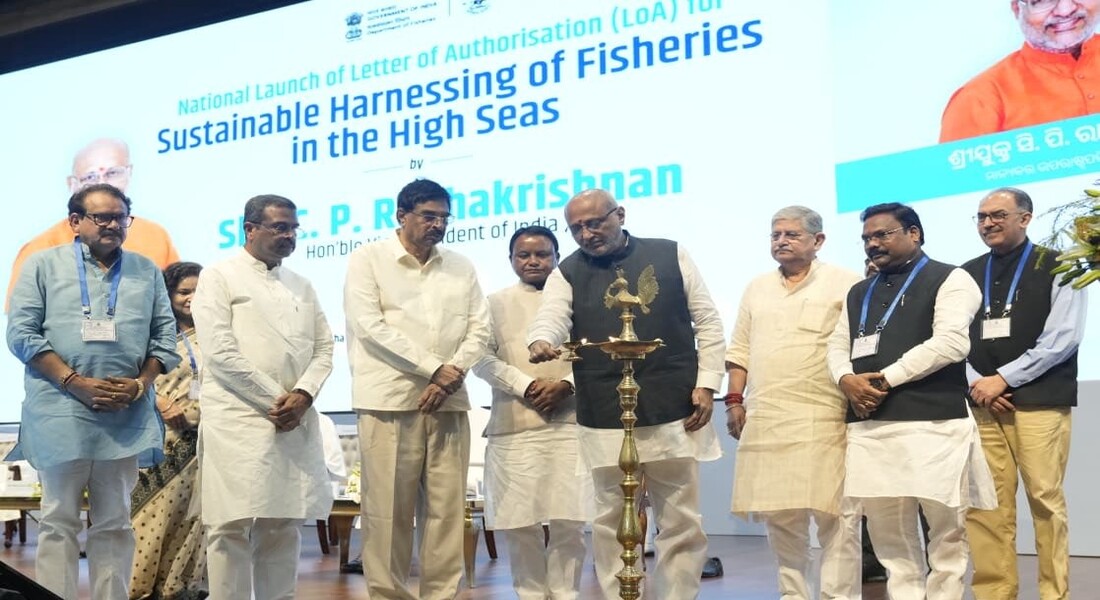
Bhubaneswar: Vice-President C. P. Radhakrishnan launched the national programme for issuance of Letters of Authorisation (LoAs) for sustainable harnessing of fisheries in the high seas in Bhubaneswar on Thursday.

He also launched the Odisha Deep Sea Fishing Mission Document during the event. The vice-president presented LoAs for high seas fishing to 10 Fish Farmer Producer Organisations and fishermen from across the country.

Addressing the gathering, Radhakrishnan said the initiative marked the beginning of a new chapter in India’s maritime journey. He noted that it would enable Indian fishermen to sustainably harness the vast potential of the country’s Exclusive Economic Zone and the high seas.

He described the programme as a reflection of the collective resolve of the Union government, the state government and fishing communities to bring growth, sustainability and prosperity to the fisheries sector, according to an official statement.

He pointed out that India has over 11,000 kilometres of coastline and an Exclusive Economic Zone of nearly 24 lakh square kilometres, with marine wealth that remains largely untapped. While fishing activities have traditionally stayed close to the shore, he said the new framework would allow fishermen to venture into deep waters to harvest high-value species such as tuna.

Radhakrishnan highlighted that India is currently the world’s second-largest fish-producing country, contributing around eight per cent to global fish production. He said the sector supports nearly three crore fishermen and fish farmers, and that seafood exports crossed Rs 73,000 crore in the last financial year.

He expressed confidence that the high seas initiative would strengthen India’s export potential and create employment across harvesting, processing, cold chain, transportation, packaging, logistics, and export services.

Radhakrishnan further said the new framework gives priority to fisheries cooperatives, Fish Farmer Producer Organisations and Indian fishermen in the issuance of Letters of Authorisation. He called it a significant step towards empowering coastal communities.

Calling sustainable fishing a moral responsibility, the vice-president said economic progress must go hand in hand with the conservation of marine resources. He stressed the importance of digital authorisation systems, vessel tracking, international certification and strict compliance with measures against illegal, unreported and unregulated fishing.

He urged young people to view fisheries as a modern profession driven by science, technology and innovation, and called on institutions to continue supporting fishing communities with knowledge, technology and finance in line with the vision of Viksit Bharat 2047.

The event was attended by Governor Hari Babu Kambhampati, Chief Minister Mohan Charan Majhi, Union Minister for Fisheries, Animal Husbandry and Dairying and Panchayati Raj Rajiv Ranjan Singh, Union Education Minister Dharmendra Pradhan, Union Minister of State for Fisheries Prof. S. P. Singh Baghel, and Odisha Minister of State for Fisheries and MSME Gokulananda Mallik, along with senior officials and stakeholders from the fisheries sector.

NALCO, NLC India form JV to set up captive power plant in Odisha

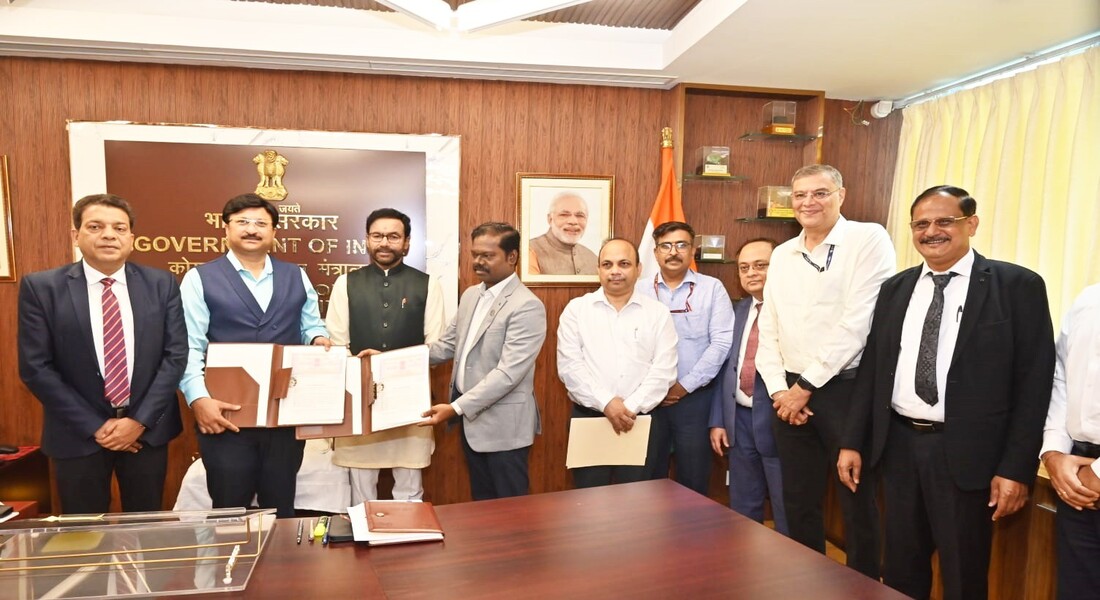
Bhubaneswar: In a major boost to Odisha’s industrial and energy infrastructure, National Aluminium Company Limited (NALCO) and NLC India Limited (NLCIL) have signed a Joint Venture-cum-Shareholders’ Agreement (JVA) to form a 50:50 joint venture to develop a 1,080 MW (4×270 MW) thermal captive power plant at Angul, Odisha.

The agreement was signed in the presence of Union Coal and Mines Minister G. Kishan Reddy in New Delhi, marking a significant step in the strategic collaboration between the two Navratna Central Public Sector Enterprises under the Ministries of Mines and Coal.

The proposed Joint Venture Company (JVC) will be incorporated under the Companies Act, 2013, with its registered office in Chennai and corporate office in Bhubaneswar, NALCO said in a press release.

NALCO and NLC India will each hold a 50% equity stake in the venture.

Under the agreement, the JVC will enter into a 25-year Power Purchase Agreement with NALCO for the supply of its entire power output under Section 62 of the Electricity Act, 2003. It will also sign a long-term Fuel Supply Agreement with NLC India for coal at Coal India-notified prices.

The agreement builds on the non-binding Memorandum of Understanding signed by the two companies in Chennai on February 14, 2026, which laid the foundation for cooperation in thermal and renewable energy projects as well as long-term coal supply arrangements.

The captive power project has been planned to meet the additional energy requirement arising from NALCO’s ongoing 0.5 million tonnes per annum aluminium smelter expansion at Anugul, scheduled for commissioning in 2030-31.

The expansion is expected to require around 800 MW of additional assured captive power, with the new thermal capacity to be developed in phases within NALCO’s existing Captive Power Plant premises.

In addition to the thermal project, the joint venture will pursue 200-250 MW of firm renewable energy to meet Renewable Consumption Obligation norms. NLC India will support this initiative through long-term Power Purchase Agreements or Group Captive arrangements using its renewable energy portfolio.

NLC India, a Navratna CPSE under the Ministry of Coal, brings more than six decades of experience in lignite and coal mining, along with thermal and renewable power generation. The company will also support the project through long-term coal supply, including from its Machhakata coal mine in Odisha, located close to the Anugul project site.

Senior officials present during the signing ceremony included Sanoj Kumar Jha, Additional Secretary, Ministry of Coal and CMD (Additional Charge), NLC India; NALCO CMD Brijendra Pratap Singh; Joint Secretary, Ministry of Mines, Vivek Kumar Bajpai; NALCO Directors Jagdish Arora and Abhay Kumar Behuria; NLC India Director (Finance) Dr. Prasanna Kumar Acharya; and other senior officials from the Ministries of Coal and Mines, NALCO and NLC India.

India, Australia elevate strategic partnership with focus on defence, energy and trade

Leaders unveil ambitious roadmap spanning defence, clean energy, critical minerals, education and technology, while reaffirming commitment to a free, open and rules-based Indo-Pacific.

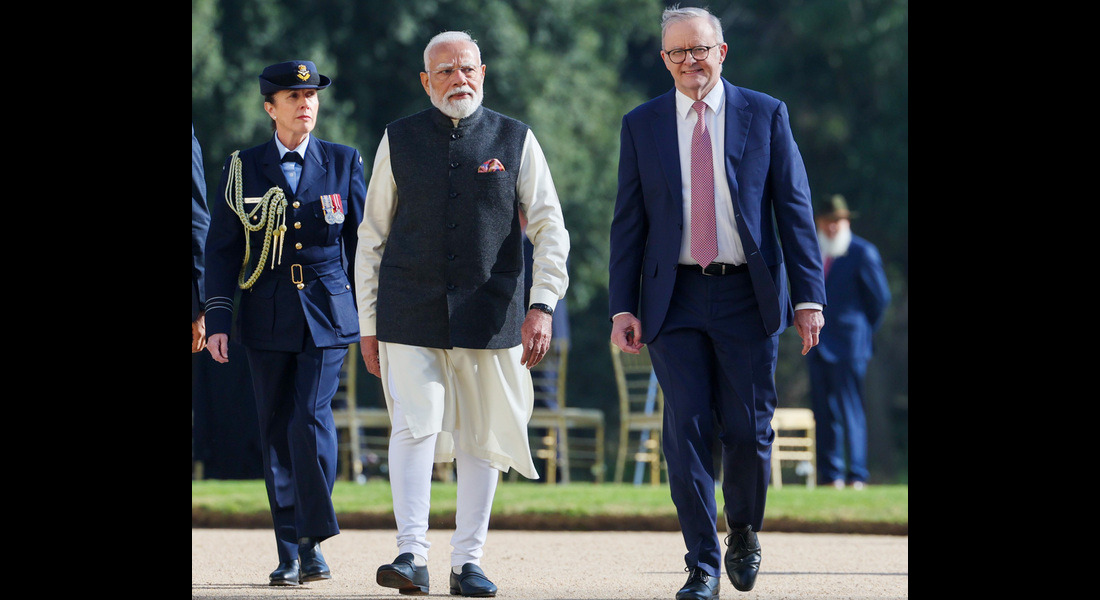
New Delhi: India and Australia on Thursday significantly expanded their Comprehensive Strategic Partnership by unveiling a wide-ranging agenda covering defence, energy security, trade, critical minerals, advanced technology, education and maritime cooperation, as Prime Minister Narendra Modi and his Australian counterpart Anthony Albanese held the Third India-Australia Annual Summit in Melbourne.

The two leaders adopted a Joint Declaration on Defence and Security Cooperation and a Joint Statement on Energy Security, reaffirming their shared commitment to building a free, open, stable and prosperous Indo-Pacific while strengthening economic resilience amid growing geopolitical uncertainty and global supply chain disruptions.

Addressing business leaders at the India-Australia CEO Forum and Economic Roadmap Business Reception, Prime Minister Modi described India and Australia as “natural and trusted partners” at a time when the world is facing uncertainty, energy challenges and disruptions to global supply chains. He said the two governments had laid a strong foundation through the Economic Cooperation and Trade Agreement (ECTA) and were now working towards a Comprehensive Economic Cooperation Agreement (CECA) to unlock greater investment and innovation.

Highlighting the rapid growth in bilateral commerce, Modi noted that Indian exports to Australia had doubled since ECTA came into force in 2022. He invited Australian businesses to expand investments in India’s clean energy, infrastructure, manufacturing and emerging technology sectors, saying both countries had created “a new runway” for economic cooperation.

The Prime Minister outlined India’s ambitious energy transition plans, including achieving 500 GW of renewable energy capacity by 2030 and Net Zero emissions by 2070. He also highlighted recent reforms opening India’s nuclear energy sector to private participation, saying Australia’s vast uranium reserves could play an important role in supporting India’s target of generating 100 GW of nuclear power by 2047.

Reflecting this growing energy partnership, the two countries finalised the administrative arrangements required for the export of Australian uranium to India for exclusively peaceful purposes under International Atomic Energy Agency safeguards. The two sides also pledged to strengthen cooperation in liquefied natural gas, coal, liquid fuels, renewable energy, low-carbon fuels and resilient regional energy supply chains. Australia also acknowledged India’s Global Biofuels Alliance initiative as both nations committed to accelerating the clean energy transition.

Defence and security emerged as another key pillar of the summit. The Joint Declaration commits both countries to deepen military interoperability, expand joint exercises, strengthen maritime cooperation through an India-Australia Maritime Security Collaboration Roadmap, increase defence industry collaboration and enhance information sharing on terrorism, cyber security and emerging technologies. The leaders also announced an Annual Defence Ministers’ Dialogue to further institutionalise strategic engagement.

The summit also focused on strengthening cooperation in critical minerals, advanced manufacturing, artificial intelligence, semiconductors, quantum technologies, cyber security and defence innovation. Both countries agreed to develop more resilient supply chains while encouraging greater collaboration between industry, research institutions and governments.

Education and people-to-people ties also received fresh momentum. The leaders welcomed the expansion of Australian university campuses in India, including new approvals for Flinders University in Bengaluru and Victoria University in Gurugram. They also announced the establishment of a National Centre of Excellence for Skilling in Mining at Bhubaneswar in collaboration with the Government of Western Australia.

The two Prime Ministers reaffirmed support for regional institutions such as ASEAN, the Quad, the Indian Ocean Rim Association and the Pacific Islands Forum. They expressed concern over escalating tensions in the Middle East, called for restraint and uninterrupted global energy supplies, reiterated support for peaceful resolution of international conflicts through dialogue, and strongly condemned terrorism in all its forms, including the recent attacks in Pahalgam and Bondi Beach. Australia also reiterated its support for India’s candidature for a permanent seat in a reformed United Nations Security Council.

The summit concluded with both leaders expressing confidence that the next phase of the India-Australia Comprehensive Strategic Partnership would strengthen regional security, deepen economic integration and contribute to a stable, rules-based Indo-Pacific.

US-Iran tensions escalate as fresh strikes, threats cast shadow over fragile truce

Washington launches new strikes on Iranian military sites as President Donald Trump warns of harsher action, while Tehran vows retaliation and accuses the US of violating their interim agreement.

The fragile understanding between the United States and Iran came under renewed strain as both countries exchanged fresh threats and military action, raising fears of a wider conflict in the Gulf region despite ongoing diplomatic efforts.

The latest escalation followed a second consecutive day of US military strikes on Iranian targets on Wednesday after Washington accused Tehran of threatening commercial shipping in the Strait of Hormuz. Iran, in turn, condemned the attacks as violations of the interim Memorandum of Understanding (MoU) between the two countries and vowed to defend its sovereignty.

According to the US Central Command (CENTCOM), American forces carried out additional strikes targeting around 90 sites linked to Iran’s military and maritime infrastructure. The operation reportedly focused on facilities that Washington claimed were being used to threaten freedom of navigation through the strategically vital Strait of Hormuz.

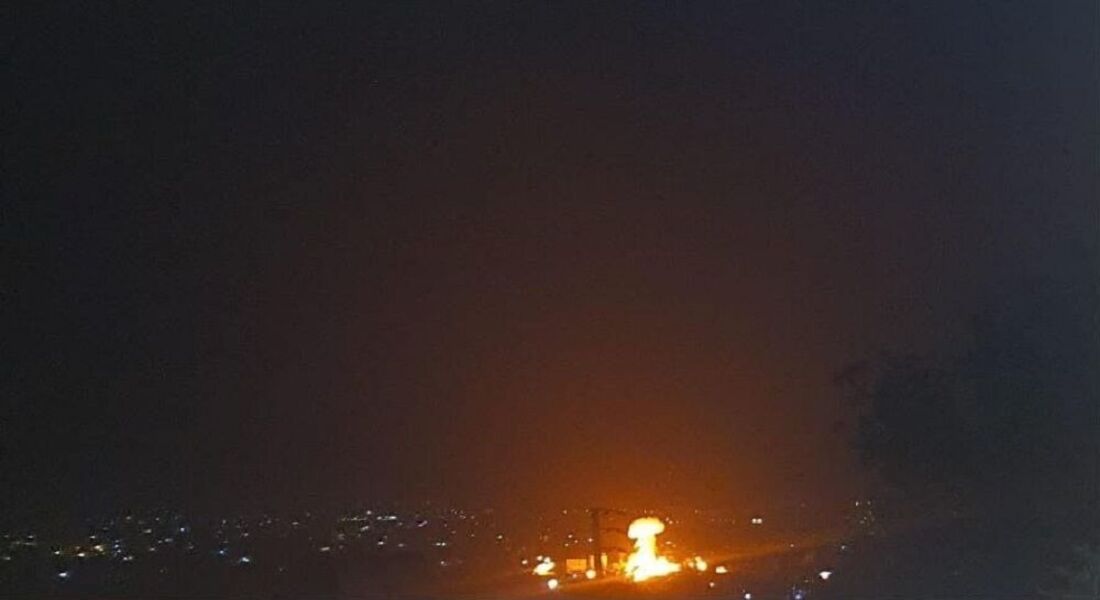
Iranian state media reported explosions in several southern cities, including Chabahar, Bushehr, Bandar Abbas, Konarak, Sirik and Iranshahr. The strikes reportedly hit military installations, radar facilities, maritime infrastructure and an airbase in Iranshahr that was partially used by the Islamic Revolutionary Guard Corps (IRGC). Reports also indicated temporary power outages in parts of Chabahar following the attacks.

US President Donald Trump defended the military action, warning that any further attacks by Iran would invite a much stronger American response.

Speaking to reporters aboard Air Force One, Trump claimed Iran was eager to resume negotiations despite the renewed hostilities. “Iran called a while ago. They want to make a deal so badly. I just don’t know if they are worthy. I don’t know if they are going to honour the deal,” Trump said.

The US President also reiterated his warning that Washington would respond disproportionately to any Iranian attacks, saying the United States would strike “20 times harder” if Tehran targeted American interests or commercial vessels again. He further suggested that additional military action, including strikes on civilian infrastructure and Iran’s strategic Kharg Island oil facilities, remained under consideration if tensions continued to escalate.

The renewed military action comes after the United States blamed Iran for recent attacks on commercial vessels transiting the Strait of Hormuz. Washington has maintained that its operations are aimed at protecting one of the world’s busiest energy shipping routes and ensuring freedom of navigation.

Iran strongly rejected the US position, accusing Washington of violating the very agreement it had signed. Iranian Foreign Ministry spokesperson Esmaeil Baghaei said the MoU had been based on the principle of “commitment for commitment” rather than trust, alleging that the United States had undermined the agreement through unilateral military action.

Baghaei argued that the fifth clause of the understanding recognised Iran’s responsibility for determining arrangements governing the safe passage of ships through the Strait of Hormuz. He said Washington’s actions had effectively challenged that provision and breached the structure of the agreement.

Iranian leaders also issued a series of sharp responses to Trump’s remarks.

Parliament Speaker Mohammad Bagher Ghalibaf said the United States had yet to learn that “bullying and breaking promises are no longer cost-free”, insisting that navigation through the Strait of Hormuz would continue under arrangements determined by Iran.

Deputy Foreign Minister Kazem Gharibabadi described Trump’s threats as evidence of the failure of a policy based on sanctions, military pressure and intimidation, while Foreign Minister Seyed Abbas Araghchi said Iran would respond to threats “with action” rather than rhetoric. Mohsen Rezaei, a senior adviser to Iran’s leadership, warned that those responsible for the attacks would face severe consequences.

The latest exchange of strikes comes just ahead of the funeral ceremonies for Iran’s late Supreme Leader Ayatollah Ali Khamenei, whose killing in February triggered the current conflict. The renewed hostilities have further clouded prospects for a lasting ceasefire, with oil prices also reacting sharply amid concerns over stability in the Gulf and the security of global energy supplies.

Odisha rolls out Gyanodaya scheme from 2026-27

Bhubaneswar: The Odisha government has begun implementing the ‘Gyanodaya – Shikshya Ru Samruddhi’ scheme by waiving admission fees in eligible educational institutions under the School and Mass Education Department from the 2026-27 academic session.

The move follows the State Cabinet’s approval of the landmark welfare initiative to provide free education from Kindergarten (KG) to Postgraduate (PG) level in eligible educational institutions across the state.

In a notification issued on July 8, the Department directed the Director of Higher Secondary Education and the Director of Secondary Education to ensure that no admission fee is collected from students during the admission process in eligible institutions.

Under the order, the admission fee waiver will apply to all eligible government, fully aided and newly aided Secondary Schools, as well as Government and Aided (488 and 662 Category) Higher Secondary Schools with effect from the 2026-27 academic session.

The department has instructed all field-level functionaries to strictly implement the decision and refrain from collecting admission fees from any student. It has also directed officials to make the necessary modifications to the Student Academic Management System portal to facilitate the scheme’s rollout.

According to the notification, detailed operational guidelines for implementing the Gyanodaya – Shikshya Ru Samruddhi scheme will be issued separately.

The latest directive marks the formal rollout of the state’s flagship education initiative, with the admission fee waiver serving as the first step towards implementing the Cabinet’s decision to provide free education from KG to PG in eligible educational institutions.ax

Aswath S becomes India’s 98th Grandmaster

New Delhi: Top seed Grandmaster Abhijeet Gupta emerged champion at the Pune International Grandmaster Round Robin Chess Tournament on Wednesday, finishing with 7.5 points after defeating Sri Lanka’s International Master LMST De Silva in the ninth and final round.

The tournament also marked a career milestone for International Master Aswath S, who finished runner-up with seven points and achieved his third and final Grandmaster norm, becoming India’s 98th Grandmaster.

Grandmaster Kushagra Mohan secured third place with 6.5 points, while Pune’s FIDE Master Advik Agarwal finished with five points to earn his second International Master norm, according to reports.

In another key result, International Master Akshay Borgaonkar defeated Nitish Belurkar in the concluding round.

Abhijeet Gupta received the winner’s trophy and a cash prize of Rs 1 lakh for claiming the title. Aswath was awarded the runner-up trophy along with Rs 75,000, while Advik Agarwal received a special cash prize of Rs 25,000 in recognition of achieving his second International Master norm.