
Washington launches new strikes on Iranian military sites as President Donald Trump warns of harsher action, while Tehran vows retaliation and accuses the US of violating their interim agreement.
The fragile understanding between the United States and Iran came under renewed strain as both countries exchanged fresh threats and military action, raising fears of a wider conflict in the Gulf region despite ongoing diplomatic efforts.
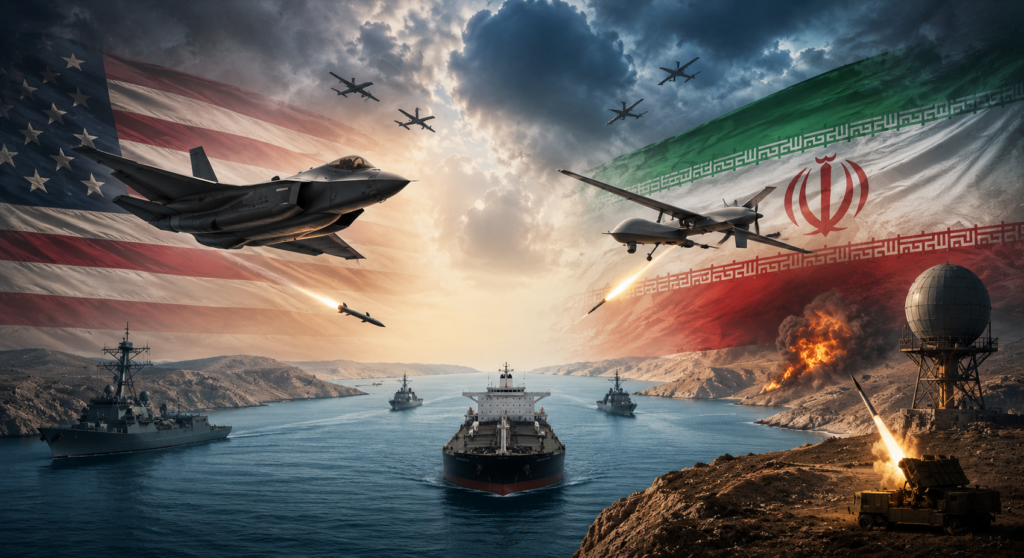
The latest escalation followed a second consecutive day of US military strikes on Iranian targets on Wednesday after Washington accused Tehran of threatening commercial shipping in the Strait of Hormuz. Iran, in turn, condemned the attacks as violations of the interim Memorandum of Understanding (MoU) between the two countries and vowed to defend its sovereignty.
According to the US Central Command (CENTCOM), American forces carried out additional strikes targeting around 90 sites linked to Iran’s military and maritime infrastructure. The operation reportedly focused on facilities that Washington claimed were being used to threaten freedom of navigation through the strategically vital Strait of Hormuz.
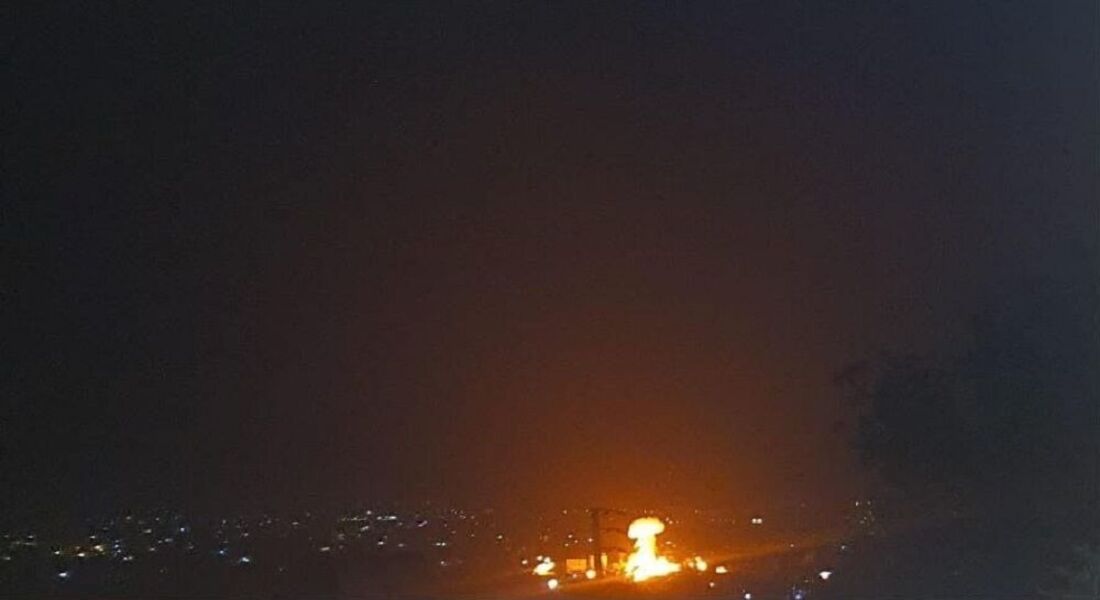
Iranian state media reported explosions in several southern cities, including Chabahar, Bushehr, Bandar Abbas, Konarak, Sirik and Iranshahr. The strikes reportedly hit military installations, radar facilities, maritime infrastructure and an airbase in Iranshahr that was partially used by the Islamic Revolutionary Guard Corps (IRGC). Reports also indicated temporary power outages in parts of Chabahar following the attacks.
US President Donald Trump defended the military action, warning that any further attacks by Iran would invite a much stronger American response.
Speaking to reporters aboard Air Force One, Trump claimed Iran was eager to resume negotiations despite the renewed hostilities. “Iran called a while ago. They want to make a deal so badly. I just don’t know if they are worthy. I don’t know if they are going to honour the deal,” Trump said.
The US President also reiterated his warning that Washington would respond disproportionately to any Iranian attacks, saying the United States would strike “20 times harder” if Tehran targeted American interests or commercial vessels again. He further suggested that additional military action, including strikes on civilian infrastructure and Iran’s strategic Kharg Island oil facilities, remained under consideration if tensions continued to escalate.
The renewed military action comes after the United States blamed Iran for recent attacks on commercial vessels transiting the Strait of Hormuz. Washington has maintained that its operations are aimed at protecting one of the world’s busiest energy shipping routes and ensuring freedom of navigation.
Iran strongly rejected the US position, accusing Washington of violating the very agreement it had signed. Iranian Foreign Ministry spokesperson Esmaeil Baghaei said the MoU had been based on the principle of “commitment for commitment” rather than trust, alleging that the United States had undermined the agreement through unilateral military action.
Baghaei argued that the fifth clause of the understanding recognised Iran’s responsibility for determining arrangements governing the safe passage of ships through the Strait of Hormuz. He said Washington’s actions had effectively challenged that provision and breached the structure of the agreement.
Iranian leaders also issued a series of sharp responses to Trump’s remarks.
Parliament Speaker Mohammad Bagher Ghalibaf said the United States had yet to learn that “bullying and breaking promises are no longer cost-free”, insisting that navigation through the Strait of Hormuz would continue under arrangements determined by Iran.
Deputy Foreign Minister Kazem Gharibabadi described Trump’s threats as evidence of the failure of a policy based on sanctions, military pressure and intimidation, while Foreign Minister Seyed Abbas Araghchi said Iran would respond to threats “with action” rather than rhetoric. Mohsen Rezaei, a senior adviser to Iran’s leadership, warned that those responsible for the attacks would face severe consequences.
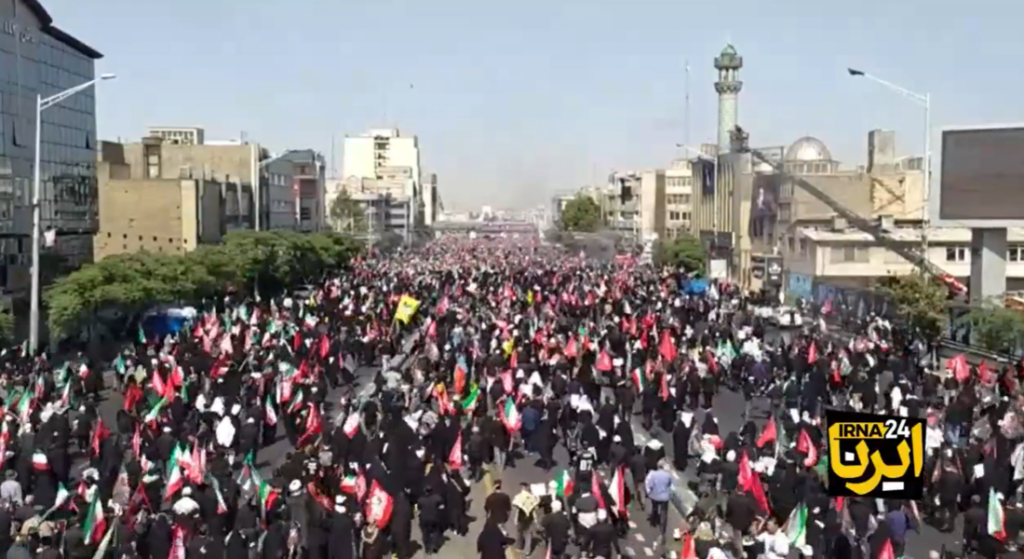
The latest exchange of strikes comes just ahead of the funeral ceremonies for Iran’s late Supreme Leader Ayatollah Ali Khamenei, whose killing in February triggered the current conflict. The renewed hostilities have further clouded prospects for a lasting ceasefire, with oil prices also reacting sharply amid concerns over stability in the Gulf and the security of global energy supplies.