At IndiaVerve, we go beyond the noise to bring you meaningful stories of change, resilience and progress—from India to the world stage. Our mission is to bring readers credible, wide-ranging coverage across politics, business, sports, culture, society and more.

Odisha governor urges boost to edible oil production under NMEO-OP Mission

Bhubaneswar: Odisha Governor Dr. Hari Babu Kambhampati on Friday stressed the need to increase domestic edible oil production under the National Mission on Edible Oils–Oil Palm (NMEO-OP), saying it would reduce India’s dependence on imports, strengthen the economy and enhance food security.

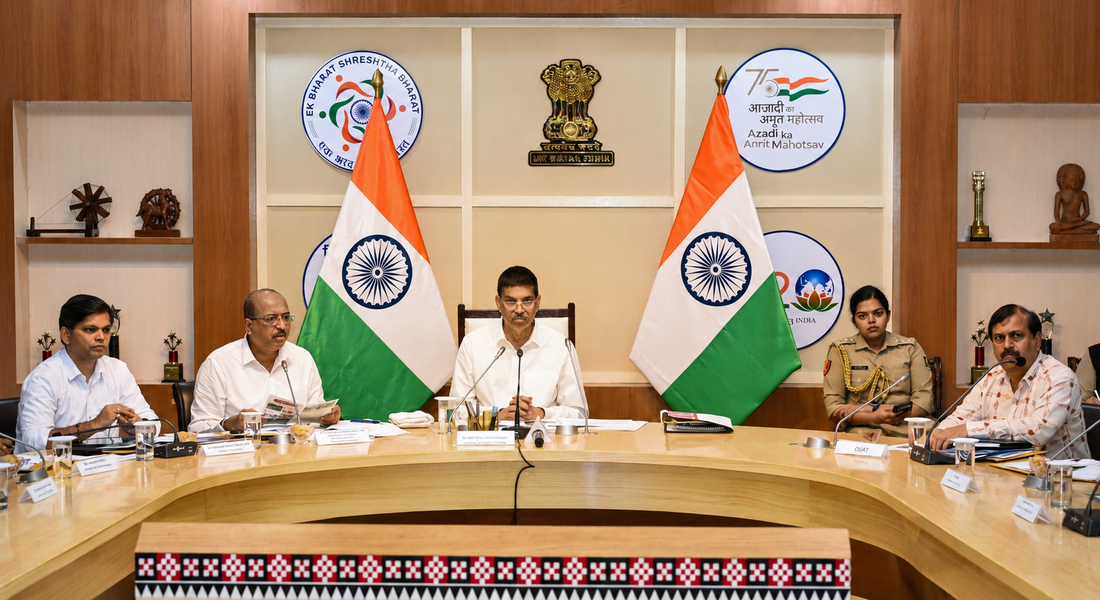
Chairing a review meeting on the implementation of the Mission at the New Abhishek Hall of Lok Bhavan, the governor said India continues to import large quantities of edible oil despite being an agrarian country, resulting in a significant outflow of foreign exchange.

He said reducing imports and boosting domestic production would strengthen the national economy and make the country more self-reliant. He described the Mission as an important initiative that deserves focused attention.

Calling NMEO-OP a key pillar of the Atmanirbhar Bharat vision, Dr. Kambhampati said higher domestic edible oil production would improve economic stability while protecting the country from global supply chain disruptions and fluctuations in international prices.

Highlighting the advantages of oil palm cultivation, he said it is the most productive oilseed crop, yielding four to five times more oil per unit area than conventional oilseeds. Once planted, oil palm remains productive for nearly 30 years, providing farmers with a stable and long-term source of income.

The governor further said the Mission follows an integrated approach by supporting quality planting material, irrigation, processing facilities, assured procurement, marketing and scientific extension services.

Referring to Odisha’s potential, Dr. Kambhampati said the state’s favourable agro-climatic conditions and vast cultivable land position it to play a significant role in achieving India’s self-reliance in edible oils.

He said the cluster-based implementation strategy adopted by the Odisha government, in partnership with district administrations, research institutions and empanelled private companies, could transform the state’s palm oil sector and improve rural livelihoods.

He said the Mission would help farmers earn higher and more stable incomes through crop diversification while generating rural employment, promoting agro-based industries, attracting private investment and creating opportunities in processing, logistics and marketing.

The governor also stressed the need for timely achievement of targets, skill development for farmers, expansion of processing infrastructure and wider adoption of modern technology to ensure all eligible farmers benefit from the Mission.

During the meeting, he reviewed the subsidies being provided to farmers and discussed measures to promote oil palm cultivation. He also interacted with representatives of palm oil companies on expanding cultivation and addressing implementation challenges.

DGP reviews security arrangements ahead of president’s Odisha visit

Bhubaneswar: President Droupadi Murmu is set to visit Odisha from August 3 to 5. As part of the itinerary, she will travel by train from Bhubaneswar railway station to Brahmapur on the morning of August 4.

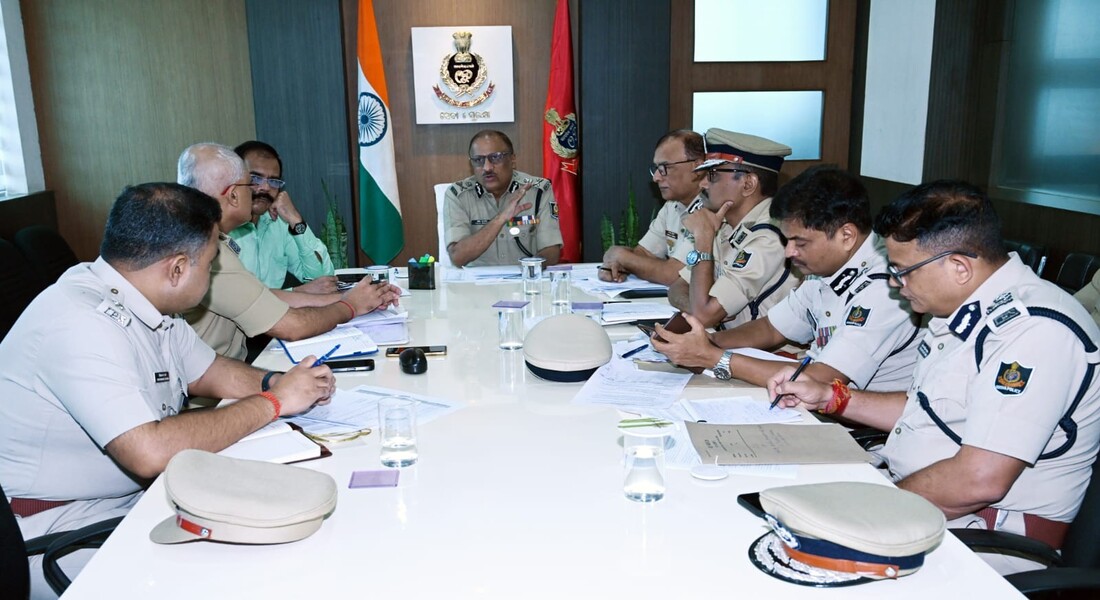
Ahead of the visit, a high-level preparatory meeting was held under the chairmanship of Director General of Police (DGP) Yogesh Bahadur Khurania to ensure the presidential visit is carried out in a safe, organised and disciplined manner.

During the meeting, the DGP directed senior police officers to accord top priority to security and to maintain proper coordination among all departments. He stressed the need for regular review and monitoring of every arrangement to rule out any lapses in the security setup.

To tighten security further, officials were instructed to establish security cordons at event venues and along VVIP movement routes, alongside technical checks and anti-sabotage inspections, with complete alertness to be maintained throughout.

Special emphasis was placed on railway security. Patrolling along the entire railway route is set to be intensified, with security personnel deployed at all level crossings. Railway staff assigned platform duty are being pre-identified and issued special duty passes.

The DGP advised senior officers to ensure full coordination among the police, railways and general administration to make the President’s visit peaceful and secure.

The meeting was attended by Director of Intelligence R.P. Koche, Additional DGP (Law and Order) Sanjay Kumar, Additional DGP (SAP) Rajesh Kumar, Commissioner of Police (Bhubaneswar-Cuttack) Dr. Debadutta Singh, Principal Chief Security Commissioner of East Coast Railway Alok Bohra, IGP (Central Range) Satyajit Naik, and SP (Crime Branch) Bibekananda Sharma, among others.

Cabinet approves Rs 36,441 crore revamped Khelo India scheme

New Delhi: The Union Cabinet, chaired by Prime Minister Narendra Modi, on Friday approved an expanded Khelo India Scheme along with enhanced Assistance to National Sports Federations (ANSF), with a combined outlay of Rs 36,441 crore for the period 2026-27 to 2030-31.

Officials described it as the country’s most ambitious sports development programme since Independence, with the approved outlay nearly eight times that of the previous Khelo India Scheme.

The revamped scheme aims to build a seamless pathway for talented young Indians, from school playgrounds and village sports fields to the Olympic podium, ensuring no sporting talent goes undiscovered due to geography, economic background or lack of opportunity.

It has been aligned with the Khelo Bharat Niti 2025 and the National Education Policy 2020, integrating sports with education, fitness, technology and high-performance training, while laying groundwork for the 2030 Commonwealth Games and India’s bid to host the Olympic and Paralympic Games.

For the first time, a comprehensive athlete development pathway has been created spanning talent identification, scientific training, international competition and Olympic preparation, according to an official statement.

This will be supported by an integrated nationwide ecosystem comprising National Centres of Excellence, Khelo India Centres of Excellence, SAI Training Centres, Khelo India Accredited Academies, Khelo India Centres and Youth Sports Companies of the Armed Forces.

Two new school-level initiatives, Khelo India Feeder Schools and Khelo India Utkrishta Vidyalayas, have also been introduced to integrate sports with mainstream education and enable early identification of talented children.

A major reform under the scheme is the creation of the Emerging Khelo India Athletes category, alongside the existing Khelo India Athletes programme, which is expected to expand the structured athlete development ecosystem nearly tenfold. A strengthened talent identification framework, involving Talent Identification Development Committees, Zonal Committees, Talent Scouts, High Performance Directors and High Performance Managers, will track and develop promising athletes nationwide.

The scheme also establishes a progression pathway from grassroots competitions to Khelo India and subsequently to the Target Olympic Podium Scheme.

The scheme further strengthens India’s domestic competition ecosystem, supporting school, university, regional and sport-specific leagues alongside national championships. Special emphasis has been placed on expanding opportunities for women athletes, para-athletes and indigenous sports, along with support for organising the National Games and hosting major international sporting events in India.

The Fit India Movement will also be significantly expanded to promote fitness nationwide, with campaigns encouraging active lifestyles, women’s participation in sports, outreach in border and remote areas, and sports-based initiatives against substance abuse.

To strengthen coaching standards, the Government will establish the National Coach Accreditation Board, along with a unified digital sports platform integrating athlete databases, infrastructure, competitions, coaching resources, talent assessments, funding and Fit India participation. The Government also plans to deepen collaboration with private academies and corporate partners to strengthen sports infrastructure and athlete support.

Alongside the revamped Khelo India Scheme, the Cabinet has approved a strengthened ANSF Scheme for 2026-31, which will fund coaching, sports science, modern equipment, international exposure, coaching camps and engagement of foreign experts for Indian athletes and teams. It will also support sports cooperation with Global South countries and promote India’s indigenous sports internationally.

Over 7 lakh affected by Odisha floods; authorities intensify monitoring as Mahanadi water reaches Mundali

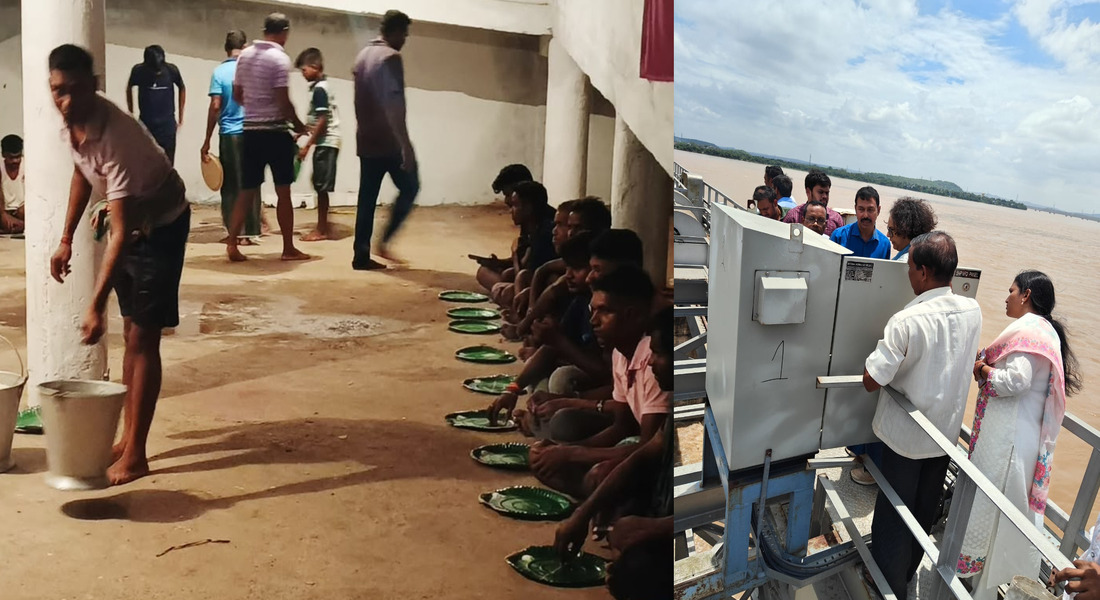
Bhubaneswar: More than seven lakh people across 20 districts of Odisha have been affected by the current floods as increased discharge from the Hirakud Dam continues to flow through the Mahanadi river system, prompting the state government to intensify monitoring of downstream areas while maintaining that the overall flood situation remains under control.

According to official figures, 7,05,232 people in 1,458 villages under 539 gram panchayats across nearly 100 blocks have been affected by the floods. Around 1,89,597 people have been evacuated to safer locations and relief centres as rescue and relief operations continue.

The state government has set up 520 relief centres where more than 1.82 lakh people are being provided cooked meals, dry food and other essential services. Separate arrangements have been made for women, children and elderly persons, while baby food, cattle feed and women police personnel have also been deployed at relief camps.

With floodwaters from Hirakud expected to pass through the lower Mahanadi basin, the Water Resources Department on Friday stepped up surveillance of key hydraulic structures. Principal Secretary Shubha Sharma inspected the Mundali Weir and Naraj Barrage to review floodwater management and assess preparedness.

At Mundali, Sharma reviewed the regulated release of floodwater through the Mahanadi system and assessed river levels and downstream conditions with senior engineers. She later inspected the SCADA-based control room at Naraj Barrage and directed engineers to maintain round-the-clock monitoring of barrage gates, continuously analyse river flows and respond immediately to any emergency.

The department said barrage gates are being operated on the basis of scientific assessment of upstream inflows, downstream conditions and real-time hydrological data to ensure the safe discharge of floodwater without endangering lives and property.

Officials said water levels in most major rivers, including the Baitarani, Brahmani, Jalaka and Budhabalanga, have started receding following a decline in rainfall in both Odisha and the upper catchment areas. However, nearly nine lakh cusecs of water is currently flowing through the Mahanadi at Naraj, prompting authorities to maintain close watch over Cuttack, Jagatsinghpur and Kendrapara districts.

As a precautionary measure, a medical team in Balipatna shifted a pregnant woman to a nearby hospital to ensure uninterrupted access to healthcare. The district administration said pregnant women, children, elderly persons and other vulnerable groups continue to receive priority during evacuation and relief operations.

The government has deployed 24 ODRAF teams, six NDRF teams and 46 Fire and Emergency Services units for rescue operations, while police personnel have been stationed in evacuated villages and along embankments to safeguard property and maintain security.

On Thursday, Revenue and Disaster Management Minister Suresh Pujari reviewed the flood situation with district collectors and senior officials before conducting an aerial survey of flood-affected areas in Jajpur, Bhadrak, Balasore and Kendujhar districts. He directed district administrations to complete damage assessments within 72 hours after floodwaters recede so that compensation can be disbursed without delay. He also said the state government remained committed to ensuring that administrative assistance reached affected residents before floodwaters posed a threat to their safety.

Cabinet approves Rs 4.04 lakh crore package for energy, farmers and clean power

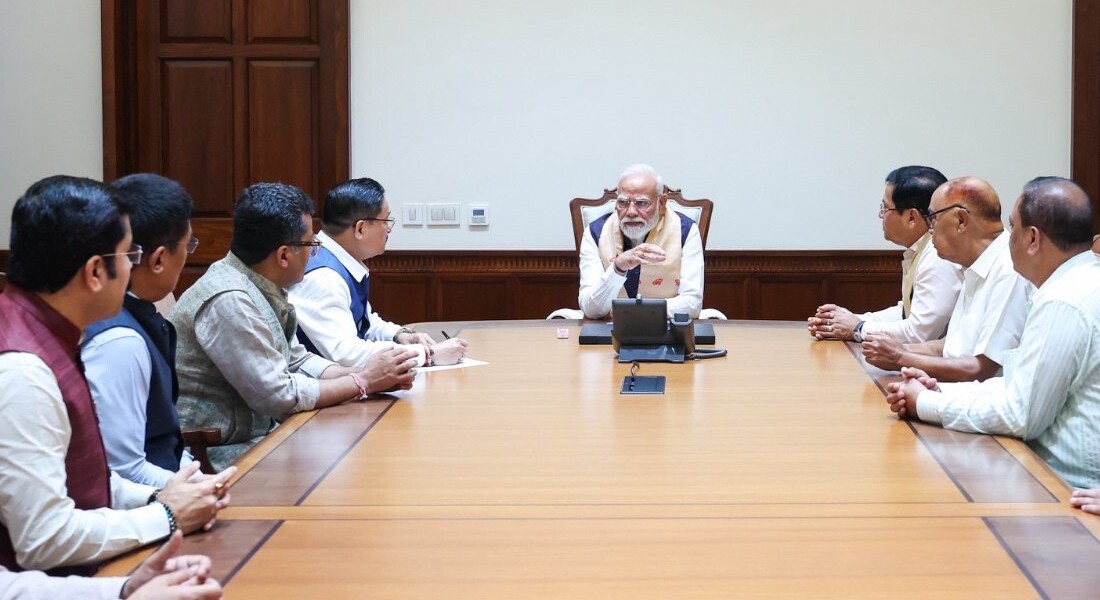
New Delhi: The Union Cabinet, chaired by Prime Minister Narendra Modi, has approved three major national schemes with a combined outlay of more than Rs 4.04 lakh crore to strengthen India’s energy security, support farmers and accelerate the country’s clean energy transition.

The Cabinet approved the ‘Samudra Manthan’ – National Offshore Exploration Scheme, the continuation of the Pradhan Mantri Kisan Samman Nidhi (PM-KISAN) scheme, and the Pradhan Mantri Surya Sarovar Yojana (PM-SSY).

The Samudra Manthan scheme has been approved with an outlay of Rs 84,084 crore for implementation till FY 2030-31. The Central Sector scheme of the Ministry of Petroleum and Natural Gas aims to unlock India’s offshore oil and gas potential and strengthen the country’s long-term energy security, according to an official statement.

The scheme includes large-scale acquisition, processing and interpretation of seismic data, accelerated deepwater and ultra-deepwater exploratory drilling, scientific drilling in frontier basins, development of common offshore production and evacuation infrastructure, and the establishment of an integrated Oil and Gas Manufacturing and Services Zone.

It also provides for digital programme management, technology adoption, capacity building, stakeholder engagement and international outreach.

According to the government, the initiative is expected to add more than 600 Million Metric Tons of Oil Equivalent to India’s reserves. It is also projected to increase offshore exploration, boost domestic oil and gas production, generate employment, strengthen indigenous manufacturing under Make in India and Aatmanirbhar Bharat, and attract investments across the exploration and production value chain.

The Cabinet also approved the continuation of the PM-KISAN scheme from 2026-27 to 2030-31 with a financial outlay of Rs 3.15 lakh crore.

Launched in February 2019, the scheme provides Rs 6,000 annually to eligible landholding farmer families through the Direct Benefit Transfer system in three equal instalments.

The government said more than Rs 4.47 lakh crore has been transferred directly to farmers through 23 instalments since the scheme’s launch. Under the 23rd instalment, over 9.49 crore farmers received more than ₹18,984 crore.

According to the government, PM-KISAN has enabled farmers to invest in seeds, fertilisers, irrigation, agricultural machinery and other farm inputs. Independent evaluations cited by the government found that more than 92% of beneficiaries used the assistance for agricultural activities, while around 85% reported improved farm income and reduced dependence on informal credit.

In another decision, the Cabinet approved the PM-SSY with a total outlay of Rs 5,070 crore.

The scheme aims to develop 5,000 MW of floating solar photovoltaic projects with co-located Energy Storage Systems having a minimum storage capacity of 10,000 MWh. The projects will be sanctioned between FY 2026-27 and FY 2030-31, while financial support will continue till FY 2032-33.

The approval follows an assessment by the National Institute of Solar Energy, which estimated a floating solar potential of around 102.18 GWp across reservoirs and other suitable inland water bodies.

Under the scheme, the Centre will provide financial assistance of Rs 1 crore per MW for eligible floating solar projects after successful commissioning. It will also provide up to Rs 50 lakh per project for feasibility studies and other preparatory activities.

The government said the scheme will add 5,000 MW of floating solar capacity, strengthen grid reliability through integrated energy storage, reduce around 10 million tonnes of CO₂ emissions annually, generate approximately 16,000-17,000 full-time equivalent employment opportunities, promote domestic manufacturing of solar and energy storage equipment, and contribute to India’s renewable energy and climate goals.

Ex-AAP councillor Tahir Hussain gets life term for Ankit Sharma murder during 2020 Delhi riots

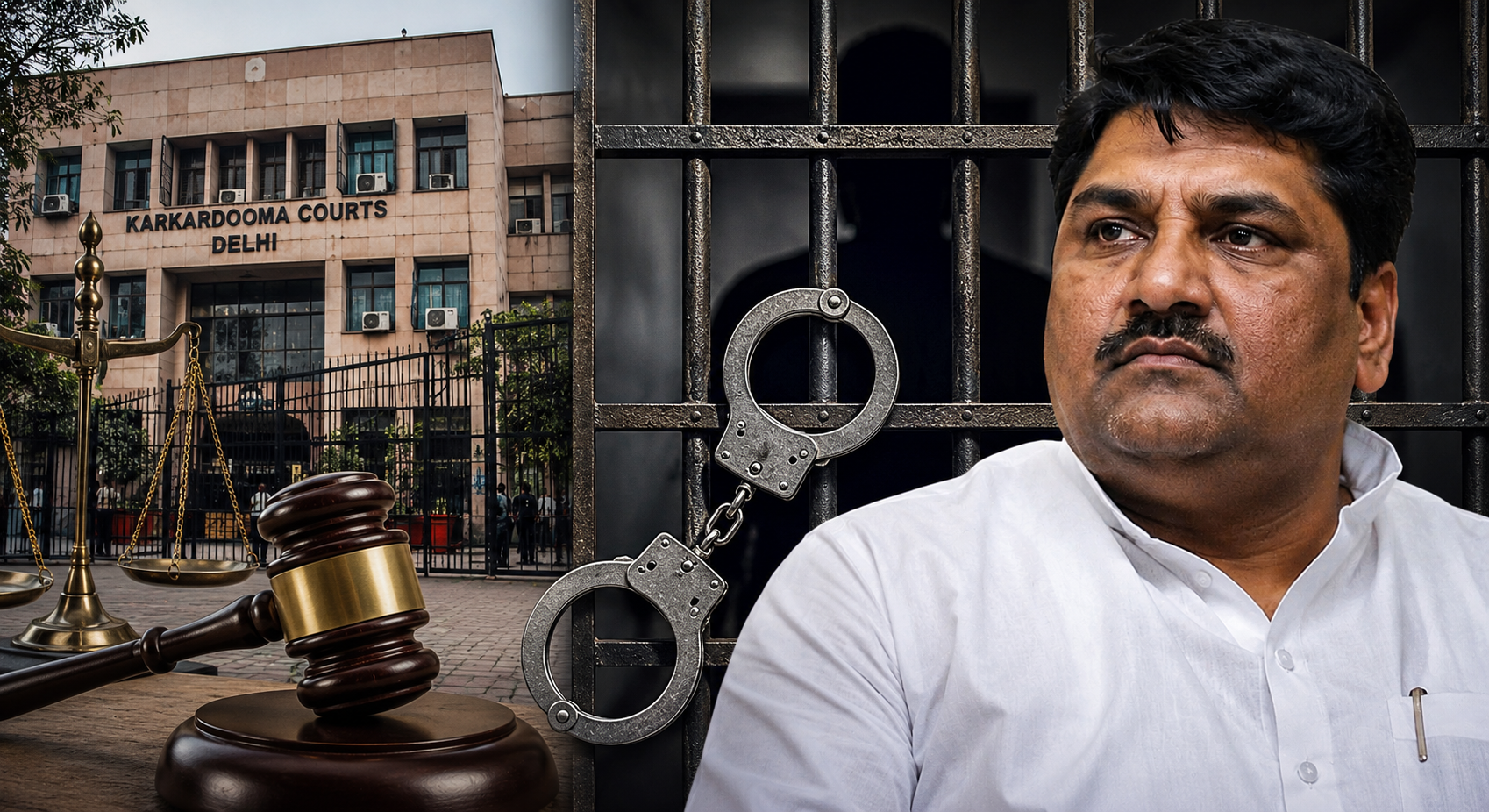
New Delhi: A Delhi court on Friday sentenced former Aam Aadmi Party (AAP) councillor Tahir Hussain and the other convicts to life imprisonment for the murder of Intelligence Bureau (IB) staffer Ankit Sharma during the 2020 Northeast Delhi riots, describing the killing as a grave crime that had “shaken society”.

Pronouncing the sentence, Additional Sessions Judge (ASJ) Praveen Singh of Karkardooma Court observed that the incident was of an extremely serious nature and had compelled society to reflect on how such a brutal crime could take place. Holding that the offence warranted the maximum punishment short of death, the court awarded life imprisonment to all those convicted in the case.

The sentencing follows the conviction of Hussain and the co-accused earlier this month for their role in the killing of the 26-year-old Intelligence Bureau employee. Hussain was convicted of murder, rioting and other offences, but acquitted of the charge of criminal conspiracy.

Ankit Sharma went missing during the communal violence that engulfed Northeast Delhi in February 2020. His body was later recovered from a drain near Chand Bagh, with the post-mortem report recording multiple injuries. The case emerged as one of the most prominent criminal prosecutions arising out of the riots, which claimed 53 lives and left hundreds injured.

During the sentencing hearing earlier this week, the Delhi Police had sought the death penalty for Hussain and four other convicts, describing the murder as “cold-blooded” and arguing that it fell within the category of the “rarest of rare” cases.

Appearing for the prosecution, Special Public Prosecutor Madhukar Pandey told the court that Sharma had been abducted, repeatedly assaulted and brutally killed. He argued that the victim had sustained 51 injuries, including 18 inflicted by sharp-edged weapons, demonstrating the extreme brutality of the attack. The prosecution also contended that the crime could not be viewed in isolation but had to be considered in the broader context of the communal riots that rocked Northeast Delhi in February 2020.

The defence opposed the demand for capital punishment, arguing that the case did not satisfy the legal threshold for awarding the death sentence. Counsel appearing for Hussain submitted that there was no evidence establishing a criminal conspiracy and pointed to his conduct during the trial. The defence also cited his family circumstances, stating that he is the sole earning member with a wife and three children.

After considering the submissions of both sides, the court rejected the prosecution’s plea for the death penalty and instead imposed life imprisonment on all the convicts.

The detailed sentencing order is awaited.

Rahul Gandhi attacks Centre over FIR against CJP protester

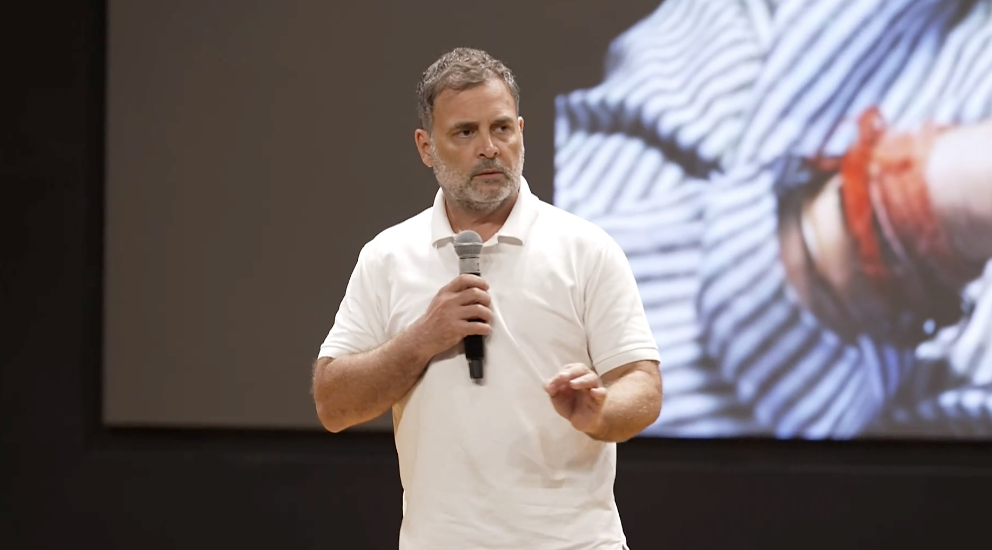
New Delhi: Leader of Opposition Rahul Gandhi on Friday criticised the Centre over the registration of an FIR against a 25-year-old woman for allegedly using abusive language against Prime Minister Narendra Modi during the Cockroach Janta Party (CJP) protest at Jantar Mantar, accusing the government of attempting to silence the country’s youth.

In a post on X, Gandhi alleged that the Narendra Modi government was targeting Generation Z through police action against protesters.

“PM Modi and Amit Shah — you cannot threaten Gen Z into silence. First you broke their bones. Now you are filing FIRs and taking down their accounts. You are India’s past. Be careful about how you treat India’s future,” Gandhi wrote.

The woman, identified as Ruchika Singh, has been booked over alleged objectionable remarks made during the July 23 protest at Jantar Mantar. According to the complaint, her comments were derogatory towards the office of the Prime Minister and had the potential to disturb public peace and promote disharmony.

Police initially registered a Zero FIR at the Expressway Police Station in Noida before transferring the case to Parliament Street Police Station in New Delhi for further investigation.

The Cockroach Janta Party also criticised the police action. Its spokesperson, Saurav Das, reportedly said while the language allegedly used by the protester could be objectionable, invoking the criminal justice system against demonstrators was unwarranted.

Das told media that individuals aggrieved by defamatory remarks were free to pursue civil or criminal defamation proceedings, but maintained that using criminal machinery against protesters was unacceptable. At the same time, he appealed to young protesters to exercise restraint in their language and urged the police not to misuse their powers for political purposes.

The controversy comes a day after the Delhi government announced that no legal action would be taken against those arrested during the anti-paper leak protests, except individuals with a criminal background. Withdrawal of criminal cases against protesters had been one of the key demands raised by the CJP before it called off its agitation.

Meanwhile, the BJP has moved a breach of privilege notice against Rahul Gandhi over remarks he made during the Lok Sabha debate on the Prevention of Insults to National Honour (Amendment) Bill, 2026.

BJP MP Anurag Thakur submitted the notice to Lok Sabha Speaker Om Birla under Rules 222 and 223 of the Rules of Procedure, alleging that Gandhi used expressions such as “idiots” and “andh bhakts” during his speech in Parliament. Thakur also objected to Gandhi’s allegations against Union Home Minister Amit Shah, describing them as baseless.

In his complaint, Thakur argued that the expressions used by the Congress leader fall within the category of unparliamentary language identified in previous compilations issued by the Lok Sabha Secretariat. He further contended that the remarks violated Rule 362, which prohibits personal references during parliamentary proceedings, and amounted to contempt of the House by using derogatory language against a section of citizens.

Trump weighs $100,000 fee for US work permit, raising concerns among Indian students

New Delhi: The Donald Trump administration is reportedly considering imposing a $100,000 fee on international students seeking to work in the United States after completing their studies, a move that could significantly impact Indian students, who constitute the largest international student community in the country.

According to a report by The Wall Street Journal, senior US officials are considering charging the fee for the Optional Practical Training (OPT) programme, which allows international students to work in the US after completing their studies. The proposal has not yet been officially announced by the White House.

The move, if implemented, would directly affect thousands of Indian students who rely on the OPT programme to gain professional experience in the US before applying for H-1B visas. For many Indian families, the programme has long been an important factor in choosing the United States for higher education despite the high cost of overseas studies.

The OPT programme currently permits international students to work in the US for up to one year after graduation without requiring a separate work visa. Graduates in science, technology, engineering and mathematics (STEM) disciplines can extend the period by another two years, allowing them to work for up to three years.

A fee of $100,000, or more than Rs 95 lakh at current exchange rates, would substantially increase the financial burden on students who are already paying high tuition fees and living expenses, often through education loans.

The proposal comes at a time when Indian students dominate international enrolments in the US. According to the latest Open Doors report, more than 3.63 lakh Indian students were enrolled in American higher education institutions during the 2024-25 academic year, overtaking China to become the largest source of international students.

The report also noted a sharp rise in Indian participation in the OPT programme, with nearly 40 per cent of Indian students opting for post-study work and participation increasing by 47 per cent over the previous year. The programme has become a crucial pathway for graduates seeking long-term employment in the US.

Officials supporting the proposal have reportedly argued that the OPT programme has been susceptible to visa fraud and overstays. However, critics contend that imposing such a high fee would discourage genuine students while making US universities less attractive to international talent.

The reported proposal follows another controversial immigration measure introduced earlier this year, under which the Trump administration imposed a $100,000 fee on new H-1B visa applications. That policy was subsequently blocked by a federal appeals court in Boston after legal challenges from technology companies and industry groups.

The latest development also comes amid signs of declining Indian student enrolments in the US. According to US government arrival data cited in the report, new enrolments from India fell by nearly 45 per cent between August 2024 and August 2025, largely due to visa interview delays and stricter immigration scrutiny.

Education experts believe that if the proposed OPT fee is approved, it could prompt more Indian students to consider alternative destinations such as Canada, the United Kingdom, Germany and Australia, where post-study employment opportunities remain comparatively more accessible.

Commonwealth Games: Seema Kaliramna claims bronze in discus throw

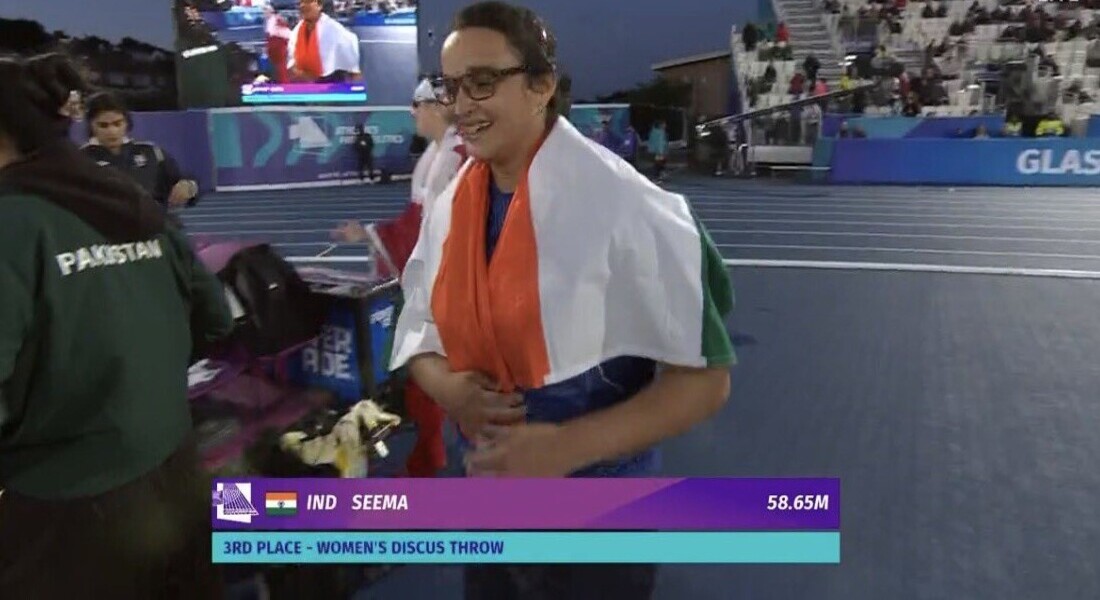
New Delhi: India added a fourth athletics medal at the Glasgow 2026 Commonwealth Games on Thursday, courtesy of Seema Kaliramna’s bronze in the women’s discus throw.

The 27-year-old produced her top effort of 58.66m on her third throw at Scotstoun Stadium, narrowly missing her career-best of 59.73m. That distance was enough to hold off fellow Indian Nidhi Rani, who ended up fourth at 57.10m.

Jamaica’s Samantha Hall claimed gold with a 61.66m effort, while Canada’s Julia Tunks took silver at 60.67m, according to reports.

It was a tougher night for Parul Chaudhary, who placed 13th in the women’s 5000m final, clocking 15:08.56 – a day after finishing fifth in the 3000m steeplechase. Even her national-record personal best of 15:04.26 would only have been good enough for 12th place. Australia’s Rose Davies won the race in 14:44.53.

Tajinderpal Singh Toor also left without a medal, finishing fifth in the men’s shot put with a best throw of 20.27m on his third attempt. India’s national record holder cleared the 20-metre mark three times across his six throws – 20.06m on his opening attempt and 20.26m on his final one, in addition to his top mark.

Teammate Samardeep Singh Gill came seventh with 20.03m. Nigeria’s Chukwuebuka Enekwechi topped the podium at 21.07m, ahead of New Zealand’s Tom Walsh (21.03m) and England’s Scott Lincoln (20.99m).

There was better news in the men’s triple jump, where India’s Praveen Chithravel and Selva Prabhu Thirumaran both advanced to the final. Praveen opened with a 16.41m jump to sit second in qualifying, while Selva Prabhu fouled his first two attempts before landing a final-round leap that placed him third. Jamaica’s Jordan Scott led the qualifiers with 16.56m.

The pair will aim to repeat India’s 2022 Birmingham success, where Eldhose Paul and Abdulla Aboobacker went 1-2 in the same event.

India’s sprinting hopes ended in the semi-finals, though. Vishal TK ran 46.33s in the men’s 400m – a 0.16-second gain over his qualifying time — but placed sixth in his heat and 14th overall, missing the cutoff of the top two per heat plus the next two fastest. Animesh Kujur met a similar end in the 200m, timing 20.65 seconds for sixth in his heat under the same qualification rules.

Naveen Patnaik slams change in Indian hockey team’s jersey colour

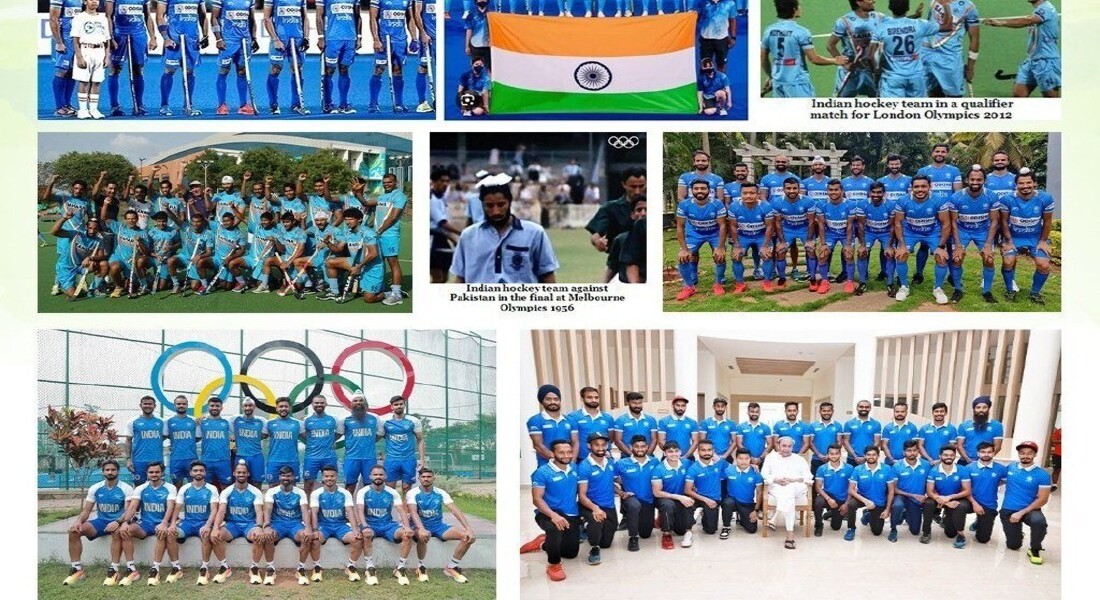
Bhubaneswar: A new controversy has erupted over the change in the Indian hockey team’s jersey colour, with BJD supremo Naveen Patnaik saying the iconic shade of blue is an emotion associated with the nation’s sporting heritage.

Ahead of the 2026 Hockey World Cup, scheduled to be held in the Netherlands and Belgium, Indian players will wear saffron jerseys instead of their traditional blue kits, Hockey India announced earlier.

However, Patnaik expressed strong displeasure over the colour change of the blue kits.

In a detailed post on X, he said: “For decades, this colour united us in hope, in victory, in defeat and in the pursuit of sporting excellence. We have cried, laughed, celebrated and stood proudly with our men and women in blue. Wearing the blue jersey, our teams have won Olympic medals with the national anthem playing on the world stage.”

He explained that the blue colour is derived from the Ashoka Chakra in the national flag, adding that it is a symbol of national pride and identity.

In his words, the blue colour belongs to every Indian.

“When the national hockey teams were struggling for sponsors, #Odisha created history by being the first and only state to support our national teams and our beloved game. Every Odia across the globe was proud of the state’s gift to national hockey. After 41 long years, our men’s team won an Olympic medal. Just because the government changed in Odisha, it should not change our national team colours. This is petty politics of the worst kind,” he noted.

Patnaik also accused the ruling BJP of changing the colours of many things, including buses, over the last two years.

“I am given to understand that this step was taken under pressure from the BJP government in Odisha. Those in authority may deny it, but the fact is that, for the last two years, everybody in Odisha has seen this government’s obsession with changing the colours of buildings, buses and even bridges. It is the only work that is happening in Odisha today. But now the same government has changed the colours of our national team. I strongly condemn this attempt by BJP Odisha to politicise a national game like hockey,” he noted.

Meanwhile, Hockey India clarified that the decision to change the blue kits was taken only after extensive recommendations and detailed consultations with the support staff and players.

In a statement, Hockey India said: “It was observed that the blue playing uniform tended to blend with the blue synthetic playing surface, which is now the standard colour for international hockey pitches. This visual similarity affected on-field clarity and visibility for the players.”