At IndiaVerve, we go beyond the noise to bring you meaningful stories of change, resilience and progress—from India to the world stage. Our mission is to bring readers credible, wide-ranging coverage across politics, business, sports, culture, society and more.
At IndiaVerve, we go beyond the noise to bring you meaningful stories of change, resilience and progress—from India to the world stage. Our mission is to bring readers credible, wide-ranging coverage across politics, business, sports, culture, society and more.
New Delhi: Prime Minister Narendra Modi on Wednesday marked seven years since the abrogation of Articles 370 and 35(A), describing August 5, 2019, as a defining milestone in India’s journey towards inclusive development and national integration.
In a post on X, the PM said the past seven years have witnessed wide-ranging transformation across Jammu and Kashmir and Ladakh, with significant progress in infrastructure and expanded opportunities in education, healthcare, entrepreneurship and sports.
Modi said the full application of the Constitution of India in the two regions has empowered women and members of marginalised communities who had remained deprived of several constitutional rights for decades.
“The women and members of marginalised communities, who had been deprived of several constitutional rights for decades, have now been empowered through the full application of the Constitution of India,” he said.
The PM noted that this year’s anniversary carries added significance as the nation commemorates the 125th birth anniversary of Dr. Syama Prasad Mookerjee.
He said Dr. Mookerjee’s lifelong commitment to national unity continues to inspire generations and that the vision he championed found historic fulfilment on August 5, 2019.
Reaffirming the Centre’s commitment to the development of Jammu and Kashmir and Ladakh, Modi said every citizen should have the opportunity to dream big, realise their aspirations and contribute to the vision of a Viksit Bharat.
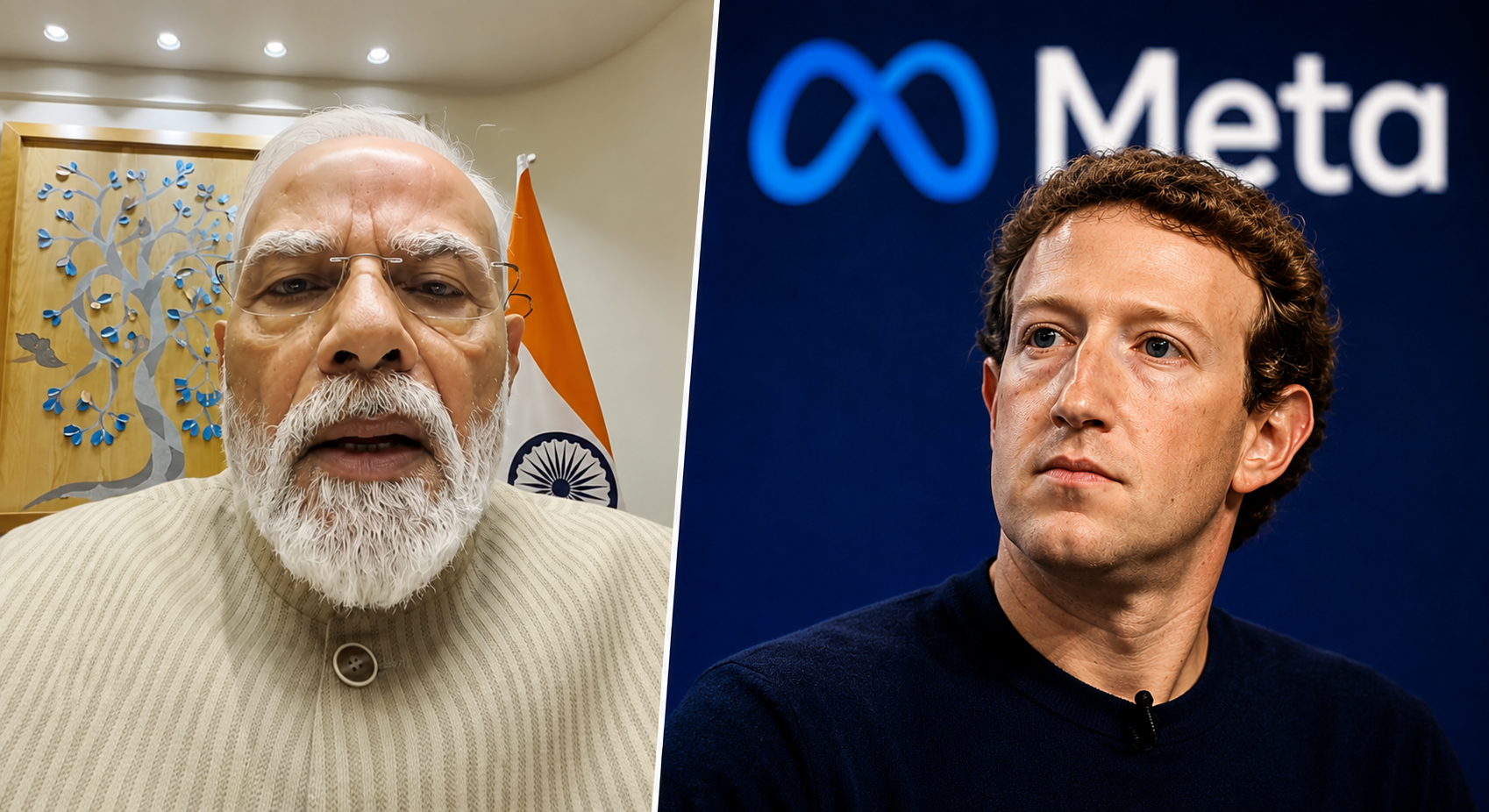
New Delhi: A Parliamentary Standing Committee on Communications and Information Technology has asked Meta chief Mark Zuckerberg to apologise within three days over the brief removal of Prime Minister Narendra Modi’s video from Facebook, warning that the company could lose its “safe harbour” protection if it fails to act.
The committee, chaired by BJP MP Nishikant Dubey, described the temporary removal of the Prime Minister’s July 23 video as an “attack on democracy” and said Meta must identify and act against those responsible for the incident.
According to media reports, the committee has written to the Ministry of Electronics and Information Technology and the Ministry of Home Affairs, arguing that the removal of the Prime Minister’s video was not the function of an intermediary but amounted to the actions of a publisher. It warned that if Meta failed to take corrective action and issue an apology, the government should consider withdrawing the company’s safe harbour protection.
Dubey said social media platforms were misusing the legal immunity available to intermediaries. He warned that the removal of safe harbour protection could expose Meta officials to criminal complaints across the country if users choose to file cases over content moderation decisions.
Prime Minister Modi’s video, first posted on Instagram and later shared on Facebook, featured his first direct selfie message addressed to Gen Z, in which he promised stringent measures to curb examination paper leaks during the nationwide student protests over alleged examination irregularities. The Facebook version of the video was briefly restricted before being restored following public criticism.
Earlier this week, Meta executives appeared before the parliamentary panel and faced questions over the incident. The company apologised, attributing the removal to a technical glitch. However, the Ministry of Electronics and Information Technology reportedly rejected the explanation, saying it was not satisfactory and that a technology company of Meta’s scale should ensure such incidents do not recur.
The committee also expressed concern over the presence of Child Sexual Abuse Material (CSAM) in paid advertisements on Instagram and warned that all major social media platforms would face legal consequences if they failed to comply with Indian laws governing such content.
The warning applies to platforms including Facebook, Instagram, WhatsApp, Google, YouTube, X and Snapchat.
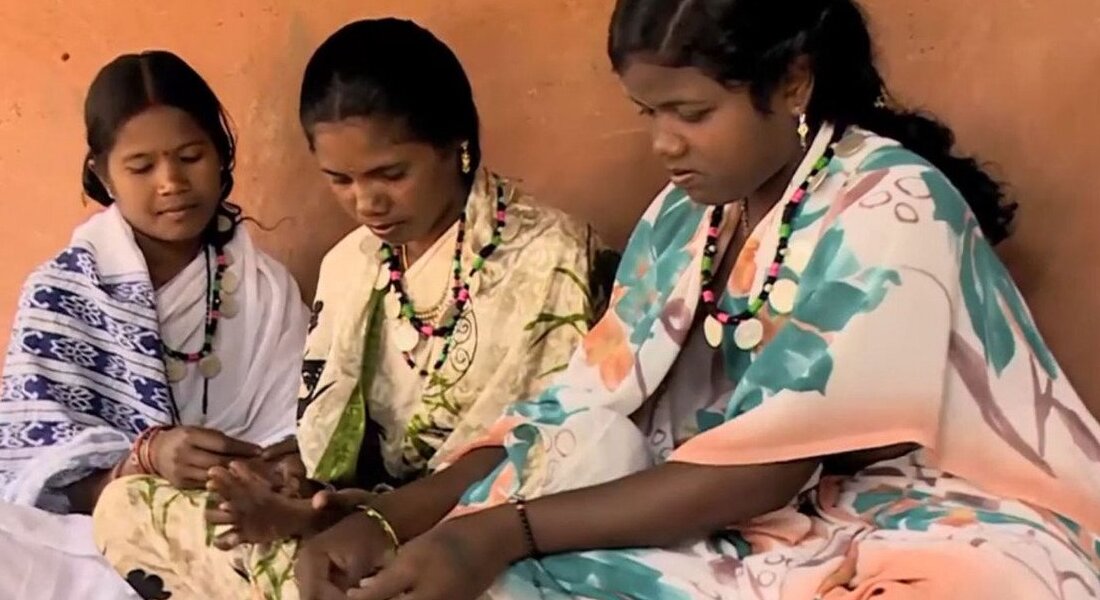
Bhubaneswar: The Centre has said that the implementation of the Pradhan Mantri Janjati Adivasi Nyaya Maha AbhiyaN (PM JANMAN) and other tribal development programmes in Odisha has improved access to basic amenities and livelihood opportunities for Particularly Vulnerable Tribal Groups (PVTGs) across the state.
Union Tribal Affairs Minister Jual Oram informed the Lok Sabha on Wednesday by laying a statement on the table of the House regarding the implementation of PM JANMAN and tribal development programmes in Odisha.
According to the statement, the Ministry of Tribal Affairs has been regularly monitoring the implementation of PM JANMAN through periodic reviews, field-level monitoring and reports received from the Odisha government and implementing agencies.
The ministry said the improvements made under PM JANMAN and other tribal welfare schemes have contributed to the socio-economic development of PVTGs and tribal communities in Odisha.
To identify eligible beneficiaries and infrastructure gaps, the Ministry conducted a habitation-level data collection exercise using the PM Gati Shakti mobile application. Based on the information collected, Odisha has 73,092 PVTG households with a PVTG population of 3,12,654.
The ministry clarified that the actual number of beneficiaries covered under the mission depends on the eligibility criteria prescribed under the respective scheme guidelines, according to an official statement.
Under the Multi-Purpose Centres component of PM JANMAN, Odisha has received an approved allocation of Rs 44.40 crore.
During 2023-24, the state received Rs 12.68 crore, with utilisation certificates submitted for the entire amount. In 2024-25, Rs 23.92 crore was released, against which utilisation certificates worth Rs 21.71 crore have been submitted.
The statement further noted that bills worth Rs 1.92 crore were closed during 2025-26, while bills amounting to Rs 3.29 crore had been closed during 2026-27 as of July 28, 2026, through the SNA SPARSH platform.
Under the Van Dhan Vikas Kendras programme, Odisha received a sanction of Rs 178.40 lakh during 2023-24, of which Rs 88.91 lakh was released. No funds were sanctioned or released during 2024-25.
For 2025-26, the ministry sanctioned Rs 84.55 lakh, out of which Rs 42.27 lakh has been released.
The Ministry further said it will continue monitoring the implementation of PM JANMAN and other tribal welfare initiatives to ensure effective delivery of benefits to eligible tribal communities in Odisha.
New Delhi: The Reserve Bank of India’s Monetary Policy Committee (MPC) has decided to keep the policy repo rate unchanged at 5.25%, RBI Governor Sanjay Malhotra said while announcing the outcome of the panel’s third bi-monthly meeting of financial year 2026-27, held on August 3, 4, and 5.
Consequently, the standing deposit facility rate remains unchanged at 5%, while the marginal standing facility rate and the Bank Rate remain at 5.50%. The MPC also decided to continue with its neutral stance. The decision to hold rates was unanimous.
In a press release, the governor said the West Asia conflict continues to disrupt global trade routes and supply chains, amplifying market volatility and weighing on business sentiment. Fresh US tariffs have added to trade uncertainty, with global growth projected to soften and inflation forecasts for 2026 running higher than the previous year.
On inflation, Malhotra noted that headline CPI inflation rose to 4.4% in June 2026 after staying below the target for 16 consecutive months. However, this was 30 basis points lower than earlier projections for the quarter. The rise was mainly driven by higher food and fuel prices, with core inflation excluding food and fuel steady at 3.9% during May-June. CPI inflation for 2026-27 is projected at 5%, with inflation expected to peak in the third quarter before moderating.
On growth, the governor said domestic economic activity has remained resilient, supported by strong manufacturing and services activity and robust exports, reaffirming India’s position as the world’s fastest-growing major economy. Real GDP growth for 2026-27 is projected at 6.7%, with the first quarter at 7%, second at 6.4%, third at 6.5%, and fourth at 6.8%.
On the external sector, India’s current account recorded a surplus of USD 2.8 billion during April-May, led by a robust services trade surplus and strong remittance receipts. Gross foreign direct investment inflows stood at USD 30.7 billion during April-June 2026, up from USD 26.7 billion a year earlier.
Foreign portfolio investment saw a turnaround in June-July with net inflows of USD 7.1 billion, after outflows in April-May. India’s forex reserves remain adequate, with an import cover of over 10 months.
The governor also announced additional measures for the cooperative sector, including draft guidelines for resuming licensing of Urban Cooperative Banks and draft directions on the Credit Monitoring Arrangement for Rural Cooperative Banks.
The RBI further proposed to harmonise and standardise the regulatory framework on interest rates on advances across all regulated entities to enhance transparency and strengthen consumer protection.
New Delhi: An India-flagged cargo vessel sank in the Red Sea off Yemen’s western coast after coming under projectile attack, with all 14 crew members, including 13 Indian sailors, rescued safely by Yemeni forces, even as New Delhi strongly condemned the assault and called for an immediate end to attacks on commercial shipping.
The vessel, MSV Faize Noore Oliya, was reportedly attacked around 13 nautical miles south of the Houthi-controlled port city of Hodeidah on Tuesday. The impact caused the cargo vessel to overturn and sink. The crew comprised 13 Indian nationals and one Yemeni sailor.
According to media reports, Yemen’s National Resistance Force, also known as the Guards of the Republic, said its coast guard and naval units carried out a joint rescue operation. All 14 crew members were rescued and provided medical assistance before being taken to the Port of Mokha.
India condemned what it described as an “unprovoked” attack on an unarmed commercial vessel. Union Ports, Shipping and Waterways Minister Sarbananda Sonowal said he had directed the Director General Maritime Administration (DGMA) to coordinate with all concerned agencies to ensure the safety of Indian seafarers operating in the region and extend all necessary assistance to the rescued crew.
“India strongly condemns this unprovoked attack on the defenseless mechanised sailing vessel. The safety of our people is our supreme priority,” Sonowal said, adding that all 14 seafarers had been rescued safely by the Yemeni Coast Guard.
Indian MSV Faize Noore Oliya has been hit by a projectile near Yemeni waters, causing the vessel to capsize and sink.
India strongly condemns this unprovoked attack on the defenseless mechanised sailing vessel. The safety of our people is our supreme priority & I am relieved to…
The Ministry of External Affairs said the Indian Embassy in Riyadh was closely monitoring the situation and coordinating with Yemeni authorities to ensure the welfare and security of the crew. It also described the continuing attacks on commercial shipping in the region as “deeply worrisome” and urged that free and unimpeded navigation through international waterways be restored in accordance with international law.
The latest incident comes amid growing security concerns in the Red Sea and surrounding maritime routes, where missile and drone attacks on commercial vessels have intensified in recent months. Last month, the Iran-backed Houthi movement announced a naval blockade against Saudi Arabia, escalating tensions and raising concerns over disruptions to global trade and energy supplies.
The Bab el-Mandeb Strait, located at the entrance to the Red Sea and linking it with the Gulf of Aden and the Indian Ocean, remains one of the world’s busiest shipping corridors and has increasingly become a flashpoint in the regional conflict.
Meanwhile, diplomatic efforts are continuing to ease tensions in another critical maritime chokepoint, the Strait of Hormuz.
According to media reports, talks mediated by Oman between Iran and international stakeholders have made progress on establishing secure shipping lanes through the strategic waterway. US Secretary of State Marco Rubio said negotiations had advanced, although no final agreement had yet been reached, while US Treasury Secretary Scott Bessent expressed hope that a deal could be concluded soon.
Iran’s Foreign Ministry also described the discussions with Oman as “positive”, saying they were focused on ensuring safe inbound and outbound navigation through the Strait of Hormuz.
US President Donald Trump also claimed that Washington was engaged in “very good discussions” with Iran, despite repeated denials from Tehran regarding direct negotiations. Iranian state media, meanwhile, reported that discussions were aimed at creating a new maritime corridor through the Strait of Hormuz to facilitate safe commercial navigation while protecting Iran’s interests as a coastal state.
The developments come as governments and the global shipping industry remain on high alert over security risks in two of the world’s most strategically important maritime trade routes, with concerns that continued attacks could further disrupt international commerce and endanger civilian seafarers.
Bhubaneswar: The Kalinga Institute of Social Sciences (KISS) has secured the 3rd rank and a platinum rating in the National Green University Ranking (NGUR) 2026.
The recognition comes for fostering an eco-friendly campus and environmental consciousness among students and faculty, highlighting KISS Deemed University’s growing focus on green initiatives.
The rankings were compiled and released by Green Mentors, a global greening education organisation registered in the US and India, the KISS said in a release.
The rankings evaluate universities across India based on their performance in sustainability initiatives, including green infrastructure, waste management practices, energy conservation, water harvesting, and curriculum integration of environmental studies.
Green Mentors holds Special Consultative Status with the UN Economic and Social Council and works to advance climate-conscious, regenerative, and future-ready education systems across schools and universities worldwide.
KISS, the largest tribal university in the world, is known for its green initiatives among Indian universities, in line with the UN’s sustainable development goals. The recognition elevates the university’s national profile and sets a benchmark for other educational institutions in eastern India to integrate green practices more effectively.
Expressing happiness over the achievement, Dr Achyuta Samanta, founder of KIIT and KISS, said both institutions have worked towards green initiatives since their inception, for which KISS has received recognition from several national and international organisations.
The National Green University Ranking aligns with the National Education Policy 2020, the UN Sustainable Development Goals, and the UNESCO Greening Higher Education Framework.
It encourages universities to embed sustainability into institutional life while supporting India’s push to accelerate progress towards the SDGs before 2030.
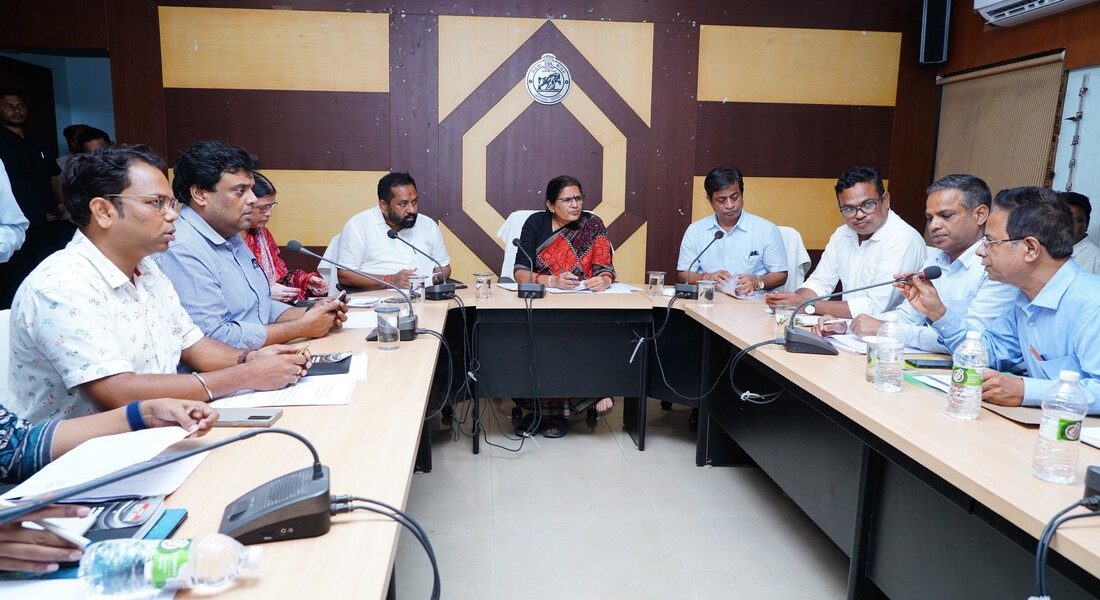
Bhubaneswar: Odisha Deputy Chief Minister Pravati Parida chaired a high-level review meeting at the Jajpur Collector’s Office to assess the flood situation in the district.
She held detailed discussions with senior district administration officials on the flood situation, damage assessment, and relief measures for affected people.
Parida directed officials to ensure timely assistance reaches every flood-affected family. She stressed that there should be no negligence in providing essential relief and support during the crisis. Badachana MLA Amar Nayak, Jajpur MLA Sujata Sahu, District Collector Ambar Kumar Kar, and other senior officials attended the meeting.
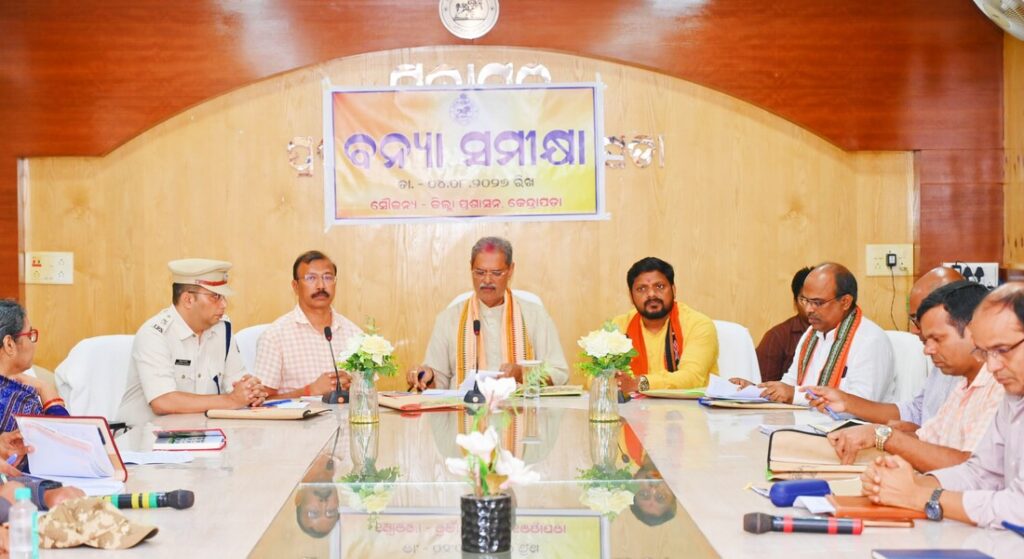
Separately, Deputy Chief Minister Kanak Vardhan Singh Deo reviewed the flood situation at the Kendrapara Circuit House and monitored administrative preparedness.
He discussed the condition of low-lying areas and damage assessment with the District Collector and senior officials. Singh Deo directed that no affected person should be deprived of government assistance and said the administration would remain alert until the situation returns to normal.
Singh Deo also visited Jagatsinghpur and Kendrapara districts and chaired review meetings to address the continuous rainfall and possible flood situation in the region.
He instructed officials to carry out immediate and accurate damage assessments and ensure no affected person is denied government aid during the disaster. He said the state government and local administration stand firmly with the people of Jagatsinghpur and Kendrapara, and that the entire government machinery would remain fully alert until normalcy is restored.