At IndiaVerve, we go beyond the noise to bring you meaningful stories of change, resilience and progress—from India to the world stage. Our mission is to bring readers credible, wide-ranging coverage across politics, business, sports, culture, society and more.

Sports Minister Mandaviya calls for faster talent hunt for 2036 Olympics

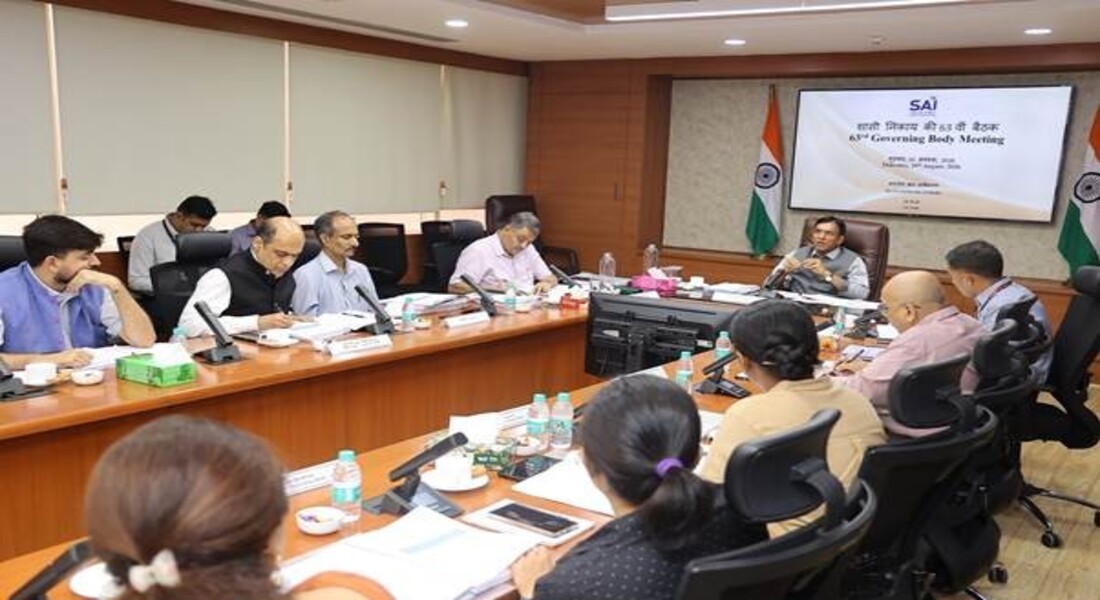
New Delhi: Union Minister for Youth Affairs and Sports Dr Mansukh Mandaviya has called for an accelerated and comprehensive talent identification roadmap to build India’s athlete pool for the 2036 Olympics.

Chairing the 63rd Governing Body Meeting of the Sports Authority of India (SAI), Mandaviya said preparations for India’s sporting ambitions over the next decade must begin immediately.

The minister said SAI should strengthen its talent scouting mechanism and establish a structured system to identify athletes with the potential to progress to the highest level.

He said talent identification should be carried out in two stages. The first stage should identify athletes performing well at the state and district levels. The second should assess their potential based on fitness, passion, dedication and ability to progress to the next level.

Mandaviya said the talent identification process should cover the entire sporting pyramid, including schools, districts and colleges.

He said the objective should be to create a comprehensive talent repository that can feed into sports schools and higher-level training systems.

The minister also stressed the need for a public-private partnership model to expand the training ecosystem. Under the proposed framework, athletes identified through state and district-level talent hunts could be channelled to suitable academies for specialised training.

He also highlighted the role of the corporate sector in sports development through greater participation in Corporate Social Responsibility initiatives.

Such partnerships, he said, would help expand training capacity beyond government-run facilities and create a wider network of academies for athletes emerging from the talent identification system.

As part of efforts to strengthen the coaching ecosystem, the Governing Body approved the establishment of the National Coach Accreditation Board (NCAB), according to an official statement.

The NCAB, a key component of the revamped Khelo India Scheme, will provide a structured framework for coach accreditation and development.

The Governing Body also approved a proposed amendment to the recruitment rules for appointment to the post of Assistant Coach (Pay Level-6) on a deputation basis in SAI.

Mandaviya stressed the need to maintain momentum in developing India’s sports ecosystem. He said ongoing developments must be sustained and sports projects must move at a faster pace.

He added that rising expectations from the government and growing interest in sports among Indians required the country to accelerate its efforts and fulfil the new vision for the next generation.

India, Singapore deepen trade ties at ministerial talks

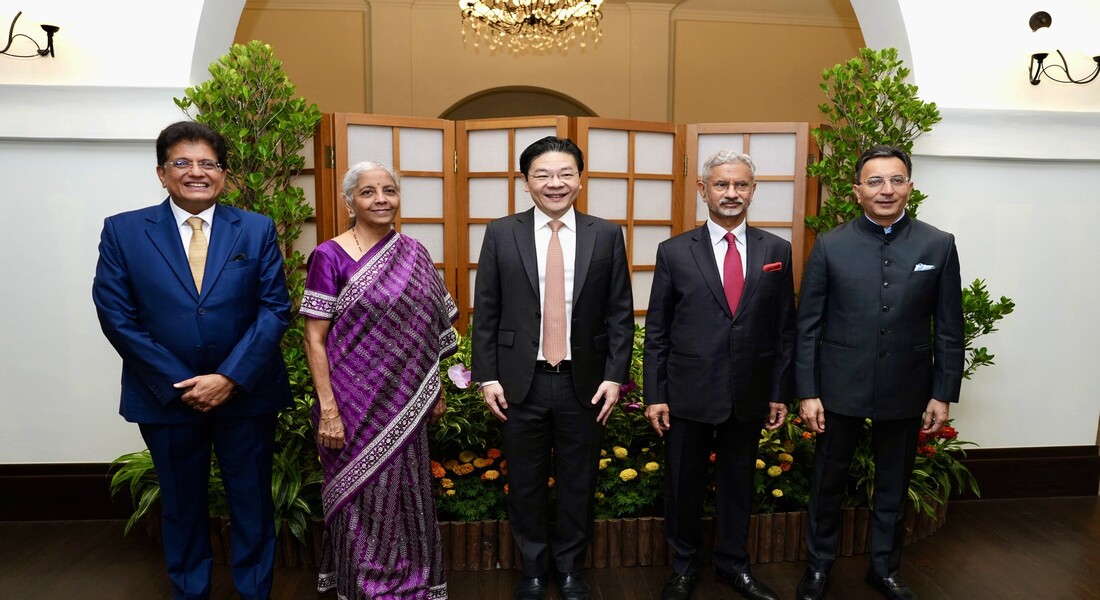
New Delhi: Union Commerce and Industry Minister Piyush Goyal held a series of high-level engagements in Singapore on Thursday, reinforcing India’s economic partnership with the city-state across trade, investment, technology and business.

Goyal began his day with a call on Singapore’s Prime Minister Lawrence Wong at the Istana. He then took part in the 4th India-Singapore Ministerial Roundtable and the 4th India-Singapore Business Roundtable, both held at Hotel Shangri-La. Officials said the roundtables provided a platform to strengthen bilateral economic engagement and explore new areas of cooperation. An MoU signing ceremony followed the discussions.

Later in the day, Goyal held Government-to-Business meetings with senior leaders from global institutions, including the Global Finance & Technology Network and Keppel Infrastructure, according to an official statement.

The discussions centred on deepening India-Singapore collaboration in agri-exports, GCC-based commercial parks, fintech and sustainable infrastructure.

Goyal also visited an APEDA-FairPrice initiative at City Square Mall along with Singapore’s Minister of State for Foreign Affairs and Trade & Industry, Gan Siow Huang. Officials said the visit highlighted growing agricultural trade and expanding market linkages between the two countries.

In the evening, Goyal attended the India-Singapore Business Forum organised by FICCI at the INSEAD Asia Campus. He took part in a fireside chat on India’s role in the new global growth equation, followed by an interactive session with members of the business community.

Officials said the day’s engagements reaffirmed strong momentum in India-Singapore economic ties and reflected India’s commitment to deepening trade, investment and business linkages between the two nations.

The Indian delegation at the Ministerial Roundtable included Finance Minister Nirmala Sitharaman, External Affairs Minister S. Jaishankar, Commerce Minister Piyush Goyal, and Minister of State for Commerce Jitin Prasada.

The Singapore side comprised Deputy Prime Minister and Trade Minister Gan Kim Yong, Senior Minister K. Shanmugam, Foreign Affairs Minister Vivian Balakrishnan, Digital Development Minister Josephine Teo, and Transport Minister Jeffrey Siow.

PM Fasal Bima Yojana registration for Kharif 2026 extended till 31st August

Bhubaneswar: The registration deadline for the Pradhan Mantri Fasal Bima Yojana (PMFBY) for the 2026 Kharif season has been extended till August 31, offering eligible farmers in Odisha additional time to enrol under the crop insurance scheme.

The extension was approved by the Union Ministry of Agriculture and Farmers Welfare following a request from the Odisha Cooperation Department, according to an official press release. The move is aimed at enabling more eligible farmers to secure insurance coverage against crop losses caused by natural disasters and other uncertainties.

However, the extended registration period will have different eligibility conditions across districts. In Ganjam, Kalahandi, Puri, Subarnapur, Bargarh, Bhadrak, Gajapati, Jajpur and Jagatsinghpur districts, registration during the extended period will be available only to loanee farmers.

In all other districts of the state, the registration facility will remain open to all eligible farmers, including loanee and non-loanee farmers as well as sharecroppers, subject to the terms and conditions of the scheme.

For the Kharif 2026 season, crops covered under the scheme include paddy, maize, groundnut, ragi, cotton, arhar, ginger and turmeric in the notified areas and for the notified crops.

Eligible farmers in Odisha can avail crop insurance coverage for up to five acres of land without paying the premium. The farmers’ share of the premium is being borne by the state government, with subsidy support from the Union government. Farmers will, however, have to pay Re 1 per plot towards bank account verification.

Loanee farmers can register through Primary Agricultural Cooperative Societies (PACS), Large Area Multi-Purpose Cooperative Societies (LAMPCS) and their respective bank branches.

Non-loanee farmers can enrol through Common Service Centres (CSCs), cooperative banks, commercial bank branches, authorised insurance representatives and approved digital platforms.

Sharecroppers can also register under PMFBY by submitting the required details along with the consent or acknowledgement of the owner of the land they are cultivating.

Farmers requiring assistance have been advised to contact their nearest PACS or LAMPCS, Assistant Registrar of Cooperative Societies (ARCS), Deputy Registrar of Cooperative Societies (DRCS), Chief District Agriculture Officer (CDAO) or authorised insurance representatives.

The Odisha Cooperation Department has urged all eligible farmers who have not yet enrolled for crop insurance to complete their registration by August 31 and avail themselves of the benefits under the PM Fasal Bima Yojana

National Lok Adalat to be held across Khordha district on September 12

Bhubaneswar: The third National Lok Adalat of the year will be organised on September 12 across all judicial courts and revenue courts in Khordha district, the District Legal Services Authority (DLSA), Bhubaneswar, has announced.

The Lok Adalat will provide an opportunity for the amicable settlement of a wide range of pending cases, including compoundable criminal matters, cheque bounce cases, bank loan disputes, traffic challans, revenue and labour disputes, matrimonial cases excluding divorce matters, land acquisition cases, motor accident claims and property-related disputes.

Apart from cases already pending before courts, the National Lok Adalat will also take up certain pre-litigation disputes. These may include cases involving unpaid bank loans and outstanding telephone, electricity and drinking water bills, which can be resolved through mutual settlement.

The DLSA said no fee would be charged from beneficiaries for settling disputes through the Lok Adalat. Awards passed by the Lok Adalat are final, legally binding and enforceable.

In cases where a pending matter is settled through the Lok Adalat, the court fee paid earlier may also be refunded in accordance with the applicable provisions.

The initiative is aimed at providing a faster and simpler mechanism for resolving disputes through mutual consent, while helping litigants avoid prolonged legal proceedings, additional expenses and loss of time.

The District Legal Services Authority, Bhubaneswar, has appealed to people with eligible pending or pre-litigation disputes to make use of the opportunity. Those seeking further information may contact the DLSA, Bhubaneswar, or the nearest Legal Services Committee or court.

Odisha reviews water resources budget, project progress

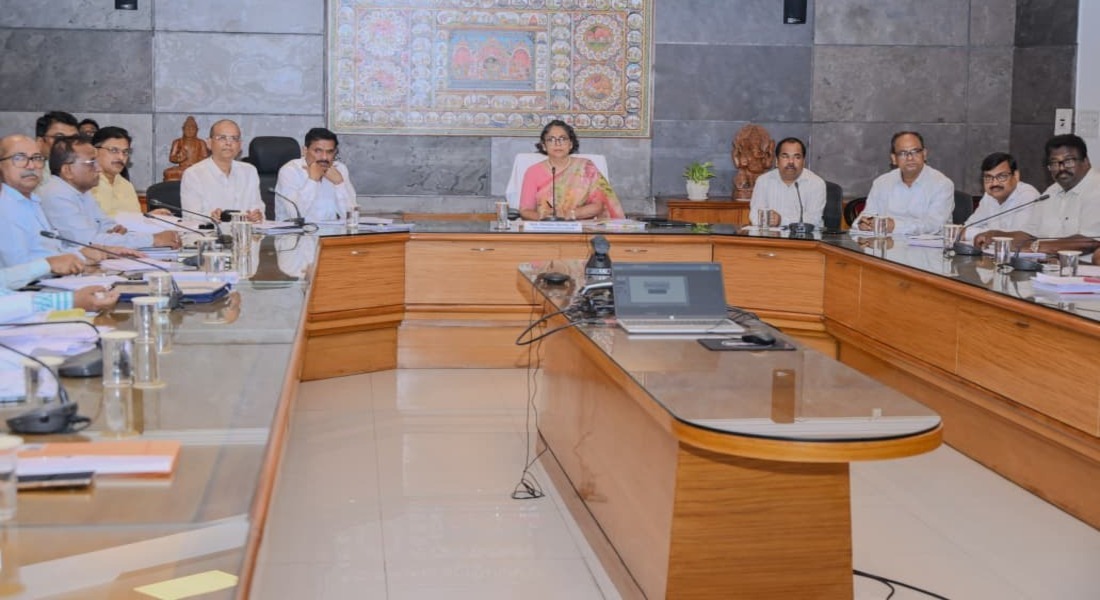
Bhubaneswar: Odisha’s Water Resources Department held a high-level review meeting on Thursday to assess ongoing infrastructure projects and budget utilisation. The meeting was chaired by Principal Secretary Shubha Sharma at the department’s conference hall.

Officials discussed the pace of development work across the water resources sector. They stressed the need for time-bound implementation of projects and effective use of allocated funds.

Senior officers were directed to expedite the execution of major irrigation, drainage, dam, barrage, and canal projects. This includes works currently under execution, those where tendering has been completed, and proposed projects. Officials were asked to monitor capital expenditure regularly.

The department called for early finalisation of pending tenders and quick issuance of work orders. It also sought faster clearance of pending approvals and Expenditure Finance Committee proposals. Officials were told to prepare realistic cost estimates and ensure budget spending is completed within the financial year.

The meeting noted that departmental spending should not be judged only by financial targets. Officials said expenditure must translate into real outcomes on the ground.

Priority was given to completing ongoing projects on time, expanding irrigation potential, and strengthening water infrastructure across the state. Officials were asked to ensure that project benefits actually reach citizens.

A presentation was made on the PM Gati Shakti portal during the meeting. Discussions also covered ways to strengthen water tax collection and improve the BAMSIS portal. Officials were instructed to make better use of the Gati Shakti platform, boost water tax collection, and enhance monitoring of departmental work through the portal.

The meeting also touched on Odisha’s nomination for the National Water Award.

Engineer-in-Chief Dilip Kumar Rout, Director of Resettlement and Rehabilitation Ashok Kumar Behera, senior officers, chief engineers, and other staff attended the meeting.

India, Japan sign maritime security pact, deepen defence ties

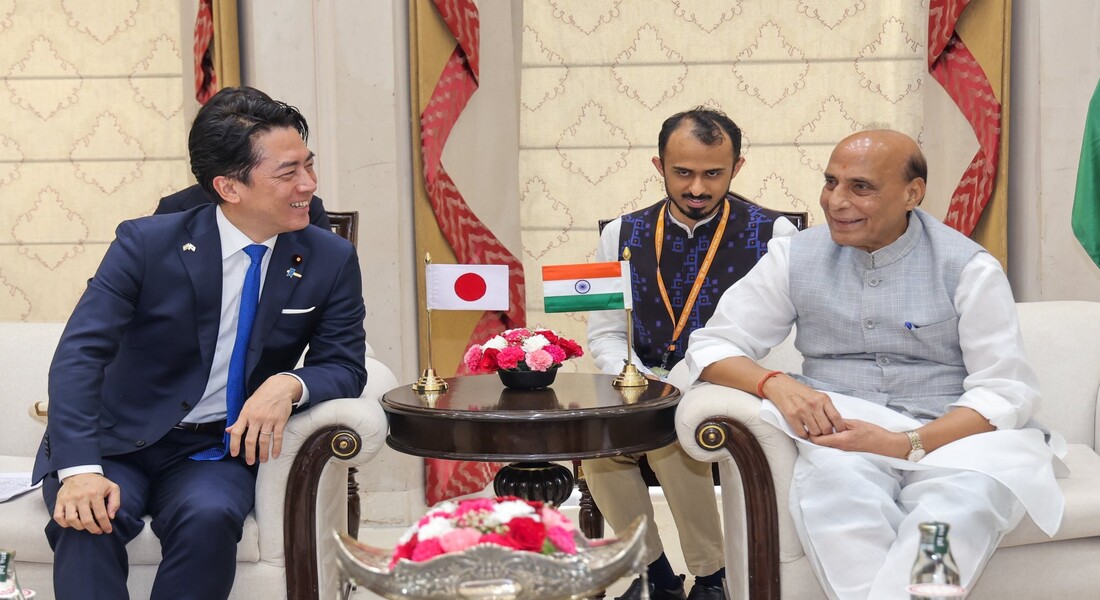
New Delhi: Defence Minister Rajnath Singh held bilateral talks with Japanese Defence Minister Shinjiro Koizumi in New Delhi on Thursday. The two ministers signed a Memorandum of Arrangement on Maritime Security Cooperation between the two countries.

The two sides said their defence cooperation had steadily strengthened under the Japan-India Special Strategic and Global Partnership. They noted this partnership remained a key pillar for peace and stability in the Indo-Pacific region, according to an official statement.

Recalling the joint statement issued by the two countries’ leaders in July 2026, the ministers reaffirmed their commitment to deepening defence ties to secure a free and open Indo-Pacific. They agreed on the importance of sharing assessments of the regional security environment amid rising global tensions.

Both ministers opposed unilateral actions that threaten freedom of navigation and overflight, as well as any attempt to change the status quo through force or coercion.

The newly signed maritime security memorandum will strengthen cooperation between the Indian Navy and the Japan Maritime Self-Defense Force. Officials said the arrangement covers information sharing on maritime domain awareness, along with expanded cooperation in search and rescue and humanitarian assistance operations. The two sides agreed to strengthen coordination for protecting sea lines of communication through naval ship visits, joint exercises, and logistical support.

The ministers agreed to move quickly on concrete maritime security cooperation. They also decided to explore joint development in naval shipbuilding, combining Japan’s technological expertise with India’s production capacity under the Make in India framework. Both sides agreed to progress on reciprocal ship repair arrangements.

The two countries welcomed the continued expansion of joint military exercises, including the Army exercise Dharma Guardian and the naval exercise JAIMEX. They highlighted progress on Veer Guardian 26, the upcoming Japan-India air force exercise, under which Japanese fighter jets will visit India for the first time.

The ministers agreed to deepen exercise cooperation by adding complexity, integrating unmanned systems, and holding joint drills at short notice when opportunities arise.

Singh welcomed Japan’s recent revision of its defence equipment and technology transfer framework. He said he expected Japan to further contribute to peace and stability across the Indo-Pacific and beyond, and voiced hope for deeper defence-technology cooperation between the two nations.

Both ministers described the shipborne UNICORN integrated communications antenna system project as a symbol of growing defence-technology cooperation, calling it the first such equipment transfer between the two countries.

They committed to working toward its early implementation. They also agreed to deepen defence research cooperation between India’s DRDO and Japan’s ATLA on advanced defence technologies, and confirmed plans to convene a Defence Industry Forum.

The two sides welcomed the first trilateral naval exercise involving India, Japan and Indonesia, held in February this year. They agreed to deepen cooperation with third countries through high-level exchanges and joint exercises to support peace and stability across the Indo-Pacific.

The ministers also agreed to expand cooperation under the Indo-Pacific Logistics Network to support partner nations during natural disasters. They noted the network’s second tabletop exercise is scheduled for September in Japan.

The two sides agreed to accelerate discussions toward holding the fourth India-Japan Foreign and Defence Ministerial or “2+2” dialogue in Tokyo this year. They further agreed to hold consultations as needed to ensure security and regional stability, and decided to set up a working group at the Director-General/Joint Secretary level to coordinate cooperation across operational, intelligence, equipment, technology and industrial domains.

Before the meeting, Koizumi paid tribute to India’s fallen soldiers at the National War Memorial in New Delhi, where he received a ceremonial Tri-Service Guard of Honour. He also visited the Western Naval Command in Mumbai and the Indian Naval Ship Chennai.

Odisha CM thanks PM Modi, Ashwini Vaishnaw for railway multi-tracking projects

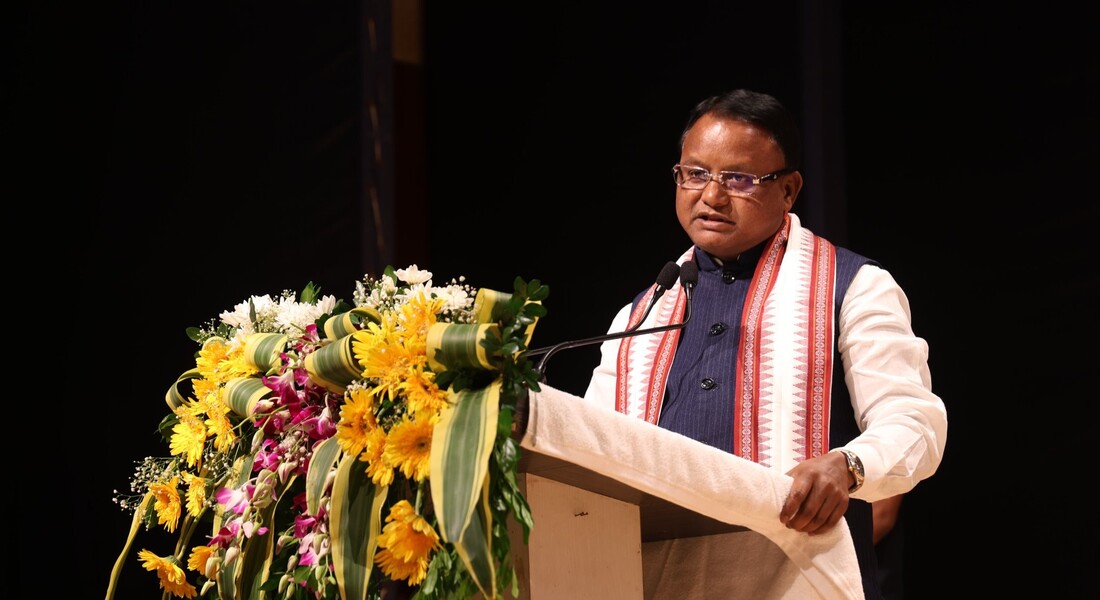
Bhubaneswar: Odisha Chief Minister Mohan Charan Majhi has thanked Prime Minister Narendra Modi and Union Railway Minister Ashwini Vaishnaw for approving four railway multi-tracking projects, three of which will substantially benefit Odisha.

The Cabinet Committee on Economic Affairs approved the projects with a total outlay of Rs 9,450 crore.

In a letter to Vaishnaw, Majhi said that the approval of the projects marked a transformative step for Odisha’s rail infrastructure.

He said the projects would decongest critical freight and passenger corridors and improve connectivity across the state’s coastal and industrial districts.

Majhi further said the enhanced railway capacity would strengthen the movement of coal, iron ore, cement, steel and food grains, which are vital to Odisha’s economy.

He also highlighted the tourism potential of improved rail connectivity.

The CM added that the projects would enhance access to destinations such as Bhitarkanika National Park, Kuldiha Wildlife Sanctuary and Chandipur Beach.

Connectivity would also improve to religious and heritage destinations, including Gada Kujanga Jagannath Temple, Dhabaleswar Temple, Sarala Temple and the Buddhist heritage site of Lalitgiri.

Majhi said the improved connectivity would give a fresh impetus to tourism, pilgrimage and local livelihoods across the region.

He further said enhanced connectivity to thousands of villages and lakhs of citizens reflected the Centre’s continued commitment to Odisha’s development under the PM Gati Shakti National Master Plan.

On behalf of the people and the government of Odisha, Majhi expressed his sincere gratitude to Prime Minister Modi and Vaishnaw for the significant investment in Odisha’s railway infrastructure and future growth.

India beat Pakistan 5-3 in Hockey World Cup thriller

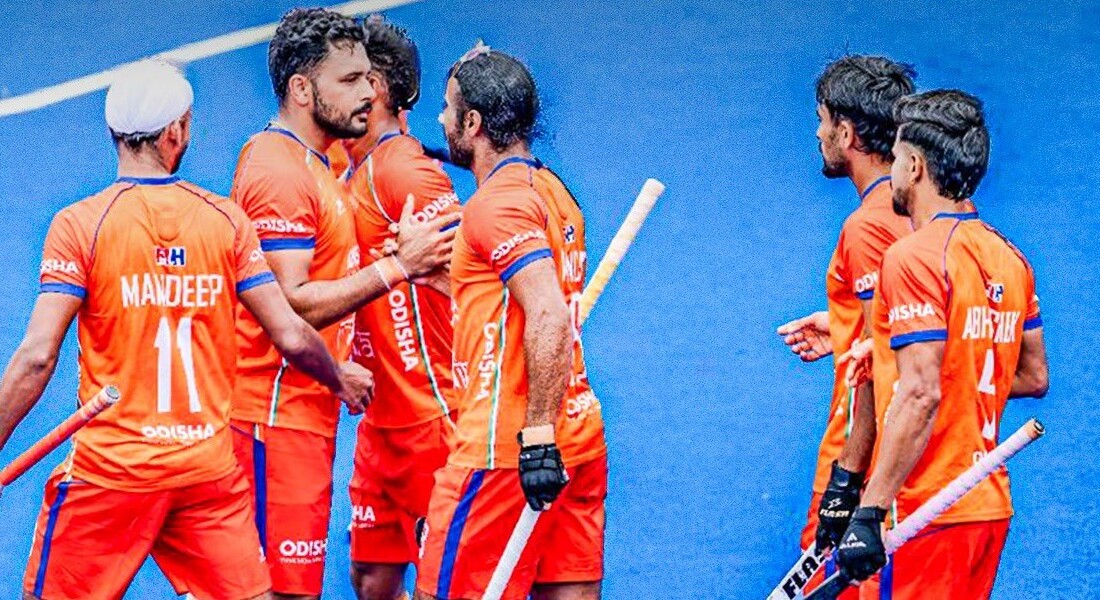
New Delhi: India defeated arch-rivals Pakistan 5-3 in a thrilling contest at the Wagener Hockey Stadium in Amstelveen, Netherlands, on Wednesday, sealing their place in the second round of the FIH Hockey World Cup 2026.

Skipper Harmanpreet Singh struck twice for India, finding the net in the 5th and 21st minutes. Forward Abhishek also scored a brace, converting chances in the 11th and 24th minutes. Hardik Singh added the fifth goal in the 35th minute, converting a penalty stroke.

For Pakistan, Hannan Shahid scored twice, in the 22nd and 46th minutes, while Sufyan Khan found the target in the 25th minute, according to olympics.com.

With the win, India progressed to Pool E of the second round, joining England and the top two finishers from Pool A – the Netherlands, Argentina, New Zealand and Japan. India and Pakistan had both competed in Pool D during the opening phase. The top two sides from Pool E will move on to the semi-finals of the tournament.

England had already secured a top-two finish in their pool and rounded off the group stage with a dominant 8-2 win over Wales earlier in the day, finishing with a perfect record.

India took an early lead, with Harmanpreet converting a penalty corner in the 5th minute after Pakistan gave away back-to-back set-pieces. Abhishek doubled India’s lead soon after, in the 11th minute, when a cross took a deflection off a Pakistani defender’s stick.

Harmanpreet extended India’s advantage to 3-0 in the 21st minute, pouncing on a rebound after Rajinder Singh’s initial penalty-corner effort was saved. Pakistan responded almost immediately through Hannan Shahid, who capitalised on a rebound in the 22nd minute after Indian goalkeeper Suraj Karkera had made consecutive saves.

Abhishek restored India’s three-goal cushion in the 24th minute, with his attempted pass deflecting into the net. Sufyan Khan pulled one back for Pakistan via a penalty corner in the 25th minute, leaving the score 4-2 at half-time.

Hardik Singh made it 5-2 early in the third quarter, scoring from a penalty stroke after Aditya Arjun Lalage was fouled inside the circle. Hannan Shahid struck moments into the final quarter again to narrow the gap to two goals, but India held their nerve to close out the win.

The match marked India and Pakistan’s first World Cup meeting since 2010, when India had won 4-1 in New Delhi. The Wagener Hockey Stadium also carries historical significance for the two sides – India beat Pakistan 1-0 there in the 1973 World Cup semi-final, with BP Govinda scoring the winner.