At IndiaVerve, we go beyond the noise to bring you meaningful stories of change, resilience and progress—from India to the world stage. Our mission is to bring readers credible, wide-ranging coverage across politics, business, sports, culture, society and more.

Nepal-Tibet flash floods: Death toll reaches 750

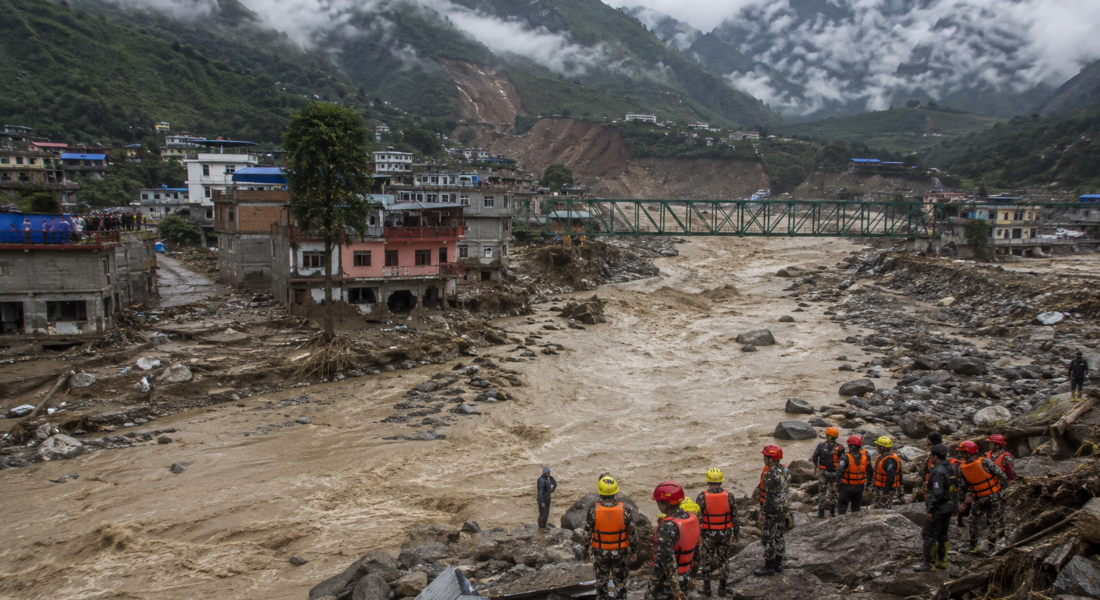
New Delhi: The death toll from catastrophic flash floods in Nepal and Tibet has reached 750, while more than 3,000 people remain missing as rescue teams face the threat of further flooding.

Chinese authorities on Sunday reported 16 deaths and 546 missing people in Tibet. Of those missing, 261 are foreign nationals. Nepal has reported 734 deaths and 2,498 missing people.

The missing foreign nationals included 104 Nepalis, 49 Indians, 33 Latvians, 18 Americans, and 15 British citizens, according to theguardian.com.

More than 3,700 people have been rescued in Nepal so far. However, rescue operations remain difficult as authorities warn of rising water levels in several rivers.

A breakthrough came late Saturday when the Nepali Army inserted a pipe into a tunnel at the Trishuli 3A hydroelectric project. Workers are believed to be trapped inside the tunnel.

Home Minister Sudan Gurung said air had already been sent through the opening and excavation work would begin to allow rescue teams to enter the tunnel.

More than 100 workers are feared to remain trapped in tunnels at hydropower projects. Rescue teams are focusing particularly on the Trishuli 3A and Trishuli 3B sites.

Nepal’s National Disaster Risk Reduction and Management Authority issued a warning on Sunday after receiving information that flood flow in the Bhotekoshi River in Rasuwa had increased further. The authority urged rescue teams to remain cautious.

The disaster has severely affected an area with extensive hydropower infrastructure. Nepal’s disaster authority has listed 933 hydropower workers among those missing. Trekkers and Hindu pilgrims travelling towards Tibet’s Mount Kailash are also among those unaccounted for.

Foreign Minister Shisir Khanal said Nepal could face a reconstruction bill running into billions of dollars. He stressed that the immediate priority remained rescuing survivors and saving as many lives as possible.

Khanal also sought specialised international assistance, including heavy-lift drones and technology capable of locating people trapped beneath debris. He further called for forensic testing kits to help identify recovered bodies and freezer units to preserve them.

The flash floods sent huge volumes of ice and mud through affected areas and created large water bodies. One of the newly formed lakes has emerged as a potential source of further flooding.

The foreign ministers of Nepal and China spoke on Saturday and discussed sharing satellite and hydrological data to support rescue and disaster management efforts.

In Tibet, rescue operations at the worst-hit area of Gyirong were temporarily suspended because of concerns over further flooding from a newly formed lake.
India, Uzbekistan agree on long-term uranium supply arrangement

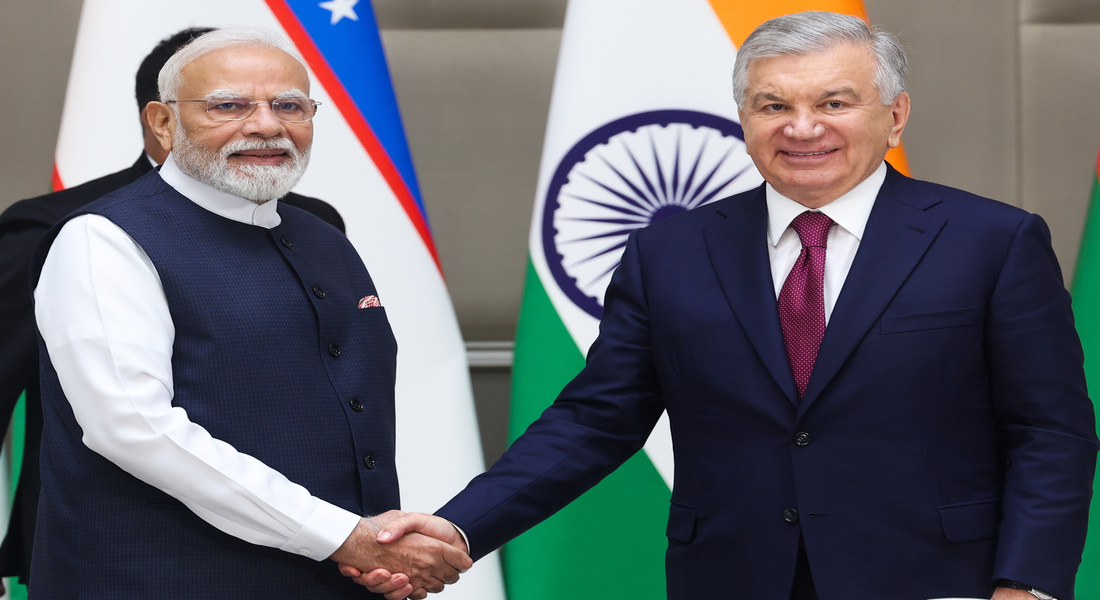
New Delhi: India and Uzbekistan have agreed to establish a long-term arrangement for uranium supplies, marking a significant development in bilateral cooperation as Prime Minister Narendra Modi concluded his visit to the Central Asian country.

The announcement was made by PM Modi after his meeting with Uzbek President Shavkat Mirziyoyev. The proposed uranium arrangement is expected to support India’s long-term nuclear energy requirements and strengthen cooperation between the two countries in the nuclear energy sector.

The two sides also discussed expanding cooperation in urban development, trade, tourism and people-to-people ties. Modi said India and Uzbekistan were finalising three sister-city and sister-state agreements and stressed the need for a clear roadmap to ensure that these partnerships translate into tangible outcomes.

Urban development also featured prominently in the discussions. Uzbekistan is developing New Tashkent, a major new urban project, and Modi highlighted Gujarat’s GIFT City as a possible model for the country to study. He also offered to host an Uzbek delegation to understand the planning, technology and implementation aspects of the project.

Trade between India and Uzbekistan has also reached a new milestone. Mirziyoyev said bilateral trade crossed $1 billion last year for the first time, describing India as a “reliable strategic partner”. He also said the number of joint ventures between the two countries had increased sevenfold compared with a few years ago.

Connectivity and tourism are emerging as another important area of bilateral engagement. There are currently 14 direct flights a week between India and Uzbekistan. In a further move expected to boost travel and business ties, Uzbekistan is set to waive visa requirements for Indian citizens travelling for stays of up to 30 days.

The Uzbek president said the visa-free arrangement would promote tourism, business travel and broader people-to-people contacts between the two countries.

Cultural exchanges have also contributed to closer ties. Mirziyoyev highlighted the role of the Lal Bahadur Shastri Centre for Indian Culture and the Mahatma Gandhi Centre for Indian Studies in strengthening cultural relations. Yoga has also gained popularity in Uzbekistan, which established a national Yoga Federation in 2018 and hosted a regional yoga festival in June.

India and Uzbekistan currently cooperate across several areas, including trade, investment, education, pharmaceuticals, information technology and culture. The latest agreements and proposals add nuclear energy and urban development to the expanding bilateral agenda.

The developments come as India seeks to deepen its engagement with Central Asia. The long-term uranium supply arrangement, growing trade, increased air connectivity and proposed visa-free travel collectively point to a broadening relationship between the two countries.

Modi’s visit to Tashkent concludes on August 30, following which he is scheduled to travel to Bishkek for the Shanghai Cooperation Organisation summit.

“Prime Minister will address the Summit, where he will highlight India’s priorities of Security, Connectivity and Opportunity at the forum. The Prime Minister will also hold bilateral meetings with the SCO leaders on the sidelines of the Summit. He will also attend the Opening Ceremony of the 6th World Nomad Games, a celebration of the rich cultural heritage of Central Asia,” said a statement from the ministry of external affairs.

Chief Secretary Anu Garg calls for data-based monitoring of social sector schemes

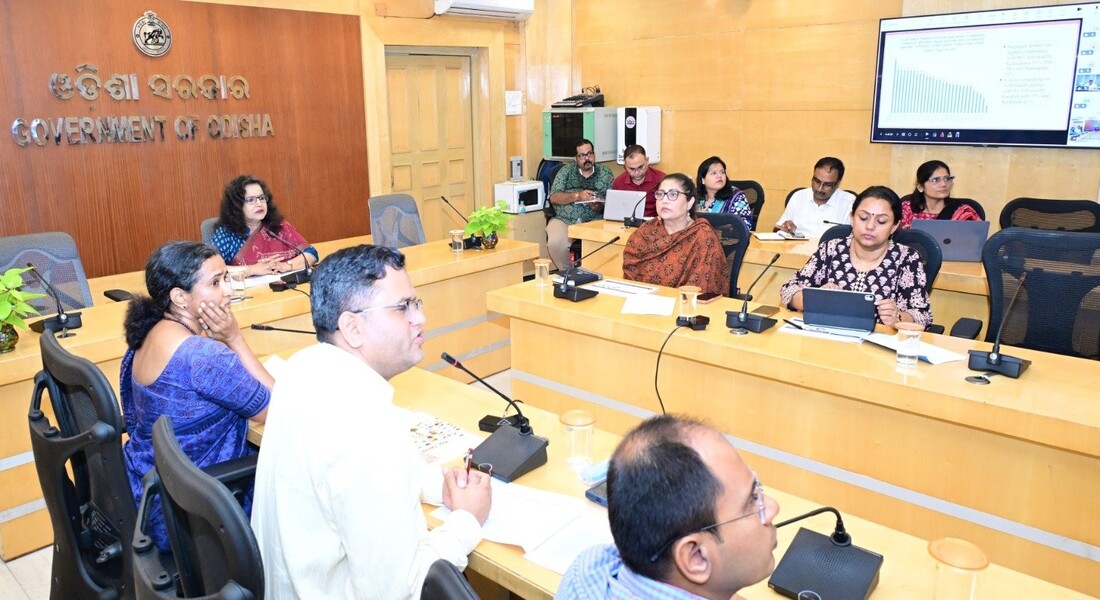
Bhubaneswar: Odisha Chief Secretary Anu Garg has called for stronger data-based monitoring, better coordination between departments and continuous follow-up to improve social sector schemes at a ‘Prayas’ meeting held at Lokseva Bhawan.

Garg reviewed indicators related to the School and Mass Education, Health and Family Welfare, and Women and Child Development departments during the meeting. She also stressed resolving district-level problems through regular monitoring and follow-up.

Departmental Directors and senior officers attended the meeting. Secretaries of the Women and Child Development, School and Mass Education, Health and Family Welfare, Scheduled Tribes, Scheduled Castes Development, and Minorities and Backward Classes Welfare departments participated in the review. All Revenue Divisional Commissioners and Collectors joined virtually.

The review of the Women and Child Development Department focused on improving child and maternal nutrition. The meeting stressed ensuring nutrition security at the family level through adequate food along with proteins, fats and other essential nutrients.

A coordinated approach involving nutrition gardens, homestead cultivation of vegetables and fruits, seedling distribution and the supply of fresh vegetables through self-help groups was emphasised.

Regular monitoring is also being undertaken to improve nutrition levels at Anganwadi centres across Odisha. The department said measures such as monitoring children’s physical growth, regular home visits, distribution of nutritious food and skill development of Anganwadi workers are being strengthened.

In the education sector, the meeting reviewed efforts to improve children’s Foundational Literacy and Numeracy skills at the primary level. The School and Mass Education Department discussed strengthening regular monitoring of classroom teaching, use of teaching materials and assessment of children’s learning outcomes.

The Health and Family Welfare Department review focused on reducing maternal and newborn mortality, improving newborn treatment and strengthening infection prevention and control.

The department reported that the state’s newborn mortality rate declined between January and July 2026. It also highlighted successful cases of newborn care, including a 500-gram baby treated at the Nabarangpur District Headquarters Hospital who returned home healthy after 78 days, weighing 1.6 kg.

A premature baby born weighing 900 grams at Baripada District Headquarters Hospital was also discharged healthy following treatment.

The meeting further reviewed infection prevention and control measures at health institutions. These include hand hygiene, hospital cleanliness, biomedical waste management and the use of protective equipment.

The department said identified gaps are being addressed through regular inspections, staff retraining and continuous monitoring. For the next ‘Prayas’ review, regular data-based departmental meetings have been standardised across all 30 districts.

The meeting also stressed fixed-day health check-ups for pregnant women, identification and follow-up of high-risk pregnancies, and continuous monitoring of infection prevention systems at health institutions.

Under the 100-day campaign of the TB-Free India Campaign, a state-wide X-ray screening drive will begin from September 1. Collectors have been tasked with maximising the use of available X-ray machines, organising screening camps in remote areas and ensuring daily monitoring and reporting.

District authorities have also been directed to identify household contacts of TB patients for preventive treatment after X-ray screening. Other vulnerable groups linked to TB patients are also to be covered, while eligible beneficiaries will be provided nutritional support promptly.

The Angul Collector said improved medical services, preparations for expectant mothers, practical changes in hospitals and regular monitoring had helped reduce maternal mortality in the district.

The Rayagada Collector highlighted comprehensive anaemia screening among school students and regular distribution of iron-folic acid tablets, which had contributed to an improvement in students’ health condition.

The meeting emphasised making social sector services more effective and people-oriented through data-based monitoring, inter-departmental coordination, grassroots-level accountability and time-bound resolution of identified gaps.

NISER director urges students to balance study, health and discipline

Bhubaneswar: Students should take greater responsibility for their academic and personal growth and maintain a healthy balance between study, sleep, food, and physical activity, the National Institute of Science Education and Research Director, Prof. Hirendranath Ghosh, said.

He was speaking at the Central University of Odisha’s (CUO) 18th Foundation Day celebration in Sunabeda.

Ghosh, the chief guest at the event, advised students to spend more time studying instead of being excessively engaged with mobile phones. He urged them to make proper use of available opportunities, take notes in class, and maintain discipline during their formative years.

He also stressed the need for basic science departments in universities to support scientific institution-building. Ghosh expressed hope that CUO would emerge among the top 10 Central Universities and encouraged students to explore advanced scientific training opportunities, including the BARC Training School, according to an official statement.

Recalling the contribution of scientists from rural and tribal backgrounds, Ghosh highlighted how many leading scientists have emerged from villages. He referred to Prof. Mohanty of the Atomic Energy Commission in this context.

Ghosh also introduced a presentation on “Quantum Dots: A New Era in Optoelectronics”, connecting contemporary scientific developments with the recognition of quantum dots through the 2023 Nobel Prize in Chemistry.

The Foundation Day was celebrated at its Main Campus in Sunabeda. The programme began with the National Song, followed by the hoisting of the CUO Flag by Vice-Chancellor Prof. (Dr.) Ajit Kumar Shasany.

In his presidential address, Shasany stressed discipline, skills and holistic education. He urged students to reflect on their aim in life and highlighted the importance of integrating science with literature and skill-based education.

Shasany also highlighted the potential of tribal diversity, biodiversity and Artificial Intelligence in strengthening the university’s academic vision. He referred to the Blue Economy, Green Economy and Blockchain while outlining his vision for taking CUO to the global stage.

The vice-chancellor said the university aimed to increase its student strength to 5,000 and strengthen its Skill Centre. He also emphasised campus life, sports and fitness and sought support from HAL and NAD.

Padma Shri Gobardhan Panika, the Guest of Honour, spoke about the importance of tradition, karma and continuity across generations. Drawing on his experience of struggle and perseverance, he stressed that success requires sustained effort and resilience.

Prof. Hrushikesh Senapaty, Vice-Chancellor of Vikram Dev University, Jeypore, highlighted reforms under the National Education Policy. He spoke about the importance and challenges of outcome-based education.

Koraput MLA Raghuram Machha thanked the Ministry of Education for its support to CUO. He said educational institutions should function as workshops for creating capable human beings.

Registrar (I/c) Dr Sanjay Kumar Pradhan delivered the welcome address. The message of the President of India was read by Dr Nirjharini Tripathy, while the message of the governor of Odisha was read by Dr Pradosh Kumar Rath.

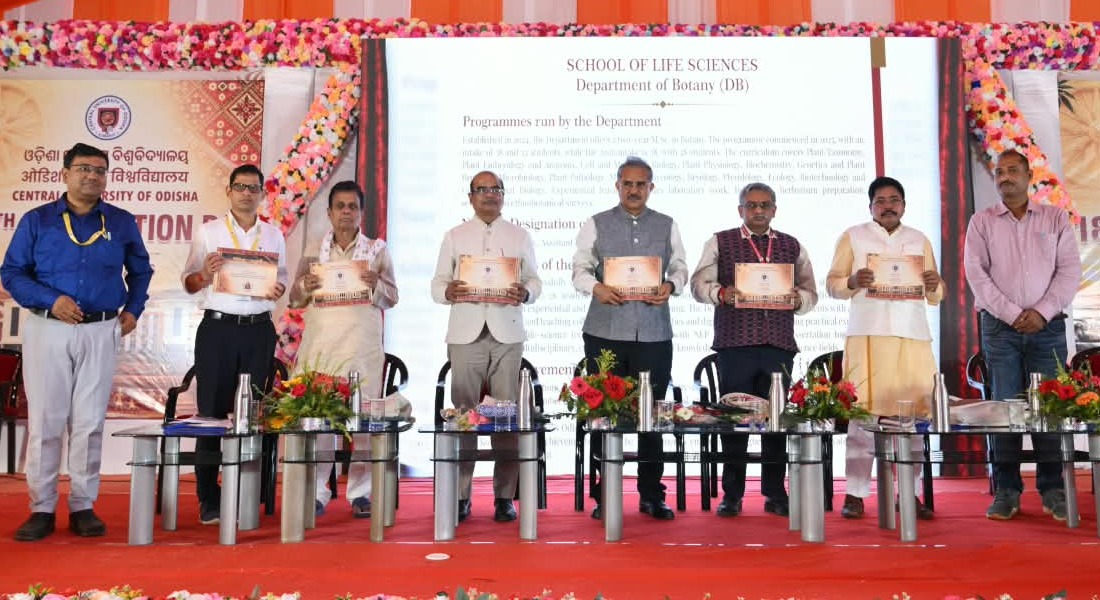
A coffee table book titled “CUO at a Glance”, presenting an overview of the university’s academic profile and achievements, was released during the programme.

The event concluded with the vote of thanks proposed by Prof. Rathikanta Kumbhar, Head of the Department of Economics and Coordinator. Dr Ramendra Parhi coordinated the 18th Foundation Day programme.

Odisha honours sporting achievers on National Sports Day

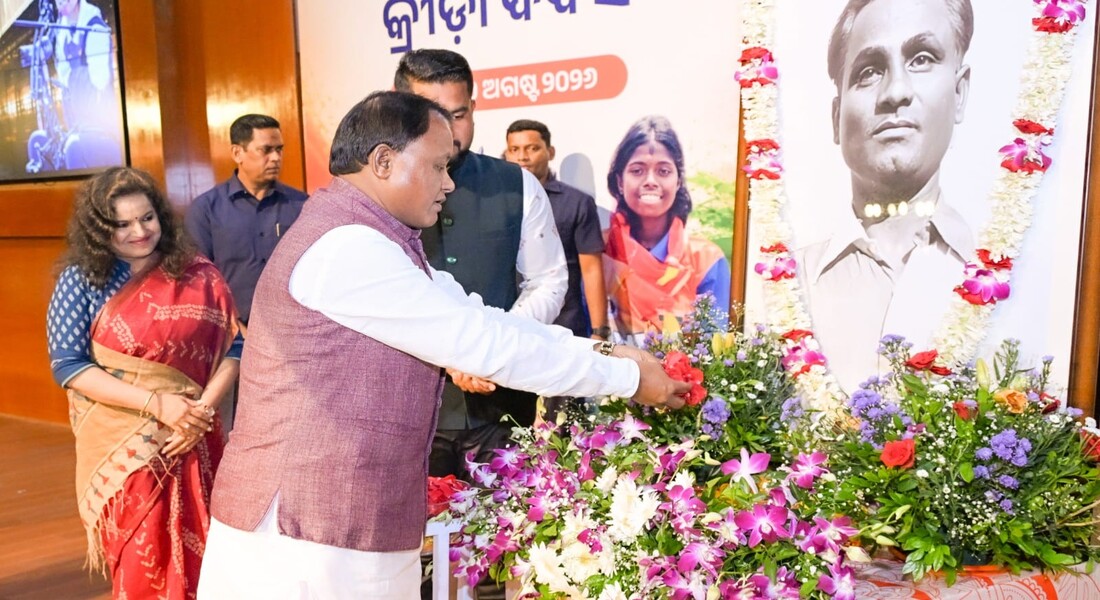
Bhubaneswar: Odisha Chief Minister Mohan Charan Majhi on Saturday called for a renewed sporting culture in the state and urged young people to draw inspiration from hockey legend Major Dhyan Chand.

Majhi made the remarks at the state-level National Sports Day celebration at the Convention Centre in Lok Seva Bhawan, Bhubaneswar. He also conferred the Biju Patnaik Sports and Adventure Awards on sportspersons, coaches, journalists, technical officials and adventurers.

Paying tribute to Major Dhyan Chand on his birth anniversary, Majhi extended his greetings to the people of Odisha. He urged the state’s youth to follow Dhyan Chand’s philosophy of focusing on what one can do for the country.

Referring to the national theme, “Khelega Bharat, Jeetega Bharat”, Majhi called for adopting the resolve “Khelibo Odisha, Jitibo Odisha”. He further said the vision would help Odisha establish itself as the sporting capital of the world.

Highlighting Odisha’s sporting transformation through the “Padia ru Podium” vision, Majhi said the state had emerged as a major sporting power in India.

He said the government was committed to developing world-class sports infrastructure and training facilities for children. Ultra-modern stadiums are being constructed across 314 blocks at a cost of Rs 4,124 crore, he said.

Majhi also highlighted the world-class sports complex being developed at Gothapatna in Bhubaneswar and the Baji Rout Regional Sports Hub in Dhenkanal. Five other regional sports hubs are also being developed, he said.

The CM said the CM Trophy was being introduced to bring rural sporting talent to the forefront. He said the initiative would treat sports as a tool for social change rather than merely as a competition.

Under the initiative, sports equipment is being distributed to youth in 485 villages across 10 Maoist-affected districts.

Majhi also announced that Odisha would become the first state in India to host the 2028 Asian and World Athletics Indoor Championships.

During the ceremony, Soumya Ranjan Behera of Nayagarh district received the Biju Patnaik Adventure Award. Posthumous Biju Patnaik Adventure Awards were conferred on the late Nilamadhab Panda and Sunil Kumar Rai of Jajpur district.

The Biju Patnaik Sports Awards were presented in several categories.

Pranati Mishra received the award for lifetime dedication to sports, while Shakti Prasad Nanda was recognised for excellence in sports journalism.

Loma Swain was honoured for outstanding sporting performance, while Gopal Krishna Das received the award for best coach.

Suchitra Parida was recognised as the best para-athlete, while Prateek Maharana and Payal Nag received the awards for best emerging athletes.

Prabodh Kumar Mohanty was honoured as the best technical officer. Samaleswari Sporting Club of Sambalpur received the award for best sports promotion organisation. Club President and Sambalpur MLA Jayanarayan Mishra accepted the award.

Sports and Youth Services Minister Suryabanshi Suraj also paid tribute to Major Dhyan Chand. He said discipline, dedication, and skill were essential to turning an ordinary player into a great athlete.

Suraj urged athletes to draw inspiration from Dhyan Chand’s commitment to the sport. He also advised children to reduce screen time and spend more time participating in sports.

Chief Secretary Anu Garg highlighted the achievement of para-archer Payal Nag of Balangir district. She noted that Nag had won a gold medal despite not having hands and described her achievement as an inspiration to all.

Garg said physical fitness was equally important for building a prosperous Odisha. She added that the state government’s Fit Odisha Mission would be strengthened from the gram panchayat to the municipality level.

Commissioner-cum-Secretary of the Sports and Youth Services Department, Bhupendra Singh Poonia, delivered the welcome address. Department director Dr Yedula Vijay proposed the vote of thanks.