
New Delhi: India and Uzbekistan have agreed to establish a long-term arrangement for uranium supplies, marking a significant development in bilateral cooperation as Prime Minister Narendra Modi concluded his visit to the Central Asian country.
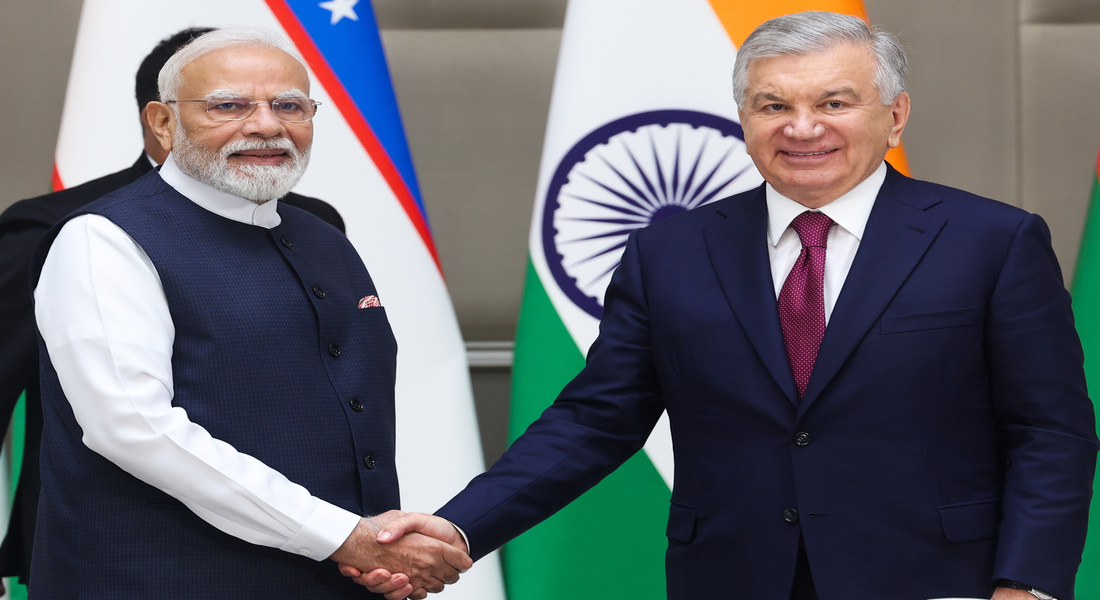
The announcement was made by PM Modi after his meeting with Uzbek President Shavkat Mirziyoyev. The proposed uranium arrangement is expected to support India’s long-term nuclear energy requirements and strengthen cooperation between the two countries in the nuclear energy sector.
The two sides also discussed expanding cooperation in urban development, trade, tourism and people-to-people ties. Modi said India and Uzbekistan were finalising three sister-city and sister-state agreements and stressed the need for a clear roadmap to ensure that these partnerships translate into tangible outcomes.
My remarks during meeting with President Shavkat Mirziyoyev.@president_uz pic.twitter.com/fcZ1cAhse2
— Narendra Modi (@narendramodi) August 30, 2026
Urban development also featured prominently in the discussions. Uzbekistan is developing New Tashkent, a major new urban project, and Modi highlighted Gujarat’s GIFT City as a possible model for the country to study. He also offered to host an Uzbek delegation to understand the planning, technology and implementation aspects of the project.
Trade between India and Uzbekistan has also reached a new milestone. Mirziyoyev said bilateral trade crossed $1 billion last year for the first time, describing India as a “reliable strategic partner”. He also said the number of joint ventures between the two countries had increased sevenfold compared with a few years ago.
Connectivity and tourism are emerging as another important area of bilateral engagement. There are currently 14 direct flights a week between India and Uzbekistan. In a further move expected to boost travel and business ties, Uzbekistan is set to waive visa requirements for Indian citizens travelling for stays of up to 30 days.
The Uzbek president said the visa-free arrangement would promote tourism, business travel and broader people-to-people contacts between the two countries.
Cultural exchanges have also contributed to closer ties. Mirziyoyev highlighted the role of the Lal Bahadur Shastri Centre for Indian Culture and the Mahatma Gandhi Centre for Indian Studies in strengthening cultural relations. Yoga has also gained popularity in Uzbekistan, which established a national Yoga Federation in 2018 and hosted a regional yoga festival in June.
India and Uzbekistan currently cooperate across several areas, including trade, investment, education, pharmaceuticals, information technology and culture. The latest agreements and proposals add nuclear energy and urban development to the expanding bilateral agenda.
The developments come as India seeks to deepen its engagement with Central Asia. The long-term uranium supply arrangement, growing trade, increased air connectivity and proposed visa-free travel collectively point to a broadening relationship between the two countries.
Modi’s visit to Tashkent concludes on August 30, following which he is scheduled to travel to Bishkek for the Shanghai Cooperation Organisation summit.
“Prime Minister will address the Summit, where he will highlight India’s priorities of Security, Connectivity and Opportunity at the forum. The Prime Minister will also hold bilateral meetings with the SCO leaders on the sidelines of the Summit. He will also attend the Opening Ceremony of the 6th World Nomad Games, a celebration of the rich cultural heritage of Central Asia,” said a statement from the ministry of external affairs.