At IndiaVerve, we go beyond the noise to bring you meaningful stories of change, resilience and progress—from India to the world stage. Our mission is to bring readers credible, wide-ranging coverage across politics, business, sports, culture, society and more.

Rahul Gandhi warns CEC Gyanesh Kumar of removal at INDIA Bloc rally, BJP hits back

New Delhi: Congress leader Rahul Gandhi on Sunday launched a sharp attack on the Election Commission and the BJP at an INDIA bloc rally against the Special Intensive Revision (SIR) of electoral rolls at Delhi’s Ramlila Maidan.

Addressing the gathering, he warned that Chief Election Commissioner Gyanesh Kumar would be removed from office and jailed over alleged irregularities in the country’s electoral process.

The Leader of the Opposition in the Lok Sabha said Kumar would be held accountable for what he described as the theft of people’s votes and an attempt to undermine the democratic voice of the country.

Gandhi asserted that his prediction about the Chief Election Commissioner would eventually come true and urged citizens, particularly young people, to take note of his warning.

He alleged that the electoral process had been manipulated to influence election outcomes and accused the Chief Election Commissioner of playing a central role in the alleged wrongdoing. Gandhi claimed that Narendra Modi would not have become Prime Minister and Amit Shah would not have assumed the office of Home Minister without Kumar’s involvement.

Describing the alleged manipulation of elections as a serious assault on democracy, Gandhi maintained that the issue went beyond an ordinary electoral irregularity, as it involved depriving citizens of their voting rights and silencing their voices.

Reiterating the supremacy of the Constitution, the Congress leader said no individual, regardless of wealth or political influence, could place themselves above the country’s constitutional framework.

Gandhi also warned that the Congress would pursue legal action against those it held responsible for the alleged electoral manipulation. He said the opposition would continue its political fight against Prime Minister Narendra Modi and Home Minister Amit Shah, adding that the party’s action would not stop with the Chief Election Commissioner.

The Congress leader further alleged that vote theft had taken place in several Assembly elections, including those in Madhya Pradesh, Haryana, Chhattisgarh, Maharashtra and Karnataka, as well as the 2024 Lok Sabha elections.

He claimed that electoral manipulation had been carried out through Electronic Voting Machines (EVMs) and alterations to voter lists, including the deletion and addition of names. Gandhi also alleged that 15 per cent of India’s voters had been removed from electoral rolls after the 2024 general elections, describing the poll process as illegal and stolen.

Apart from the electoral controversy, Gandhi raised concerns over unemployment, farmers’ difficulties and the rights of labourers. He alleged that farmers were not receiving their due, young people were struggling to find employment, and workers were being denied their rightful entitlements.

He also criticised the concentration of the country’s wealth among a handful of individuals, arguing that such economic inequality was incompatible with the kind of India the opposition wanted to build.

However, the BJP strongly rejected the opposition’s allegations and launched a counterattack over the rally.

Union Minister JP Nadda dismissed the INDIA bloc’s protest as a foolish political spectacle and argued that the rally would further weaken the Congress’s already declining political prospects.

Home Minister Amit Shah also targeted Gandhi, suggesting that if he aspired to become Prime Minister, he should remain in a mock Parliament throughout his life. Shah further asserted that Gandhi would never get an opportunity to occupy the country’s highest executive office.

The BJP also questioned the INDIA bloc’s ability to mobilise supporters for the Ramlila Maidan gathering. In social media posts, the party claimed that the Congress had failed to fill the venue, despite its stated capacity of 50,000 people.

BJP leaders shared videos purportedly showing vacant chairs and people leaving the venue while Gandhi was addressing the rally. Party leader Pradeep Bhandari alleged that attendees were walking away during the Congress leader’s speech and described the gathering as a flop show.
Cyclone Arnab: Odisha steps up restoration work as floods affect over 1.18 lakh people

Bhubaneswar: Odisha has intensified relief, restoration and rehabilitation operations following Cyclone Arnab and the subsequent floods, with Ganjam and Kandhamal emerging as the worst-affected districts.

The administration has evacuated thousands of people, restored essential services and mobilised emergency teams to bring normal life back on track.

Special Relief Commissioner (SRC) Rajesh Prabhakar Patil on Sunday said the government was taking measures on a war footing to address the situation and ensure assistance to affected people across the state.

According to the SRC, a total of 1,18,730 people have been affected by the cyclone and subsequent floods. Kandhamal district reported three deaths, while the administration evacuated 75,855 people to safer locations as part of its precautionary and rescue operations.

As many as 396 relief camps have been opened to accommodate the evacuated population and provide necessary assistance. Special attention has also been given to pregnant women in the affected areas. A total of 807 pregnant women were shifted to safer places, of whom 399 have since delivered babies.

The disaster has also caused extensive damage to agriculture and housing. Crop damage has been reported across 75,388 hectares, while 1,672 houses have been damaged in the affected areas.

Power restoration gathers pace in Southern Odisha

Restoration of electricity supply has been a major priority, particularly in cyclone-hit areas of Southern Odisha. More than 6,400 personnel have been deployed to expedite repair and restoration work.

According to the SRC, electricity supply has been fully restored in Boudh, Malkangiri and Rayagada districts, as well as Berhampur city. Overall, more than 96% of power supply has been restored across Southern Odisha.

Efforts are also underway to normalise drinking water supply, which remains a concern in parts of the affected region.

In Berhampur, against the city’s daily water requirement of 90 million litres per day (MLD), the current supply stands at 70 MLD. To bridge the shortfall, 20 water tankers have been deployed to provide supplementary drinking water.

The administration has also undertaken disinfection and restoration of drinking water sources in the affected areas. A total of 2,575 tubewells and 162 rural piped water supply projects have been disinfected and made operational.

In addition, lakhs of drinking water bottles and pouches have been distributed among people.

To restore normal water supply, construction of a sand bund at Janibali is progressing on a war footing. Around 120 workers and three Poklain machines have been engaged in the work.

Fresh weather alert, coastal areas under watch

Meanwhile, the government is keeping a close watch on the weather system developing over the Bay of Bengal. The deep depression formed over the Bay is expected to cross the Andhra Pradesh coast by November 3.

The India Meteorological Department (IMD) has issued an alert for the Andhra Pradesh coast, prompting the authorities to step up preparedness in vulnerable areas. Instructions have been issued at the government level to ensure immediate and effective measures to deal with the evolving cyclone and rainfall situation.

The administration has been asked to closely monitor vulnerable regions and remain prepared to evacuate people from low-lying and high-risk coastal areas to safer locations.

Disaster response forces have been kept ready, while arrangements are being made for relief camps, drinking water and emergency medical services. Fishermen have been strictly warned against venturing into the sea in view of the extremely rough sea conditions.

The state government is maintaining close surveillance over the situation and has directed the concerned authorities to remain prepared for any eventuality.

Berhampur Forest Division rescues 10 blackbucks

Amid the ongoing relief and restoration operations, the Berhampur Forest Division has also reported a successful wildlife rescue operation, safely rescuing 10 blackbucks from flood-hit Balia village under Khallikote Range during Cyclone Arnab.

The rescue was made possible by advance preparations undertaken by the forest division, which had put in place special arrangements to protect wildlife and ensure public safety during the cyclone.

As part of its preparedness measures, the division established a 24-hour control room at its headquarters, while round-the-clock control rooms were also operated at all range levels. Special emergency response teams comprising range officers and field staff were constituted in four ranges to respond swiftly to emergencies.

These teams worked in coordination with the SDM, Odisha Forest Development Corporation and other concerned departments.

Wildlife movement and vulnerable areas were monitored continuously, with rescue and assistance measures undertaken wherever necessary. The coordinated response also helped clear roads, remove uprooted trees and restore road connectivity in affected areas.

The rescue of the 10 blackbucks from Balia village was one of the notable outcomes of these preparations. Following their rescue, the animals received necessary veterinary treatment and underwent health checks.

After being declared healthy, they were released into a suitable forest habitat near Baniya village in Chikiti Beat under Khallikote Section.

The forest division said the successful rescue and release highlighted the importance of advance preparedness, interdepartmental coordination and the efforts of frontline forest personnel during natural disasters.

It has reaffirmed its commitment to strengthening wildlife protection and disaster preparedness through timely intervention and coordinated action.

The forest division has also appealed to the public to immediately inform the concerned control rooms about trees fallen on roads, traffic obstructions or wildlife found in distress. People have been advised to maintain a safe distance from affected areas and endangered animals, allowing trained personnel to undertake rescue operations.

With restoration of essential services, relief for displaced families, and protection of wildlife continuing alongside preparations for the approaching weather system, the state administration remains focused on managing the aftermath of Cyclone Arnab and ensuring public safety.

Brahmapur receives 70 MLD water as Odisha steps up efforts to restore Janivili Intake

Bhubaneswar: The Odisha government has intensified emergency measures to restore normal water supply in Brahmapur following the impact of the cyclone, with restoration work at the Janivili Intake being carried out on a war footing.

Meanwhile, alternative arrangements have been put in place to ensure continued water supply to residents in affected areas.

According to the Housing and Urban Development Department’s status report as of 10 AM, Brahmapur is currently receiving 70 million litres per day (MLD) against its daily requirement of 90 MLD. Of the total supply, 64 MLD is being sourced from surface water, while another 6 MLD is being supplied through 15 production wells mobilised as an emergency measure.

To strengthen distribution, 20 water tankers, including 12 private tankers, have been deployed to meet the requirements of affected localities. The arrangements are aimed at minimising inconvenience to consumers until the regular supply system is fully restored.

The department has also stepped up measures to ensure the safety and quality of drinking water during the post-cyclone period. Enhanced chlorination is being maintained at treatment plants, with pre-chlorination at 4 parts per million (ppm) and post-chlorination at 10 ppm.

An additional 2 ppm chlorination is being ensured in tail-end distribution zones to maintain water quality and safeguard public health.

While restoration efforts continue in Berhampur, water supply in Hinjilicut and Gopalpur is functioning smoothly, according to the department.

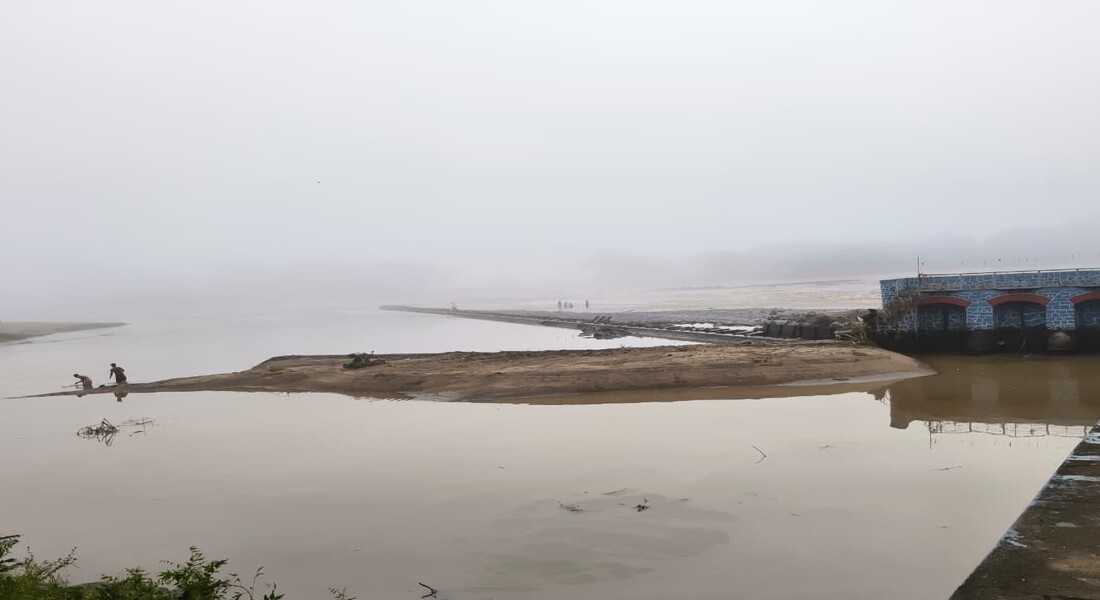
The restoration of the Janivili Intake has been accorded top priority as it remains central to normalising water supply in the city. As an immediate intervention, the department has undertaken temporary ponding arrangements through the construction of a sandbag barrier across Connecticut Nala near the intake point.

The temporary structure is intended to restrict the flow of water and create conditions necessary for restoring the intake infrastructure.

Construction of the sand bund began at 5 AM on November 1, with around 120 labourers, three excavators and two tractors deployed for the operation. Approximately 20,000 sandbags are proposed to be placed to create the temporary barrier.

The department has also made arrangements for the transportation of construction materials, power supply, lighting, accommodation, food, and drinking water for the workforce. These facilities are intended to ensure that restoration work continues without interruption, including during night hours.

The operation is being carried out in coordination with field-level teams to complete the temporary barrier at the earliest. Once the required restriction of water flow is achieved, cleaning, repair and restoration of the Janivili Intake will be taken up immediately.

The emergency response and restoration operations are being closely monitored by Additional Chief Secretary of the Housing and Urban Development Department Usha Padhee, Director of Municipal Administration Arindam Dakua and WATCO Managing Director Debabrata Mohanty. They are coordinating with field officials to oversee the implementation of emergency measures, expedite the restoration of the intake infrastructure and facilitate the early normalisation of water supply in Berhampur.

The department has extended additional administrative and operational support to Berhampur Municipal Corporation and other Urban Local Bodies to strengthen field-level coordination and accelerate restoration activities. Additional officials have been deployed, while ULBs have been authorised to utilise available financial resources as required for emergency response and restoration work.

The Directorate of Municipal Administration is also closely monitoring the situation and coordinating with the concerned authorities to ensure timely intervention.

The Housing and Urban Development Department said continuous supervision was being maintained over all restoration activities, with emphasis on augmenting water supply through alternative sources, maintaining drinking water quality, and expediting the restoration of the Janivili Intake.

With 70 MLD currently being supplied against the city’s daily demand of 90 MLD, the immediate focus remains on sustaining alternative water arrangements and completing the intake restoration work to bring Berhampur’s water supply system back to normal at the earliest.

Quad ministers pledge over USD 85 million in AI assistance, strengthen Indo-Pacific cooperation

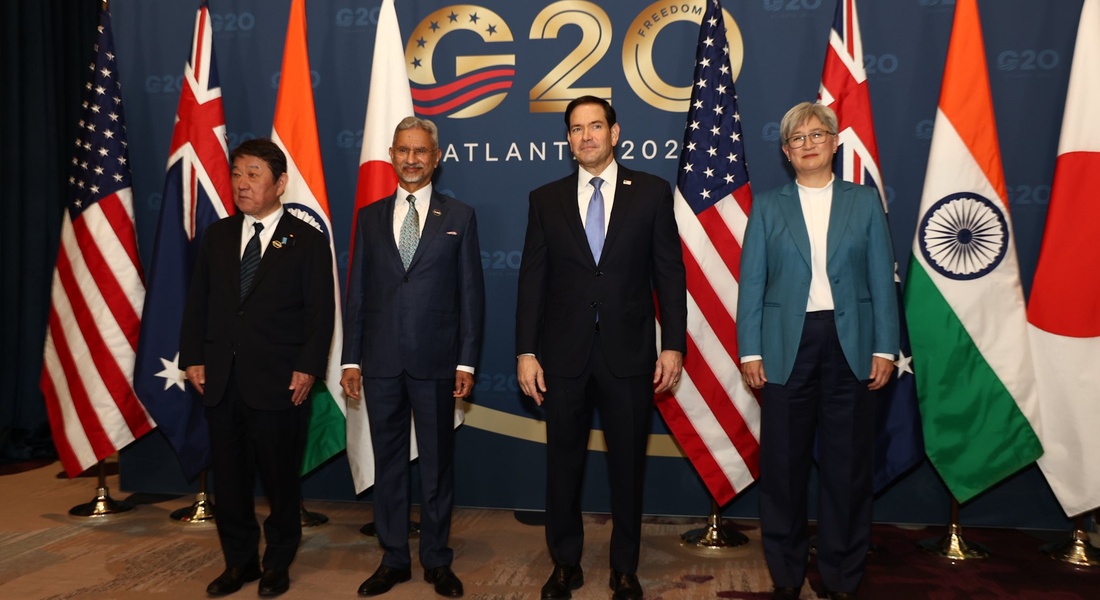
New Delhi: The Quad countries have expressed their intention to provide more than USD 85 million in technical and financial assistance to promote access to trusted artificial intelligence across the Indo-Pacific, while stepping up cooperation on economic security, critical minerals, maritime surveillance and emerging technologies.

The commitment was announced in a joint statement following a meeting of the foreign ministers of India, Australia, Japan, and the US Secretary of State in Atlanta, Georgia, on Saturday.

The ministers reviewed progress on ongoing Quad initiatives and reaffirmed their commitment to a free and open Indo-Pacific, the External Affairs Ministry said in a press release.

The ministers underscored the importance of economic security in maintaining global stability and prosperity, stressing the need for reliable and open global supply chains and trusted, resilient infrastructure.

They also expressed grave concerns over economic coercion, including arbitrary export restrictions and non-market policies and practices that create overcapacity and disrupt supply chains in critical industries.

Highlighting the strategic importance of international maritime routes, the ministers stressed the need to protect navigational rights and freedoms in the Strait of Hormuz, the Red Sea and the Bab el-Mandeb Strait in accordance with international law as reflected in the UN Convention on the Law of the Sea (UNCLOS).

They emphasised the importance of uninterrupted commerce, energy security, and the safe passage of vessels and maritime crews without tolls.

Artificial intelligence and initiatives such as Pax Silica were identified as important drivers of future economic growth. The ministers expressed their intention to provide more than $85 million in technical and financial assistance to expand access to trusted AI across the Indo-Pacific, including through the Quad AI Accelerator.

The four countries also raised concerns over the growing threat posed by online and cyber scams operated by criminal groups involved in human trafficking and forced fraud. These operations steal tens of billions of dollars annually from citizens of the four countries. The ministers committed to working together to dismantle such networks and hold transnational criminal groups and their leaders accountable.

The joint statement also recognised India’s leading role in responding to the flash floods that struck Nepal on August 26, 2026. The ministers expressed condolences for those who lost their lives and acknowledged India’s leading role as the first responder in Nepal’s rescue efforts, alongside significant assistance provided by all Quad countries.

On critical minerals, the ministers welcomed progress under the Quad Critical Minerals Initiative Framework announced in May 2026. The initiative focuses on recovering valuable minerals from electronic waste and scrap materials to reduce dependence on any single supplier and strengthen supply chain resilience.

They welcomed private sector-led investments in waste collection networks, processing plants and refineries, alongside efforts to establish trusted critical minerals recycling value chains. The US has committed USD 10 million to support infrastructure and facilities in India and ASEAN countries for recovering critical minerals from waste. The countries will also explore ways to streamline export and import procedures to facilitate the movement of recyclable materials across borders.

Energy security remained another priority, with the Quad having convened its first-ever Fuel Security Forum in September. The discussions focused on strengthening fuel security across the Indo-Pacific, including through the development of strategic petroleum reserves and stockholdings.

The ministers also highlighted ongoing cooperation with Fiji to modernise key ports at Suva, Lautoka and Rokobili. The US Millennium Challenge Corporation is supporting the development of a Port Strategic Development Framework, while Australia is assessing the feasibility of a new transshipment port facility.

Quad countries have so far provided more than 2,000 infrastructure fellowships across the Pacific, Southeast Asia and South Asia to strengthen technical skills and infrastructure capabilities in the region.

In a move to expand commercial engagement, the ministers announced the first-ever Quad Business Leaders’ Forum, which will bring together industry leaders, government representatives and policy experts to strengthen ties between public and private sectors and promote commercial deals in key sectors.

Quad export credit agencies will also meet in Tokyo on November 18 to identify opportunities for practical cooperation, building on their 2024 Memorandum of Cooperation.

Digital connectivity and maritime security featured prominently in the discussions. The four countries are working to develop trusted, redundant and high-speed undersea cable routes and share best practices for securing critical digital infrastructure.

The second Quad-at-Sea Ship Observer mission, conducted from September 25 to October 7, sailed from Chennai to Perth aboard an Indian Coast Guard Offshore Patrol Vessel, with representatives from all four countries on board. The mission was described as an important step towards strengthening maritime interoperability and addressing unlawful maritime activities.

The countries also look forward to holding their first exercise under the Indo-Pacific Maritime Surveillance Collaboration initiative during Sea Dragon 2027. The initiative was announced in May in New Delhi to enhance information sharing and maritime domain awareness.

In addition, the first Quad Maritime Domain Awareness Track 1.5 Symposium under the Quad Maritime Training Initiative is scheduled for early 2027. It will provide a platform for regional partners to discuss maritime domain awareness approaches, technologies and information sharing.

On emerging technologies, the ministers committed to identifying priority countries for cooperation in trusted advanced communication technologies, including 5G, 6G, Open Radio Access Networks (Open RAN) and AI RAN. They also agreed to develop a pipeline of trusted 5G projects and explore future cooperation on AI RAN.

The four countries reinforced the need to build secure, resilient and trusted supply chains for advanced semiconductors and AI hardware. They will launch a new effort to identify potential supply chain bottlenecks before they cause disruptions. Work on mapping digital identity standards and strengthening cybersecurity cooperation will also continue.

The ministers further reaffirmed their commitment to improving regional disaster response capabilities through the Quad Humanitarian Assistance and Disaster Relief Partnership. Australia, Japan and the United States will send observers to India’s Annual Joint Humanitarian Assistance and Disaster Relief Exercise (AJHE-26) in November to build shared capacity to respond to natural disasters.

Relief gathers pace, but damaged homes, water supply and roads leave villages struggling in Ganjam

Sorada (Ganjam): As floodwaters recede across Odisha’s Ganjam district, relief and restoration efforts are gathering pace, but thousands of affected residents continue to grapple with damaged homes, disrupted livelihoods and shortages of essential services. In Sorada block, among the worst-hit areas, the destruction of a major water-supply project has added to the challenges facing flood-affected communities.

The Kathagada water-supply project has reportedly suffered extensive damage, with its water tank located inside the river swept away by floodwaters. The disruption has affected drinking water supply to four villages — Kathagada, Gunduribadi, Manikathi and Padaraisuni. The damage is likely to complicate the recovery of communities already struggling with the aftermath of prolonged inundation.

Several villages in Sorada block were submerged for more than 24 hours after the swollen Rushikulya river flooded low-lying areas and disrupted road connectivity. Nuagada and Suramani were among the worst affected, with residents losing household belongings and small businesses suffering substantial losses.

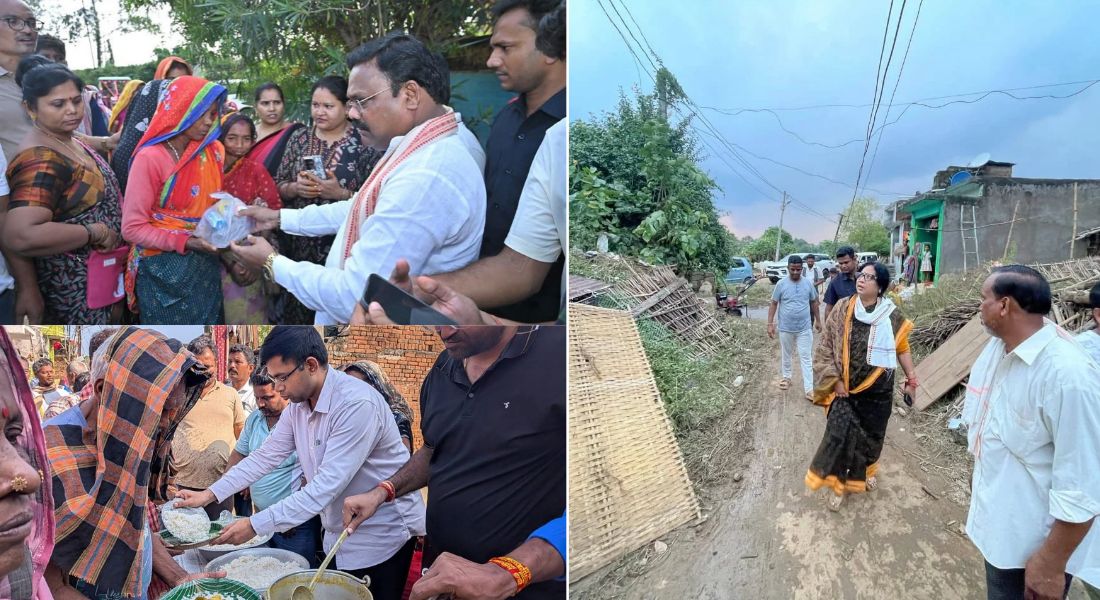
The Sorada block administration has started distributing relief materials in different flood-affected areas, while free community kitchens have been opened in Nuagada, Palakatu and Suramani to provide cooked food to residents.

Local volunteers have also stepped in to support recovery efforts. A team led by social workers Swadhina Panda, Satya Patra and Mantu Patri, along with engineer Sangram Mahanty, visited Nuagada and distributed cooked food and drinking water. The volunteers also arranged tractors to clear muddy village roads and improve access. The Lions Club, led by its president Siba Sankar Panda, has also distributed free food in Nuagada.

Asika MP Anita Subhadarshini visited flood-affected villages in Palakatu and areas under Gopalpur Sasan gram panchayat in Sorada block on October 31.

Minister Gokulananda Mallik also visited Nuagada and Suramani, where residents reportedly expressed strong dissatisfaction over delays in receiving relief assistance. The exchange reflected the frustration among families who have been waiting for support after losing belongings and facing prolonged disruption.

Ganjam Collector V. Keerthi Vasan and Project Director Sameer Jena also toured affected areas and visited a community kitchen operated by the district administration.

In Khalikote, MLA Purna Chandra Sethi reportedly faced questions from residents over the relief response during his visit to affected areas.

The damage is not confined to flooding. A landslide was reported at Mahuikaboja Pahada near Manikathi village under Bhagabapur gram panchayat, highlighting the continuing risks in areas affected by heavy rainfall.

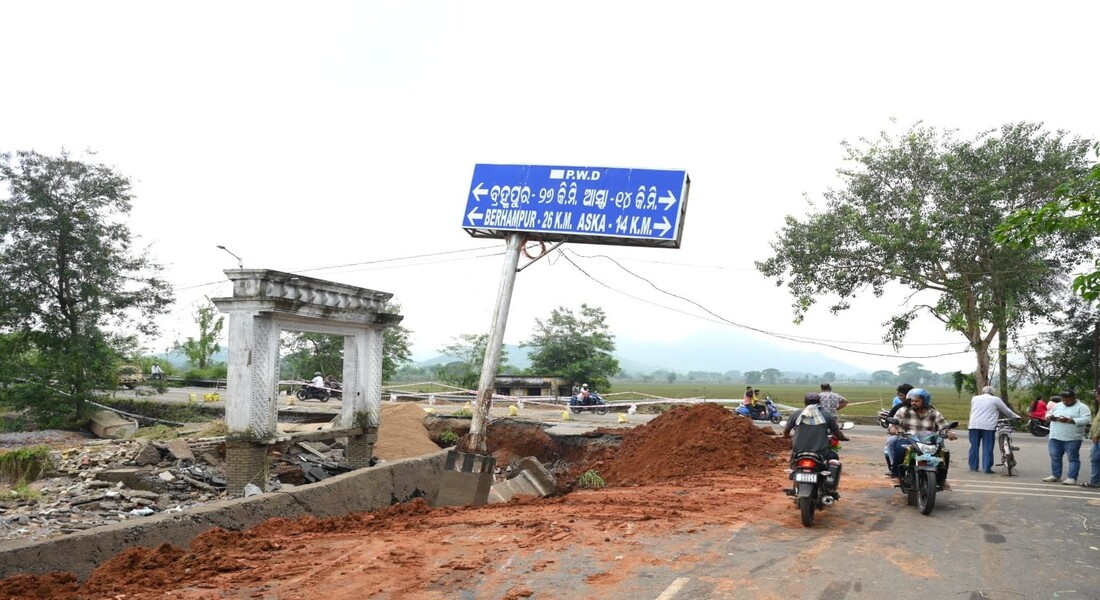
Elsewhere in Ganjam, landslides at Taptapani Ghati and Balibada Ghati disrupted road connectivity, while floodwaters damaged roads and other infrastructure. The administration has begun restoration work on important routes to facilitate the movement of people and relief supplies.

According to the Ganjam district administration, more than 1.05 lakh people across all 22 blocks were affected by the floods. The administration had opened 367 relief camps and moved 56,051 people to safe shelters. Cooked food was being distributed at around 370 locations across the district, while food supplies had also been air-dropped into inaccessible areas.

The number of villages cut off by floodwaters declined from 70 on Thursday to three by Saturday, although around 700 people were still reported stranded in waterlogged areas. Restoration of damaged roads, bridges, anicuts and embankments has begun, with priority given to routes connecting affected areas.

The state government has also sanctioned an additional Rs 20 crore for Ganjam to strengthen rescue, relief and restoration operations.

While the decline in river levels has brought some relief, the destruction of homes, agricultural losses, damaged drinking water infrastructure and disrupted road connectivity remain major concerns. For residents of Sorada and other affected areas, the immediate priority is to secure safe drinking water, receive adequate relief and restore the basic infrastructure needed to resume normal life.