At IndiaVerve, we go beyond the noise to bring you meaningful stories of change, resilience and progress—from India to the world stage. Our mission is to bring readers credible, wide-ranging coverage across politics, business, sports, culture, society and more.

India’s electronics exports surge 44% to USD 31.97 billion

New Delhi: India’s electronics exports growth stood at 44% during April-September of FY 2026-27. Electronic goods exports rose from USD 22.20 billion in the same period of FY 2025-26 to USD 31.97 billion.

Smartphones continued to account for the largest share of the electronics export basket. However, non-smartphone electronics grew significantly faster, which shows that India’s electronics exports are broadening and diversifying.

The growth covered components, printed circuit boards, communication equipment, memory products, and storage devices, according to an official statement.

Smartphone exports (HS 85171300) increased by 35.8%, from USD 13.38 billion to USD 18.17 billion. Their share in total electronic goods exports moderated from 60.3% to 56.8%, as other segments grew faster.

Non-smartphone electronics exports grew by 56.5%, from USD 8.81 billion to USD 13.79 billion. Their share in total electronic goods exports rose from 39.7% to 43.2%.

Exports of parts and accessories comprising mounted printed circuit boards (HS 84733030) jumped from USD 63.3 million to USD 2.10 billion, a growth of 3,219%. Singapore was the leading destination at USD 1.87 billion, followed by China at USD 111.5 million.

Exports of populated, loaded or stuffed printed circuit boards (HS 85177910) grew by 304%, from USD 213.7 million to USD 864.1 million. China was the top destination at USD 789.2 million. Exports to Hong Kong rose from USD 5.9 million to USD 25.3 million.

Exports of network transmission and routing equipment (HS 85176290) nearly doubled, rising 98% from USD 732.9 million to USD 1.45 billion. Hong Kong led the growth, with exports increasing from USD 264.7 million to USD 857.7 million. The US and the Netherlands were also important destinations, at USD 130.9 million and USD 124.4 million, respectively.

Memory integrated circuits (HS 85423200) recorded growth of 2,333%, with exports rising from USD 23.1 million to USD 562.4 million. Malaysia emerged as the largest destination at USD 390.8 million. Singapore followed at USD 102.4 million and Hong Kong at USD 25.2 million.

Exports of solid-state non-volatile storage devices (HS 85235100) increased by 1,680%, from USD 14.6 million to USD 260.5 million. China was the leading destination at USD 108.6 million. Singapore stood at USD 76.8 million, Hong Kong at USD 22.3 million, and the US at USD 20.7 million.

The data shows a more diversified export basket, with non-smartphone electronics gaining a larger share even as smartphones remain the largest component at USD 18.17 billion.

The expansion across printed circuit boards, communication equipment, memory integrated circuits and solid-state storage devices, along with rising exports to markets such as Singapore, China, Hong Kong and Malaysia, underscores the growing contribution of these segments.
Mission Shakti interest subvention reaches 3.26 lakh SHGs

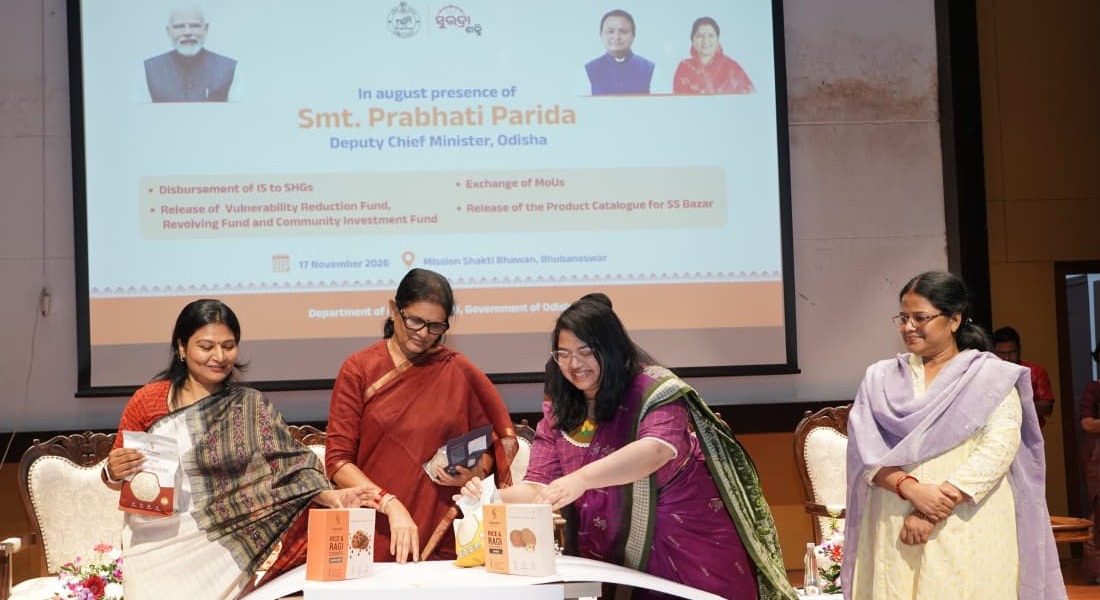
Bhubaneswar: The Department of Mission Shakti on Tuesday disbursed Rs 247.34 crore as Mission Shakti interest subvention to 3,26,366 women Self-Help Groups (SHGs) in Odisha.

Deputy Chief Minister Pravati Parida chaired a special programme at Mission Shakti Bhawan in Bhubaneswar, where the assistance was handed over.

Addressing the gathering, Parida said the economic self-reliance and entrepreneurship of women are key pillars of the state’s overall development. She stressed that along with financial assistance, access to skill development, technological support and market linkages would speed up the entrepreneurial journey of women.

The programme aimed to strengthen the economic empowerment, enterprise development and sustainable livelihoods of women SHGs. Other funds were also released at the event.

A Revolving Fund of Rs 16.03 crore went to 8,927 SHGs across 27 districts. A Community Investment Fund of Rs 60.40 crore was given to 204 Gram Panchayat-level Federations across 22 districts. A Security Fund of Rs 5.37 crore was provided to 376 Cluster Level Federations across 10 districts.

The assistance is expected to strengthen the economic activities and livelihood-based enterprises of women across the state. For the financial year 2026-27, a bank credit linkage target of Rs 20,000 crore has been set for SHGs. The target aims to widen access to institutional finance and promote women-led enterprises.

Parida also unveiled a new product catalogue of Subhadra Shakti Bazar. It showcases products made by women SHGs across Odisha and reflects the creativity, craftsmanship and traditional skills of women entrepreneurs.

An MoU was also signed between the Odisha Livelihoods Mission and The Nudge Lifeskills Foundation under the Samaveshi Aajivika Yojana. The partnership aims to strengthen livelihoods, promote social inclusion and facilitate skill development.

It also seeks to improve access to government welfare services for extremely vulnerable households, particularly in migration-prone areas.

A range of nutritious and value-added food products was launched under the Subhadra Shakti brand as well. These include Low Glycaemic Index rice-based products such as idli rava, flattened rice (chuda), and rice.

The range also has millet-based nutritious cookies and premium aromatic Kalajeera rice. Khordha Matrushakti Farmer Producer Company developed the products with technical support from the International Rice Research Institute. The initiative aims to add value to traditional agricultural produce and create new income opportunities for women-led Farmer Producer Organisations.

To improve market access for Women Farmer Producer Companies, six business partnerships and agreements were established. They carry potential business opportunities worth over Rs 4.56 crore.

PM Modi unveils four proposals to boost regional cooperation at East Asia Summit

Addressing the 21st East Asia Summit in Manila, Modi calls for a free, open and rules-based Indo-Pacific, greater maritime security and joint action against cybercrime and terrorism.

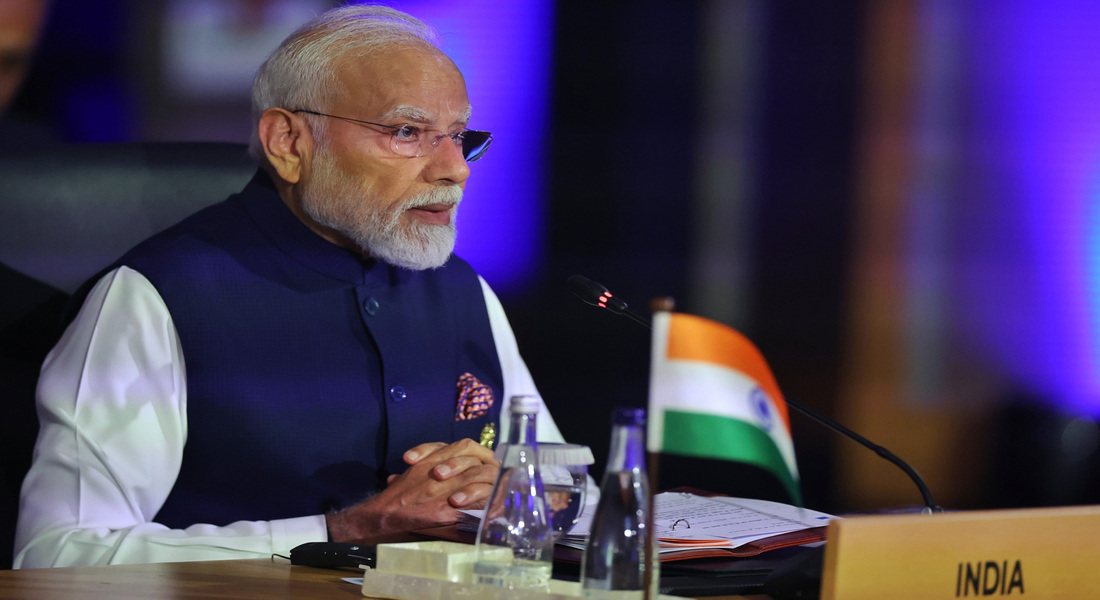
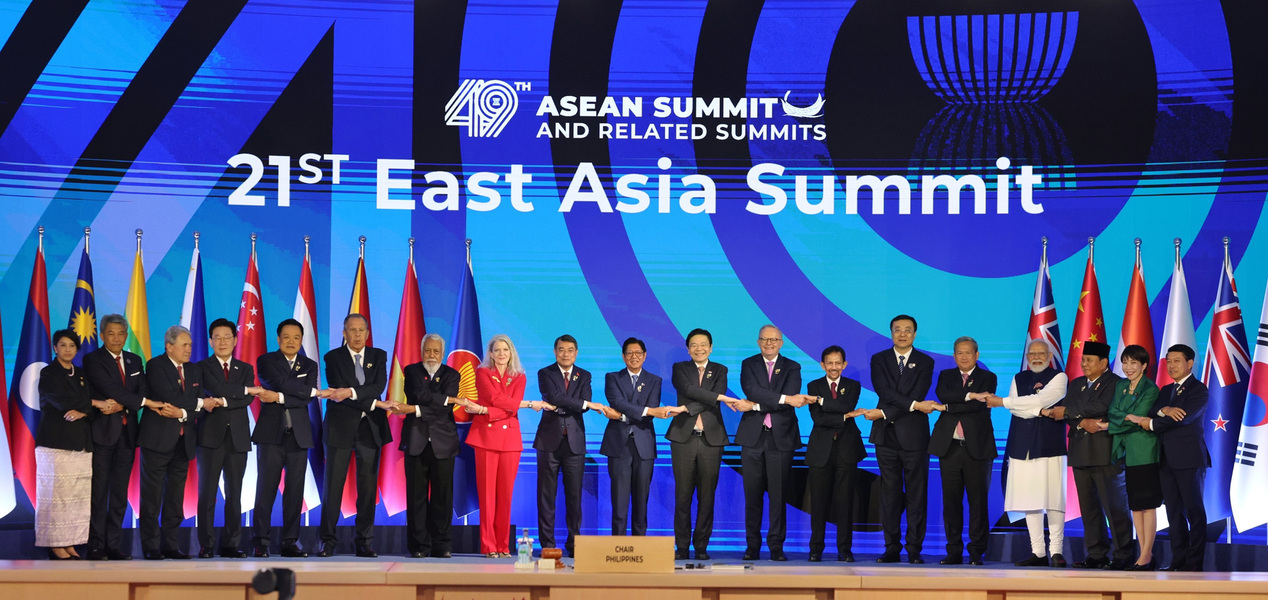
New Delhi: Prime Minister Narendra Modi on Tuesday proposed four new initiatives to strengthen cooperation among East Asia Summit (EAS) member countries, focusing on maritime safety, cybercrime prevention, cultural heritage and academic collaboration.

Addressing the 21st East Asia Summit in Manila, Modi called for greater international cooperation to address growing global uncertainties, stressing that dialogue, mutual respect and peaceful resolution of conflicts were essential to ensuring stability.

He said the world had faced successive crises since the Covid-19 pandemic, with ongoing conflicts placing pressure on food, fuel and fertiliser security. He also expressed concern over attacks targeting commercial vessels and seafarers in international waterways, alongside the growing threats posed by terrorism and cross-border cybercrimes.

Emphasising the need for a free, open, inclusive and rules-based Indo-Pacific, the Prime Minister said the East Asia Summit should play a stronger role in promoting peace, stability and predictability in the international environment.

Modi reiterated India’s support for efforts to achieve peaceful resolutions to the ongoing conflicts in Ukraine and West Asia. He also highlighted the importance of ASEAN unity and centrality, describing them as key pillars of India’s Act East Policy.

As part of efforts to expand cooperation through the EAS platform, Modi outlined four proposals.

The first is a Seafarers’ Safety Initiative, aimed at strengthening cooperation among participating countries through joint training programmes and coordinated emergency response mechanisms. He said maritime security and freedom of navigation were collective responsibilities, given the importance of sea routes to regional prosperity.

The second proposal is an EAS Cyber Crime Conference at India’s National Forensic Sciences University. The conference would focus on emerging cross-border threats, including online fraud, cybercrime and digital scams. Modi also highlighted the need to build trust and security in the digital domain, referring to India’s emphasis on human-centric, inclusive and safe artificial intelligence.

He also called for greater efforts to counter deepfakes and misinformation, including through technologies such as digital watermarking. Welcoming the joint statement on tackling online scams, he said stronger international cooperation was necessary to address these emerging challenges.

The third proposal is to organise an EAS Maritime Heritage Festival in Lothal, Gujarat, highlighting the historical and cultural connections between India and countries across the region. Modi said the National Maritime Heritage Complex being developed at Lothal would provide an opportunity to showcase this shared maritime legacy.

The fourth initiative is an EAS University Heads Conclave at Nalanda next year, intended to strengthen academic partnerships, research collaboration and educational exchanges among participating countries.

Highlighting the historical foundations of regional cooperation, Modi noted that 2026 marks the 50th anniversary of the Treaty of Amity and Cooperation in Southeast Asia. He said the agreement had conveyed an enduring message of peace, respect for sovereignty and dialogue.

The Prime Minister observed that these principles had become even more relevant amid contemporary geopolitical tensions, adding that the region’s shared future should be shaped by mutual respect and cooperation rather than conflict.

He reaffirmed India’s commitment to working alongside ASEAN countries towards regional peace, stability and shared prosperity.

Modi also congratulated Philippine President Ferdinand R. Marcos Jr. for successfully hosting the summit.

The proposals reflect India’s push to broaden its engagement with East Asian partners beyond traditional economic and diplomatic cooperation, placing greater emphasis on maritime security, digital safety, cultural links and educational collaboration.

Odisha operationalises 24 new Eklavya Model Residential Schools

Bhubaneswar: The ST and SC Development Department of the Odisha government has made 24 new Eklavya Model Residential Schools (EMRS) functional across seven districts of the state. With this, the number of operational EMRS in Odisha has risen to 71.

Odisha has been sanctioned 111 EMRS, the highest among all states in the country. Of these, 47 schools were functional earlier. The addition of 24 schools has taken the number to 71, marking a major milestone in strengthening educational infrastructure in tribal-dominated and remote areas.

Across the country, 533 EMRS are currently functional in 25 states and one Union Territory. The new schools in Odisha are expected to benefit about 1,440 students. They will get access to quality residential education, modern learning facilities and opportunities for holistic development.

Mayurbhanj has the highest number of new schools with eight, at Raruan, Jashipur, Sukruli, Gopabandhunagar, Saraskana, Bisoi, Badampahad and Bijatola. Keonjhar has five, at Saharapada, Harichandanpur, Banspal, Ghatagaon and Telkoi. Nabarangpur has four, at Kosagumuda, Umerkote, Dabugaon and Raighar, while Sundargarh has three, at Tangarpalli, Subdega and Bisra.

Two schools have become functional in Rayagada, at Ramnaguda and Padmapur. Koraput and Kandhamal have one school each, at Padua and Tumudibandha respectively.

The EMRS initiative aims to provide quality education to tribal students, especially those from remote and underserved communities. The schools focus on academic excellence as well as the all-round development of students. This includes sports, cultural activities, skill development and other co-curricular engagement.

Modi pushes for stronger India-ASEAN partnership, proposes nine initiatives

Calling for cooperation over competition, the Prime Minister highlights shared economic and strategic interests, proposes measures including free e-visas for ASEAN tourists and urges stronger collaboration in technology, maritime affairs and disaster management.

New Delhi: Prime Minister Narendra Modi on Tuesday called for stronger cooperation between India and the 11-member Association of Southeast Asian Nations (ASEAN), saying the shared future of the two sides must be shaped by cooperation rather than competition amid growing global uncertainty.

Addressing the 23rd ASEAN-India Summit in Manila, Modi emphasised the importance of peace, stability and predictability in the Indo-Pacific region, while reaffirming India’s unwavering commitment to ASEAN unity and centrality.

The Prime Minister proposed nine initiatives to deepen India’s engagement with the regional grouping. These included a long-term maritime cooperation plan to improve connectivity and seafarers’ safety, free e-visas for tourists from ASEAN countries and a framework for technical exchanges in the civil nuclear energy sector.

He also called for closer collaboration in technology, stressing that India and ASEAN should move beyond being consumers of technology and work together to develop new solutions and equip their people with relevant skills.

Referring to the summit’s theme, ‘Navigating Our Future, Together’, Modi said it was particularly relevant at a time when the world was facing successive crises.

“Together, India and ASEAN represent nearly one-fourth of the world’s population. That is why it is essential to ensure that our future is shaped not by competition, but by cooperation,” he said.

He added that both sides possessed the capabilities and shared resolve to make the region a symbol of peace and stability.

Act East Policy gives partnership fresh momentum

Highlighting the progress in India-ASEAN relations, Modi said India’s Act East Policy had provided fresh momentum and depth to the partnership over the past several years. He noted that this was his 13th interaction with ASEAN leaders in the summit format and his third visit to an ASEAN country during the year.

The Prime Minister said the relationship, rooted in shared cultural and civilisational heritage, had expanded into emerging areas such as digital technologies, defence and space.

Since 2014, India and ASEAN have undertaken more than 100 initiatives to strengthen people-to-people connections. More than 250 quick-impact projects have also been launched, while over 10,000 scholarships have been provided to support skill development, he said.

Growing connectivity was another indicator of the strengthening partnership. Modi pointed to direct flights between India and nine ASEAN countries, along with increasing tourism and people-to-people exchanges.

He described India’s development and ASEAN’s prosperity as closely interconnected, adding that the ASEAN Community Vision 2045 and India’s Viksit Bharat vision for 2047 could help translate their shared aspirations into reality.

Disaster management and regional cooperation

The two sides also agreed to strengthen cooperation in disaster management through improved early warning systems, the sharing of satellite and meteorological data, joint preparedness exercises and faster deployment of humanitarian assistance.

Modi stressed that India and ASEAN needed to build on the progress made over the past 12 years and chart a new course for their partnership. He expressed confidence that the summit would take the Comprehensive Strategic Partnership to greater heights and contribute to a secure, inclusive and prosperous Indo-Pacific.

The Prime Minister reaffirmed that India’s support for ASEAN unity and centrality would remain steadfast.

Earlier, Modi visited the Khalsa Diwan Gurudwara in Manila and participated in the foundation-stone laying ceremony for its redevelopment in the presence of the Panch Pyare.

Bhupender Yadav pitches India’s big cat conservation model at COP31

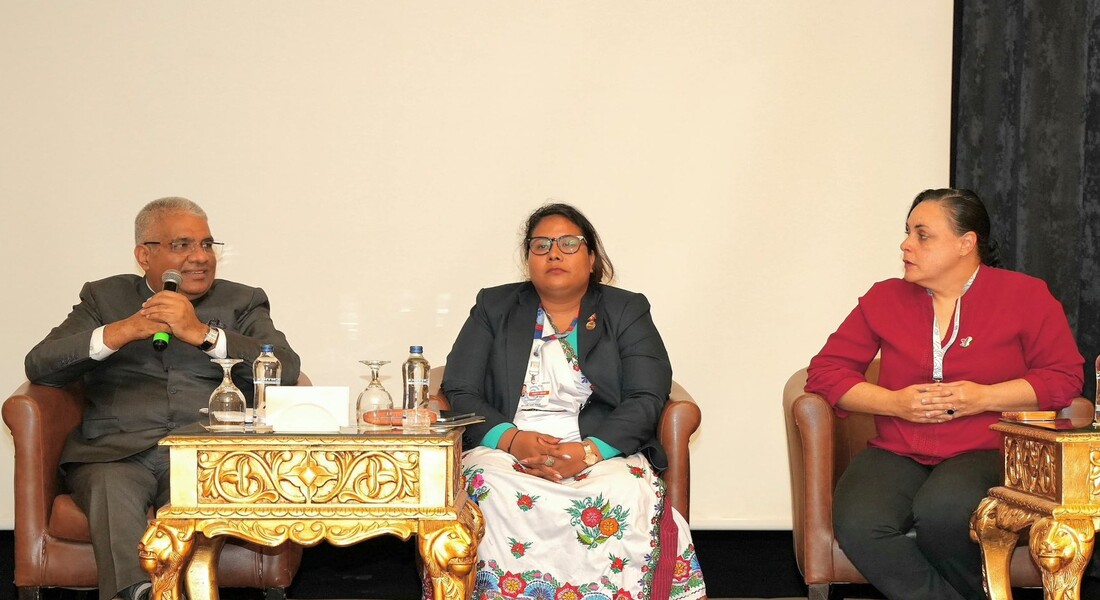
New Delhi: Union Environment Minister Bhupender Yadav on Tuesday said that India’s big cat conservation offers a model for fighting climate change. He made the case at a high-level ministerial side event at the UN Climate Change Conference (COP31) in Antalya, Türkiye.

The event was titled “Big Cats: Drivers of Climate Change Mitigation.” India’s Ministry of Environment, Forest and Climate Change (MoEFCC) organised it jointly with the International Big Cat Alliance (IBCA), according to an official statement.

Ministers and representatives from big cat range countries, Nepal, Venezuela, Cambodia and Sri Lanka, took part. Officials from international bodies such as the Ramsar Convention and UNCCD were also present.

Discussions centred on how conserving the world’s seven major big cat species and their habitats can protect carbon-rich ecosystems. Participants also spoke about ecosystem services, climate resilience and sustainable development.

IBCA Director General S.P. Yadav gave a presentation on the alliance and the status of big cats in the range countries. Participants appreciated India’s efforts under Prime Minister Narendra Modi, especially the reintroduction of the cheetah.

Bhupender Yadav said the IBCA, envisioned by Prime Minister Modi, gives countries a platform to share India’s successful conservation models. It also helps with knowledge exchange, international cooperation and capacity building for the recovery of all seven big cat species.

According to him, India’s tiger conservation shows how political commitment, strong institutions, sustained investment and community participation can turn wildlife protection into a tool for ecological security and climate resilience.

The minister explained that big cats do not directly absorb carbon. However, protecting them safeguards the forests, grasslands, wetlands and mountain ecosystems that store carbon and prevent emissions from habitat loss.

He described big cats as umbrella species, as their protection extends to thousands of other species and the communities that depend on these landscapes. He added that wildlife conservation must be part of nature-based climate action and should work alongside efforts to cut emissions.

Citing India’s tiger reserves as an example, Yadav said the country’s 58 reserves cover about 85,000 square kilometres. These areas protect large forest ecosystems and their carbon stocks. They also support carbon sequestration, water purification, soil conservation and groundwater recharge.

He pointed out that more than 600 rivers originate in or flow through these landscapes, which makes tiger habitats vital watersheds. Community participation, eco-development and sustainable livelihood programmes, he said, have made tiger conservation inclusive and sustainable.

Yadav credited India’s tiger success to sustained political commitment, strong laws and robust institutions. Project Tiger, backed by the Wildlife (Protection) Act, 1972 and the National Tiger Conservation Authority, provides the governance framework.

India’s tiger population rose to 3,682 in 2022, which is more than 70% of the world’s wild tigers. He said this was possible because of steady funding from the Centre and the states, dedicated frontline staff, technology-based monitoring, scientific management and community stewardship. He added that Project Tiger creates about 6 million man-days of work every year, making it a driver of green jobs and livelihood security.

ICC Chair Jay Shah reappointed unopposed for second term

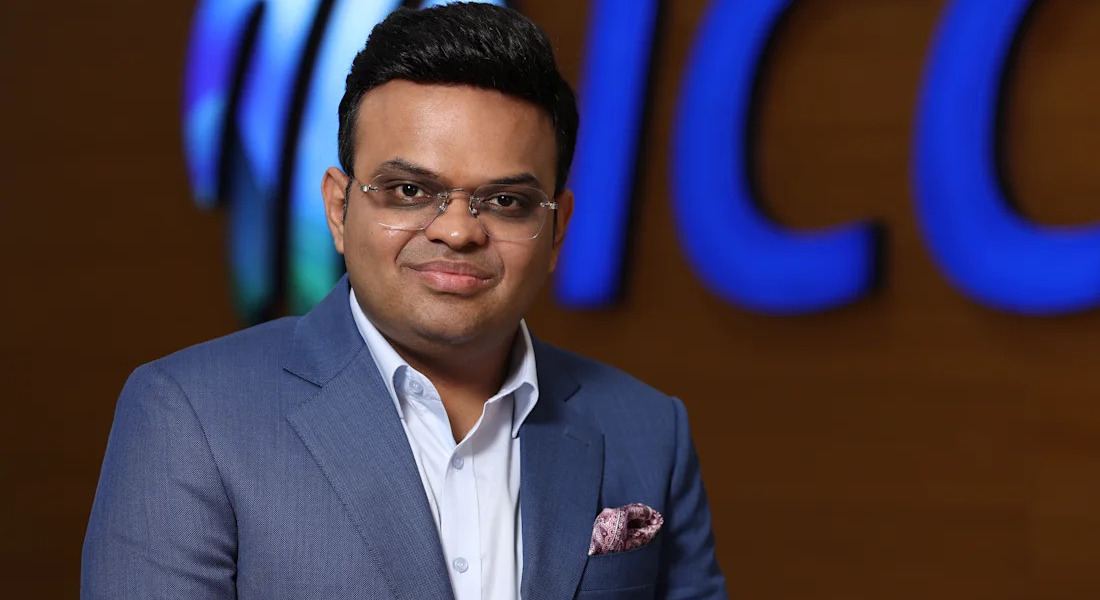
New Delhi: Jay Shah will serve a second term at the helm of world cricket. The International Cricket Council (ICC) Board reappointed him unopposed at its meetings in Bali, following a proposal from the ICC directors.

Shah will now continue through a period of expansion for the sport. The Board said the decision shows its confidence in his leadership and gives cricket continuity at a key moment. Global growth, fan engagement and commercial development remain central to its strategic plans, the ICC said in a press release.

Cricket is also preparing for its return to the Olympic Games at Los Angeles 2028. The ICC has recently announced an expanded long-range programme of competitions as well, aimed at wider participation and better development pathways.

The Board reaffirmed its commitment to strengthening cricket’s foundations. It also promised continued support for the women’s game, more opportunities for Associate Members, protection of the integrity of international cricket and sustainable commercial growth.

Shah said he was deeply honoured by the Board’s confidence and grateful to every director for their trust. He described the role as both a privilege and a responsibility. According to him, the sport is entering one of the most important and exciting phases in its history, and the Olympic return is a chance to bring the game to new audiences and inspire a new generation of players and fans.

He added that the ICC’s job goes beyond running successful events. The aim, he said, is to build a stronger and more sustainable future for fans, athletes, commercial partners and other stakeholders. Shah also said cricket’s biggest strength is its ability to bring people together, and that the focus now is on turning ambition into action.

England and Wales Cricket Board Chair Richard Thompson said Shah’s leadership comes at an important time. He pointed to the need to strengthen the international calendar, protect the relevance of bilateral cricket and keep major events central to the game. Thompson added that the sport must balance its traditions with innovation and changing commercial realities.

ICC Independent Director Dr Ros Rivaz congratulated Shah and said his continued leadership offers a chance to strengthen women’s cricket further. She noted that the women’s game is gaining momentum, but the ICC must also support those whose opportunities to play have been disrupted. Rivaz also acknowledged the efforts made under Shah to support women cricketers in every jurisdiction.

ICC Deputy Chair and Zimbabwe Cricket Chair Tavengwa Mukuhlani said Shah has shown strong leadership and a clear commitment to bringing Members together around a shared vision. He said he was particularly encouraged as a Member from Africa, with the ICC Men’s Cricket World Cup 2027 set to bring the game to new audiences across the continent. Mukuhlani called it an important moment for African cricket.

New Zealand Cricket Director Roger Twose said the reappointment provides continuity as international cricket enters a period of opportunity and change. He stressed that Members must work together to strengthen the international game so that cricket thrives across all formats and markets. Twose added that the sport must build on its global growth while keeping the traditions that make it special.

ICC Associate Member Chair Gurumurthy Palani said the sport’s global growth depends on meaningful opportunities for Members at every stage of development. For Associates, he said, that means greater access to high-level competition, stronger development pathways and investment in sustainable cricketing structures.

Odisha to build 314 block-level stadiums at Rs 4,124 crore

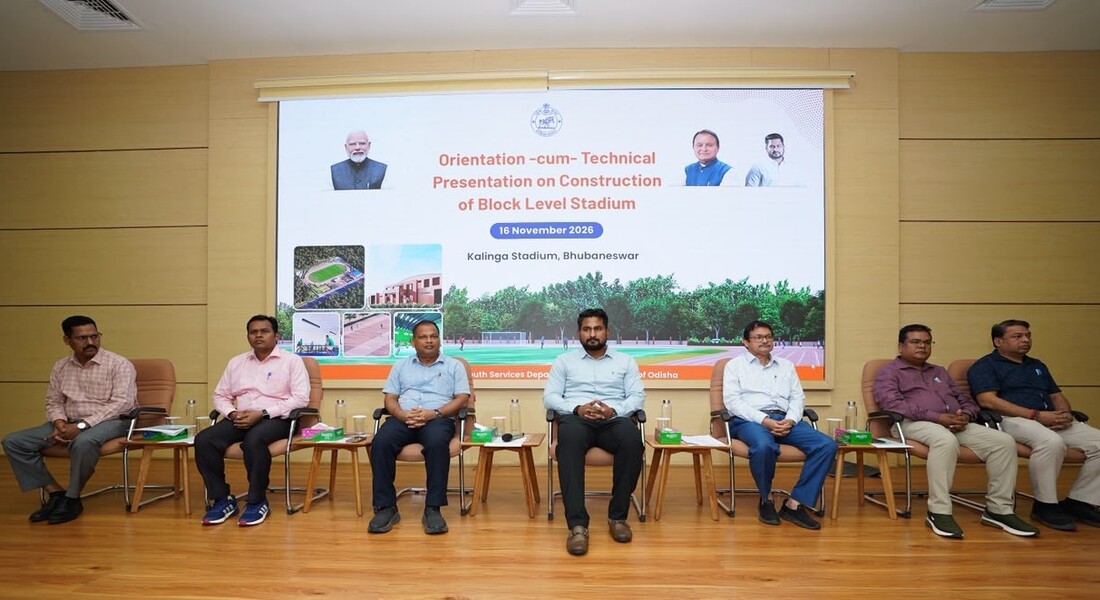
Bhubaneswar: The Odisha government will build 314 block-level stadiums, one in every block of the state, at a total cost of Rs 4,124 crore. An Orientation-cum-Technical Presentation camp on the project was held at Kalinga Stadium on Monday.

The camp focused on high-quality construction and timely delivery of the project. Officials were asked to ensure that work meets the set standards from start to finish.

Sports and Youth Services Minister Suryabanshi Suraj attended the programme as chief guest. He said the government is committed to the overall development of sports and sportspersons. He added that the stadiums will strengthen grassroots sports infrastructure and help young talent grow in every block.

He said the goal is to help athletes build a bright future in sports. The minister also directed officials to complete every task within the stipulated time.

Each stadium will have a football field, a cricket ground, an athletics track, a throw area, a jump area and a volleyball court. Special arrangements will be made for traditional and regional games such as Kho-Kho and Kabaddi. The indoor hall will have facilities for badminton and table tennis.

Every stadium will also get a Common Facility Centre. Basic amenities such as water supply, sewerage, lighting and security will get priority. Sports competitions will be organised regularly to spot talent at the grassroots level.

Commissioner-cum-Secretary of the Sports and Youth Services Department Bhupendra Singh Poonia, Sports Director Dr Yeddula Vijay, Special Secretary Ashok Kumar Panda and Additional Secretary Bijay Kumar Swain were present. Senior officials of the Rural Development Department, the Works Department, and IDCO also attended.