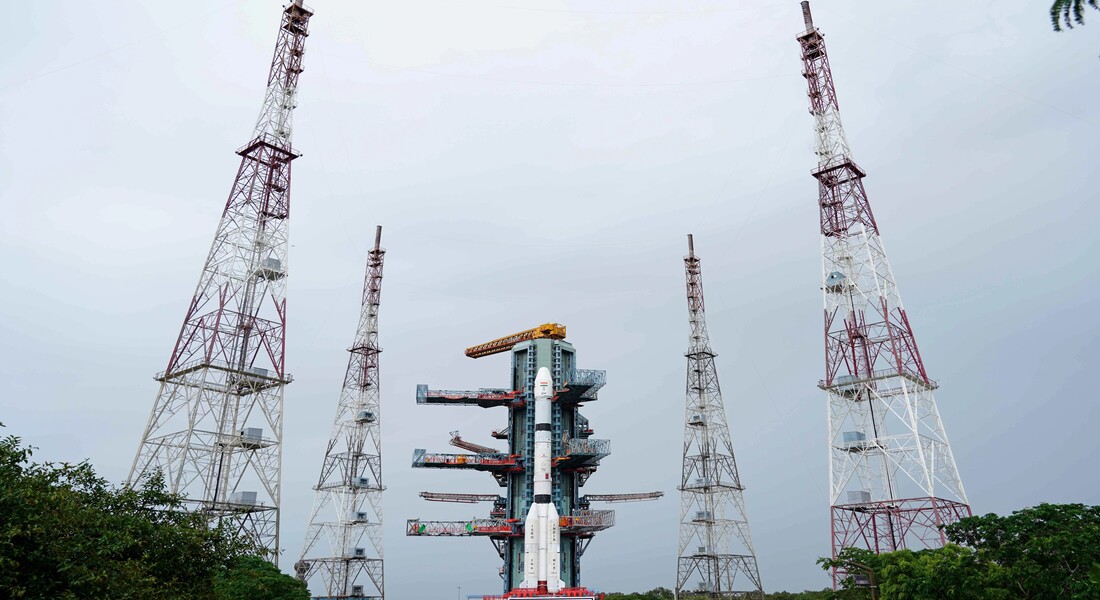

New Delhi: The Indian Space Research Organisation (ISRO) on Friday night successfully launched its next-generation navigation satellite NVS-03 aboard the GSLV-F18 rocket, placing it into a Geosynchronous Transfer Orbit and marking another milestone in India’s indigenous satellite navigation programme.
The 2,250-kg satellite was launched from the Second Launch Pad at the Satish Dhawan Space Centre, Sriharikota, Andhra Pradesh. The mission marks the 20th flight of India’s Geosynchronous Satellite Launch Vehicle.
NVS-03 is the third satellite in the next-generation navigation satellite series designed to ensure continuity of services provided by the Indian Regional Navigation Satellite System, also known as NavIC.
The satellite carries an indigenous atomic clock alongside procured atomic clocks, an important feature for precise satellite-based navigation. It also introduces the L1 signal band in addition to the existing L5 and S bands, expanding the system’s navigation capabilities.
NVS-03 is designed to provide coverage across India’s landmass and an area extending 1,500 km beyond the country’s geopolitical boundaries. Its enhanced navigation capabilities are expected to support various civilian applications.
The successful deployment of NVS-03 is significant for India’s NavIC programme, as it restores the navigation system to a minimum operational configuration of four satellites, strengthening the continuity of positioning services.
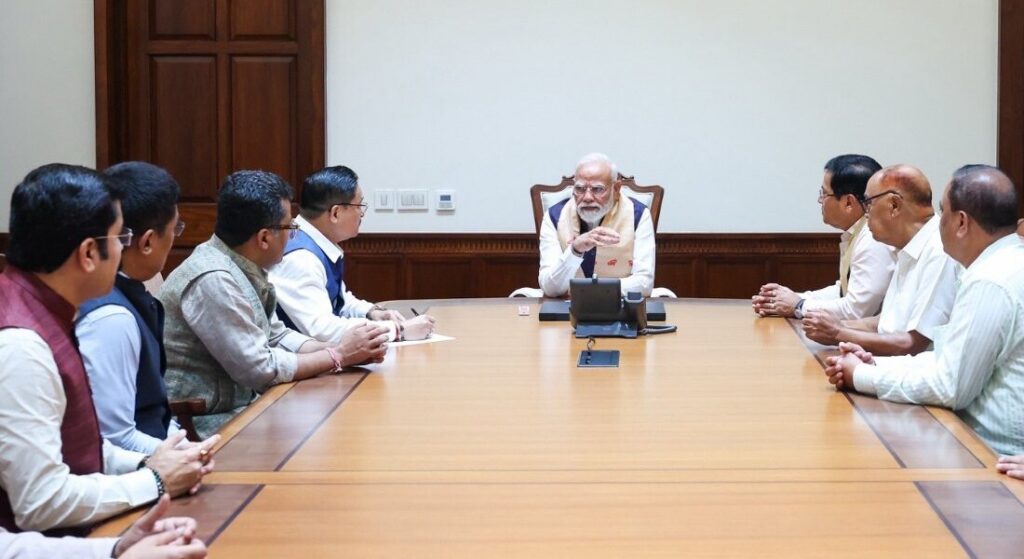
Prime Minister Narendra Modi congratulated ISRO scientists and engineers on the successful launch of GSLV-F18 carrying NVS-03.
Meanwhile, Prime Minister Narendra Modi congratulated ISRO scientists and engineers on the successful launch of GSLV-F18 carrying NVS-03.
In a post on X, he said: “This mission marks an important step in strengthening NavIC, our indigenous satellite navigation system. Equipped with enhanced capabilities, NVS-03 will further our pursuit of self-reliance in critical technologies and support navigation services that benefit our people. The dedication and ingenuity of our space scientists continue to make our nation proud.”