
Sorada (Ganjam): As floodwaters recede across Odisha’s Ganjam district, relief and restoration efforts are gathering pace, but thousands of affected residents continue to grapple with damaged homes, disrupted livelihoods and shortages of essential services. In Sorada block, among the worst-hit areas, the destruction of a major water-supply project has added to the challenges facing flood-affected communities.
The Kathagada water-supply project has reportedly suffered extensive damage, with its water tank located inside the river swept away by floodwaters. The disruption has affected drinking water supply to four villages — Kathagada, Gunduribadi, Manikathi and Padaraisuni. The damage is likely to complicate the recovery of communities already struggling with the aftermath of prolonged inundation.
Several villages in Sorada block were submerged for more than 24 hours after the swollen Rushikulya river flooded low-lying areas and disrupted road connectivity. Nuagada and Suramani were among the worst affected, with residents losing household belongings and small businesses suffering substantial losses.
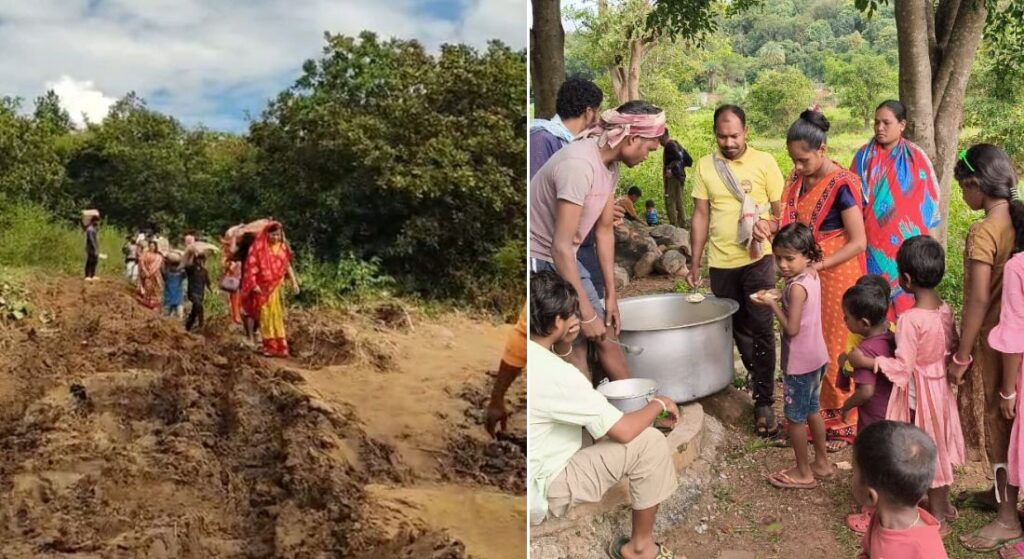
The Sorada block administration has started distributing relief materials in different flood-affected areas, while free community kitchens have been opened in Nuagada, Palakatu and Suramani to provide cooked food to residents.
Local volunteers have also stepped in to support recovery efforts. A team led by social workers Swadhina Panda, Satya Patra and Mantu Patri, along with engineer Sangram Mahanty, visited Nuagada and distributed cooked food and drinking water. The volunteers also arranged tractors to clear muddy village roads and improve access. The Lions Club, led by its president Siba Sankar Panda, has also distributed free food in Nuagada.
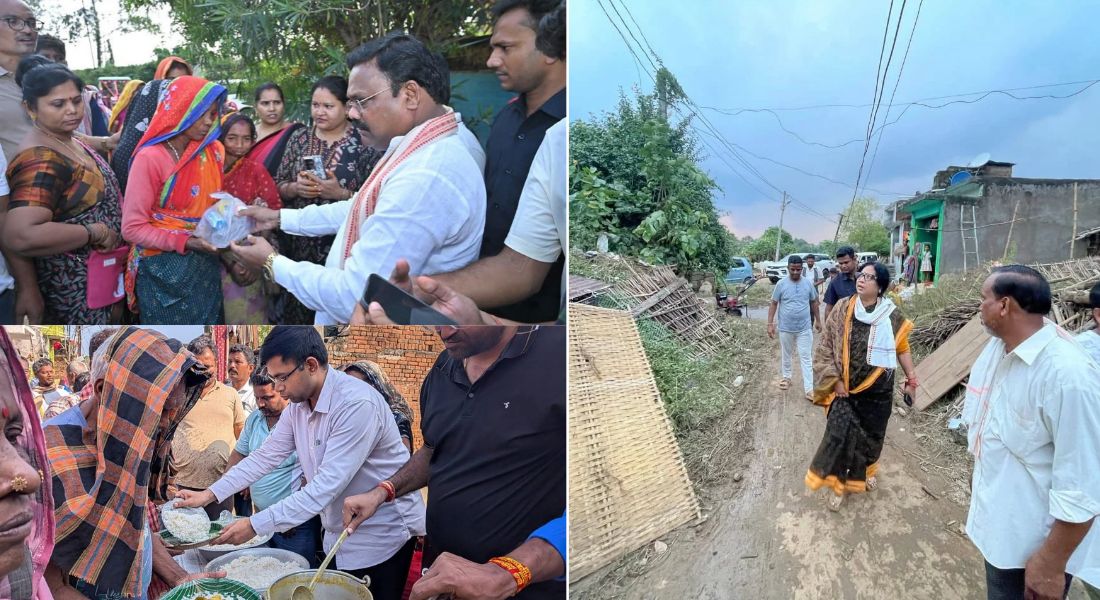
Asika MP Anita Subhadarshini visited flood-affected villages in Palakatu and areas under Gopalpur Sasan gram panchayat in Sorada block on October 31.
Minister Gokulananda Mallik also visited Nuagada and Suramani, where residents reportedly expressed strong dissatisfaction over delays in receiving relief assistance. The exchange reflected the frustration among families who have been waiting for support after losing belongings and facing prolonged disruption.
Ganjam Collector V. Keerthi Vasan and Project Director Sameer Jena also toured affected areas and visited a community kitchen operated by the district administration.
In Khalikote, MLA Purna Chandra Sethi reportedly faced questions from residents over the relief response during his visit to affected areas.
The damage is not confined to flooding. A landslide was reported at Mahuikaboja Pahada near Manikathi village under Bhagabapur gram panchayat, highlighting the continuing risks in areas affected by heavy rainfall.
Elsewhere in Ganjam, landslides at Taptapani Ghati and Balibada Ghati disrupted road connectivity, while floodwaters damaged roads and other infrastructure. The administration has begun restoration work on important routes to facilitate the movement of people and relief supplies.
According to the Ganjam district administration, more than 1.05 lakh people across all 22 blocks were affected by the floods. The administration had opened 367 relief camps and moved 56,051 people to safe shelters. Cooked food was being distributed at around 370 locations across the district, while food supplies had also been air-dropped into inaccessible areas.
The number of villages cut off by floodwaters declined from 70 on Thursday to three by Saturday, although around 700 people were still reported stranded in waterlogged areas. Restoration of damaged roads, bridges, anicuts and embankments has begun, with priority given to routes connecting affected areas.
The state government has also sanctioned an additional Rs 20 crore for Ganjam to strengthen rescue, relief and restoration operations.
While the decline in river levels has brought some relief, the destruction of homes, agricultural losses, damaged drinking water infrastructure and disrupted road connectivity remain major concerns. For residents of Sorada and other affected areas, the immediate priority is to secure safe drinking water, receive adequate relief and restore the basic infrastructure needed to resume normal life.