
Iran targets key Gulf energy infrastructure after Israel strikes South Pars gasfield, triggering global price surge and raising fears of wider conflict
The conflict involving Iran, Israel and the United States has entered a dangerous new phase, with energy infrastructure across the Gulf region becoming a central target, raising fears of wider economic fallout.
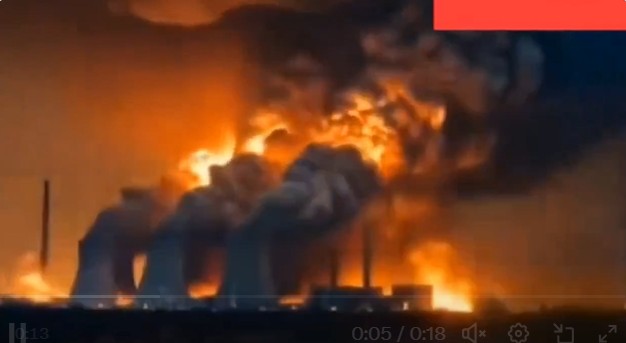
Iran launched missile strikes on key energy facilities in Qatar, the United Arab Emirates and Saudi Arabia, in what it described as retaliation for Israel’s earlier attack on Iran’s South Pars gas field—its largest energy source. Among the most significant incidents, Qatar’s liquefied natural gas facility at Ras Laffan Industrial City reportedly suffered major damage, while operations at gas and oil sites in the UAE were temporarily suspended following attacks.
The escalation has pushed global oil and gas prices higher, with Gulf nations condemning the strikes and warning of serious implications for global energy security. Sultan Al Jaber, head of Abu Dhabi National Oil Company (ADNOC), described the attacks as “unjustified” and warned that energy flows were being weaponised in a way that could impact the global economy, Al Jazeera reported.
The latest developments mark a shift in the conflict, with both sides now directly targeting critical energy infrastructure. French President Emmanuel Macron warned that the attacks represent a “reckless escalation”, noting that hydrocarbon production sites across the region are now being drawn into the conflict for the first time.
Meanwhile, diplomatic activity has intensified. Foreign ministers from Arab and Muslim countries convened in Saudi Arabia for urgent talks, where they collectively condemned Iranian missile and drone strikes on regional targets, including energy facilities, airports, and residential areas. The joint statement called on Iran to halt attacks, avoid threatening key maritime routes such as the Strait of Hormuz, and cease support for armed proxy groups.
At the same time, the ministers also criticised Israeli strikes in Lebanon, reflecting the complex regional dynamics as the conflict widens across multiple fronts.
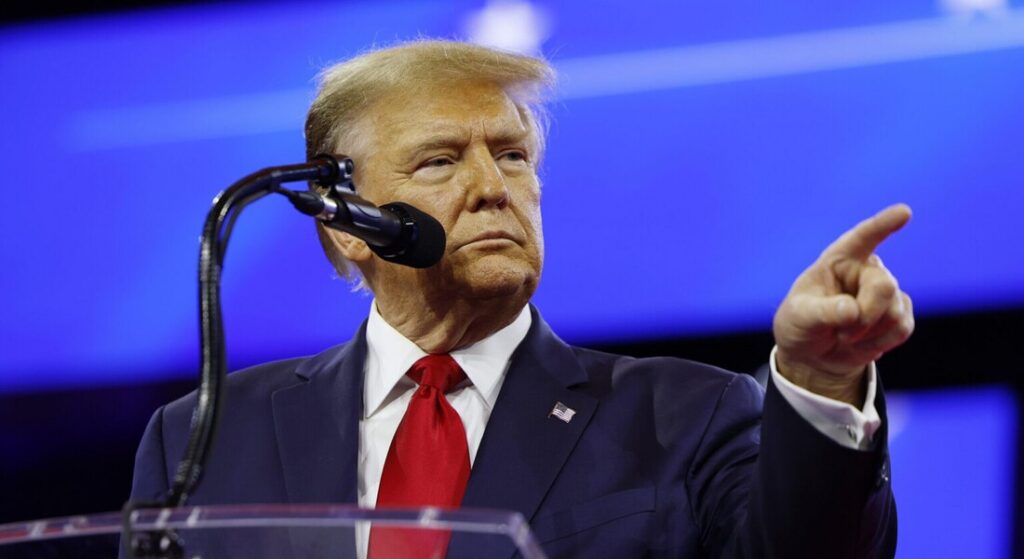
The United States has sought to distance itself from Israel’s strike on Iran’s South Pars field. President Donald Trump said Washington had no role in the attack and signalled that further escalation could be avoided if Iran refrains from targeting Gulf nations. However, he also warned of severe consequences if Iran continues strikes on regional energy assets.
European leaders have called for de-escalation, with German Chancellor Friedrich Merz welcoming signals from Washington that efforts may be made to bring the fighting to an end. He said Europe stands ready to support stabilisation efforts once hostilities subside.
Despite diplomatic outreach, Iran has indicated that its response is ongoing. A spokesperson for the Islamic Revolutionary Guard Corps (IRGC) warned that any further attacks on Iran’s energy infrastructure would trigger even more severe retaliation targeting both adversaries and their allies.
As the war approaches its fourth week, the expanding focus on energy infrastructure has heightened concerns of prolonged disruption to global supply chains and a deeper economic impact beyond the region.