
The ongoing Iran war has entered a complex phase, with fresh military tensions, economic disruptions, and shifting global responses shaping the conflict’s trajectory.
In a significant move to stabilise global energy markets, the United States has issued a 30-day sanctions waiver allowing the sale of Iranian oil already at sea. Announcing the decision, US Treasury Secretary Scott Bessent said the step would help ease supply pressures triggered by the conflict.
“By temporarily unlocking this existing supply for the world, the United States will quickly bring approximately 140 million barrels of oil to global markets,” Bessent said in a statement on X.
Iran is the head of the snake for global terrorism, and through President Trump’s Operation Epic Fury, we are winning this critical fight at an even faster pace than anticipated. In response to Iran’s terrorist attacks against global energy infrastructure, the Trump…
— Treasury Secretary Scott Bessent (@SecScottBessent) March 20, 2026
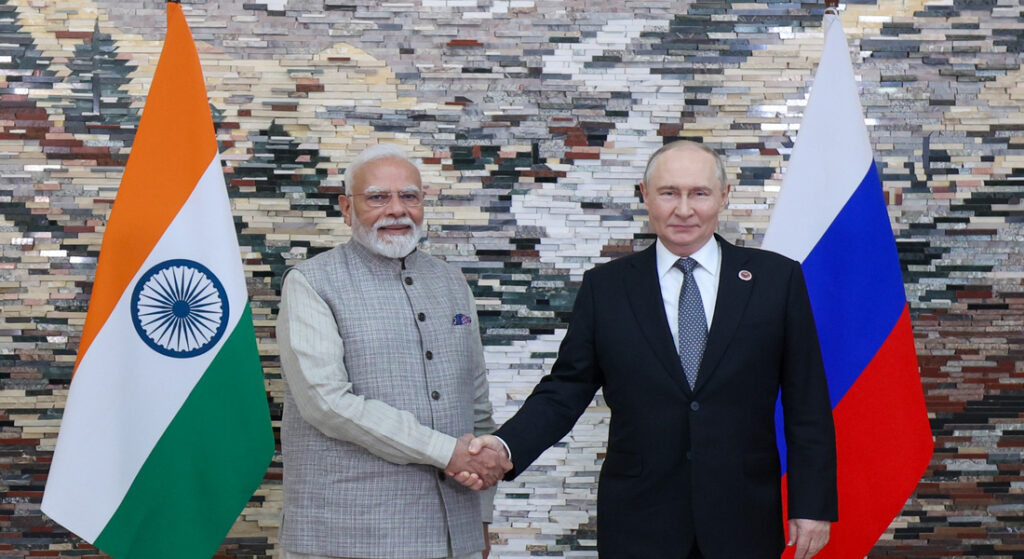
The waiver, effective from March 20 to April 19, is expected to influence global trade flows, with reports indicating that Indian refiners and other Asian buyers are considering resuming purchases of Iranian crude, pending further clarity from governments and payment mechanisms.
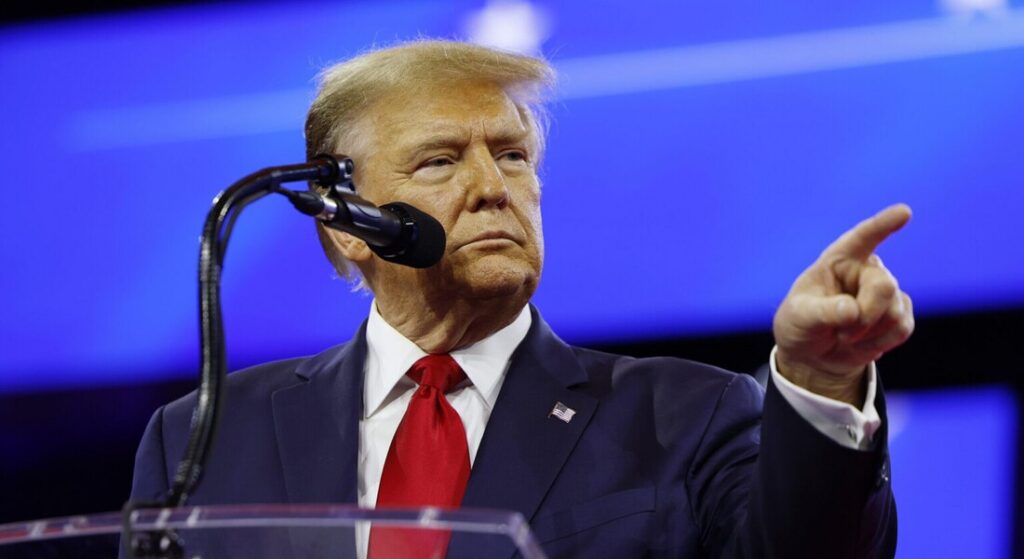
Despite the economic relief measures, US President Donald Trump signalled no immediate de-escalation. Speaking to reporters, he said, “We could have dialogue, but I don’t want to do a ceasefire… you don’t do a ceasefire when you’re literally obliterating the other side.”
In a post on Truth Social, Trump added that the US was “getting very close to meeting our objectives” and suggested that responsibility for securing the Strait of Hormuz should shift to other nations. “If asked, we will help these Countries in their Hormuz efforts, but it shouldn’t be necessary once Iran’s threat is eradicated,” he wrote.
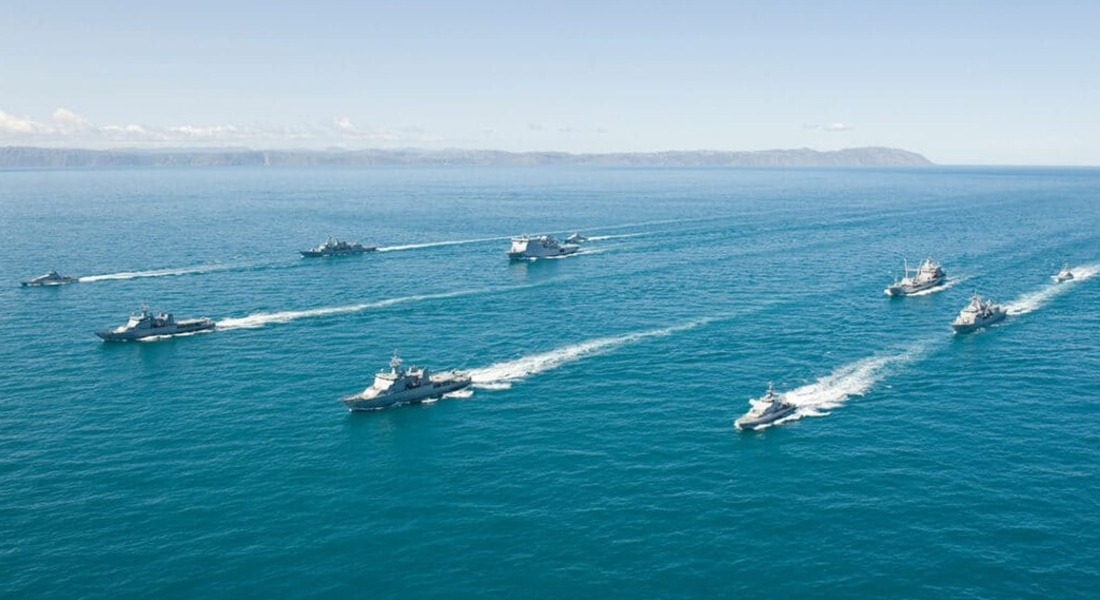
The Strait of Hormuz remains a key flashpoint, with Iran effectively restricting movement through the vital shipping route, disrupting global energy supplies and pushing oil prices higher. European authorities have already begun adjusting their energy strategies, with reports indicating that the European Commission has urged member states to lower gas storage targets to manage supply pressures.
ALSO READ: Israel halts gas strikes after Trump call as war escalates
On the military front, the conflict continues to expand beyond the immediate region. Iran reportedly launched two ballistic missiles targeting the Diego Garcia military base in the Indian Ocean, a key US-UK strategic facility, though both failed to hit their targets.
Meanwhile, tensions across the Middle East remain high. Arab nations, including Saudi Arabia, have condemned Israeli strikes on Syrian military sites, calling them acts of aggression and urging international intervention.
Iran has also issued fresh warnings to the United Arab Emirates, cautioning against any attacks originating from its territory on disputed Gulf islands. A statement carried by Tasnim news agency warned of “heavy strikes” in response to any further escalation.
As the war approaches its fourth week, the crisis is no longer confined to direct military confrontation but is increasingly impacting global energy markets, trade flows, and diplomatic alignments—raising concerns of a prolonged and far-reaching geopolitical conflict.