At IndiaVerve, we go beyond the noise to bring you meaningful stories of change, resilience and progress—from India to the world stage. Our mission is to bring readers credible, wide-ranging coverage across politics, business, sports, culture, society and more.

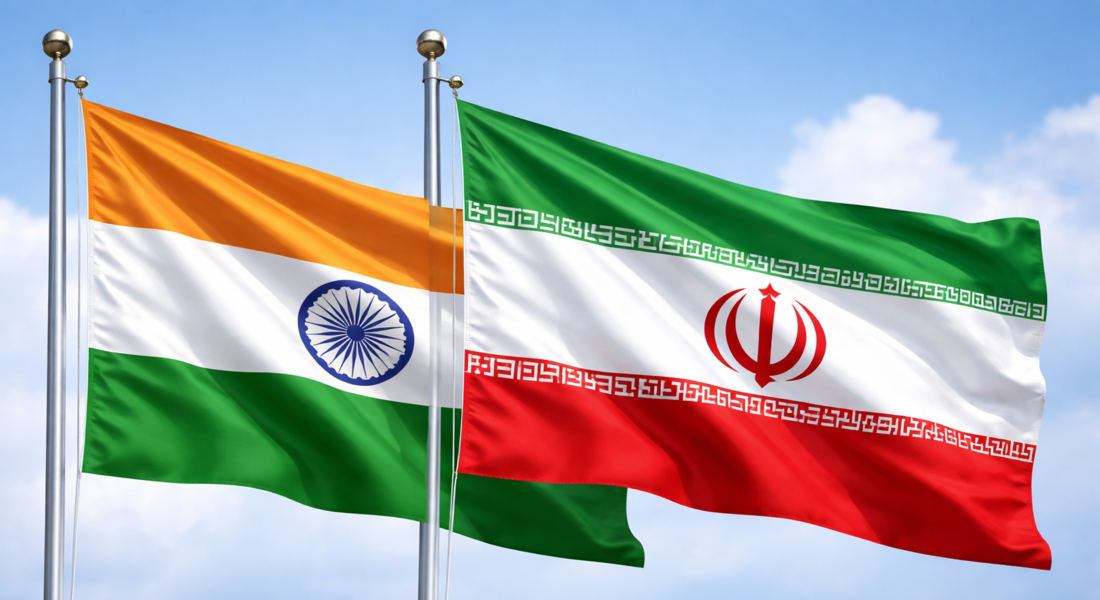
PM Modi speaks with Iran president, condemns attacks on critical infrastructure

New Delhi: Amid rising tensions in West Asia, Prime Minister Narendra Modi on Saturday held a telephonic conversation with Iranian President Masoud Pezeshkian, conveying greetings on the occasions of Eid and Nowruz.

During the conversation, Modi condemned attacks on critical infrastructure in the region, noting that such actions “threaten regional stability and disrupt global supply chains.”

In a post on X, the prime minister also emphasized the “importance of safeguarding freedom of navigation and ensuring that shipping lanes remain open and secure.”

“Appreciated Iran’s continued support for the safety and security of Indian nationals in Iran,” he added.

Modi also expressed hope that this festive season brings peace, stability, and prosperity to West Asia.

This was the second telephonic conversation between the two leaders since the beginning of the conflict in West Asia on February 28.

In a separate development, the leaders of the UAE, the UK, France, Germany, Italy, the Netherlands, Japan, Canada, the Republic of Korea, New Zealand, Denmark, Latvia, Slovenia, Estonia, Norway, Sweden, Finland, Czechia, Romania, Bahrain, Lithuania, and Australia condemned the recent attacks by Iran on unarmed commercial vessels in the Gulf.

In a joint statement released by the UAE Ministry of Foreign Affairs, they said: “We condemn in the strongest terms recent attacks by Iran on unarmed commercial vessels in the Gulf, attacks on civilian infrastructure, including oil and gas installations, and the de facto closure of the Strait of Hormuz by Iranian forces. We express our deep concern about the escalating conflict.”

They urged Iran to immediately cease its threats, laying of mines, drone and missile attacks, and other attempts to block the Strait to commercial shipping, and to comply with UN Security Council Resolution 2817.

“Freedom of navigation is a fundamental principle of international law, including under the United Nations Convention on the Law of the Sea,” the statement noted.

The statement added that the effects of Iran’s actions will be felt by people worldwide, especially the most vulnerable.

“Consistent with UNSC Resolution 2817, we emphasize that interference with international shipping and the disruption of global energy supply chains constitute a threat to international peace and security. In this regard, we call for an immediate, comprehensive moratorium on attacks on civilian infrastructure, including oil and gas installations,” the statement concluded.
Chief minister bats for forest protection, warns against man-made fires

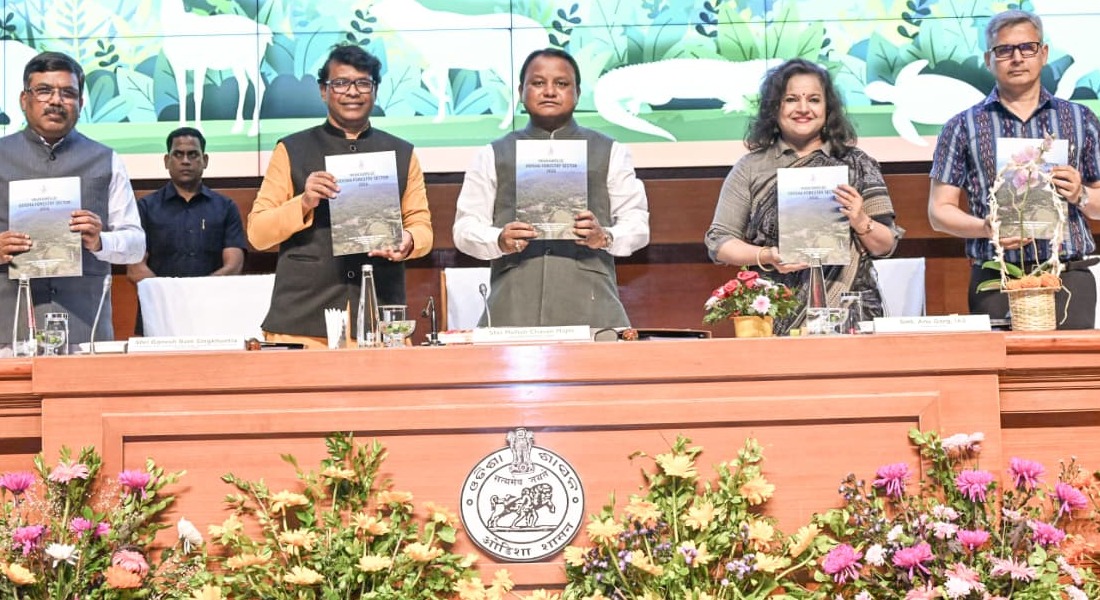
Bhubaneswar: Chief Minister Mohan Charan Majhi on Saturday said forests form the foundation of life and act as a vital shield for environmental security.

He made the remarks while attending a special programme organised on the occasion of World Forest Day at the Lok Seva Bhavan Convention Centre.

During the event, Majhi visited a photo exhibition and reviewed displays highlighting Odisha’s achievements in forest conservation and biodiversity protection.

In a post on X, Majhi said Odisha has emerged as a leading state in enhancing forest and tree cover due to scientific forest management and active public participation.

He added that the government has taken steps to address challenges such as forest fires and climate change by allocating adequate budgetary support and deploying modern technologies like artificial intelligence and drones.

He cautioned that a decline in forest cover leads to increased human-wildlife conflict and stressed the need for stronger conservation efforts. The chief minister urged citizens to actively participate in protecting forests and preserving the natural environment.

Highlighting the importance of tree plantation, he said saplings planted today would help build a better future. He also called for collective efforts to make the prime minister’s ‘Ek Ped Maa Ke Naam’ campaign successful and to promote an eco-friendly lifestyle for a prosperous Odisha.

Majhi thanked all those working in the field of forest protection and afforestation. He advised them to remain vigilant in preventing forest fires and reducing human-wildlife conflict.

He also directed the concerned department to take strict action against those responsible for man-made forest fires.

He said lush green forests are a unique gift of nature and form the foundation of both life and livelihood.

Indian Navy set to commission stealth frigate Taragiri on April 3

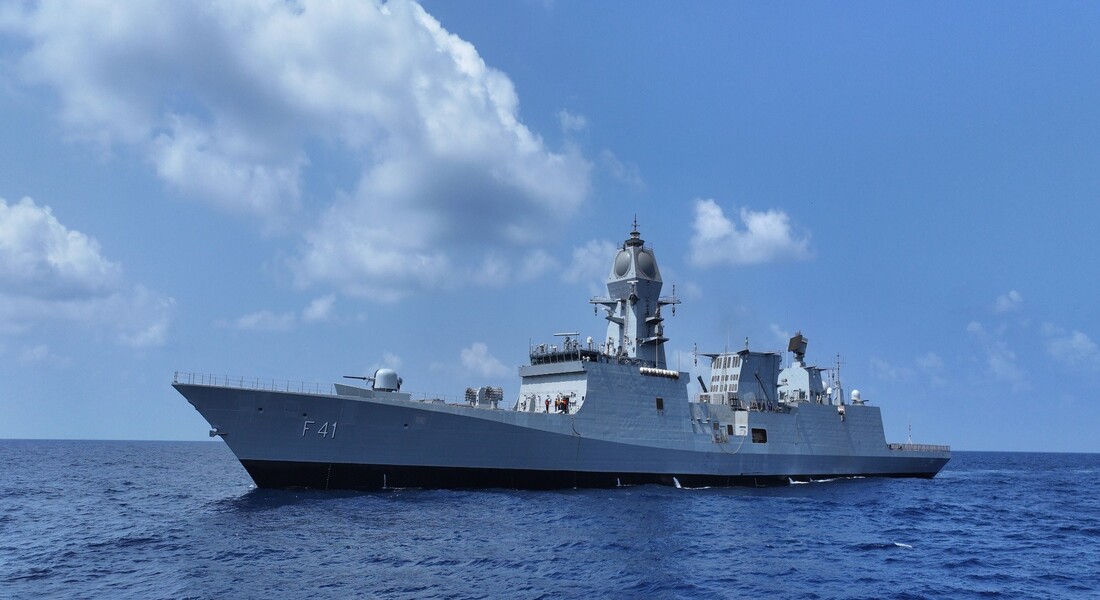
New Delhi: The Indian Navy will commission its latest stealth frigate, INS Taragiri (F41), on April 3, marking a major step in strengthening the country’s maritime capabilities and self-reliance in defence production.

The commissioning ceremony will take place in Visakhapatnam and will be presided over by Defence Minister Rajnath Singh. The event is expected to underline India’s progress toward becoming a self-reliant naval power, according to a government statement.

INS Taragiri is the fourth warship under the Project 17A class. The 6,670-tonne vessel reflects the government’s ‘Make in India’ push and showcases advances in indigenous shipbuilding.

Built by Mazagon Dock Shipbuilders Limited in Mumbai, the frigate features an improved design with a reduced radar cross-section, enhancing its stealth capabilities.

Officials indicated that indigenous content in the ship exceeds 75%, supported by a network of more than 200 micro, small, and medium enterprises, contributing to employment and domestic industry growth.

The warship is powered by a Combined Diesel or Gas propulsion system, enabling high-speed and long-endurance operations. It carries a range of advanced weapons, including supersonic surface-to-surface missiles, medium-range surface-to-air missiles, and an anti-submarine warfare suite.

These systems are integrated through an advanced combat management system to ensure quick and precise response during operations.

The Navy stated that the frigate is designed for multi-dimensional roles, including combat operations as well as humanitarian assistance and disaster relief missions. Officials added that the platform reflects the Navy’s focus on building a combat-ready, cohesive, and self-reliant force to safeguard national maritime interests.

US eases Iran oil sanctions as energy crisis widens globally

The ongoing Iran war has entered a complex phase, with fresh military tensions, economic disruptions, and shifting global responses shaping the conflict’s trajectory.

In a significant move to stabilise global energy markets, the United States has issued a 30-day sanctions waiver allowing the sale of Iranian oil already at sea. Announcing the decision, US Treasury Secretary Scott Bessent said the step would help ease supply pressures triggered by the conflict.

“By temporarily unlocking this existing supply for the world, the United States will quickly bring approximately 140 million barrels of oil to global markets,” Bessent said in a statement on X.

The waiver, effective from March 20 to April 19, is expected to influence global trade flows, with reports indicating that Indian refiners and other Asian buyers are considering resuming purchases of Iranian crude, pending further clarity from governments and payment mechanisms.

Despite the economic relief measures, US President Donald Trump signalled no immediate de-escalation. Speaking to reporters, he said, “We could have dialogue, but I don’t want to do a ceasefire… you don’t do a ceasefire when you’re literally obliterating the other side.”

In a post on Truth Social, Trump added that the US was “getting very close to meeting our objectives” and suggested that responsibility for securing the Strait of Hormuz should shift to other nations. “If asked, we will help these Countries in their Hormuz efforts, but it shouldn’t be necessary once Iran’s threat is eradicated,” he wrote.

The Strait of Hormuz remains a key flashpoint, with Iran effectively restricting movement through the vital shipping route, disrupting global energy supplies and pushing oil prices higher. European authorities have already begun adjusting their energy strategies, with reports indicating that the European Commission has urged member states to lower gas storage targets to manage supply pressures.

ALSO READ: Israel halts gas strikes after Trump call as war escalates

On the military front, the conflict continues to expand beyond the immediate region. Iran reportedly launched two ballistic missiles targeting the Diego Garcia military base in the Indian Ocean, a key US-UK strategic facility, though both failed to hit their targets.

Meanwhile, tensions across the Middle East remain high. Arab nations, including Saudi Arabia, have condemned Israeli strikes on Syrian military sites, calling them acts of aggression and urging international intervention.

Iran has also issued fresh warnings to the United Arab Emirates, cautioning against any attacks originating from its territory on disputed Gulf islands. A statement carried by Tasnim news agency warned of “heavy strikes” in response to any further escalation.

As the war approaches its fourth week, the crisis is no longer confined to direct military confrontation but is increasingly impacting global energy markets, trade flows, and diplomatic alignments—raising concerns of a prolonged and far-reaching geopolitical conflict.

Odisha moves to frame city gas distribution policy to boost clean energy access

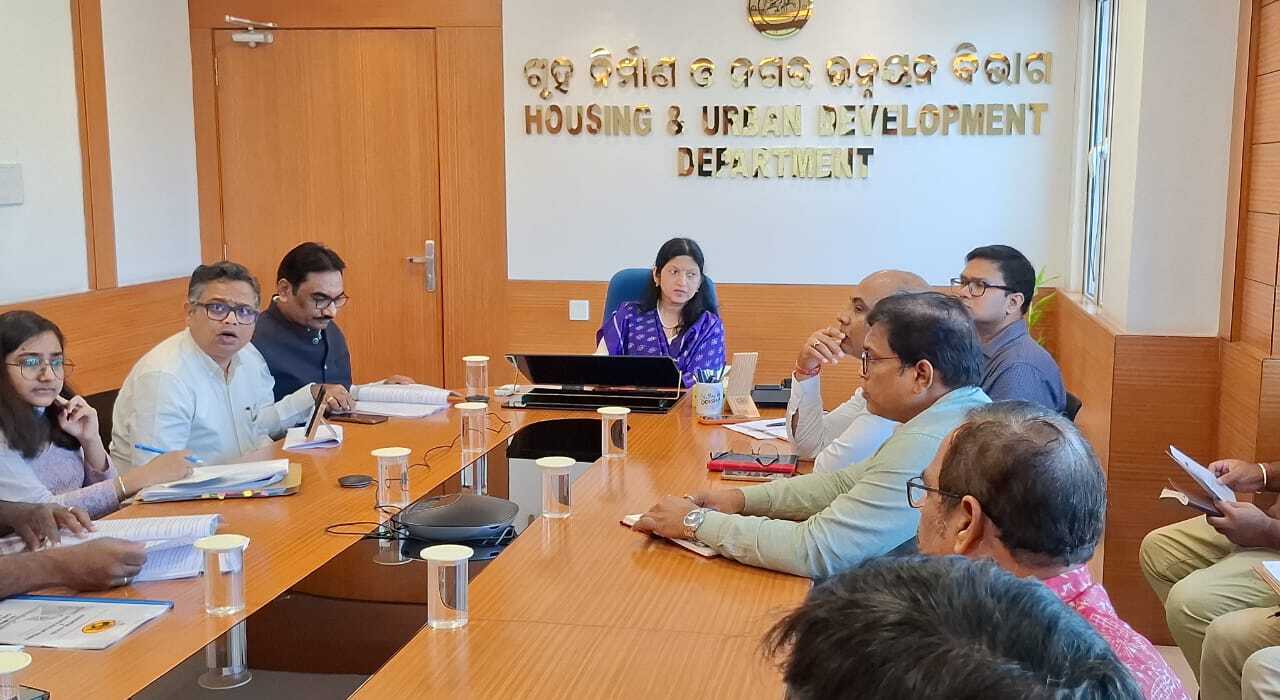
Bhubaneswar: The Housing & Urban Development (H&UD) Department of the government of Odisha has started the process to frame a comprehensive City Gas Distribution (CGD) policy. The move aims to strengthen urban utility infrastructure and promote clean energy adoption across the state.

A high-level consultative meeting took place at Kharabela Bhawan under the chairpersonship of Usha Padhee, Additional Chief Secretary, H&UD, and Chairperson of Odisha Industrial Infrastructure Development Corporation. The department held the meeting in collaboration with GAIL (India) Limited and Indian Oil Corporation Limited.

Officials discussed a strategic roadmap to expand Piped Natural Gas (PNG) networks across urban Odisha. They focused on building a citizen-centric policy aligned with the state’s long-term development goals.

Usha Padhee stressed the need for a practical and forward-looking policy framework to support the rapid expansion of city gas networks. She said the proposed policy would improve access to clean, efficient, and reliable energy. She added that it would also support sustainable urban development and better service delivery. She further said the state aims to design a policy that simplifies procedures and accelerates infrastructure rollout. She noted that the initiative would improve the ease of living in urban areas.

The meeting focused on key policy components such as streamlining permissions, rationalising licence fees, and introducing a single-window clearance system. Officials also discussed deemed approval mechanisms, institutional coordination, and service delivery systems to ensure smooth implementation. The department is working closely with energy sector stakeholders, including Indian Oil Corporation Limited and GAIL, to leverage technical expertise and ensure efficient execution of projects. The proposed CGD policy is expected to speed up PNG infrastructure rollout, improve coordination among stakeholders, and position Odisha as a leader in clean urban energy adoption.

Senior officials from the H&UD Department, IDCO, and municipal bodies attended the meeting. These included Arindam Dakua, Kirandeep Kaur Sahota, Nihar Ranjan Behera, Ratnakar Sahu, and Suvendu Kumar Sahoo, along with representatives from IOCL and GAIL. Officials said the inputs shared during the meeting would help shape a practical and forward-looking policy aligned with Odisha’s vision for a greener and more efficient urban future.

Odisha prepares for historic audit of Jagannath Temple jewels

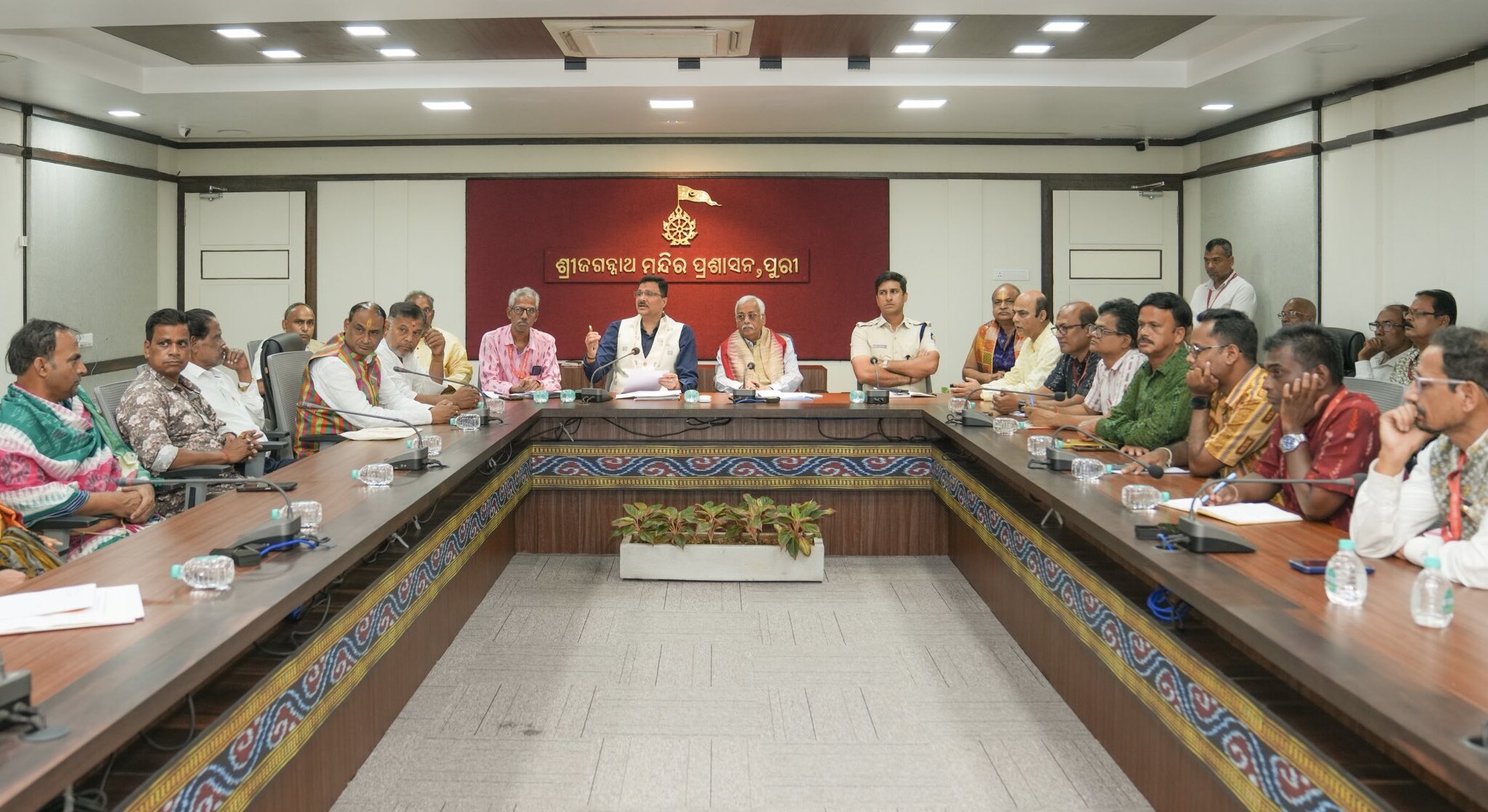
Puri: Preparations have officially commenced for the long-awaited inventorisation of ornaments and jewels housed in the sacred Ratna Bhandar of Shree Jagannath Temple, marking a major step toward documenting and preserving one of India’s most revered religious treasures.

A high-level meeting was held at the temple administration office under the chairmanship of Justice Biswanath Rath, who heads the Ratna Bhandar High-Level Committee. The meeting was attended by senior officials, including the Chief Administrator of the temple, the Superintendent of Police of Puri, and administrators overseeing rituals and development. Servitor representatives from the Managing Committee, along with traditional functionaries such as the Chhatisa Niyog Mahanayak, Bhandar Mekap, Tadhaukaran, and Deulakaran, also took part in the deliberations.

As per the Standard Operating Procedure (SOP) finalised by the Government of Odisha, the inventorisation process—locally known as “ganati manati”—is scheduled to begin from the 25th of this month. The exercise will be carried out in three phases with detailed planning to ensure accuracy and transparency. During this period, devotees will be allowed to have darshan of Lord Jagannath from the ‘bahar katha’ area, while the inventory work will be paused on weekends, major festivals, and days of heavy footfall to avoid disruption.

A key aspect of the exercise will involve cross-verification of the ornaments and jewels stored in the inner Ratna Bhandar with the inventory records prepared in 1978. This is expected to bring clarity and updated documentation of the temple’s priceless assets.

The development has generated considerable interest among millions of devotees for whom the Ratna Bhandar holds deep spiritual and cultural significance. Authorities are aiming to carry out the process in a systematic manner while maintaining the sanctity of temple traditions and ensuring a smooth experience for pilgrims.

NASA Rover uncovers ancient delta beneath Jezero Crater

Fresh evidence is strengthening the case that water once flowed abundantly on Mars, after scientists uncovered an ancient river delta hidden deep beneath the planet’s surface. The breakthrough discovery was made by NASA Perseverance Rover, which detected the formation more than 35 meters below ground inside Jezero Crater.

Launched in 2020, the rover has been exploring the Martian terrain since its landing in February 2021, with a primary mission to search for signs of ancient microbial life. Jezero Crater—about 45 kilometers wide and formed nearly 4 billion years ago by an asteroid impact—was selected due to strong indications that it once hosted water. In particular, a region known as the Margin Unit contains carbonate-rich rocks, which on Earth typically develop in calm, water-filled environments like lakes and shallow seas.

The latest findings, published in Science Advances, are based on extensive data collected during 78 rover traverses between September 2023 and February 2024.

Using its advanced instrument, the Radar Imager for Mars’ Subsurface Experiment (RIMFAX), Perseverance was able to scan nearly twice as deep as earlier radar investigations. Researchers, led by Emily Cardarelli from the University of California, Los Angeles, combined radar readings with satellite imagery and rover navigation data to construct a detailed 3D map of subsurface layers.

The radar revealed multiple clinoforms—sloping sedimentary layers that are strong indicators of delta formations. These structures typically form when rivers deposit sediment into standing bodies of water, such as lakes. Scientists estimate that this buried delta dates back between 3.7 billion and 4.2 billion years, making it older than the visible Western Delta on the crater floor.

The discovery points to the existence of an even earlier river system in the same location, suggesting that Mars may have supported flowing water for a longer period than previously believed. This extended timeline significantly boosts the possibility that the planet once harbored conditions suitable for life.

Researchers note that uncovering such ancient environments increases the chances of finding preserved biosignatures—chemical or structural traces of past life—within Martian rocks. As Perseverance continues its mission, scientists are hopeful that these hidden layers could hold vital clues about the Red Planet’s distant, water-rich past.

India on track for 1 billion 5G users by 2031: Pemmasani Chandra Sekhar

New Delhi: Minister of State for Communications Pemmasani Chandra Sekhar on Friday said India is on track to reach 1 billion 5G users by 2031.

Speaking at the ET Telecom 5G Summit in New Delhi, he highlighted India’s rapid progress in the telecom sector and said the country has the potential to emerge as a global leader in 5G and upcoming 6G technologies.

Highlighting the sector’s transformation, Sekhar said policy interventions over the past few years have significantly improved the operating environment for telecom companies, unlocking investments in next-generation infrastructure.

Reforms in areas such as revenue calculations, spectrum-related charges, and compliance requirements have reduced financial stress and enabled faster rollout of 5G services across the country, according to an official statement.

Beyond policy changes, the government has focused on execution by streamlining approvals, easing right-of-way processes, and simplifying licensing norms. This, combined with better coordination among stakeholders, has helped accelerate network expansion and improve service delivery, particularly in underserved regions.

The minister stressed that governance within the telecom sector is increasingly becoming outcome-driven, with greater emphasis on speed, accountability, and real-time problem-solving. Continuous engagement with service providers, startups, and state authorities has enabled quicker resolution of bottlenecks related to infrastructure deployment and connectivity gaps.

Rural connectivity remains a key priority, with tens of thousands of remote villages being brought under 4G coverage. Public sector operator BSNL has played a central role in strengthening infrastructure in these areas, alongside efforts to improve network reliability and uptime.

He also pointed to the scale of the BharatNet programme, under which the government is investing heavily to connect lakhs of gram panchayats with high-speed broadband. The initiative is expected to form the backbone for future digital services, including 5G and beyond.

Looking ahead, India is aiming to secure a meaningful share in global 6G development, including participation in international standard-setting processes such as those led by 3GPP. The minister said early involvement in such frameworks is crucial for both technological leadership and economic gains.

Citing global examples, he noted that countries that actively contributed to telecom standards in earlier generations saw their domestic companies emerge as global players. India is now seeking to replicate that trajectory through stronger industry participation and innovation.

The government is also working to build a more supportive ecosystem for startups and manufacturers by easing regulatory pathways and shortening approval timelines. Alongside this, efforts are underway to enhance service quality, strengthen network monitoring systems, and bolster telecom security frameworks.

Underscoring the broader shift, the minister said India is moving beyond being just a large telecom market to becoming a creator of technology, driven by collaboration between industry, policymakers, and innovators.

India, Italy review progress in India-EU ties at consultations

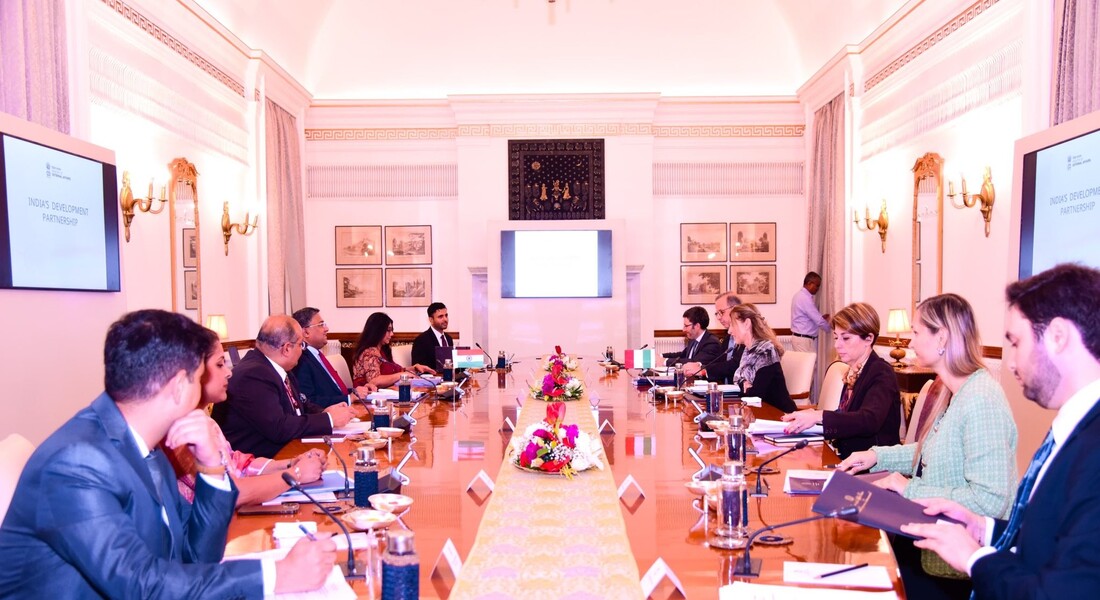
New Delhi: India and Italy welcomed progress in India’s partnership with the EU, including movement on the proposed Free Trade Agreement, security and defence cooperation, and mobility frameworks, during the 9th Foreign Office Consultations held on Friday.

Key regional developments in the Indo-Pacific and West Asia were also discussed as part of broader strategic exchanges.

The consultations provided a comprehensive review of bilateral relations, with both sides expressing satisfaction over the steady progress of the Joint Strategic Action Plan (2025-29), the External Affairs Ministry said in a release.

Cooperation has been expanding across sectors such as trade and economy, technology, space, research and innovation, defence and security, counter-terrorism, renewable energy, education, and people-to-people ties.

Both countries agreed to expedite the implementation of the India-Italy joint initiative to counter terrorist financing, reaffirming their shared commitment to tackling terrorism in a sustained and coordinated manner.

They also discussed advancing cooperation in the maritime domain, including plans to hold the first Maritime Security Dialogue aimed at strengthening safety, security, and growth in shared waters.

The meeting was held against the backdrop of continued high-level engagement between the two nations. Recent interactions include discussions between Prime Minister Narendra Modi and Italian Prime Minister Giorgia Meloni, as well as talks between External Affairs Minister Dr. S. Jaishankar and Italy’s Foreign Minister Antonio Tajani.

The Indian delegation at the consultations was led by Sibi George, Secretary (West) in the Ministry of External Affairs, while the Italian side was headed by Nicoletta Bombardiere from Italy’s Ministry of Foreign Affairs and International Cooperation.

Both sides also emphasized the need to strengthen collaboration in skilling and mobility, particularly in the healthcare sector, within the framework of the Migration and Mobility Agreement.

They noted that India-Italy ties continue to grow through regular institutional dialogue, ministerial engagement, and increasing participation from the private sector.

Reaffirming their commitment to further deepen the strategic partnership, the two countries agreed to maintain momentum through regular consultations and sectoral dialogues. The next round of Foreign Office Consultations will be held in Italy on mutually convenient dates.

Badminton: Tanvi Sharma stuns Natsuki Nidaira to reach Orleans Masters semifinals

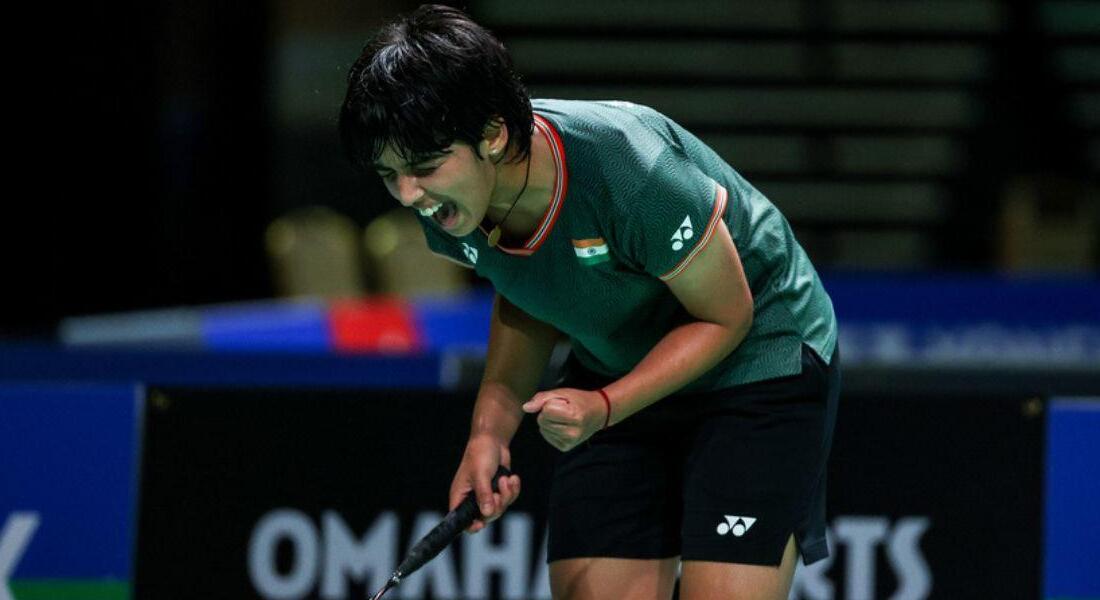
New Delhi: India’s rising shuttler Tanvi Sharma delivered a commanding performance to upset Japan’s sixth seed Natsuki Nidaira and book her place in the semifinals of the Orléans Masters Super 300 tournament on Friday.

The 17-year-old, a silver medallist at the BWF World Junior Championships, secured a straight-game victory, winning 21-14, 21-14 in 43 minutes in the women’s singles quarterfinals, according to media reports.

Tanvi, who became the youngest Indian to reach a BWF World Tour final at the US Open Super 300 in 2025, will next face either former world champion Nozomi Okuhara or Vietnam’s Nguyen Thuy Linh in the semifinals.

The result marks a significant milestone for Tanvi as she continues her impressive rise on the international circuit.

Meanwhile, India’s challenge in the men’s doubles came to an end in the quarterfinal stage. The Indonesian pair of Leo Carnando and Bagas Maulana defeated Hariharan Amsakarunan and MR Arjun 21-12, 22-20 to advance further in the tournament.