
Escalation continues with fresh strikes, Hormuz tensions and fragile talks shaping conflict trajectory
Iran on Monday threatened to target power plants across West Asia that supply electricity to US military bases, even as US President Donald Trump announced a temporary pause in planned strikes, signalling a fragile diplomatic window in the ongoing conflict.
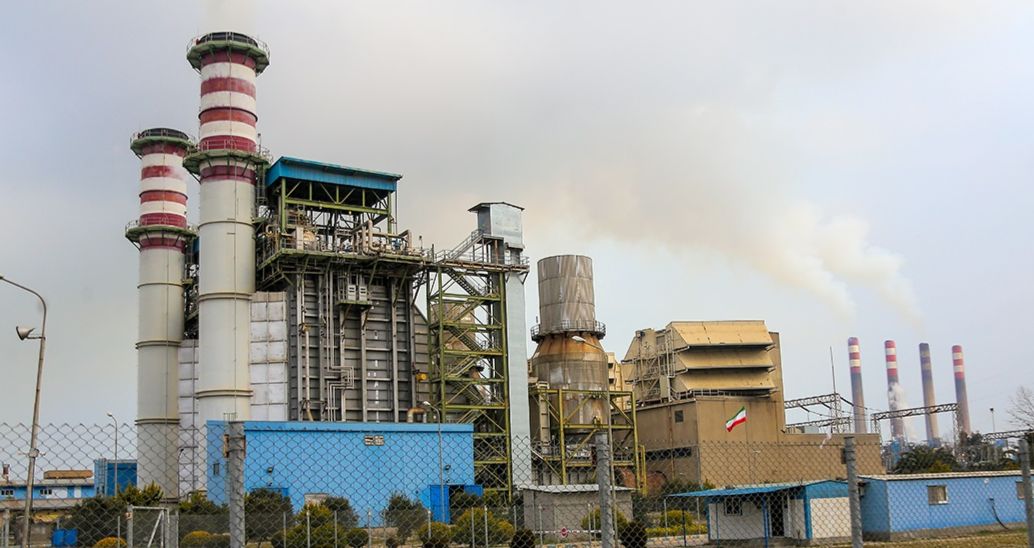
According to Iranian state media Press TV, the Islamic Revolutionary Guard Corps (IRGC) warned that any attack on Iran’s energy infrastructure would trigger retaliation targeting regional power facilities and economic assets linked to the United States.
“What we have done is to announce our decision that if the power plants are attacked, Iran will retaliate by targeting the power plants of the occupying regime and the power plants of regional countries that supply electricity to US bases,” the statement said, adding, “Do not doubt that we will do this.”
The IRGC also accused the United States of initiating the conflict, claiming, “It is the aggressive and inhumane American army that started this war… and has so far targeted five water infrastructure sites.”
The escalation comes amid tensions over the Strait of Hormuz, a critical global shipping route. Iran’s Defense Council said the passage of non-hostile vessels would now require coordination with Iranian authorities, warning of a “decisive and destructive response” to any further attacks on its energy infrastructure.
It further cautioned that any aggression near Iranian coasts could lead to the laying of naval mines, potentially freezing maritime activity across the Persian Gulf.
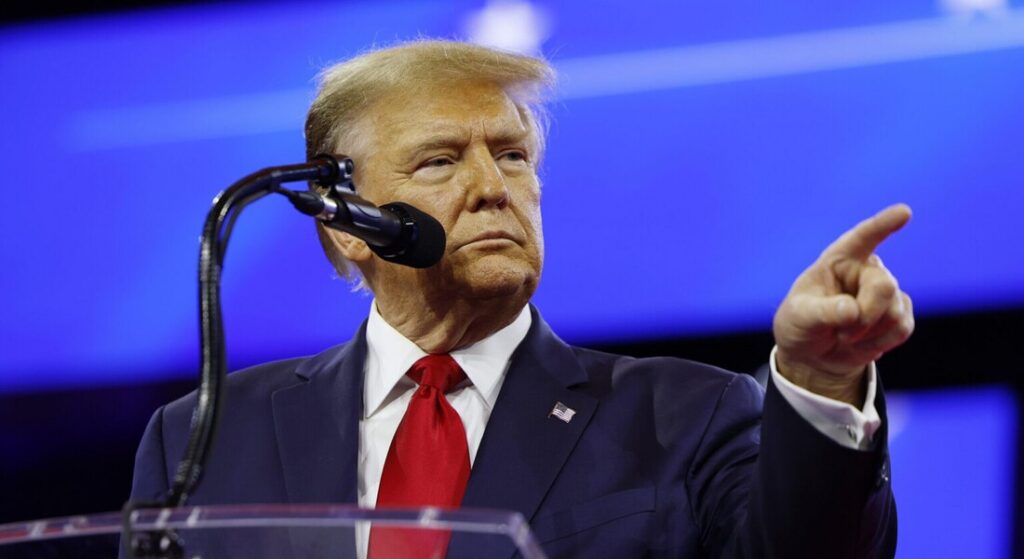
Meanwhile, Trump said he had ordered a five-day pause on US strikes targeting Iranian energy infrastructure following what he described as “very good and productive conversations” with Tehran.
“I have instructed the department of war to postpone any and all military strikes against Iranian power plants and energy infrastructure for a five day period,” Trump said in a post on Truth Social, adding that the move was “subject to the success of the ongoing meetings and discussions.”
The announcement came just days after Trump had warned that the US would “obliterate” Iran’s power plants if the Strait of Hormuz was not reopened within 48 hours.
ALSO READ: Trump warns strikes on Iran power plants as war intensifies | Modi reviews West Asia conflict, directs steps to shield economy, citizens
Despite the pause, hostilities continued on the ground. The Israeli military said it had “begun a wide-scale wave of strikes” targeting infrastructure in Tehran, while the US military confirmed strikes on a turbine engine production site in Qom province linked to Iran’s drone and aircraft programmes.
According to CENTCOM chief Admiral Brad Cooper, Iran has been launching missiles and drones from populated areas, though no evidence was provided for the claim.
Reports from Tehran indicated intense bombardment, with Al Jazeera Arabic describing the explosions as “unprecedented”, particularly in the eastern parts of the city where air defence systems were activated.
Civilian casualties have also been reported. Iran’s Fars news agency said a strike on a residential building in Khorramabad killed one child and injured several others, while at least six people were killed in attacks on homes in Tabriz.
Iran has also claimed to have struck Israel’s Dimona nuclear complex in retaliation for earlier attacks on its Natanz facility, as well as targeting US-linked assets following strikes on its energy infrastructure.
As both sides intensify military operations while leaving the door open for negotiations, the conflict continues to pose significant risks to regional stability and global energy security.