
New Delhi: Three years after India imposed a nationwide ban on several single-use plastic items, a new study has found that banned materials continue to be widely used across major cities, pointing to persistent gaps in enforcement and behavioural change.
A report by environmental research organisation Toxics Link revealed that 84 percent of 560 surveyed locations across Delhi, Mumbai, Guwahati and Bhubaneswar were still using or selling banned plastic items . The findings, based on field surveys conducted between April and August 2025, underline the disconnect between policy intent and on-ground reality.
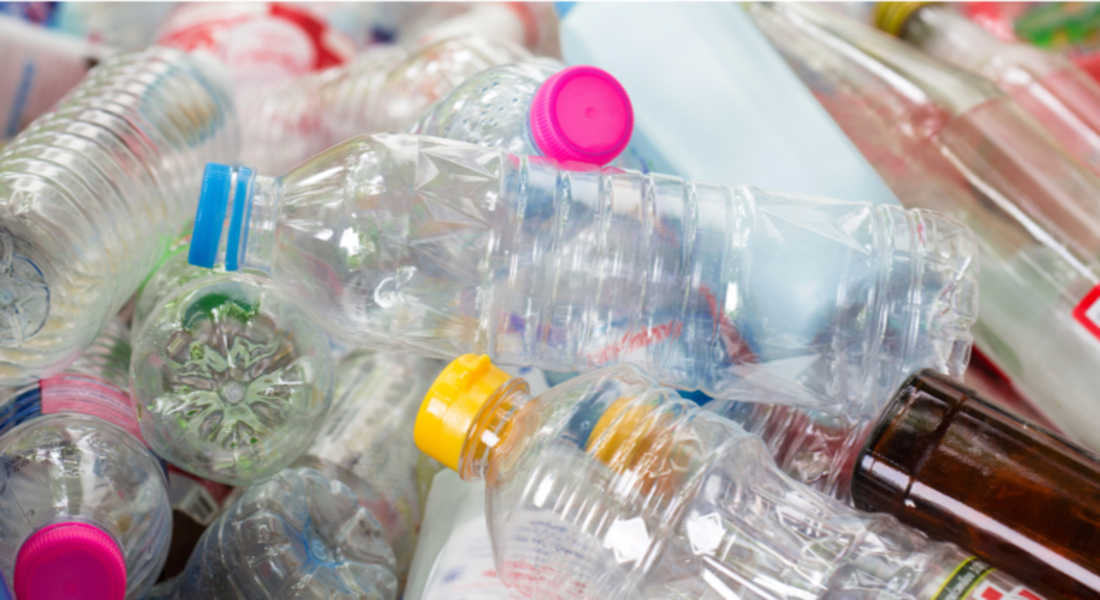
The study covered a wide range of establishments, including street vendors, small eateries, markets, grocery stores, railway platforms and organised retail spaces. It found that thin plastic carry bags, disposable cutlery, cups, plates and straws remain in widespread use, particularly in informal sectors.
Among the cities surveyed, Bhubaneswar recorded the highest prevalence of banned plastics at 89 percent of locations, followed by Delhi (86 percent), Mumbai (85 percent) and Guwahati (76 percent) .
“The continued presence of banned plastic items in a majority of locations suggests that enforcement remains inconsistent,” said Ravi Agarwal, Director of Toxics Link. “Unless implementation improves and the supply of these products is controlled, the ban will not effectively address plastic littering and pollution.”
The report highlights that small and informal vendors remain the biggest users of banned plastics, largely driven by cost constraints and consumer expectations. According to the findings, 91 percent of vendors said customers still demand plastic carry bags, while many cited the higher cost of alternatives as a barrier to switching.
According to the study, 91 percent of small vendors said customers still ask for carry bags, while the same proportion cited, higher cost of alternatives as a key barrier to switching. Interactions with vendors also revealed that while 55 percent reported customers bring their own bags, many consumers still expect vendors to provide free carry bags
“Vendor reluctance to transition away from single-use plastics (SUPs) is partly influenced by customer preferences,” said Satish Sinha, Associate Director of Toxics Link. “Customers also perceive disposable plates and cutlery to be more hygienic than reusable items. Our survey found that this perception, along with the cost advantage of SUPs, continues to drive their use among small and local vendors.”
While organised retail spaces showed relatively better compliance, the continued availability of banned products suggests gaps in controlling their production and distribution. The report notes that despite the ban, such items remain easily accessible in the market, indicating weak oversight and enforcement mechanisms.
Interestingly, the study points out that alternatives such as paper products, cloth bags, wooden cutlery and reusable containers are available, but their adoption remains limited due to cost, convenience and lack of widespread awareness.
The report calls for stronger monitoring, stricter enforcement, improved affordability of sustainable alternatives and targeted support for small vendors. It also emphasises the need for sustained public awareness campaigns to reduce consumer dependence on single-use plastics.
“India must move beyond bans towards sustained behaviour change and systemic solutions,” Sinha added. “Better enforcement, affordable alternatives, and stronger control of plastic production are essential to reduce plastic pollution.”
The findings come as India continues to grapple with rising plastic waste, highlighting that legislative action alone may not be sufficient without coordinated efforts across supply chains, markets and consumer behaviour.
India had imposed a nationwide ban on the manufacture, import, stocking, distribution, sale and use of 19 identified single-use plastic items from July 1, 2022, targeting products with low utility and high littering potential. These include plastic cutlery, straws, thermocol and thin carry bags below 120 microns, with enforcement overseen by the Central Pollution Control Board (CPCB).