At IndiaVerve, we go beyond the noise to bring you meaningful stories of change, resilience and progress—from India to the world stage. Our mission is to bring readers credible, wide-ranging coverage across politics, business, sports, culture, society and more.
At IndiaVerve, we go beyond the noise to bring you meaningful stories of change, resilience and progress—from India to the world stage. Our mission is to bring readers credible, wide-ranging coverage across politics, business, sports, culture, society and more.
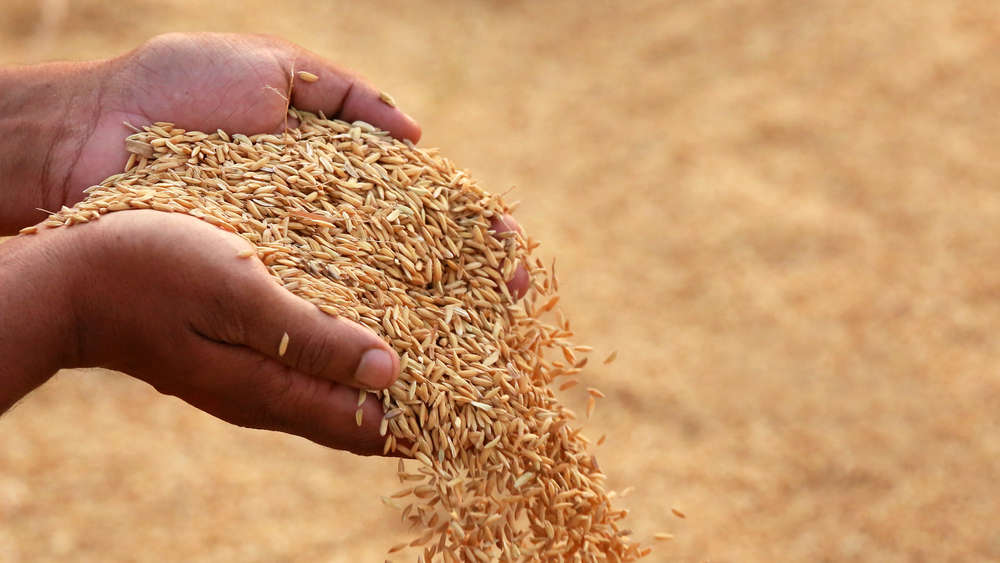
Bhubaneswar: Odisha’s paddy procurement for the 2025–26 Kharif season has reached a record high, with over 75 lakh metric tonnes of paddy procured as the process enters its final phase.
According to official data, around 75,45,381 metric tonnes of paddy have arrived at mandis across the state, out of which 75,20,212 metric tonnes have already been procured.
The procurement drive has benefited a large number of farmers, with 18,11,988 cultivators selling their produce so far this season. Of the total stock collected, millers have lifted approximately 73,46,226 metric tonnes from procurement centres.
The Minimum Support Price (MSP) mechanism has played a key role in ensuring fair returns to farmers, with ₹22,337.60 crore disbursed so far in MSP payments and input assistance. The state government has also ensured that payments are credited directly into farmers’ bank accounts, enhancing transparency and efficiency.
District-wise data shows Bargarh leading procurement efforts with 7,69,838 metric tonnes, followed by Kalahandi with 6,43,178 metric tonnes. Ganjam and Subarnapur recorded procurement of 5,58,012 metric tonnes and 3,79,045 metric tonnes respectively.
The latest figures reflect a steady increase in paddy procurement in recent years. Procurement stood at 58,03,664 metric tonnes in 2023–24, rising to 73,02,782 metric tonnes in 2024–25, and further reaching 74,92,893 metric tonnes in the current season as of March 24.
The rise of over 16 lakh metric tonnes in two years indicates sustained growth in agricultural output and strengthening of the rural economy in Odisha.
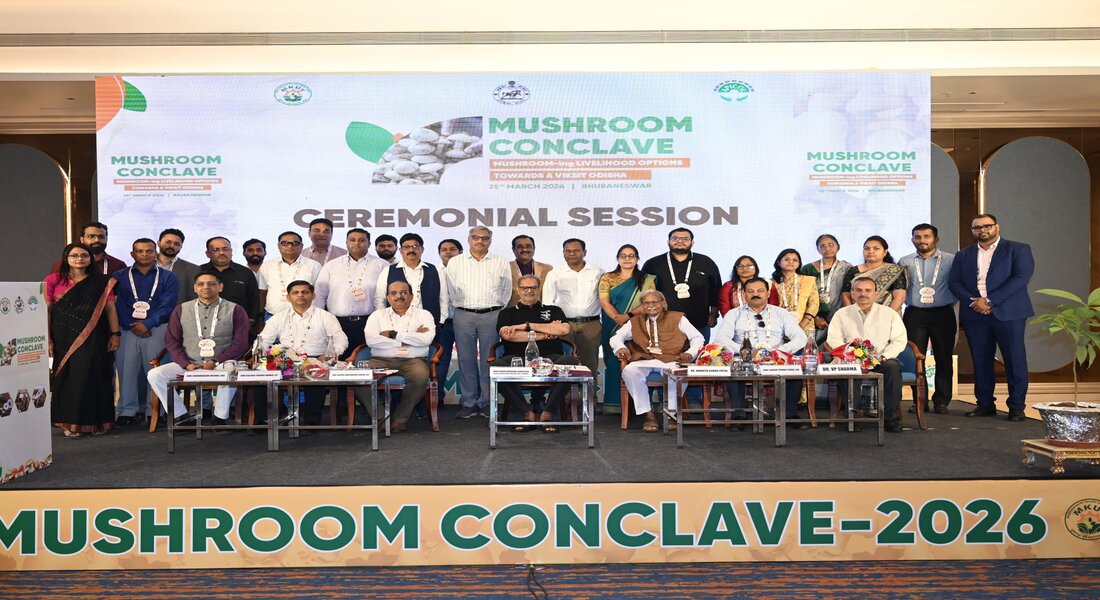
Bhubaneswar: The Mushroom Conclave 2026 has been organised in the city on Wednesday, focusing on expanding mushroom cultivation as a sustainable livelihood avenue in the state.
Organised by the Agricultural Promotion and Investment Corporation of Odisha Limited (APICOL) under the Department of Agriculture & Farmers’ Empowerment, the conclave centred on the theme “Mushrooming livelihood options towards a Viksit Odisha.”
The event featured technical sessions on advanced production techniques, post-harvest management, value addition and market linkages in the mushroom sector.
Addressing the gathering, Deputy Chief Minister Kanak Vardhan Singh Deo said Odisha accounts for around 11 percent of India’s total mushroom production. He described mushrooms as a “super food” due to their high nutritional value, low fat and cholesterol content, and environmentally sustainable cultivation practices. He added that the state government is promoting mushroom farming through subsidies under the Mukhyamantri Krushi Udyog Yojana (MKUY), along with efforts to strengthen market linkages and logistics support.
During the event, a new APICOL website was launched, and Go-Ahead letters were distributed to mushroom producers for setting up production and spawn units.
More than 170 participants from across the state, including members of the Mushroom Federation, attended the conclave. Nine expert speakers shared insights on various technical aspects of mushroom cultivation and its value chain.
Commissioner-cum-Secretary of the Department of Agriculture & Farmers’ Empowerment, Sachin Ramchandra Jadhav, said mushroom cultivation offers quick returns and requires relatively less water compared to other crops.
Other speakers included Director of Soil Conservation & Watershed Development Subrat Kumar Panda, Director of Horticulture Kalunge Gorakh Waman, OUAT Vice-Chancellor Dr Prabhat Kumar Raul, Dr V P Sharma, APICOL Managing Director Shubhranshu Mishra, and Prof Adwaita Kumar Patra, Chairman of the Odisha Mushroom Growers Federation. They highlighted the role of mushroom farming in boosting farmer incomes and strengthening rural livelihoods.
According to an official release, Odisha produced 63,000 metric tonnes of mushrooms this year. A total of 1,207 farmers have received approval to set up mushroom-based enterprises, including spawn production, cultivation and processing units for paddy straw, oyster and button mushrooms. Of these, 207 entrepreneurs have already received subsidies to establish their units.
The event underlined the state’s efforts to build a market-driven mushroom ecosystem and expand income opportunities for farmers.
Bhubaneswar: The Common PG Entrance Test (CPET) 2026 will be conducted from May 5 to May 18, with over 58,000 candidates set to compete for postgraduate seats across Odisha.
According to the Higher Education Department notification, a total of 58,708 candidates have applied for 31,915 postgraduate seats across various institutions in the state for the academic session 2026–27.
The application process was conducted through the SAMS portal between February 27 and March 22. The compiled applicant data is scheduled to be handed over to the State Selection Board (SSB) on March 26 for further processing.
Admit cards for the entrance examination will be released on April 30, and candidates will be able to download them from the official SSB website.
Admissions to postgraduate courses will be based on marks secured in the CPET examination.
The Higher Education Department has also set a timeline to begin postgraduate classes across universities and colleges in the state by July 10, aiming to ensure a timely academic calendar.
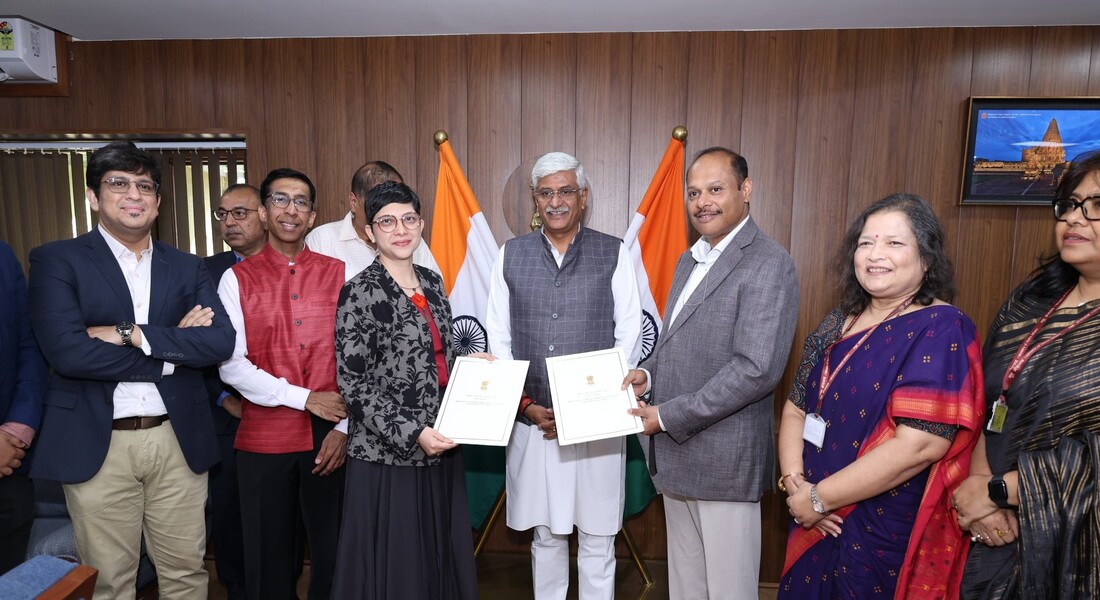
New Delhi: The Ministry of Culture on Wednesday exchanged a Memorandum of Understanding (MoU) with YouTube to promote and amplify Indian traditional, folk, and tribal music on the global stage.
Union Minister for Culture and Tourism Gajendra Singh Shekhawat, Culture Secretary Vivek Aggarwal, and YouTube India Managing Director Gunjan Soni attended the event, according to an official statement.
Shekhawat said that preserving and promoting India’s diverse folk traditions remains a key priority for the ministry. He stated that the partnership with YouTube marks an important step in strengthening the creative economy and supporting artists. He added that the initiative aims to provide folk musicians with the tools and platforms needed to enhance their visibility, sustainability, and recognition in India and abroad.
Aggarwal said the ministry is working to expand access so that artists from across the country can showcase their traditions while building independent careers. He noted that the collaboration combines YouTube’s global reach with the ministry’s institutional network to create opportunities for artists to become self-reliant.
Soni said YouTube aims to support creators from every part of India in reaching global audiences. She stated that the partnership offers an opportunity to preserve and promote India’s rich folk music traditions. She added that the platform will work with the Ministry to equip artists with digital skills and help them build sustainable careers.
The initiative focuses on empowering traditional and folk musicians by providing access to digital tools, knowledge systems, and wider audiences. It aims to strengthen the ecosystem through digital training, awareness of intellectual property rights, collaboration opportunities, and sustainable career pathways.
Officials said India’s traditional and tribal music heritage faces challenges related to global visibility, digital distribution, and rights awareness. The programme seeks to address these gaps through structured training, access to infrastructure, and institutional support.
The ministry will provide strategic leadership for the programme, with a joint task force overseeing implementation and impact assessment. Its affiliated institutions will offer facilities, including recording infrastructure where feasible, and support regional outreach, training materials, and mentorship.
Under the MoU, YouTube will assist in training artists in digital content creation, channel management, monetisation strategies, copyright management, and audience analytics.
New Delhi: The Union Cabinet, chaired by Prime Minister Narendra Modi, has approved the Modified Regional Connectivity Scheme (UDAN) for 10 years from FY 2026-27 to FY 2035-36.
The scheme will be implemented with a total outlay of Rs 28,840 crore with budgetary support from the Union government.
The scheme aims to expand regional air connectivity by linking underserved and unserved areas across the country. It is expected to strengthen economic activity by boosting trade, tourism, and business opportunities in Tier-2 and Tier-3 cities, according to an official statement.
The initiative will also make air travel more affordable for common citizens and improve access to emergency services and healthcare in remote, hilly, and island regions. In addition, it will enhance the financial sustainability of regional airports and airline operators while promoting the growth of the indigenous aerospace sector under the Atmanirbhar Bharat initiative. The scheme is also aligned with the broader goal of achieving Viksit Bharat 2047.
Under the scheme, the government plans to develop 100 airports by upgrading existing unserved airstrips. This infrastructure push is aimed at expanding aviation reach and strengthening regional connectivity, with an estimated investment of Rs 12,159 crore over the next eight years.
To address the high operational costs of regional aerodromes, the scheme includes financial support for operation and maintenance. Assistance will be provided for three years, capped at Rs 3.06 crore per airport annually and Rs 0.90 crore per heliport or water aerodrome. The total estimated allocation for this component is Rs 2,577 crore, covering around 441 aerodromes.
The scheme also focuses on improving last-mile connectivity in difficult terrains by developing 200 modern helipads. Each helipad is estimated to cost Rs 15 crore, with a total projected investment of Rs 3,661 crore over the next eight years, particularly targeting remote and aspirational districts.
To ensure the viability of regional routes, airline operators will receive financial support through Viability Gap Funding. A total of Rs 10,043 crore has been earmarked over 10 years to support sustained operations and encourage participation from airlines.
In a move to strengthen domestic aviation capabilities, the scheme includes the procurement of two HAL Dhruv helicopters for Pawan Hans and two HAL Dornier aircraft for Alliance Air. This step is aimed at addressing the shortage of aircraft for operations in remote areas while promoting indigenous manufacturing.
The original UDAN scheme, launched in October 2016, was designed to make air travel affordable and improve connectivity to smaller cities. Over the past nine years, 663 routes have been operationalised across 95 airports, heliports, and water aerodromes. More than 3.41 lakh flights have been conducted, carrying over 162.47 lakh passengers. The scheme has significantly improved connectivity in remote and underserved regions while supporting the growth of regional airlines.
Bhubaneswar: The Cyber Crime Police Station of the Odisha Crime Branch has arrested one person in connection with a high-value online investment fraud involving a fake trading platform.
According to officials, the complainant was first contacted on July 31, 2025, through WhatsApp by cyber fraudsters posing as stock market consultants. They added him to a group, shared fake investment tips, and circulated fabricated testimonials to gain his trust.
The fraudsters then persuaded the victim to install a fraudulent trading application and invest money. Between August 12 and September 2, 2025, the complainant transferred Rs 12.33 crore from his Axis Bank account into nine different accounts through 52 transactions, following instructions from the accused.
When the victim attempted to withdraw his funds, the so-called “risk control team” of the fake platform blocked the request on various pretexts. Suspecting fraud, he later lodged an FIR at the Cyber Crime Police Station, according to the Crime Branch release.
During the investigation, a team led by Inspector Tapan Kumar Pradhan analysed transaction trails and digital evidence. Based on technical inputs and field verification, officials conducted a raid at Maniktala in Kolkata, West Bengal, and arrested Rahul Jaiswal (36).
Police said Rs 4.15 crore from the defrauded amount had been transferred to the bank account linked to the accused. He is an MBA graduate and currently self-employed.
During the operation, officials seized mobile phones, SIM cards, and other digital devices from his possession.
The accused was produced before the court of the A.C.J.M., Sealdah, Kolkata, and brought on transit remand. He will be produced before the court of J.M.F.C.-III, Cuttack, for further legal proceedings.
Officials said further investigation is underway to identify other members of the organised cyber fraud network and to trace the remaining amount.
Bhubaneswar: In a move aimed at accelerating clean energy adoption in urban areas, the Odisha government has streamlined approval processes for City Gas Distribution (CGD) projects to fast-track the rollout of piped natural gas (PNG) infrastructure.
According to an official release, the Housing & Urban Development Department has issued a comprehensive order simplifying procedures and reducing administrative hurdles for CGD projects across the state. The directive has been issued by Additional Chief Secretary Usha Padhee, who also chairs IDCO, underscoring the government’s push towards a gas-based economy.
As part of the reforms, Urban Local Bodies (ULBs) have been instructed to waive permission fees for laying underground pipelines and related infrastructure. The order also states that no fresh approvals will be required for projects that are already sanctioned or under execution, ensuring continuity and minimising delays.
The government has further directed authorities to process applications within defined timelines, emphasising faster clearances. In a bid to maintain project momentum, restrictions on road-cutting during certain periods have also been relaxed specifically for CGD works.
At the same time, accountability measures have been built into the framework. CGD entities will be responsible for restoring roads and public infrastructure at their own cost, in line with prescribed standards.
To strengthen coordination, the Director of Municipal Administration has been designated as the nodal authority to oversee and monitor CGD-related activities across Odisha. Departments including Works, Water Resources, Energy, and Panchayati Raj & Drinking Water have been asked to extend full support for effective implementation.
The measures will remain in effect until June 30, 2026, or until further orders.
The initiative is expected to accelerate the expansion of PNG connections, promote cleaner fuel usage, and enhance urban infrastructure, aligning with Odisha’s broader goal of transitioning towards a more sustainable and energy-efficient future.
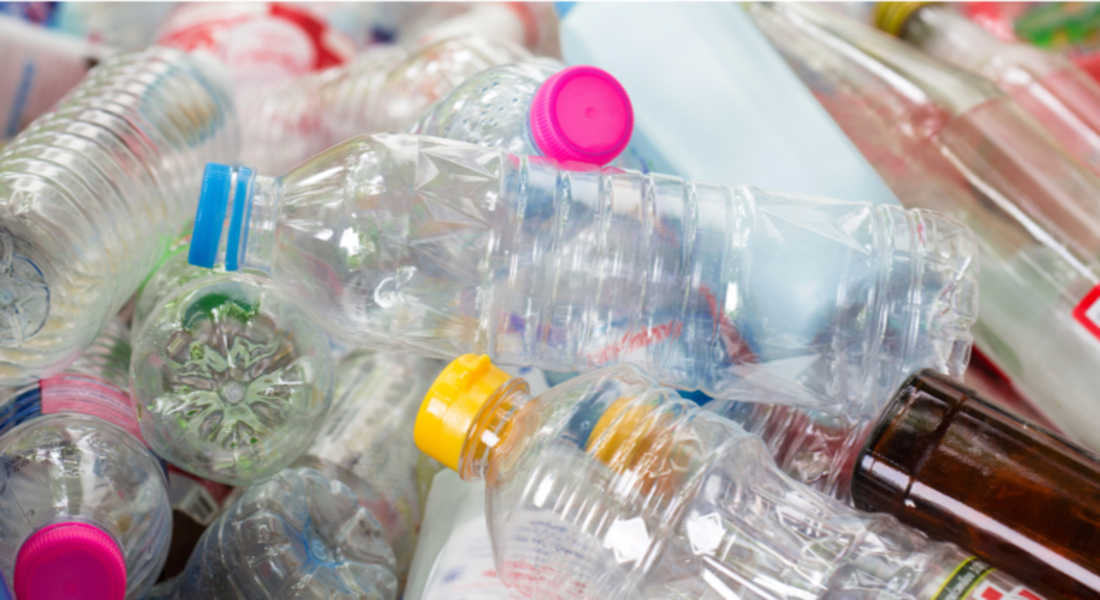
New Delhi: Three years after India imposed a nationwide ban on several single-use plastic items, a new study has found that banned materials continue to be widely used across major cities, pointing to persistent gaps in enforcement and behavioural change.
A report by environmental research organisation Toxics Link revealed that 84 percent of 560 surveyed locations across Delhi, Mumbai, Guwahati and Bhubaneswar were still using or selling banned plastic items . The findings, based on field surveys conducted between April and August 2025, underline the disconnect between policy intent and on-ground reality.
The study covered a wide range of establishments, including street vendors, small eateries, markets, grocery stores, railway platforms and organised retail spaces. It found that thin plastic carry bags, disposable cutlery, cups, plates and straws remain in widespread use, particularly in informal sectors.
Among the cities surveyed, Bhubaneswar recorded the highest prevalence of banned plastics at 89 percent of locations, followed by Delhi (86 percent), Mumbai (85 percent) and Guwahati (76 percent) .
“The continued presence of banned plastic items in a majority of locations suggests that enforcement remains inconsistent,” said Ravi Agarwal, Director of Toxics Link. “Unless implementation improves and the supply of these products is controlled, the ban will not effectively address plastic littering and pollution.”
The report highlights that small and informal vendors remain the biggest users of banned plastics, largely driven by cost constraints and consumer expectations. According to the findings, 91 percent of vendors said customers still demand plastic carry bags, while many cited the higher cost of alternatives as a barrier to switching.
According to the study, 91 percent of small vendors said customers still ask for carry bags, while the same proportion cited, higher cost of alternatives as a key barrier to switching. Interactions with vendors also revealed that while 55 percent reported customers bring their own bags, many consumers still expect vendors to provide free carry bags
“Vendor reluctance to transition away from single-use plastics (SUPs) is partly influenced by customer preferences,” said Satish Sinha, Associate Director of Toxics Link. “Customers also perceive disposable plates and cutlery to be more hygienic than reusable items. Our survey found that this perception, along with the cost advantage of SUPs, continues to drive their use among small and local vendors.”
While organised retail spaces showed relatively better compliance, the continued availability of banned products suggests gaps in controlling their production and distribution. The report notes that despite the ban, such items remain easily accessible in the market, indicating weak oversight and enforcement mechanisms.
Interestingly, the study points out that alternatives such as paper products, cloth bags, wooden cutlery and reusable containers are available, but their adoption remains limited due to cost, convenience and lack of widespread awareness.
The report calls for stronger monitoring, stricter enforcement, improved affordability of sustainable alternatives and targeted support for small vendors. It also emphasises the need for sustained public awareness campaigns to reduce consumer dependence on single-use plastics.
“India must move beyond bans towards sustained behaviour change and systemic solutions,” Sinha added. “Better enforcement, affordable alternatives, and stronger control of plastic production are essential to reduce plastic pollution.”
The findings come as India continues to grapple with rising plastic waste, highlighting that legislative action alone may not be sufficient without coordinated efforts across supply chains, markets and consumer behaviour.
India had imposed a nationwide ban on the manufacture, import, stocking, distribution, sale and use of 19 identified single-use plastic items from July 1, 2022, targeting products with low utility and high littering potential. These include plastic cutlery, straws, thermocol and thin carry bags below 120 microns, with enforcement overseen by the Central Pollution Control Board (CPCB).
Conditional access through Strait of Hormuz offered as shipping drops and peace talks gain traction amid continued hostilities
New Delhi: Iran has announced conditional safe passage for “non-hostile” vessels through the Strait of Hormuz, even as maritime traffic remains severely disrupted and diplomatic efforts to end the ongoing conflict show tentative signs of progress.
In a statement, Iran’s mission to the United Nations said ships could transit the key waterway “provided that they neither participate in nor support acts of aggression against Iran and fully comply with the declared safety and security regulations.” The statement, according to Al Jazeera, added that passage would be allowed “in coordination with the competent Iranian authorities.”
Despite the announcement, shipping activity through the strait remains sharply reduced. According to maritime intelligence firm Windward, only five vessels were tracked passing through the waterway on Monday, compared to an average of around 120 daily transits before the United States and Israel launched their war on Iran on February 28.
The Strait of Hormuz, which typically handles nearly one-fifth of global oil and liquefied natural gas supplies, has been at the centre of a global energy crisis triggered by the conflict.
Amid the disruption, US President Donald Trump said he has sent a peace plan to Iran and expressed optimism about ending the nearly month-long war. The diplomatic outreach comes alongside ongoing hostilities, with Iran firing missiles at Israel on Tuesday, causing injuries and damage in Tel Aviv. City mayor Ron Huldai described the incident as a “direct strike” on a building in an upscale neighbourhood.
At the same time, Israel continued its military operations, including fresh strikes on Beirut’s southern suburbs and operations against Iran-backed Hezbollah fighters in southern Lebanon, according to Israeli military statements.
Israel’s Defence Minister Israel Katz said the country would retain control of a proposed “security zone” in southern Lebanon extending up to the Litani River until the threat from Hezbollah is eliminated, even as Israeli air strikes continued to target positions of the Iran-backed group, which in turn maintained its rocket attacks on northern Israel.
“The IDF will continue to operate in Lebanon with full force against Hezbollah. Hundreds of thousands of residents of southern Lebanon who evacuated northward will not [be allowed to] return south of the Litani River until security for the residents of the north [of Israel] is ensured,” Katz was quoted by the Times of Israel as sayaing during an assessment with IDF top officers.
US President Donald Trump also held a phone conversation with India’s Prime Minister Narendra Modi, their first since the conflict began, to discuss the evolving situation. The war has already claimed the lives of at least six Indian nationals and disrupted global energy flows, particularly through the Strait of Hormuz.
In a post on X, Shri Modi said he had a useful exchange of views with Trump on the situation in West Asia and reiterated India’s postion that New Delhi “supports de-escalation and restoration of peace” at soon as possible. “Ensuring that the Strait of Hormuz remains open, secure and accessible is essential for the whole world. We agreed to stay in touch regarding efforts towards peace and stability,” he added.
Received a call from President Trump and had a useful exchange of views on the situation in West Asia. India supports de-escalation and restoration of peace at the earliest. Ensuring that the Strait of Hormuz remains open, secure and accessible is essential for the whole world.…
In a parallel diplomatic development, Pakistan Prime Minister Shehbaz Sharif said Islamabad is willing to host talks aimed at ending the conflict, amid growing international pressure for de-escalation.
However, signs of escalation persist. According to media reports, the Pentagon is preparing to deploy thousands of troops from the elite 82nd Airborne Division to the Middle East, adding to an already significant military buildup even as negotiations are being explored.
The unfolding situation reflects a fragile balance between diplomacy and continued military action, with global markets and energy security remaining highly sensitive to developments in the region.
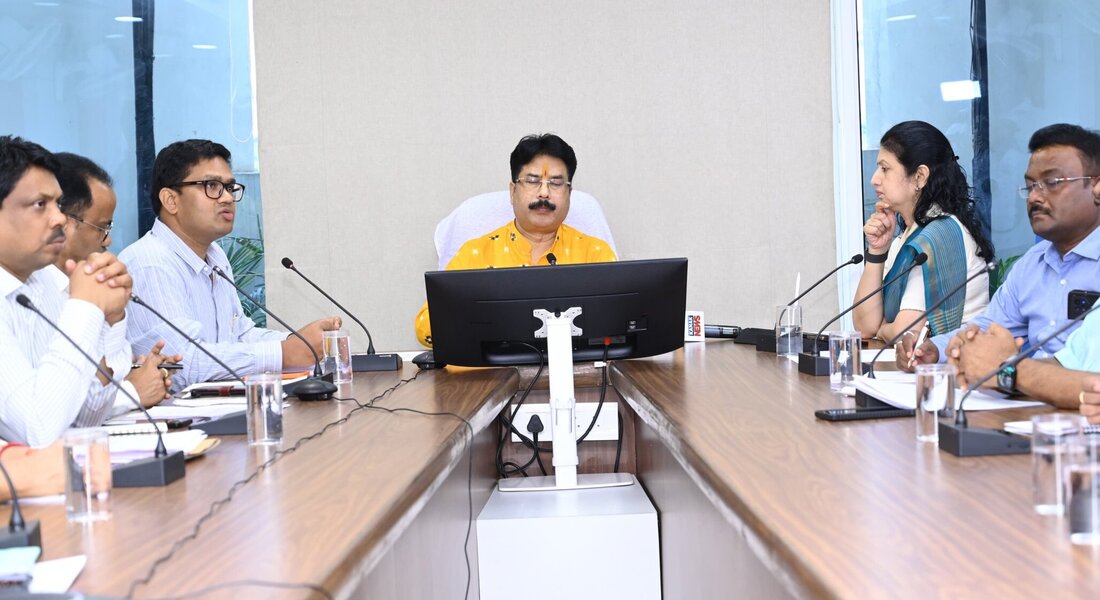
Bhubaneswar: The Odisha government has conducted a high-level review of preparedness to tackle the upcoming heatwave, with Housing and Urban Development Minister Dr. Krushna Chandra Mahapatra directing strict implementation of Standard Operating Procedures (SOPs).
According to an official release, the meeting held at Kharavel Bhawan on Tuesday assessed readiness of urban local bodies and outlined key measures to minimise heat-related risks. The Minister emphasised that essential civic services must remain uninterrupted and called for coordinated action across departments.
He issued instructions to ensure continuous and equitable water supply, directing officials of Water Corporation of Odisha (WATCO) and the Public Health Departet to prevent disruptions during peak summer. Municipal authorities have also been asked to set up drinking water kiosks, shaded rest areas and cooling arrangements in crowded public places.
Additional Chief Secretary of the Housing and Urban Development Department, Smt. Usha Padhee, emphasised strict adherence to SOPs and called for continuous monitoring and accountability to ensure effective implementation at the ground level.
All urban local bodies have been directed to operationalise 24×7 control rooms and release dedicated helpline numbers for public assistance.
Adopting a people-centric approach, the Minister stressed that “there should not be a single death due to heatstroke,” urging officials to remain alert and proactive at all levels.
The review also focused on strengthening district-level monitoring, with DUDA officials tasked to oversee field implementation and emergency response.
Senior officials of the department attended the meeting, while municipal authorities across the state joined via video conferencing.