
US signals both military escalation and diplomatic outreach as Iran denies talks, regional strikes intensify, and humanitarian concerns grow amid widening Middle East conflict
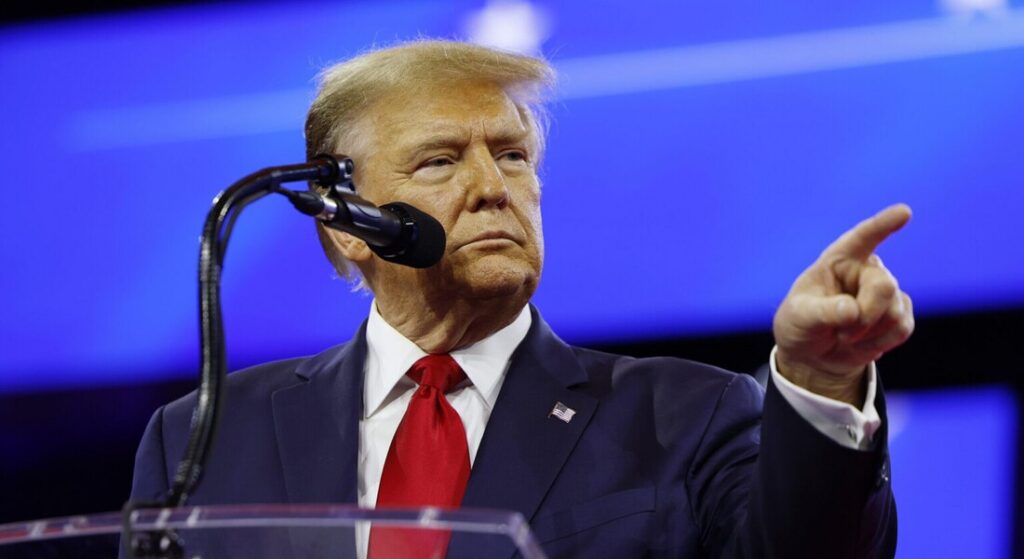
Tensions in the Middle East intensified on Monday as US President Donald Trump issued a sharp warning to Iran, threatening major strikes on critical infrastructure if a diplomatic breakthrough is not achieved soon.
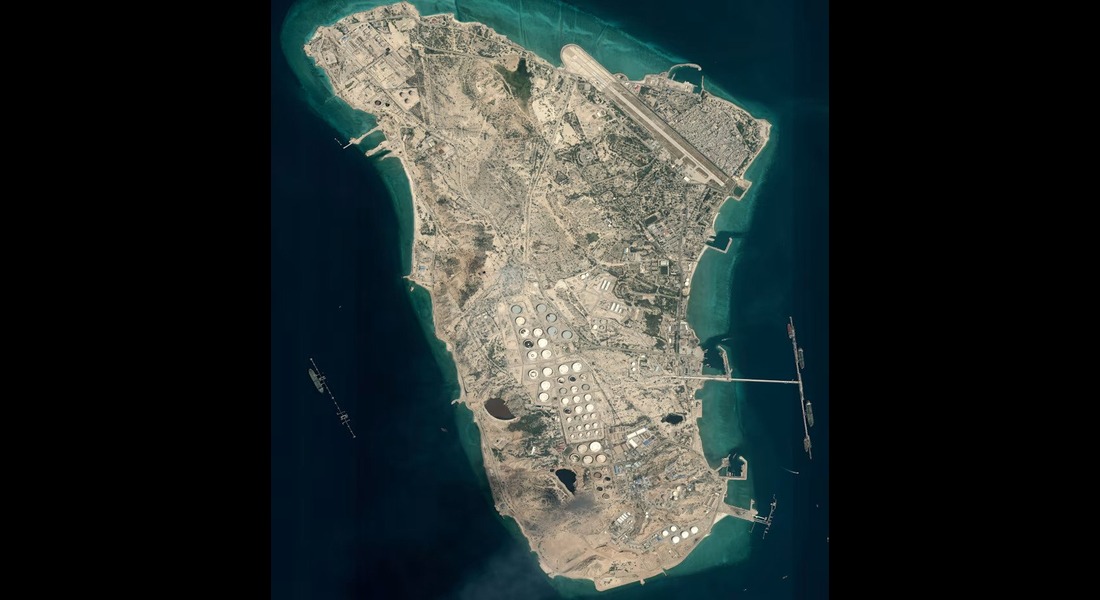
In a statement posted on his social media platform, Trump said the United States could target Iran’s key energy assets, including electric power facilities, oil wells, and Kharg Island, the country’s primary oil export hub, if Tehran does not agree to terms and ensure the reopening of the strategically vital Strait of Hormuz.
“The United States of America is in serious discussions with A NEW, AND MORE REASONABLE, REGIME to end our Military Operations in Iran,” Trump said in a post on Truth Social.
He added that “great progress” has been made in the talks. “But, if for any reason a deal is not shortly reached, which it probably will be, and if the Hormuz Strait is not immediately ‘Open for Business,’ we will conclude our lovely ‘stay’ in Iran by blowing up and completely obliterating all of their Electric Generating Plants, Oil Wells and Kharg Island (and possibly all desalinization plants!), which we have purposefully not yet ‘touched’,” Trump said.
The warning comes amid ongoing military hostilities involving the United States and Israel on one side and Iran and its regional allies on the other. While Washington has indicated that negotiations are underway through intermediaries, Iran has firmly denied the existence of any direct talks or participation in external mediation efforts.
Iranian officials, according to media reports, reiterated that they have not engaged in Pakistan-led diplomatic initiatives and accused the US of making inconsistent and excessive demands. At the same time, US Secretary of State Marco Rubio stated in an interview to Al Jazeera that Washington continues to pursue a diplomatic resolution and direct talks with Tehran are ongoing through intermediaries.
On the ground, the conflict has continued to escalate across multiple fronts. Reports indicate that missile strikes hit an oil refinery in Haifa, northern Israel, triggering a fire but causing no reported casualties. The attack is believed to be part of a broader campaign involving Iran and allied groups targeting US and Israeli interests in the region.
The humanitarian situation in neighbouring Lebanon has also worsened significantly. According to official figures, more than 1,200 people have been killed and thousands injured since early March amid ongoing Israeli military operations. The conflict has displaced over a million civilians, raising serious concerns among human rights organisations about forced displacement and inadequate shelter facilities.
Meanwhile, US military preparations appear to be intensifying. Reports suggest that thousands of additional troops could be deployed to the region as part of contingency plans for a prolonged conflict, signalling the possibility of further escalation.
Despite the aggressive rhetoric, diplomatic channels remain active, with global stakeholders urging restraint and a negotiated settlement to prevent a wider regional crisis. However, with both sides maintaining hardline positions, the path to de-escalation remains uncertain