US narrows military objectives while tensions escalate across West Asia, with conflicting claims, volatile oil prices, and fresh regional flashpoints complicating diplomatic resolution efforts.
The United States may scale back its military campaign against Iran without securing the reopening of the Strait of Hormuz, signalling a potential shift in Washington’s war strategy as the conflict enters its fifth week.
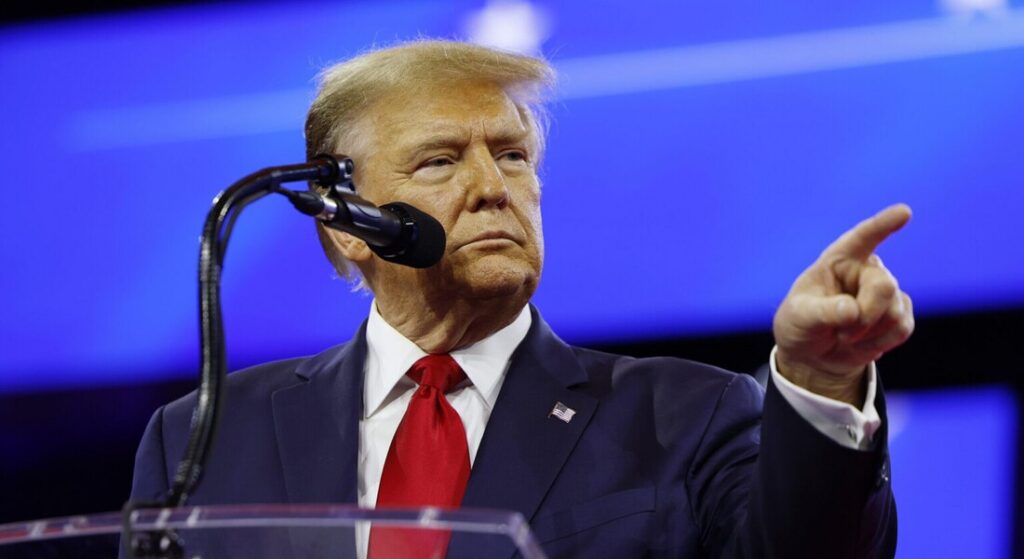
According to a Wall Street Journal report, citing senior administration officials, US President Donald Trump has indicated willingness to wind down hostilities once key objectives such as weakening Iran’s naval capabilities and reducing its missile stockpiles are achieved. The move reflects concerns that forcing open the critical oil transit route could prolong the conflict beyond a projected four-to-six-week timeline.
The Strait of Hormuz, a vital artery for global oil shipments, has remained largely disrupted following Iranian retaliation to US-Israeli strikes. The closure has driven global energy prices sharply upward, with crude oil earlier nearing USD 116 per barrel, close to wartime highs.
However, oil markets showed signs of cautious stabilisation on Tuesday as investors balanced expectations of a possible de-escalation with ongoing supply risks. Brent crude futures for May edged up 18 cents, or 0.16%, to USD 112.96 per barrel after earlier slipping by around 1% during trading. The May contract, set to expire Tuesday, saw limited movement, while the more actively traded June contract stood lower at USD 107.10 per barrel, reflecting uncertainty over the conflict’s trajectory and its impact on supply chains.
ALSO READ: Trump threatens to ‘obliterate’ Iran’s energy sources as conflict escalates
Despite the economic implications, the White House has suggested that reopening the strait is not central to its immediate war aims. Press Secretary Karoline Leavitt stated that ensuring safe passage for oil tankers is not among the “core objectives” of the ongoing operation. However, Secretary of State Marco Rubio maintained that the route would eventually reopen either through Iranian compliance with international norms or via coordinated international intervention.
Iran, meanwhile, has continued to threaten commercial shipping routes, although it has reportedly allowed limited passage for vessels from certain allied nations, including India. The disruption has significantly curtailed global oil flows, intensifying pressure on international markets.
Adding to the uncertainty, Tehran has firmly denied engaging in any negotiations with Washington. Foreign ministry spokesperson Esmaeil Baghaei stated that while proposals have been conveyed through intermediaries, including Pakistan, Iran remains focused solely on resisting what it describes as ongoing US aggression. His remarks directly contradict Trump’s assertion that peace talks were progressing positively.
On the battlefield, Israeli Prime Minister Benjamin Netanyahu claimed that the conflict has crossed its midpoint, citing significant damage to Iran’s missile infrastructure and nuclear programme. In an interview with US media company Newsmax, Netanyahu said the coordinated US-Irsarl military attack has “degraded” Iran’s missile capability as they eliminated key nuclear scientists and destroyed factories.
Regional tensions further escalated as Iran’s Foreign Minister Abbas Araghchi urged Saudi Arabia to expel US forces, framing them as destabilising actors in the region. His statement underscores the widening geopolitical fault lines emerging from the conflict.
Separately, the Pentagon dismissed as “entirely false” a report alleging that a broker linked to US Defence Secretary Pete Hegseth attempted to make pre-war investments in defence firms. Officials have demanded a retraction, calling the claims baseless and misleading.
In another concerning development, a Kuwaiti oil tanker was reportedly struck while anchored at Dubai port, triggering a fire and raising fears of a potential oil spill. While no casualties have been reported, emergency teams are working to contain the situation as investigations continue into the suspected Iranian attack.
As military, economic, and diplomatic pressures converge, the trajectory of the Iran conflict remains uncertain, with shifting strategies, fluctuating oil markets, and competing narratives complicating prospects for a swift resolution.