
New Delhi: Tensions between the United States and Iran have intensified further, with Tehran issuing sharp warnings in response to US President Donald Trump’s ultimatum and ongoing military developments in the region.
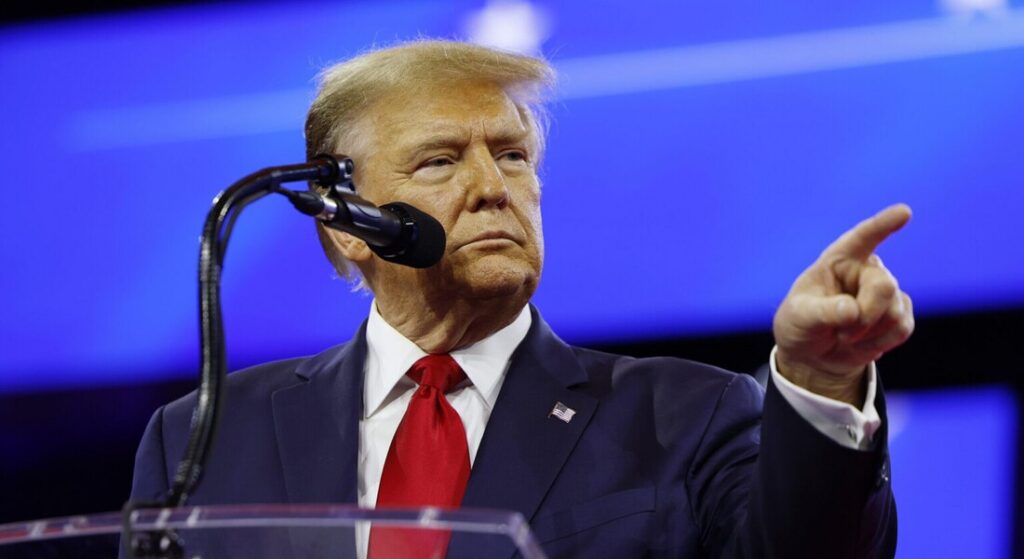
Iran rejected Trump’s recent 48-hour deadline to reach a deal and reopen the Strait of Hormuz, calling the threat “a helpless, nervous, unbalanced and stupid action”. The response came from General Ali Abdollahi Aliabadi of Iran’s Khatam al-Anbiya Central Headquarters.
Echoing the US President’s rhetoric, he warned that “the gates of hell will open for you” and said any attack on Iran’s infrastructure would trigger “devastating and continuous” strikes on US military assets in the Middle East and Israeli infrastructure, Fars news agency reported.
An Iranian security official also indicated that Tehran is preparing further action, warning of “a big surprise” for the US and Israel. The official said Iran is operating based on its own “specific target bank” and dismissed American threats as ineffective.
“We have learned well in asymmetric warfare how to wear down the enemy. America has failed in its strategy of clean, quick, and easy attack,” the official said.
The escalation follows Trump’s earlier statements threatening severe action if Iran does not comply. In a previous address, he had warned of bringing Iran “back to the Stone Age” and said “all hell” would break loose if the Strait of Hormuz is not reopened.
Despite the threats, limited maritime movement continues. According to Iranian media reports, ships carrying essential and humanitarian goods are being allowed passage through the Strait, which accounts for around 20 per cent of global oil movement.
Meanwhile, military developments on the ground have added to tensions. Trump announced that a missing US airman, whose aircraft was shot down by Iran, has been rescued in what he described as a major operation.
“WE GOT HIM! … one of the most daring Search and Rescue Operations in U.S. History,” Trump wrote on Truth Social, adding that the injured officer “will be fine”.
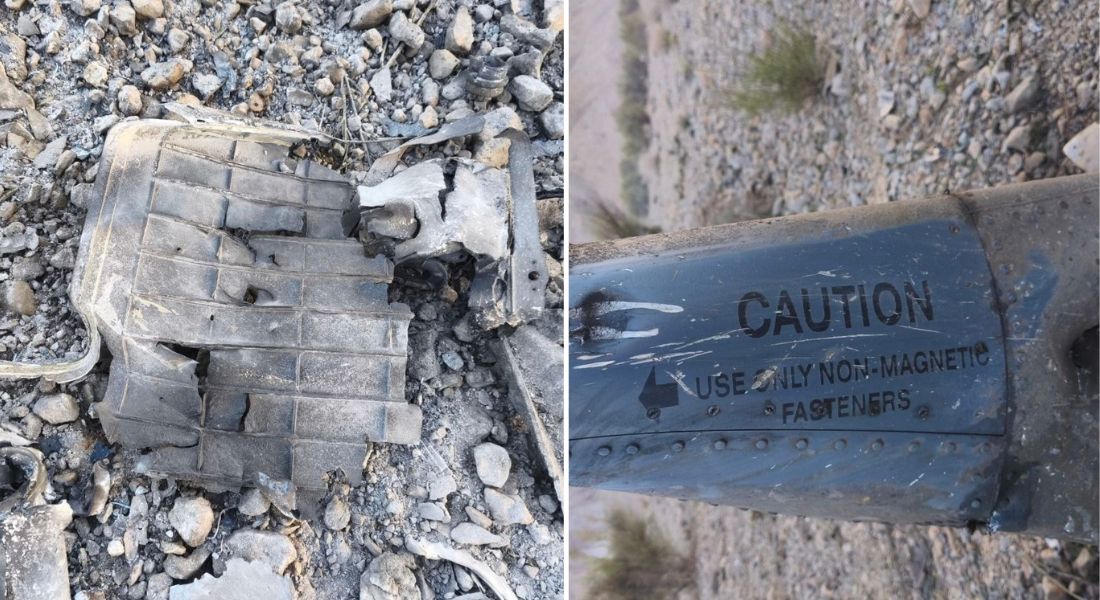
The aircraft, identified as an F-15E Strike Eagle, had been downed over Iran, with one crew member initially rescued and another reported missing before the operation.
Iranian authorities, meanwhile, said search efforts involving local forces and military units were underway in the region where the aircraft went down.
The conflict has also raised concerns over critical infrastructure. A recent strike near Iran’s Bushehr nuclear plant prompted evacuation of workers. Iranian Foreign Minister Abbas Araghchi warned that continued attacks could lead to radioactive fallout that would “end life in GCC capitals, not Tehran”.
The war, which began following US and Israeli strikes on Iran on February 28, has now entered its sixth week, with casualties reported across multiple countries in the region.
At the diplomatic level, divisions are emerging globally over how to respond to the crisis. Several countries have begun efforts to address the Strait of Hormuz situation independently of the United States.
The United Kingdom recently convened over 40 nations to coordinate maritime security efforts, while European leaders have pushed for diplomatic solutions instead of military action.
French President Emmanuel Macron criticised the US approach, stating, “They cannot then complain about not being supported in an operation they decided on their own. It is not our operation.”
At the United Nations, proposals have been introduced to safeguard commercial shipping, even as resistance from some countries continues.
The situation has also raised concerns over global energy supply and humanitarian impact, with disruptions affecting essential goods and prompting international coordination efforts.
As the conflict continues, uncertainty remains over its trajectory, with ongoing military actions, diplomatic disagreements and rising global economic concerns shaping the evolving crisis.