
New Delhi: Eight key members of the Organization of the Petroleum Exporting Countries (OPEC)+ on Sunday agreed to adjust oil production while reaffirming their commitment to ensuring stability in the global energy market.
The countries – Saudi Arabia, Russia, Iraq, UAE, Kuwait, Kazakhstan, Algeria, and Oman – held a virtual meeting to review global oil market conditions and future outlook.
Following the meeting, the participating nations decided to implement a production adjustment of 206 thousand barrels per day from the previously announced 1.65 million barrels per day voluntary cuts. The adjustment will take effect from May 2026, OPEC said in a media release.
The countries stated that the broader 1.65 million barrels per day reduction, first announced in April 2023, may be partially or fully reversed depending on evolving market conditions. They indicated that any such changes would be carried out gradually.
The group reaffirmed its commitment to a cautious approach, retaining flexibility to increase, pause, or reverse the phase-out of voluntary production adjustments. This includes the possibility of reversing the additional 2.2 million barrels per day cuts announced in November 2023.
The countries noted that the current measure would allow them to accelerate compensation for any excess production. They reiterated their commitment to full compliance with the Declaration of Cooperation, with monitoring to be carried out by the Joint Ministerial Monitoring Committee.
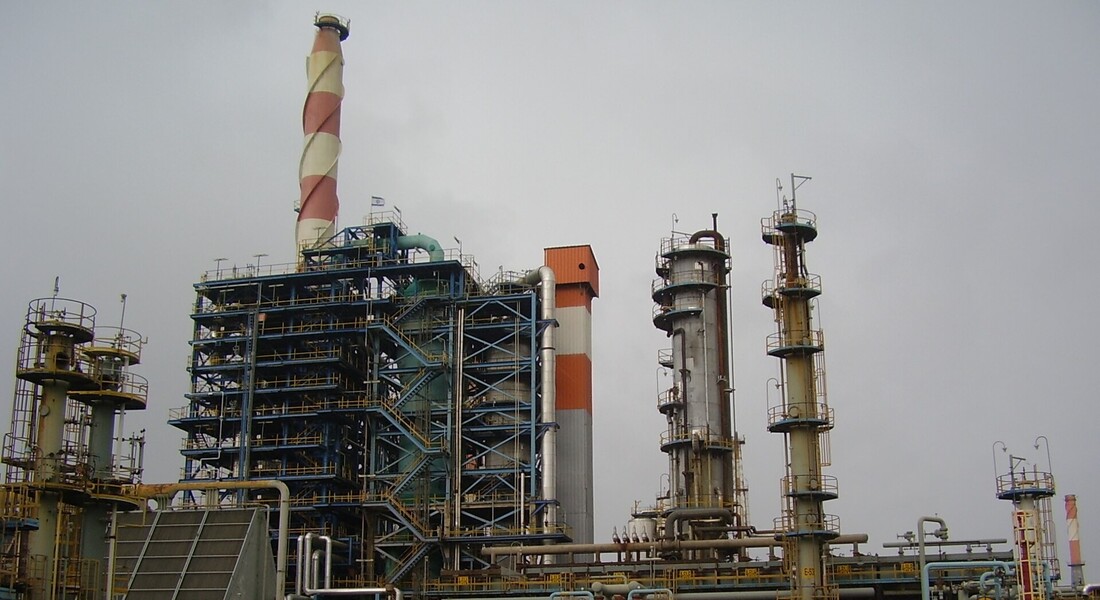
The group also stressed the importance of safeguarding international maritime routes to ensure an uninterrupted energy supply. It expressed concern over attacks on energy infrastructure, stating that damage to such assets can be costly and time-consuming to repair, thereby affecting overall supply availability.
The countries warned that disruptions to energy infrastructure or maritime routes could increase market volatility and undermine efforts to stabilise the global oil market. They also acknowledged efforts by member nations that ensured supply continuity through alternative export routes.
The eight countries will continue to review market conditions, compliance, and compensation through monthly meetings. The next meeting is scheduled for May 3, 2026.