
New Delhi: A new analysis by the United Nations Development Programme (UNDP) has warned that the ongoing conflict in the Middle East could push tens of millions of people into poverty across 162 countries.
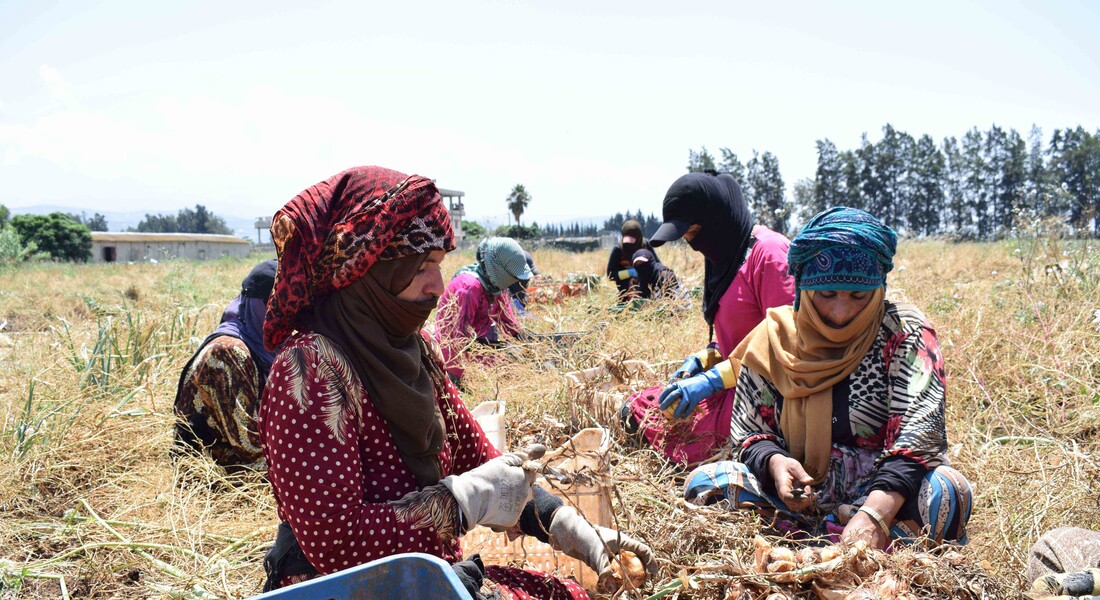
The policy brief highlighted that the economic fallout is no longer limited to countries directly affected by the conflict, according to UNDP. It said nations dependent on energy imports face immediate pressure, while poorer economies far from the region risk longer-term setbacks.
Titled “Military escalation in the Middle East: Reversals in global development, policy response options”, the report used Global Trade Analysis Project modelling to assess the impact under multiple scenarios, including disruptions lasting up to eight months.
The analysis noted that the crisis has entered its sixth week and is shifting into a more prolonged phase, even as a temporary ceasefire remains in place. It warned that a longer disruption could increase poverty levels in vulnerable regions.
Under the worst-case scenario, the report estimated that as many as 32 million additional people could fall into poverty.
The brief identified countries in the Gulf region, parts of Asia, Sub-Saharan Africa, and Small Island Developing States as particularly exposed to the economic shock.
UNDP Administrator and UN Under-Secretary-General Alexander De Croo said conflict reverses development gains and places a heavy burden on countries with limited fiscal capacity. He noted that rising energy and food prices force governments to choose between stabilising costs in the short term and investing in long-term priorities such as health, education, and employment. He added that timely policy intervention can help reduce the impact.
The UNDP recommended targeted and temporary cash transfers as a primary measure to protect vulnerable households. It said up to USD 6 billion may be required under certain scenarios to support this approach.
The report also suggested temporary, targeted subsidies or vouchers for essential energy use, including electricity and cooking gas. However, it cautioned against broad-based energy subsidies, stating that they tend to benefit wealthier households and are not sustainable over time.