
Uncertainty over a possible end to the West Asia conflict deepened on Friday as Iran raised concerns over a proposed agreement with the United States while fighting between Israel and Hezbollah continued in Lebanon despite a US-brokered ceasefire announcement.
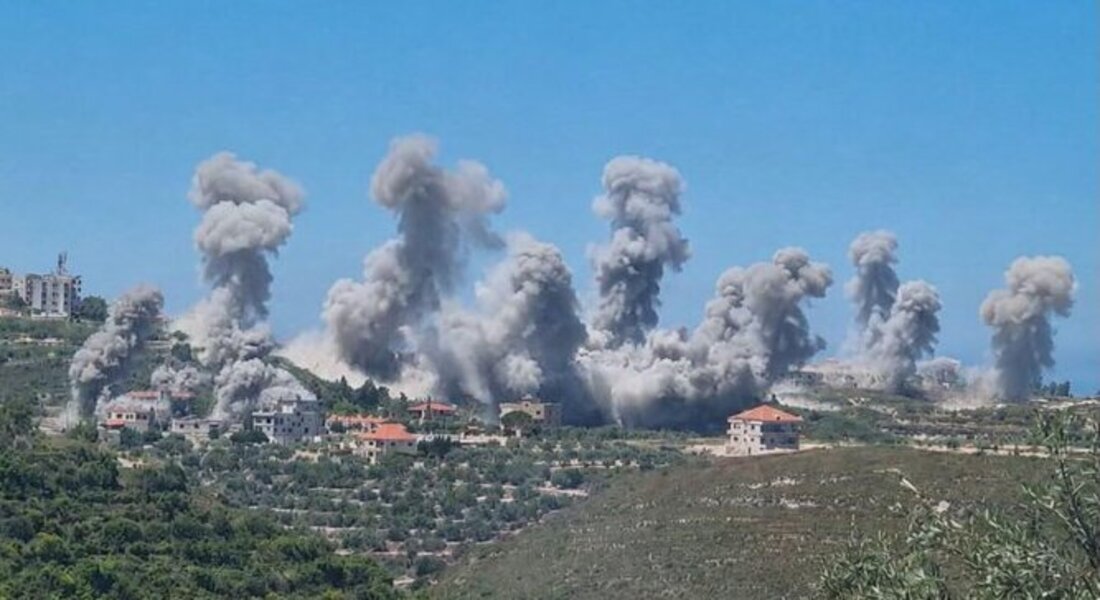
The latest escalation comes on the 98th day of the conflict, with Lebanon continuing to witness airstrikes and casualties even after Lebanese and Israeli officials reportedly reached a ceasefire understanding in Washington.
According to Lebanon’s Ministry of Public Health, at least 3,526 people have been killed and over 10,700 injured in Israeli attacks since March 2.
Israeli strikes reportedly continued across parts of southern Lebanon and the western Bekaa Valley, fuelling fears that the truce may fail to hold. The situation became more uncertain after Hezbollah leader Naim Qassem dismissed the proposed ceasefire arrangement as a “farce”, warning that northern Israel would continue to remain a target as long as Israeli military operations persist in Lebanon, Al Jazeera reported.
Political observers say Hezbollah’s position could complicate efforts to secure a durable ceasefire, despite diplomatic efforts led by Washington.
In Iran, fresh questions also emerged over the framework of a proposed agreement aimed at ending hostilities. Mohsen Rezaei, an adviser to Iran’s Supreme Leader Mojtaba Khamenei, said the draft memorandum being negotiated contains unresolved ambiguities.
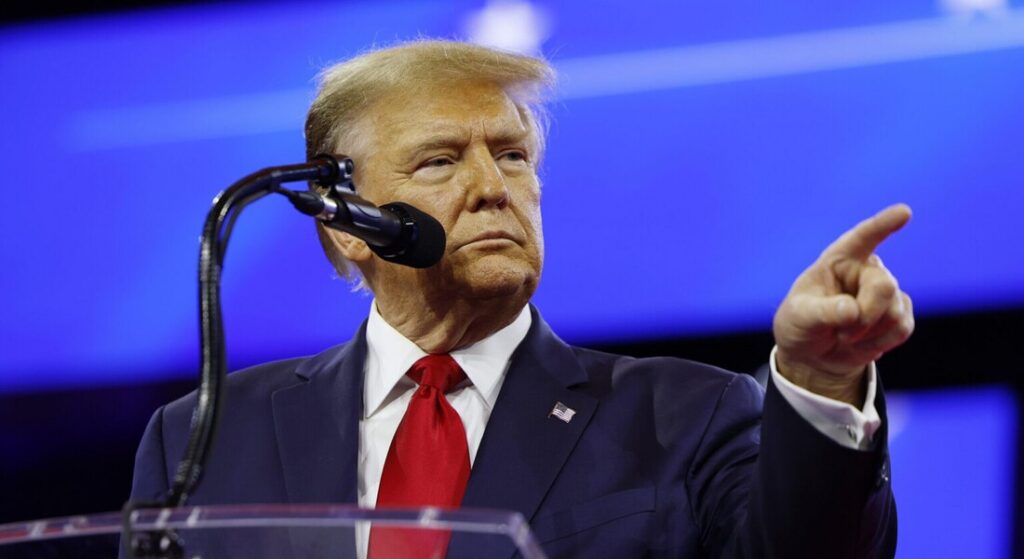
Speaking to Iranian state television, Rezaei accused US President Donald Trump of pressuring Tehran to accept Washington’s conditions while leaving Iran’s concerns insufficiently addressed.
Trump, meanwhile, signalled a hardening stance, saying the United States did not necessarily require an agreement to gain access to Iran’s enriched uranium stockpile, arguing that the material was effectively “entombed”. While he ruled out an immediate meeting with Iran’s Supreme Leader, Trump indicated such engagement could happen if negotiations progressed.
The continuing crisis has also triggered domestic unrest in Israel. Hundreds of ultra-Orthodox demonstrators reportedly blocked Highway 1 in protest against compulsory military service for religious students after police detained two students and handed one over to military authorities.
Beyond the battlefield, global agencies have warned that the prolonged conflict could trigger severe humanitarian consequences in vulnerable nations.
The United Nations World Food Programme (WFP) warned that millions of people could be pushed into acute hunger due to the economic fallout of the conflict, particularly rising oil prices and disrupted supply chains.
The agency had projected earlier this year that nearly 45 million people could slip into acute food insecurity if the crisis continued and crude oil prices remained elevated. Countries including Somalia, Afghanistan and Sri Lanka are already witnessing worsening food insecurity, with millions struggling to meet basic food requirements.
With diplomatic efforts under strain, continued military exchanges in Lebanon and unresolved negotiations involving Iran, the prospects for regional stability remain uncertain.