Israel and Lebanon have agreed to a 10-day ceasefire following diplomatic efforts led by the United States, marking a potential pause in weeks of intense cross-border conflict.
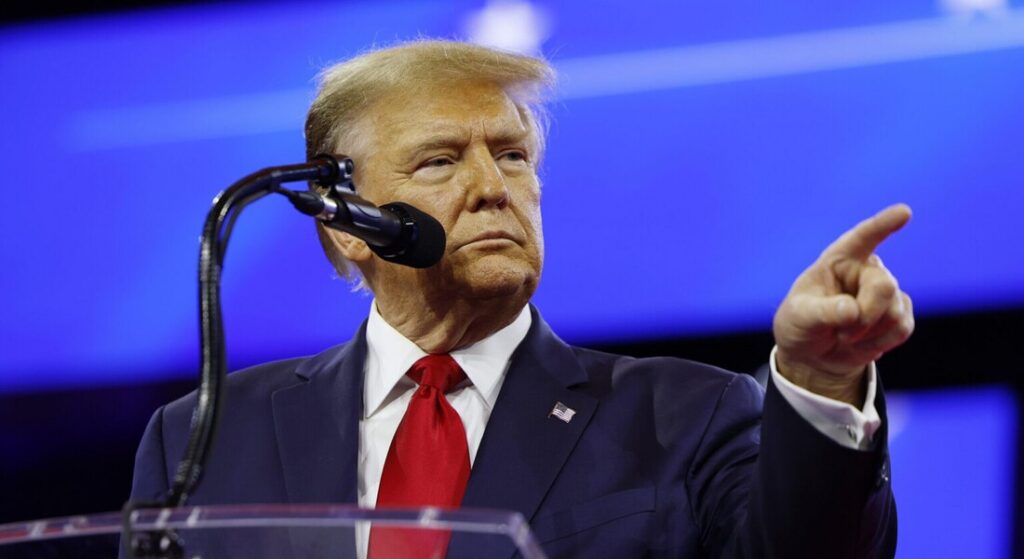
In a Truth Social post, US President Donald Trump announced that the ceasefire will take effect at 5 p.m. EST on Thursday, following what he described as constructive conversations with Lebanese President Joseph Aoun and Israeli Prime Minister Benjamin Netanyahu.
“I just had excellent conversations with the Highly Respected President Joseph Aoun, of Lebanon, and Prime Minister Bibi Netanyahu, of Israel,” Trump wrote.
“These two Leaders have agreed that in order to achieve PEACE between their Countries, they will formally begin a 10 Day CEASEFIRE at 5 P.M. EST.”
He said the temporary truce is aimed at creating conditions for a broader and lasting peace between the two sides.
The announcement comes after nearly six weeks of hostilities, during which Israel launched operations in Lebanon targeting the Iran-backed Hezbollah group. The conflict has led to widespread destruction and displaced more than one million people in Lebanon.
Confirming the development, the Lebanese presidency said President Aoun spoke with Trump and expressed support for efforts to secure a ceasefire and long-term stability. Trump, in turn, reiterated his commitment to advancing a truce at the earliest possible time.
Lebanese Prime Minister Nawaf Salam welcomed the ceasefire, stating that Lebanon had been seeking an end to hostilities since the beginning of the conflict. While describing the agreement as a positive step, he also expressed condolences to families affected by the violence and voiced hope that displaced citizens would soon be able to return to their homes.
Salam acknowledged the role of international and regional actors in facilitating the agreement, including the United States, European countries, and key Middle Eastern partners such as Saudi Arabia, Egypt, Qatar, and Jordan.
Trump said he has directed senior US officials, including Vice President JD Vance and Secretary of State Marco Rubio, to work with both countries to build on the ceasefire and move toward a lasting resolution. He also indicated plans to invite the leaders of Israel and Lebanon to Washington for further discussions.
While the ceasefire raises hopes for de-escalation, questions remain over its durability, particularly as Hezbollah, a central actor in the conflict, is not formally part of the agreement.
The coming days are expected to test whether the temporary pause can translate into a more sustained diplomatic breakthrough in a region marked by prolonged instability.