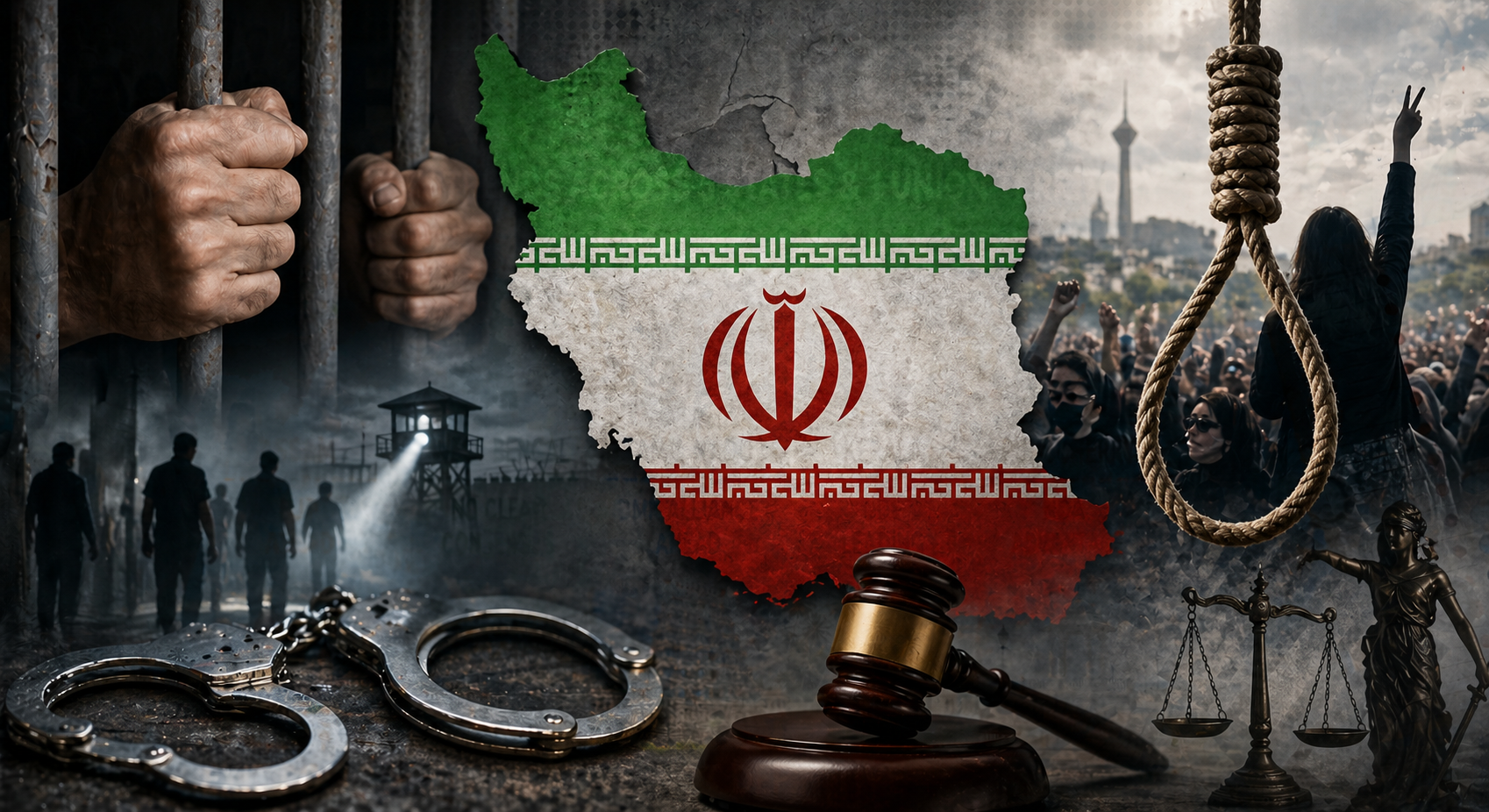

New Delhi: The Office of the United Nations High Commissioner for Human Rights (OHCHR) has raised serious concerns over what it described as an escalating crackdown on dissent in Iran, with UN High Commissioner for Human Rights Volker Türk warning of widespread violations amid ongoing conflict.
According to the UN rights office, at least 21 individuals have been executed and more than 4,000 people arrested on national security-related charges in recent weeks. Those executed include individuals linked to protests, alleged opposition group members and persons accused of espionage.
Türk on Wednesday expressed deep concern over the situation, stating, “I am appalled that – on top of the already severe impacts of the conflict – the rights of the Iranian people continue to be stripped from them by the authorities, in harsh and brutal ways.”
He emphasised that even during conflict, fundamental rights must be upheld. “In times of war, threats to human rights increase exponentially,” Türk said, adding that core protections such as the right against arbitrary detention and the right to a fair trial “must be respected absolutely, at all times.”
The UN rights chief called on Iranian authorities to immediately halt executions and ensure due process. “I call on the authorities to halt all further executions, establish a moratorium on the use of capital punishment, fully ensure due process and fair trial guarantees, and immediately release those arbitrarily detained,” he said.
The report highlighted that Iran’s broad interpretation of national security laws has placed many individuals, including minors, at risk of capital punishment. Concerns have also been raised over expedited trials, denial of legal representation, and reports of torture and coerced confessions. Some verdicts against protesters were reportedly based on forced confessions.
The situation in detention facilities has also drawn alarm. Türk noted that “conditions of detention in Iran’s prisons are dire,” citing overcrowding and shortages of food, water, hygiene supplies and medical care.
Particular concern has been expressed over the health of Nobel Peace Prize laureate Narges Mohammadi, whose condition is reportedly deteriorating following a heart attack while in custody. Other detainees have reportedly died under circumstances suggesting possible torture.
The UN also flagged the use of asset confiscation and surveillance tools as part of broader repression. Authorities have reportedly seized assets of hundreds of individuals, including Iranians living abroad, under accusations of supporting hostile activities.
In addition, Iran has imposed a near-total internet shutdown for over 60 days, one of the longest recorded globally. “This is denying people across the country access to vital information, silencing independent voices, and inflicting enormous social and economic harm,” Türk said, urging authorities to restore connectivity immediately.
The UN rights office said the developments underscore the urgent need for adherence to international human rights standards, even in times of conflict, and called for immediate corrective measures to protect fundamental freedoms in Iran.
The broader regional conflict continues to exact a heavy humanitarian toll, particularly on vulnerable populations.
Meanwhile, in Lebanon, children remain among the worst affected by ongoing instability and displacement, with the UNICEF warning that those with disabilities face heightened risks during crises. More than 38,000 individuals are currently receiving assistance under a national disability support programme, including 12,000 families and 17,500 children who have been provided urgent cash aid.
UNICEF stressed that children require not just a pause in hostilities, but sustained protection, stability, and access to education and development opportunities.
The situation has further deteriorated with increasing risks to humanitarian workers and civilians. According to the UN Office for the Coordination of Humanitarian Affairs (OCHA), recent strikes in southern Lebanon killed three civil defence rescue workers responding to earlier casualties, underscoring the dangers faced by emergency personnel.
Attacks on healthcare facilities have risen sharply, with the World Health Organization reporting 149 incidents resulting in 100 deaths and 233 injuries.