
Tehran links reopening of Strait of Hormuz to lifting blockade and delaying nuclear talks, while Moscow backs Iran amid stalled diplomacy
New Delhi: A fresh diplomatic push to ease tensions in the Middle East has run into uncertainty after Iran proposed reopening the strategically vital Strait of Hormuz under specific conditions, even as the United States signalled reluctance to accept terms that sideline Tehran’s nuclear programme.
According to reports by The Wall Street Journal and The New York Times, Iran has offered to reopen the key shipping route if the US lifts its naval blockade, ends the ongoing conflict, and postpones negotiations over its nuclear programme to a later phase. The proposal was conveyed by Iranian Foreign Minister Abbas Araghchi during recent diplomatic engagements in Oman and Pakistan.
However, US officials indicated that President Donald Trump and his national security team remain sceptical. The administration has consistently maintained that any agreement must directly address Iran’s nuclear ambitions.
US Secretary of State Marco Rubio underscored this position. He told Fox News that “we can’t let them get away with it… We have to ensure that any deal that is made… definitively prevents them from sprinting towards a nuclear weapon at any point.”
A White House spokesperson added that Washington would not negotiate publicly, stating, “The United States will not negotiate through the press – we have been clear about our red lines.”
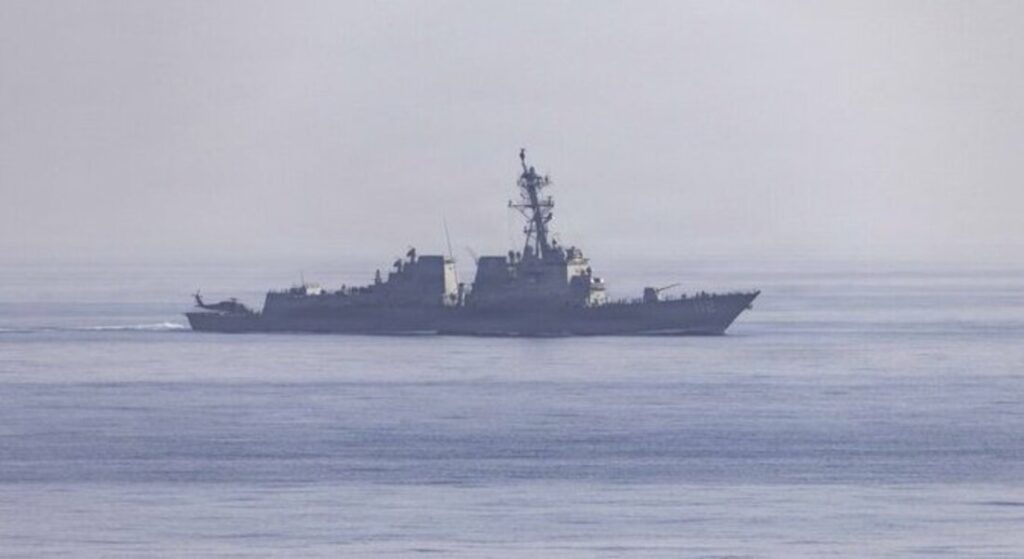
The proposal comes amid a fragile ceasefire and an ongoing standoff over the Strait of Hormuz, a critical global energy corridor through which nearly a fifth of the world’s traded oil and gas passes. The continued blockade and disruption have triggered sharp increases in global energy prices, adding economic and political pressure on the US and its allies.
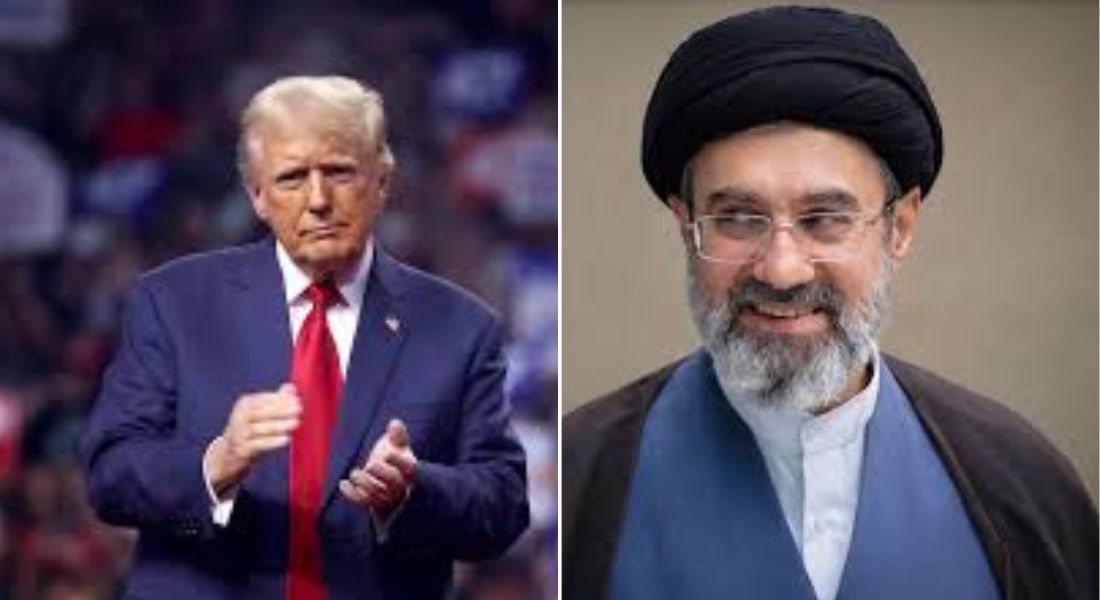
President Trump has also expressed frustration over Iran’s internal dynamics, writing on Truth Social: “Iran is having a very hard time figuring out who their leader is! They just don’t know!” He further described divisions between “Hardliners” and “Moderates” within Tehran’s leadership.
Meanwhile, geopolitical dimensions of the conflict widened as Russian President Vladimir Putin met Araghchi in Saint Petersburg and signalled Moscow’s continued support for Iran. According to Russian state media RT, Putin said, “Last week I received a message from the Supreme Leader of Iran,” referring to Mojtaba Khamenei, whose public absence had fuelled speculation about his condition.
Russian Foreign Minister Lavrov warmly welcomes his Iranian counterpart Araghchi in St. Petersburg pic.twitter.com/fFZbs0ogkR
— RT (@RT_com) April 27, 2026
Putin also reiterated Russia’s commitment to regional stability, stating, “For our part, we will do everything that serves your interests… so that peace can be achieved as soon as possible.” He added that Russia intends to maintain its strategic partnership with Iran.
Araghchi, in remarks reported by Iran’s official news agency IRNA, blamed Washington for stalled negotiations, saying earlier talks failed due to “excessive demands” and “wrong approaches” by the US.
With diplomatic efforts continuing but positions hardening, the future of negotiations remains uncertain, particularly as disagreements over Iran’s nuclear programme and control of key maritime routes continue to dominate the conflict narrative.