
Trump seeks to restrain Netanyahu as Iran, Israel and Yemen’s Houthis exchange attacks amid fragile ceasefire.
Israel and Iran exchanged fresh attacks on Monday while Yemen’s Houthi rebels launched missiles towards Israel, sharply escalating tensions in West Asia and raising fears that a fragile ceasefire could collapse into a wider regional conflict.
The latest flare-up came after Iran’s Islamic Revolutionary Guard Corps (IRGC) said it had launched attacks targeting Israel’s Nevatim and Tel Nof airbases in retaliation for overnight Israeli strikes on radar and military sites inside Iran. Shortly after the announcement, the Israeli military said it had detected another barrage of missiles fired from Iran.
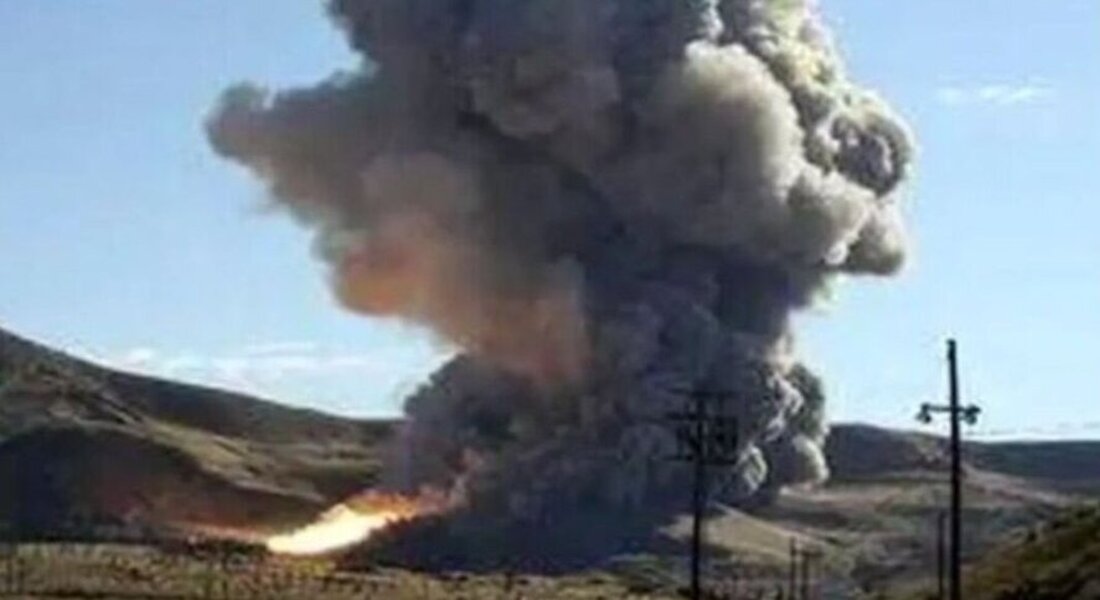
According to Al Jazeera, Israeli forces earlier carried out strikes on multiple targets at the petrochemical complex in Mahshahr in southwestern Iran after attacking military installations elsewhere in the country. Iranian media also reported explosions in Tehran, Tabriz and Isfahan following the strikes.
The renewed hostilities mark one of the most serious escalations since Iran, Israel and the United States agreed to a ceasefire in April. The latest violence follows Israeli attacks on Beirut’s southern suburbs over the weekend, which Israel said targeted positions linked to Hezbollah. Iran had responded on Sunday by launching missiles towards northern Israel, marking its first direct attack since the truce came into effect.
In Yemen, the Iran-aligned Houthis said they had fired missiles at Israel and announced a ban on Israeli maritime navigation in the Red Sea, further widening the scope of the regional confrontation.
According to the Times of Israel, the Israeli military said it is preparing for at least several more days of fighting with Iran and remains ready for a prolonged conflict if necessary. The Israeli Defence Forces (IDF) said Iran launched at least 20 ballistic missiles towards Israel since Sunday night, while two missiles were also fired by Houthi forces in Yemen. Israeli authorities claimed most of the projectiles were intercepted or landed in open areas.
The Times of Israel further reported that Israel responded with two waves of strikes inside Iran. Overnight attacks allegedly targeted nine Iranian air defence systems in western and central Iran, while additional air raids struck three factories at a petrochemical complex in southwestern Iran. The report added that the operations were carried out solely by Israel but in “full coordination” with the US Central Command (CENTCOM), whose forces also assisted in missile interception.
Amid the intensifying conflict, US President Donald Trump moved to prevent further escalation. According to Axios, Trump said he planned to call Israeli Prime Minister Benjamin Netanyahu and urge him not to retaliate against Iran’s missile strikes.
“I am going to call Bibi right now and tell him not to retaliate,” Trump told Axios, adding that continued exchanges could jeopardise a potential long-term agreement with Tehran.
Axios reported that Trump described the Iranian missile attacks as limited and expressed concern that Israeli retaliation could derail ongoing negotiations between Washington and Tehran aimed at extending the ceasefire agreement and reopening the Strait of Hormuz, a key global energy route.
However, signals from Israel suggested military action could continue. IDF spokesperson Brigadier General Effie Defrin said the Iranian leadership had made a “grave mistake” and asserted that Israel would continue striking Hezbollah-linked targets in Beirut.
The exchange of fire also rattled energy markets, with Brent crude reportedly climbing above $97 per barrel amid concerns over regional instability and disruptions to oil supply routes.