
New Delhi: India has lodged a strong protest with Iran after an Indian seafarer was killed and several others were injured in attacks on two UAE-flagged oil tankers transiting the Strait of Hormuz, amid a renewed escalation of hostilities between the United States and Iran.
The Ministry of External Affairs (MEA) said Iran’s Deputy Chief of Mission in New Delhi was summoned on Tuesday morning and a strong protest was lodged over the attacks on MT Al Bahiyah and MT Mombasa. The two vessels had a combined crew of 46, including 30 Indian nationals.
According to the MEA, of the 12 Indian seafarers aboard MT Al Bahiyah, one was killed and another injured. Nine of the 18 Indians aboard MT Mombasa sustained injuries, with two reported to be in serious condition.
“India is deeply concerned by the attacks on two vessels, MT Al Bahiyah and MT Mombasa, during their transit through the Strait of Hormuz today,” the MEA said in a statement.
The ministry strongly condemned attacks targeting seafarers and disrupting safe navigation through international waterways, while calling for an immediate cessation of violence and a return to dialogue and diplomacy. It said the Indian mission in the UAE was closely monitoring the situation and coordinating with Emirati authorities to provide assistance to the affected Indian seafarers.
The UAE Ministry of Defence said the two tankers came under attack while navigating the southern shipping lane of the Strait of Hormuz in Omani territorial waters. It condemned the strikes as a serious violation of international law and a threat to regional security and stability.
The attacks came amid a sharp escalation in the US-Iran conflict and an intensifying struggle over navigation through the Strait of Hormuz, one of the world’s most strategically important waterways. Iran has maintained that vessels must use shipping lanes authorised by Tehran, while the United States has claimed it is taking control of the strait to protect commercial shipping.
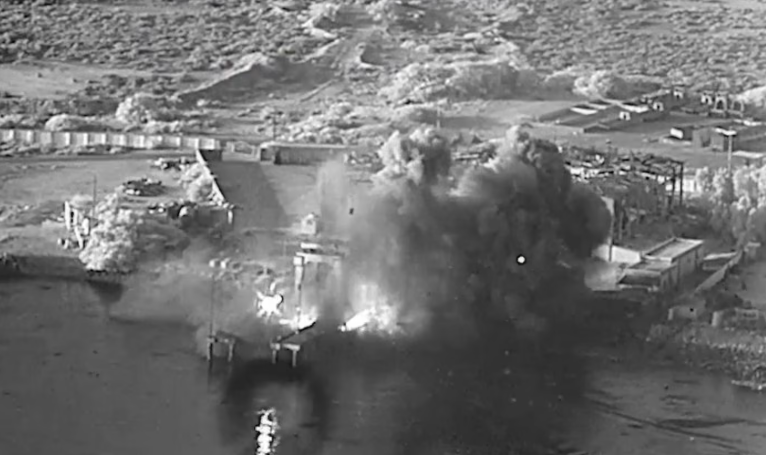
Meanwhile, US forces launched another wave of strikes against Iran. US Central Command said the operations were aimed at imposing a heavy cost on Iranian forces and degrading their ability to attack civilians and commercial vessels in the Strait of Hormuz.
Yesterday, using multiple one-way attack surface drones, CENTCOM forces successfully struck a submarine and ship maintenance facility in Iran. Three Corsair unmanned surface vessels hit the port at Bandar Abbas Naval Base, marking the first time American forces have employed sea… pic.twitter.com/bOM2kmgRxz
— U.S. Central Command (@CENTCOM) July 13, 2026
Three people were killed in overnight US strikes on Iran’s Hormozgan province, according to the Fars news agency, which is considered close to Iranian security services. Reports also emerged of explosions around Bandar Abbas, a major Iranian port city and home to a naval base.
The escalating confrontation has rattled global energy markets. Brent crude rose 7.8 per cent to $81.92 a barrel as concerns intensified over disruptions to shipping through the strait, a vital artery for global energy supplies.
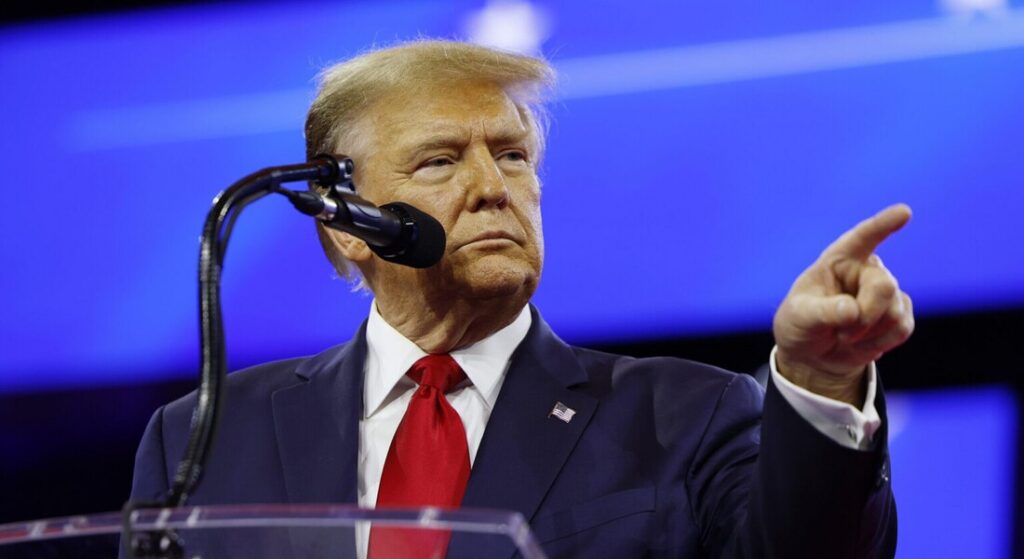
US President Donald Trump said American forces were hitting Iran “very hard” and claimed Washington was reasserting control over the strategic waterway. Iran’s military, however, warned that it would not allow the US to interfere in the management of the strait.
In a significant shift in US policy, Trump also announced that Washington would seek payment for protecting vessels passing through the Strait of Hormuz. Speaking to reporters, he argued that wealthy countries benefiting from US military protection should reimburse Washington for the cost and risks involved.
“We’re protecting a very rich portion of the world. We’re spending money. And so, what we’ve done is, we are going to be reimbursed for protection,” Trump said.
Trump later said on Truth Social that the United States would seek reimbursement equivalent to 20 per cent of all cargo shipped through the strait to cover the costs of providing safety and security. The announcement marks a departure from Washington’s longstanding support for freedom of navigation without tolls through international waterways and could further intensify tensions over control of the Strait of Hormuz.