
New Delhi: A new study has found that raw turmeric collected directly from farms across six Indian states contained lead levels well within limits set by the Food Safety and Standards Authority of India (FSSAI).
The study conducted by Toxics Link suggests that contamination reported in market turmeric powder likely happens after harvest, rather than during cultivation.
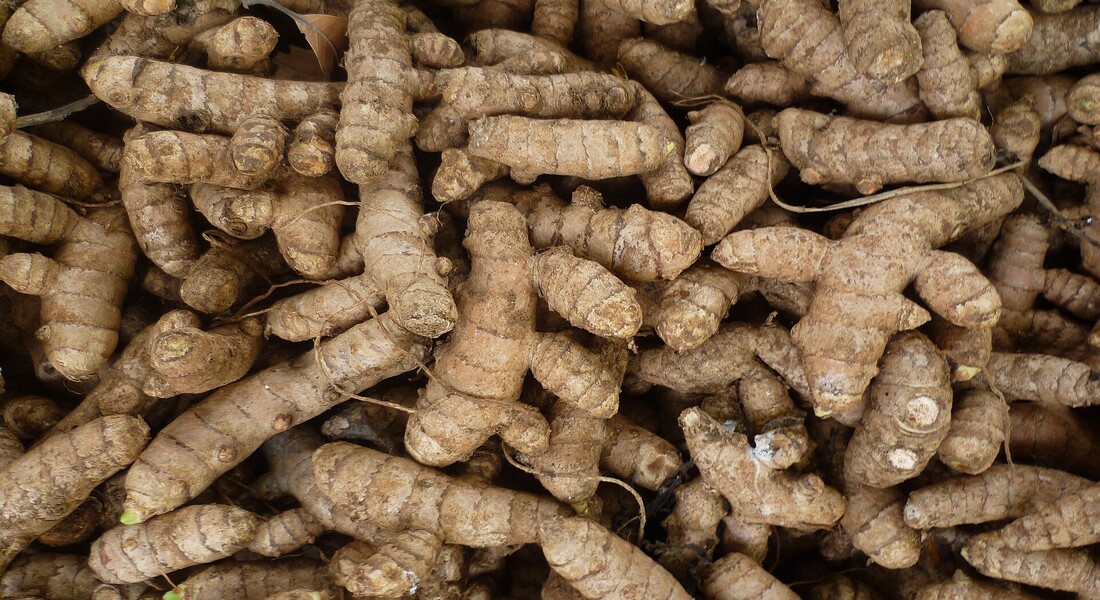
The report, titled “Lead in Turmeric,” examined 13 raw turmeric rhizome samples gathered from farms in Maharashtra, Telangana, Tamil Nadu, Odisha, Karnataka, and Madhya Pradesh.
All samples were tested at an NABL-accredited laboratory using Inductively Coupled Plasma Mass Spectrometry. Lead levels ranged from below the detectable limit to 1.87 mg/kg, far below the FSSAI cap of 10 mg/kg for turmeric.
The study noted that naturally grown turmeric generally carries only background lead levels. It added weight to existing evidence that high lead levels found in commercial turmeric powder are more likely introduced during processing and marketing, particularly through adulteration with lead chromate used to enhance colour and market value.
Lead is described as a potent neurotoxin with no known safe exposure level for children. It can affect brain development, lower IQ, and cause learning disabilities, behavioural disorders, kidney damage, cardiovascular disease, and reproductive problems. Since turmeric is used daily in millions of Indian households and features widely in traditional medicine and religious practices, contamination was flagged as a serious public health concern.
The release pointed out that recent international studies had recorded dangerously high lead concentrations, largely from lead chromate, in turmeric sold across South Asian markets. Toxics Link’s study indicated that contamination occurs further down the supply chain rather than at the farming stage.
Satish Sinha, Associate Director at Toxics Link, said the findings showed that farm-cultivated turmeric generally met existing food safety standards for lead. He said the evidence pointed to contamination after harvest, and called for stronger surveillance and regulatory oversight across processing, packaging, and marketing stages. He added that protecting consumers required better traceability across the supply chain and stricter enforcement against food adulteration.
The report stated that environmental factors such as soil, irrigation water, industrial emissions, and agricultural inputs did not appear to significantly affect lead levels in the raw turmeric samples studied. It said post-harvest practices needed urgent investigation instead.
The report recommended that the FSSAI and state food safety authorities strengthen routine monitoring of turmeric and other spices in retail and wholesale markets, improve supply chain traceability, conduct targeted inspections of processing and packaging units, and take strict action against intentional adulteration.
The report also called for larger multi-state studies covering soil, irrigation water, agricultural inputs, and processing facilities to better understand contamination pathways.
The release noted that India, as the world’s largest producer, consumer, and exporter of turmeric, needed to protect its supply chain integrity to safeguard public health, consumer confidence, and its standing in international spice markets.
Toxics Link is an environmental research and advocacy organisation working to promote environmental justice and reduce exposure to toxic pollutants.