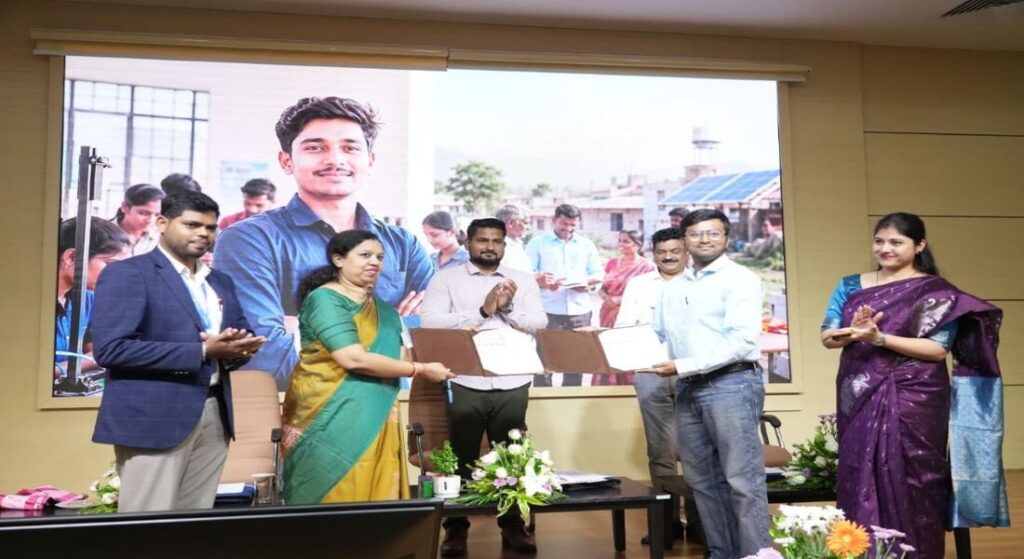
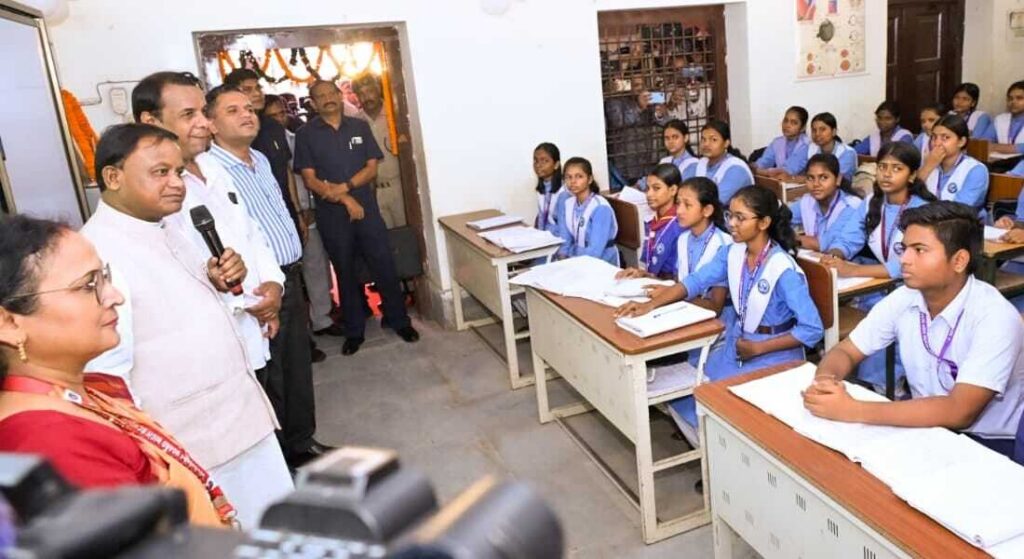
Bhubaneswar: Odisha is moving to the forefront of India’s push for healthier rice varieties, backed by its strong research ecosystem, expanding seed initiatives, and proactive state support, as underlined at a two-day national workshop in Bhubaneswar that began on Monday.
Organised by the International Rice Research Institute (IRRI) in collaboration with the Department of Agriculture & Farmers’ Empowerment, the workshop focused on positioning biofortified and low-glycemic-index rice – including high-zinc, iron-rich and protein-enhanced varieties – as mainstream staples for consumers and markets.
With nearly 11 million tonnes of annual paddy production, Odisha is increasingly seen as a launchpad for scaling nutrition-oriented crops. Participants highlighted progress already underway through participatory varietal selection, farmer-managed on-farm trials, community seed multiplication, and structured value-chain development in partnership with state agencies and scientific institutions.
Speakers noted that Odisha’s institutional strength and policy backing are creating a model other states may emulate. Deliberations centred on linking scientific advances to seed access, ensuring price and market incentives for growers, leveraging farmer-producer organisations, and enabling public procurement of healthier grains.
Experts from ICAR–Central Rice Research Institute, ICAR–Indian Institute of Rice Research, IRRI, Odisha State Seed Corporation, National Seeds Corporation, Agricultural and Processed Food Products Export Development Authority, NABARD, International Food Policy Research Institute, AIIMS Bhubaneswar, ICMR–National Institute of Nutrition, private seed companies, agri-food enterprises, farmer-producer organizations, and civil society organizations contributed insights and field experiences.
Panel members unanimously agreed that consumer awareness will determine whether specialty rice reaches true market scale and stressed that the government must take a proactive lead in driving communication, education, and demand creation across districts.
According to Dr Swati Nayak, Scientist and South Asia Lead for Seed Systems at IRRI, the workshop delivered a practical roadmap for scaling specialty rice, along with policy recommendations, a seed scaling plan, and a market development framework to support sustainable adoption. Strengthened collaboration among government agencies, research institutions, seed corporations, private players, and farmer institutions was identified as a key outcome.
Senior IRRI leadership reiterated that scaling healthier rice strengthens not only nutrition goals but also farmer livelihoods, climate resilience, and informed consumer choice.
Dr. Michael Quinn, Director, Rice Breeding Innovation, IRRI, said that through this unique workshop on positioning and scaling healthier rice, we come together as a collective – government, research institutions, and the One Rice Breeding and Scaling Network – because only the convergence of multidisciplinary expertise can deliver a truly holistic vision.
Dr. Sudhanshu Singh, Director, IRRI South Asia Regional Centre, noted that with a strong focus on variety evaluation, seed system development, and accelerated seed linkages, this is a well-conceived and well-articulated effort.
On the other hand, Dr. R. M. Sundaram, Director, ICAR–Indian Institute of Rice Research, said that the transition from high-yielding rice to healthier and specialty rice marks the next major leap in Indian rice science. “Through science, robust seed systems, and policy engagement, we can scale biofortified rice and make healthier rice the norm – ensuring healthy people, prosperous farmers, and a stronger nation,” he noted.
With momentum building across research labs, farms, markets, and policy circles, Odisha is now positioned to lead India’s transition toward rice that delivers more nutrition and economic opportunity.