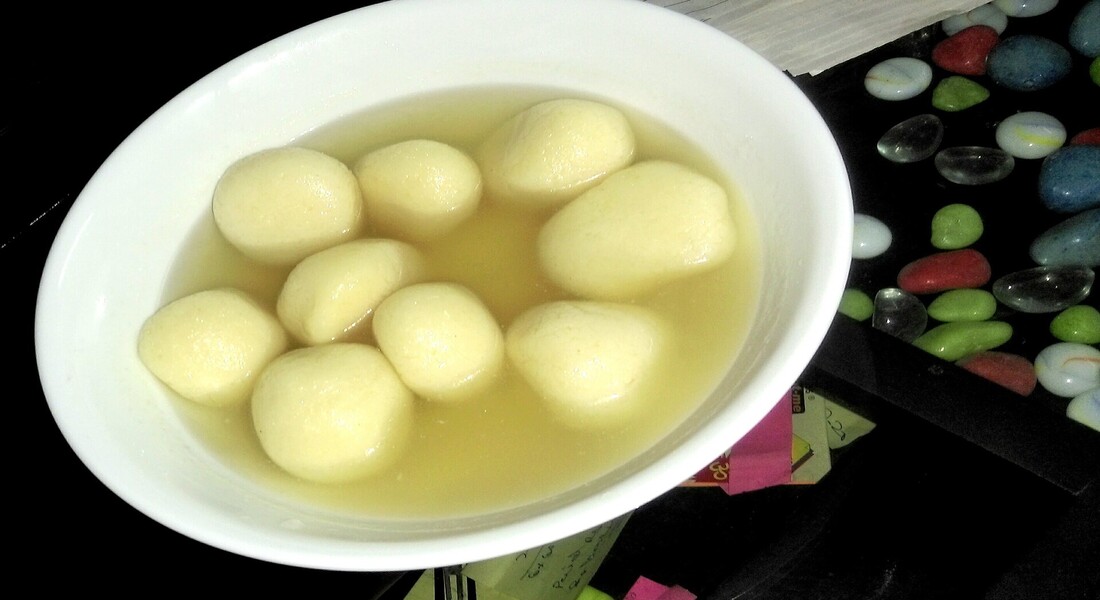

Bhubaneswar: Celebrity chef Kunal Kapur has once again brought the long-running rasgulla debate into the spotlight after speaking about the dessert’s origins during a recent podcast appearance.
During a conversation on the Mirchi Punjabi podcast with RJ Abby, Kapur discussed Indian culinary traditions and regional sweets. The discussion took an interesting turn when he mentioned that rasgulla is widely believed to have originated in Odisha.
Reacting to the remark, the podcast host joked that people in Kolkata might not be pleased with the statement. Kapur responded by clarifying that he was referring to a commonly held belief regarding the dessert’s origin and not making a personal claim.
The rasgulla – also known as rasagola or rasogolla depending on the region – has remained at the centre of a cultural and culinary debate between Odisha and West Bengal for several years.
During the podcast, Kapur also highlighted the similarities between the sweet traditions of the two eastern states, particularly their use of fresh chhena in desserts. He praised the wide variety of chhena-based sweets popular in both Odisha and West Bengal.
The chef further appreciated Odisha’s traditional dessert chhena poda, describing it as a baked sweet that resembles a modern cheesecake despite being part of the region’s culinary heritage for generations.
The rasgulla debate continues to spark strong reactions online, with many people viewing the sweet not just as a dessert but also as a symbol of regional identity, culture, and history.