
Diplomatic setback highlights widening gap between US and Iran as tensions over Strait of Hormuz and regional threats intensify
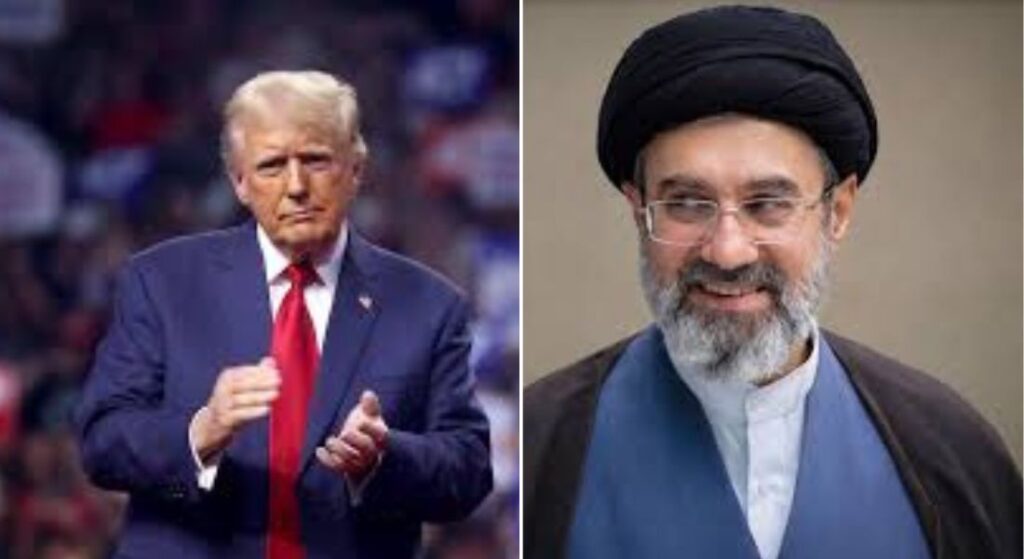
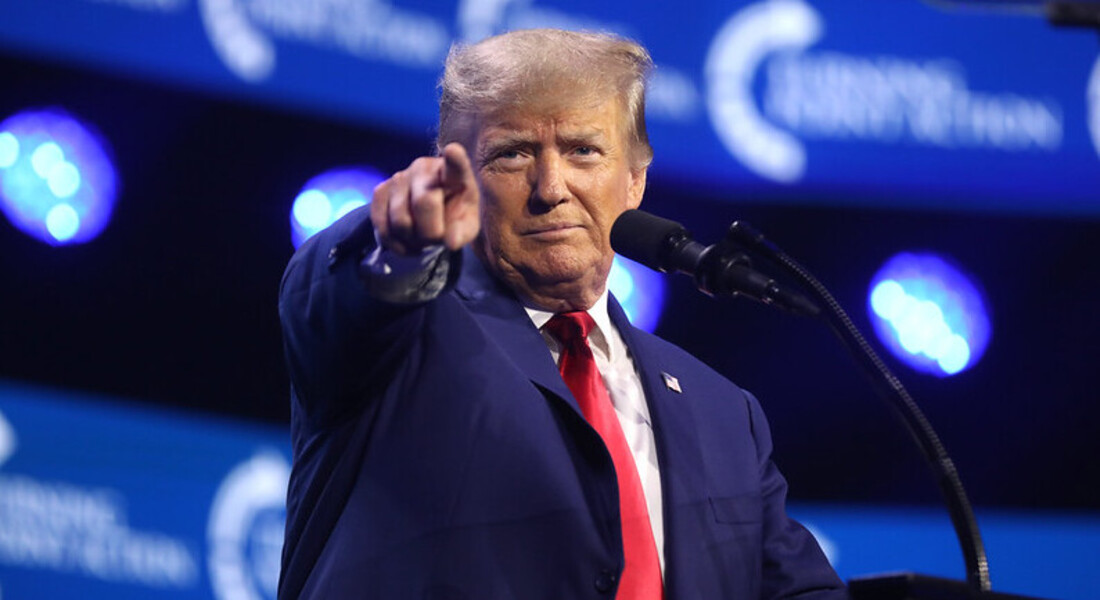
US President Donald Trump has cancelled a planned visit by his envoys to Pakistan for talks related to the ongoing conflict with Iran, signalling a setback in diplomatic efforts to revive negotiations.
In a post on Truth Social, Trump said, “I just cancelled the trip of my representatives going to Islamabad, Pakistan, to meet with the Iranians. Too much time wasted on traveling, too much work!” He further claimed there was “tremendous infighting and confusion” within Iran’s leadership, adding, “we have all the cards, they have none! If they want to talk, all they have to do is call!!!”
The proposed US delegation was to include envoys Steve Witkoff and Jared Kushner. Earlier indications suggested Vice President JD Vance would remain on standby but not be directly involved. The cancellation of even this lower-level delegation reflects the widening gap between Washington and Tehran.
According to earlier remarks by White House Press Secretary Karoline Leavitt, the US had hoped for “positive developments” from the proposed meeting. However, Iran had denied that any such talks were scheduled, underscoring the lack of alignment between the two sides.
Meanwhile, Iranian Foreign Minister Abbas Araghchi visited Pakistan for bilateral discussions with the government in Islamabad. Following talks with Prime Minister Shehbaz Sharif, Sharif said on X that the two sides had a “warm, cordial exchange of views” on the regional situation and discussed strengthening bilateral relations. Pakistan’s Deputy Prime Minister Ishaq Dar noted that the meeting lasted around two hours and emphasised the importance of dialogue and diplomacy for regional stability.
Araghchi, while expressing appreciation for Pakistan’s mediation efforts, indicated that Iran remains open to negotiations but is unlikely to shift significantly from its existing positions.
ALSO READ: Trump sends Witkoff, Kushner to Pakistan for Iran peace talks amid ongoing conflict
A key point of contention continues to be the Strait of Hormuz, a critical global shipping route that both sides have effectively blockaded. The prominence of this issue—previously not central before the conflict—suggests that resolving the crisis may take longer than anticipated.
Tensions have also been heightened by warnings from Iranian lawmakers. According to BBC News, Iranian MP Mahmoud Nabavian warned that any renewed US attack could trigger severe consequences for the region. He stated that Iran’s response could lead to “the complete cessation of regional oil production” and “the destruction of all infrastructure,” along with widespread displacement.
The developments come even as the US has extended a ceasefire with Iran for an unspecified period. However, US Defence Secretary Pete Hegseth has said American forces remain “locked and loaded,” indicating continued military readiness alongside stalled diplomatic efforts.
The latest turn of events underscores deep mistrust between the two sides and highlights the challenges facing mediation efforts, with both diplomatic and military signals shaping the trajectory of the conflict.