
Tehran denies negotiations while Washington hints at continued military action, with Hormuz disruption and rising oil prices deepening global economic and geopolitical uncertainty.
The ongoing conflict involving the United States, Israel, and Iran has entered a more uncertain phase, with conflicting claims over ceasefire efforts and continued military escalation raising global concerns.
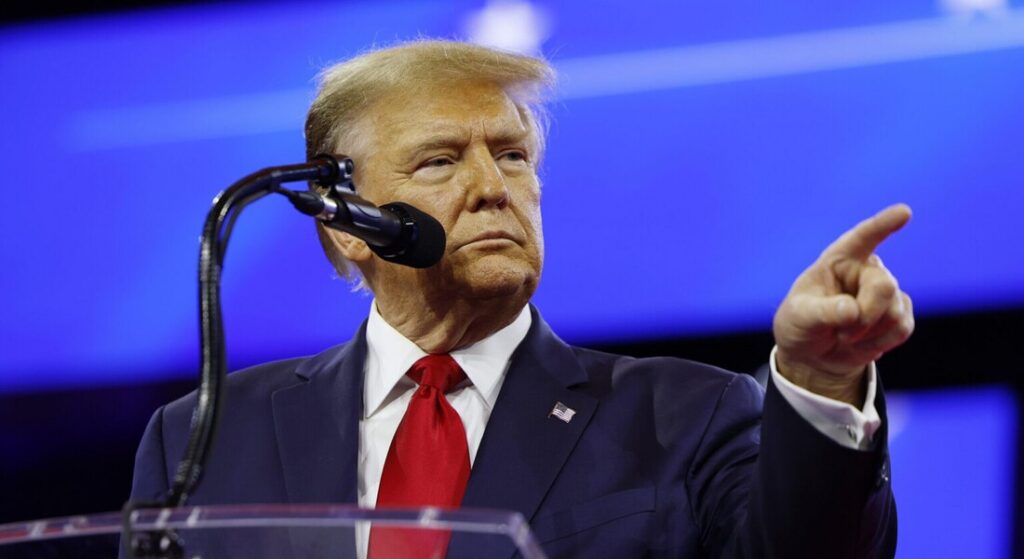
A senior Iranian official has rejected US President Donald Trump’s assertion that Iran’s leadership had sought a ceasefire. According to Al Jazeera, reporting from Tehran, officials denied any such request, contradicting Trump’s statement on his Truth Social platform that Iran’s “new regime president” had approached Washington for a truce.
"Iran’s New Regime President, much less Radicalized and far more intelligent than his predecessors, has just asked the United States of America for a CEASEFIRE! We will consider when Hormuz Strait is open, free, and clear. Until then, we are blasting Iran into oblivion or, as… pic.twitter.com/q1VhhPxtmi
— The White House (@WhiteHouse) April 1, 2026
Trump, however, maintained a hardline stance, warning that US military action would continue until the Strait of Hormuz is reopened. He said the United States would keep “blasting Iran into oblivion” if the key maritime route, through which a significant share of global oil and gas supplies pass, remains blocked.
The closure of the Strait of Hormuz has intensified concerns over global energy markets, with rising oil prices adding economic pressure worldwide.
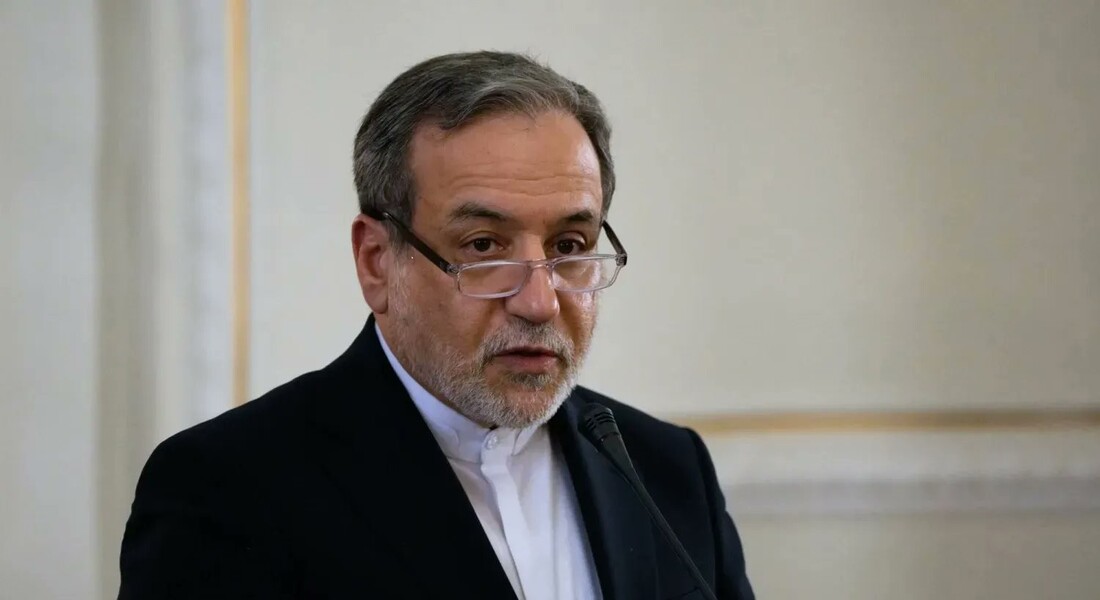
Meanwhile, Iran has firmly denied the existence of any negotiations with the United States. In an interview with Al Jazeera, Foreign Minister Abbas Araghchi said there were “no grounds for negotiations” and dismissed reports of a proposed settlement plan from Washington.
Araghchi acknowledged that some messages had been exchanged with US special envoy Steve Witkoff but clarified that such communication does not constitute formal talks. He also cited past experiences, including the US withdrawal from the nuclear deal, as a reason for Tehran’s reluctance to engage.
Separately, Trump signalled the possibility of a limited and phased military approach, stating that the US could carry out targeted “spot hits” and withdraw quickly. He also suggested that his upcoming address would outline the next steps in the conflict, while expressing dissatisfaction with NATO allies over their level of support.
In an interview with The Telegraph newspaper, Trump described the military alliance as a “paper tiger” and said he would reconsider the US’ membership in the bloc. “I was never swayed by NATO. I always knew they were a paper tiger, and Putin knows that too, by the way,” he said.
As the war enters its fifth week, uncertainty continues to dominate both the military and diplomatic fronts. With neither side indicating readiness for formal negotiations and global economic pressures mounting, the prospects for de-escalation remain unclear.
Meanwhile, British Prime Minister Keir Starmer informed that the UK will host a virtual meeting of around 35 countries on Thursday (April 2) to discuss reopening the Strait of Hormuz. The talks, according to media reports, will focus on restoring safe navigation, protecting vessels and seafarers, and resuming the flow of essential commodities, with countries including France, Germany, Italy, Japan, and the Netherlands expected to participate.
Separately, Japan and France have agreed to step up coordination to push for an end to the conflict and reopen the Strait. On the ground, Israeli emergency services reported at least 14 people injured near Tel Aviv in missile attacks attributed to Iran, with additional casualties reported in northern Israel following fire from Lebanon.