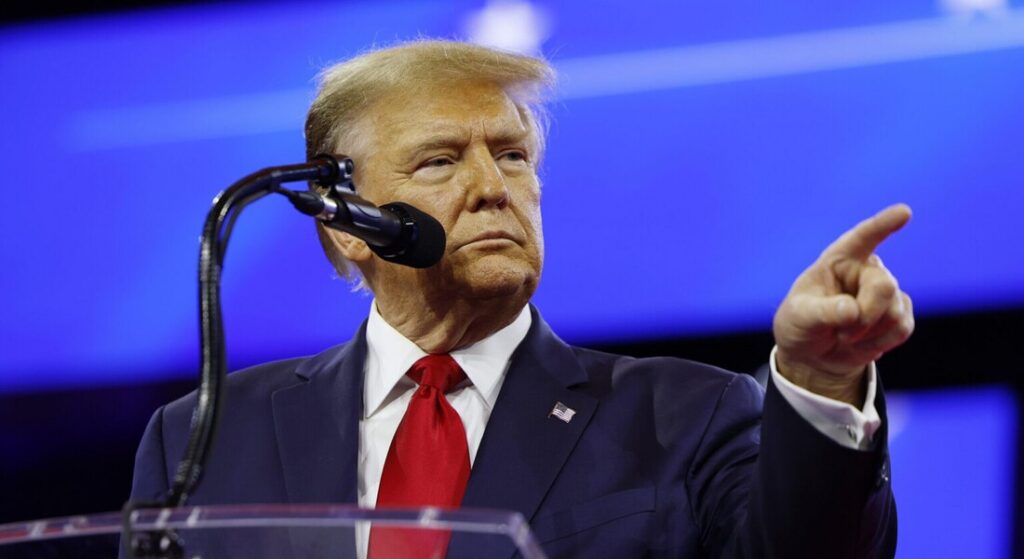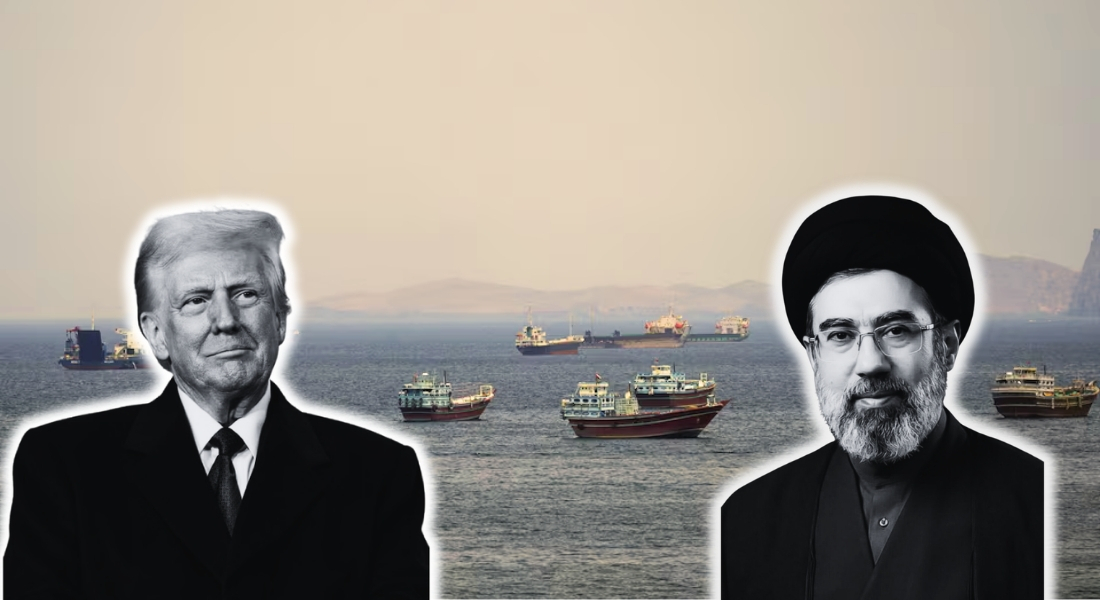

New Delhi: US President Donald Trump on Wednesday accused Iran of deliberately delaying ongoing peace negotiations in an attempt to gain leverage ahead of the upcoming US midterm elections.
Speaking during a cabinet meeting at the White House, Trump claimed Tehran believed it could pressure Washington into offering better terms by prolonging discussions and creating uncertainty in global energy markets.
According to Trump, Iran appeared to think it could outlast his administration politically because of the midterm polls. However, he asserted that such a strategy would fail and maintained that Tehran was still keen to secure an agreement with the US.
The president also dismissed the idea that domestic political developments would weaken his negotiating position, while pointing to recent Republican primary victories supported by him as a sign of continuing political influence, according to theguardian.com.
Trump further described Iran’s economy as being under severe stress, citing rising inflation, a weakening currency, and broader economic instability as factors that could eventually force Tehran to compromise.
His remarks came at a crucial stage in negotiations aimed at ending nearly three months of conflict and restoring stability in the Gulf region. Trump acknowledged that discussions had not yet produced a final breakthrough because Washington was not fully satisfied with the proposals currently under consideration.
At the same time, he indicated confidence that an agreement could still be achieved, while warning that stronger measures could follow if talks failed.
A major issue in the negotiations remains the Strait of Hormuz, a strategically important global shipping route for oil and energy supplies. Trump rejected any suggestion that Iran could gain control over the waterway and stressed that it should remain open to international traffic.
He also stated that no single country would be allowed to dominate the strait, describing it as an international route vital for global commerce.
Before the recent conflict, nearly 20% of the world’s energy shipments moved through the Strait of Hormuz, making the region highly sensitive for global markets.
Trump additionally renewed calls for Arab nations, including Saudi Arabia and Qatar, to normalize diplomatic ties with Israel under the Abraham Accords framework introduced during his first presidential term.
While he initially appeared to suggest that broader regional agreements could influence future negotiations, he later avoided directly linking the Iran talks to additional countries joining the accords.
The US president also claimed that Iran’s political leadership had undergone significant changes during the conflict, arguing that Washington was now dealing with a different set of influential figures than at the beginning of the crisis.
He further remarked that the current leadership appeared more strategic compared to earlier officials.
Trump’s comments come amid continued international focus on developments in the Middle East and ongoing efforts to reduce regional tensions through diplomacy.