
US Secretary of State Marco Rubio said progress has been made on reopening the Strait of Hormuz, but cautioned that negotiations remain ongoing.
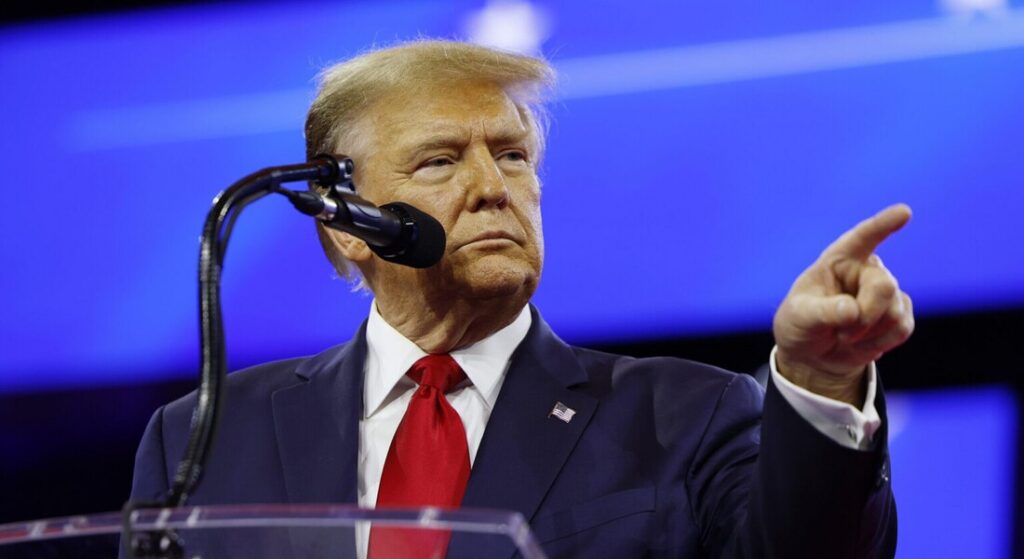
New Delhi: US President Donald Trump has said he has instructed American negotiators “not to rush into a deal” with Iran, signalling a more cautious approach even as Washington indicates progress in talks aimed at easing tensions in West Asia.
Trump’s remarks came days after he suggested that a potential agreement between the United States and Iran had been “largely negotiated”, fuelling speculation that a diplomatic breakthrough could be imminent.
In a post on Truth Social, Trump said discussions with Tehran remained “constructive” but stressed that negotiators should proceed carefully. “I have told our negotiators not to rush into a deal,” Trump wrote, adding that “both sides must take their time and get it right.”
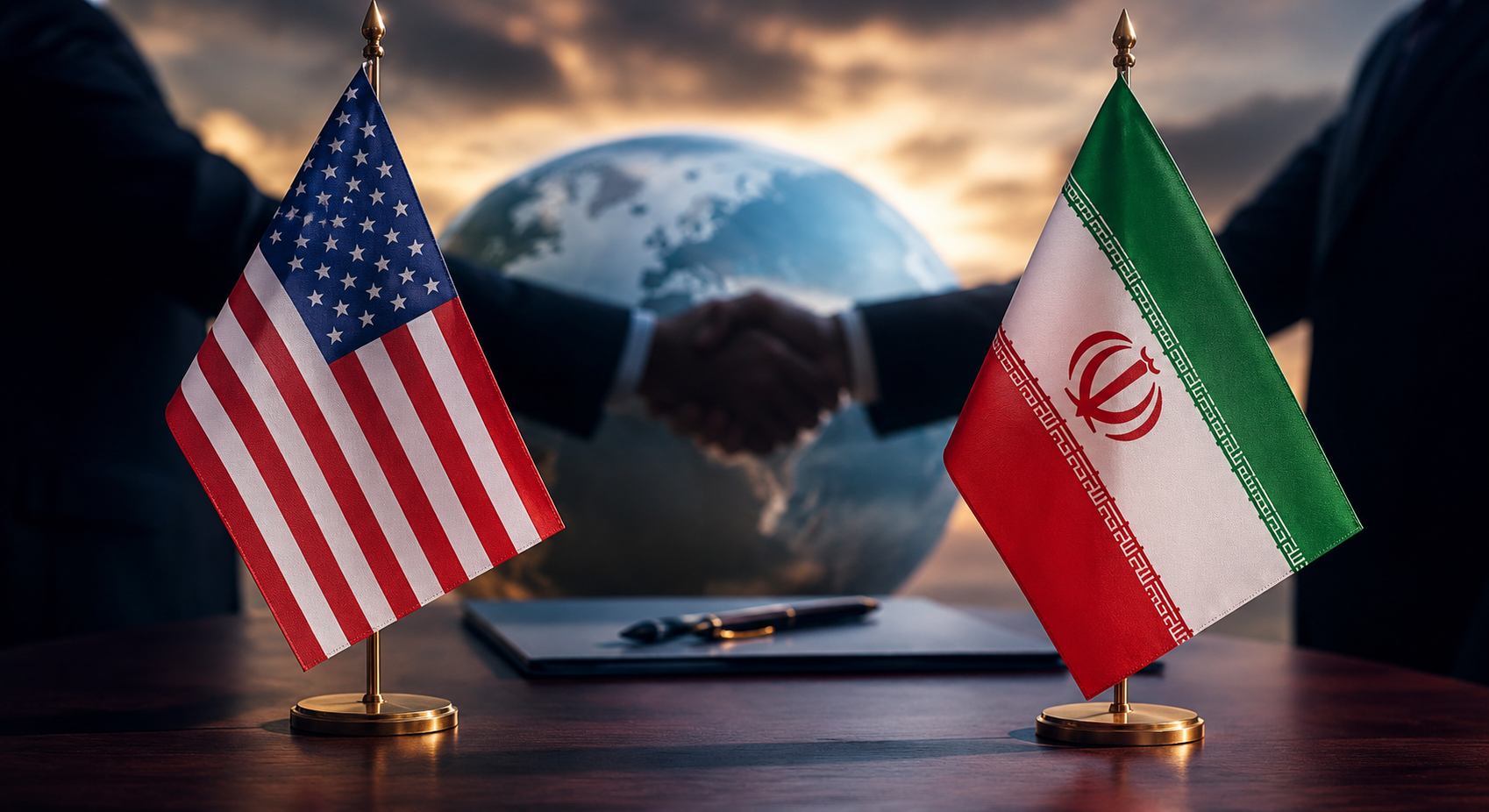
According to media reports, the framework currently under discussion could include a 60-day extension of the ceasefire, partial reopening of the Strait of Hormuz and fresh negotiations over Iran’s nuclear programme. However, several contentious issues — including sanctions relief, access to frozen Iranian funds and limits on Tehran’s nuclear activities — are reportedly expected to be addressed in later stages.
Speaking to reporters in New Delhi on Monday before leaving for Agra, US Secretary of State Marco Rubio said negotiations had made meaningful progress, particularly regarding the reopening of the Strait of Hormuz, a critical global shipping route. “Work is still in progress. We thought we might have some news last night, maybe today,” Rubio said.
He added that Washington had a “pretty solid thing on the table” regarding efforts to reopen the waterway and begin “a very real, significant, time-limited negotiation on the nuclear matters.”
Rubio acknowledged that while there had been broad international support for efforts to end the conflict in West Asia, the diplomatic process remained challenging. “Hopefully we can pull it off,” he said.
The Strait of Hormuz, through which nearly one-fifth of the world’s oil and liquefied natural gas passes, was effectively blocked by Iran following joint US-Israel strikes launched on February 28. Tehran’s response triggered disruptions in maritime trade and pushed global oil prices sharply higher.
Following a ceasefire agreement reached in early April, the US imposed a blockade on Iranian ports — a measure Trump has said will remain in place until any agreement is “reached, certified, and signed”.
Trump also reiterated Washington’s key demand that Iran must not acquire nuclear weapons. Tehran, however, has repeatedly maintained that its nuclear programme is intended solely for peaceful purposes.
Iranian Foreign Ministry spokesperson Esmail Baghaei recently suggested the two sides remained simultaneously “very close and very far” from an agreement, reflecting the fragile nature of the negotiations.
The reported deal has also triggered political divisions within the US. Republican Senator Ted Cruz reportedly described the proposal as “a disastrous mistake”, while Senate Armed Services Committee Chairman Roger Wicker warned that extending a ceasefire would undermine gains achieved through recent military operations.
However, Representative Mike Lawler, a member of the House Foreign Affairs Committee, defended the administration’s strategy, saying Washington had succeeded in bringing Iran into what he described as “a real negotiation”.