
New Delhi: The World Meteorological Organization (WMO) has warned that global temperatures are likely to remain at or near record highs over the next five years, with an increasing possibility of new heat records and continued warming across the Arctic region.
In its latest Global Annual-to-Decadal Climate Update, produced by the UK Met Office, the WMO said annual global average near-surface temperatures between 2026 and 2030 are expected to remain between 1.3°C and 1.9°C above pre-industrial levels recorded during 1850-1900.
The report stated there is an 86% chance that at least one year between 2026 and 2030 will surpass 2024 as the warmest year ever recorded globally.
According to the forecast, there is also a 91% probability that global temperatures will temporarily exceed 1.5°C above pre-industrial levels during at least one year in the five years.
In a press release, the WMO noted that global temperatures had already briefly crossed the 1.5°C mark in 2024, when the average surface temperature was estimated at around 1.55°C above the historical baseline.
The climate update further said there is a 75% chance that the average warming across the entire 2026-2030 period will remain above 1.5°C. However, the report added that the possibility of any single year crossing the 2°C threshold remains exceptionally unlikely.
Scientists involved in the assessment pointed to the possible return of El Niño conditions as one of the factors that could intensify global warming trends in the coming years.
Lead author Leon Hermanson said climate models indicate an El Niño event may emerge towards the end of 2026, increasing the likelihood that 2027 could become another record-breaking year for global temperatures.
The report also highlighted the rapid pace of Arctic warming. Temperatures across the Arctic during the next five northern hemisphere winters are expected to rise by around 2.8°C above the 1991-2020 average – more than three times higher than the projected global average anomaly for the same period.
In addition, forecasts suggest continued declines in Arctic sea ice concentration, particularly in the Barents Sea, Bering Sea, and Sea of Okhotsk.
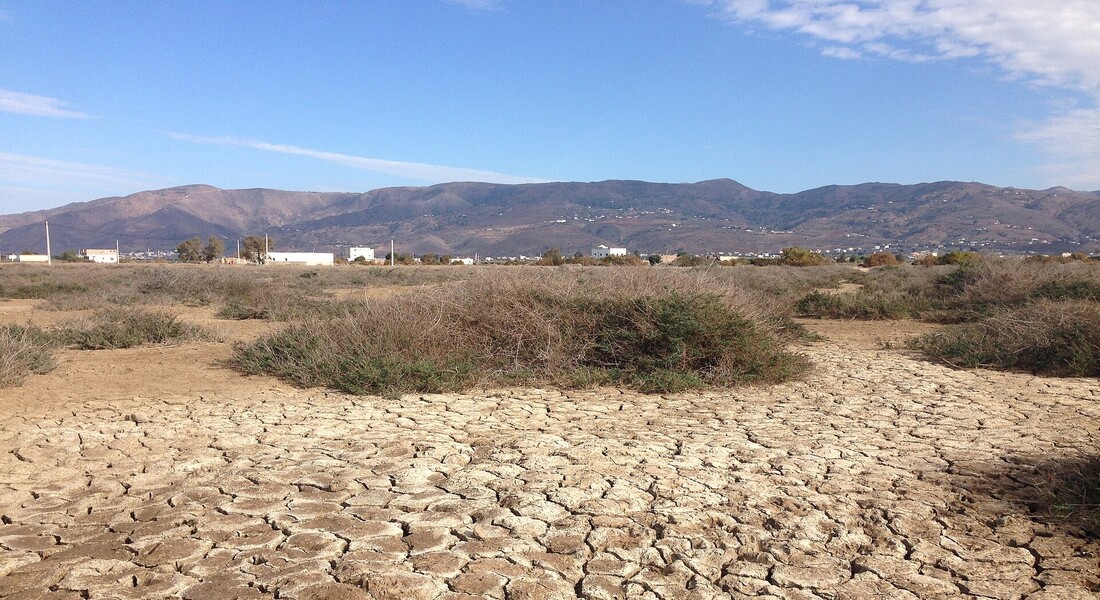
The WMO said wetter-than-average conditions are likely in several high-latitude regions, while parts of the subtropics may experience drier conditions consistent with long-term climate warming patterns. Seasonal forecasts for 2026-2030 indicate wetter conditions in regions including the Sahel, northern Europe, Alaska, and Siberia, while drier conditions are expected over the Amazon region.
The report clarified that temporary annual breaches of the 1.5°C warming threshold do not mean the long-term goals of the Paris Agreement are unattainable, as the agreement refers to sustained temperature increases measured over longer periods.