
Trilateral discussions involving Ukraine, Russia and the United States will resume on Wednesday, but major differences over territory and post-war security arrangements remain unresolved.
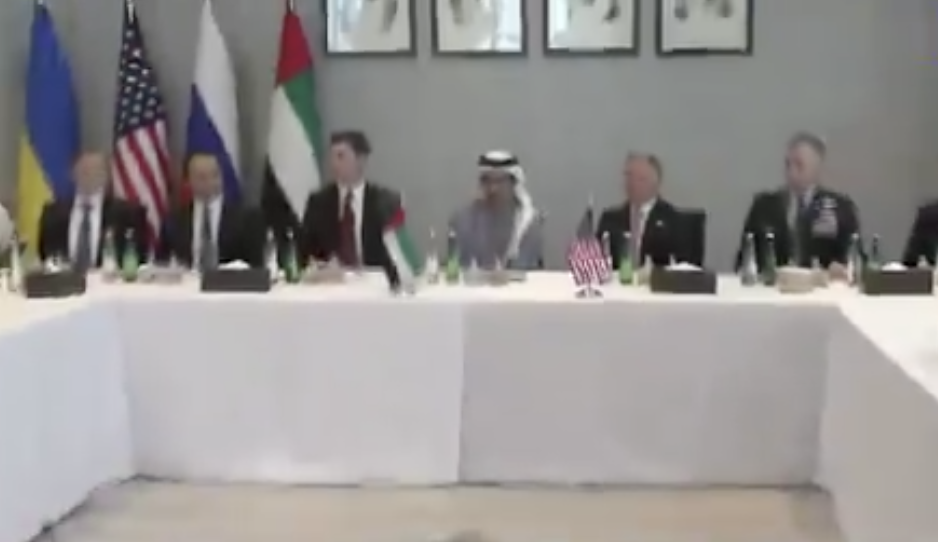
The first day of trilateral peace talks between Ukraine, Russia and the United States concluded in Abu Dhabi on Tuesday, with Washington describing the discussions as “very productive”, even as the two sides remain divided over key territorial and security issues.
US Secretary of State Marco Rubio, who was not part of the negotiations, said the initial discussions had been encouraging. The four-hour meeting between senior officials from Kyiv and Moscow, facilitated by Washington, is scheduled to resume on Wednesday.
Expectations of an immediate breakthrough remain low. However, US officials have indicated that both Moscow and Kyiv have shown some private flexibility over the future of Ukraine’s eastern territories, although neither side has publicly shifted its position, BBC reported.
At the opening of the talks, US President Donald Trump’s son-in-law, Jared Kushner, told delegates that Washington had narrowed the differences between the two sides. He expressed hope that the discussions could lead towards a solution to end the war. Kushner and US special envoy Steve Witkoff also held separate meetings with Ukrainian, European and NATO officials on the sidelines.
The future of Donetsk, a largely Russian-occupied region in eastern Ukraine, remains one of the most contentious issues. Moscow wants Kyiv to surrender the parts of the region still under Ukrainian control, while Ukraine has proposed freezing the existing frontline to retain those territories, which it considers vital to its security.
US officials have suggested that progress on the territorial question will depend on agreement over a post-war security framework. For Kyiv, this could involve assurances that its allies would support it if Russia launches another attack. Moscow, meanwhile, has long sought restrictions on NATO’s presence and influence in Eastern Europe, a demand that has raised concerns among European countries.
Proposals under discussion reportedly include security consultations, crisis communication hotlines and reciprocal de-escalation measures. The possible reactivation of the NATO-Russia Council, largely inactive since 2022, has also been raised.
Russia has rejected calls for an unconditional ceasefire before substantive negotiations. Foreign Minister Sergei Lavrov said on Tuesday that a truce would give Ukraine an opportunity to regroup, adding that Moscow would not agree to such a proposal.
European governments, which have largely remained outside the main peace negotiations so far, are pressing for a greater role in discussions that could shape the continent’s future security. Rubio acknowledged during a visit to Paris that European countries would be part of finding a long-term solution, although a US official indicated that Moscow remained reluctant to engage with them.
The latest round follows earlier trilateral discussions in Geneva in February, which ended without an agreement. Subsequent developments, including the US-Israel conflict with Iran, diverted Washington’s attention from the Ukraine negotiations.
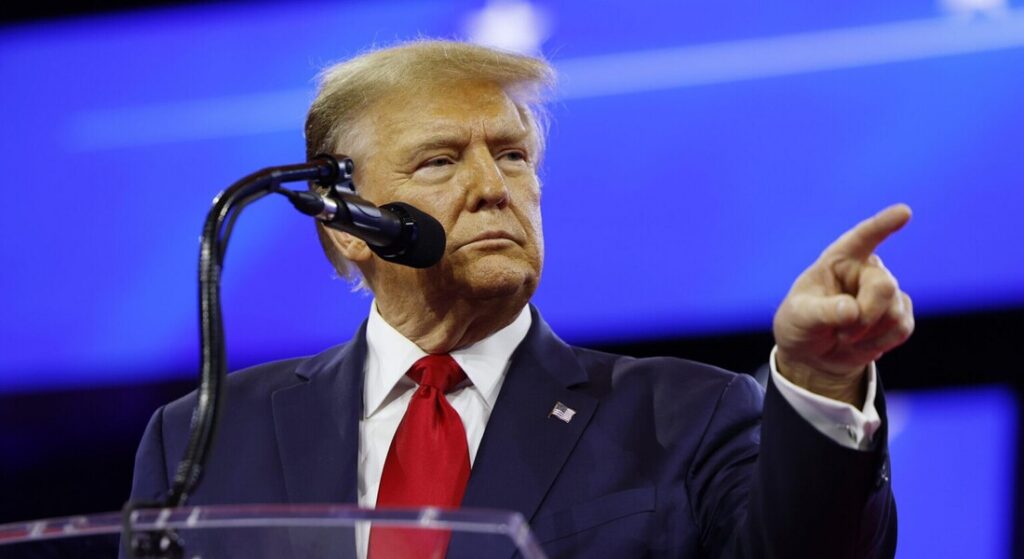
Trump has made ending the war a central foreign policy objective since returning to office, but previous rounds of diplomatic efforts have produced little progress. His increasingly conciliatory approach towards Moscow has also caused concern in Kyiv and across the European Union.
Following a meeting with Kremlin envoy Kirill Dmitriev in Washington last week, Trump spoke of a possible major agreement involving Europe.
However, scepticism remains strong in Ukraine. Ukrainian MP Oleksandr Merezhko, who heads the parliamentary committee on foreign affairs, told the BBC that he believed Trump was seeking a quick settlement at Ukraine’s expense, which Kyiv would reject. He argued that greater pressure through sanctions and military action against Russian targets was necessary to persuade President Vladimir Putin to negotiate seriously.
Meanwhile, Russian strikes on Ukrainian cities and energy infrastructure have continued, reinforcing concerns in Kyiv that Moscow is attempting to force it into accepting a settlement on Russian terms.
The Russian delegation in Abu Dhabi includes Kremlin aide Vladimir Medinsky, Deputy Foreign Ministers Sergei Ryabkov and Mikhail Galuzin, intelligence chief Igor Kostyukov and military official Yury Zhigarlovsky. Ukraine is represented by senior officials including Rustem Umerov, Kyrylo Budanov and MP Davyd Arakhamiya.
As the discussions prepare to resume, the immediate challenge remains bridging the differences over territory and security guarantees. Kushner has cautioned that the Abu Dhabi meetings may, at best, build momentum for the next phase of negotiations, describing the conflict as extraordinarily difficult and complicated.