Pakistan, Qatar, Saudi Arabia and UN welcome breakthrough as Iran and US move towards a ceasefire pact; Israel remains wary.
New Delhi: A tentative agreement between the United States and Iran to end months of military confrontation has triggered cautious optimism across the world, with several countries and international bodies welcoming the development as a potential pathway to regional stability, even as Israel expressed reservations over the deal.
US President Donald Trump announced on Sunday that Washington and Tehran had reached a preliminary understanding aimed at ending the US-Israel conflict with Iran and halting hostilities linked to Lebanon.
Congratulations to Jim Dolan and the New York Knicks!!! pic.twitter.com/ImyZeQyxl3
— The White House (@WhiteHouse) June 14, 2026
In a post on his Truth Social platform, Trump declared, “The deal with the Islamic Republic of Iran is now complete,” while signalling a reopening of global maritime trade routes and energy flows.
Iran’s Deputy Foreign Minister Kazem Gharibabadi confirmed that broader negotiations, including sanctions relief, would continue during a proposed 60-day ceasefire period. According to Iran’s Supreme National Security Council, the tentative understanding includes the immediate suspension of military operations across all fronts, including Lebanon, and the lifting of the US naval blockade on Iranian ports.
However, Gharibabadi cautioned, according to the Tasnim news agency, that Iran would closely monitor Washington’s adherence to commitments and stressed that the memorandum did not amount to “trusting the enemy”.
The official signing ceremony of the proposed agreement is expected to take place in Geneva, Switzerland, on June 19. According to reports by Al Jazeera, the deal is being viewed internationally as a significant diplomatic breakthrough after months of violence that disrupted regional security and pushed global oil prices higher.
Among the first countries to respond positively was Pakistan. Prime Minister Shehbaz Sharif congratulated both Washington and Tehran for their commitment to diplomacy and acknowledged the role played by Qatar, Saudi Arabia and Türkiye in facilitating negotiations.
Qatar also welcomed the development. According to Al Jazeera, Qatar’s Ministry of Foreign Affairs praised both sides for pursuing negotiations and peaceful engagement. Minister of State Mohammad bin Abdulaziz Al-Khulaifi expressed hope that the agreement would encourage broader regional stability and constructive dialogue.
Saudi Arabia described the understanding as an important step towards ending military operations and initiating detailed negotiations over a 60-day period aimed at reaching a permanent settlement. The United Arab Emirates similarly underlined the importance of diplomacy, urging all sides to fully comply with the terms of the agreement and immediately halt hostile actions.
Kuwait issued a warm welcome to the memorandum of understanding, while acknowledging the diplomatic contributions of Pakistan and Qatar in helping bridge differences between the two sides.
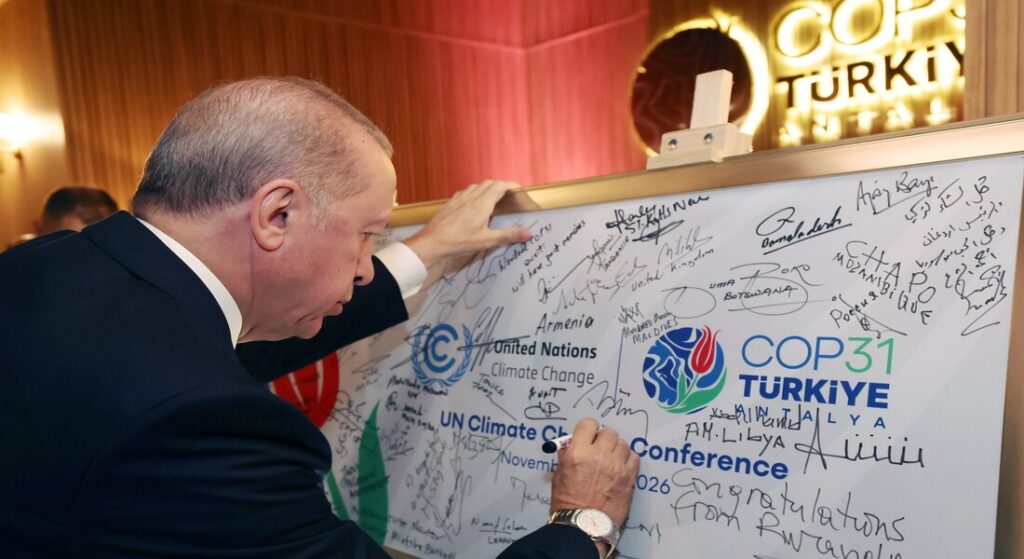
Türkiye President Recep Tayyip Erdoğan called the deal an important development for peace and tranquillity in the region and reiterated Ankara’s commitment to supporting diplomatic solutions grounded in international law.
At the global level, UN Secretary-General Antonio Guterres described the tentative deal as a “critical step” towards a peaceful resolution of the conflict. Meanwhile, European Commission President Ursula von der Leyen emphasised the need for swift and complete implementation of the agreement and restoration of unhindered maritime navigation.
Israel, however, responded cautiously. Defence Minister Israel Katz said Israel would not withdraw from territories it currently controls in Lebanon and warned of a forceful response if Iran resumed attacks linked to Lebanon. Finance Minister Bezalel Smotrich criticised the agreement, describing it as detrimental to Israel’s security and asserting that pressure on Iran must continue.
The content and durability of the understanding remain under scrutiny, but the announcement has raised hopes that one of West Asia’s most volatile confrontations may be moving towards de-escalation.