At IndiaVerve, we go beyond the noise to bring you meaningful stories of change, resilience and progress—from India to the world stage. Our mission is to bring readers credible, wide-ranging coverage across politics, business, sports, culture, society and more.

Indian Railways clears Rs 1,364 crore upgrade plan for safety and signalling

New Delhi: Indian Railways on Monday cleared a set of infrastructure projects worth Rs 1,364.45 crore aimed at improving safety systems, signalling mechanisms, and communication networks across its operations.

The approved works cover the installation of Kavach train protection systems, the expansion of optical fibre communication infrastructure, and the transition from panel interlocking to electronic interlocking at multiple locations.

As part of the plan, the national transporter has sanctioned the installation of on-board Kavach systems on 232 locomotives under Southern Railway. The project carries an estimated cost of Rs 208.81 crore. It falls under the 2024-25 umbrella programme for Kavach deployment supported by an LTE-based communication backbone.

The broader programme has an outlay of Rs 27,693 crore, with Rs 2,950 crore earmarked for Southern Railway, according to an official statement.

The proposed installation will use Kavach Version 4.0 technology to strengthen automatic train protection and reduce the risk of collisions.

In Northern Railway, three separate works have received approval at a combined cost of Rs 400.86 crore to reinforce communication backbone systems. These projects come under the umbrella scheme for strengthening and replacement of communication infrastructure, which has an approved cost of Rs 4,871 crore. The zone has been allocated Rs 871 crore under this scheme.

The works include laying of 2×48 fibre cables over 926.05 route kilometres in Ambala Division, 1,204 route kilometres in Delhi Division, along with dedicated OFC facilities at stations, and 1,074 route kilometres in Lucknow Division. The upgrades aim to improve network capacity and ensure the reliable data flow required for modern signalling systems and Kavach operations.

In North Central Railway, approval has been granted for laying 2×48 fibre OFC cables across 2,196 route kilometres for Rs 176.77 crore. The coverage includes 1,016 kilometres in Prayagraj Division, 709 kilometres in Jhansi Division, and 471 kilometres in Agra Division. The zone has received a sub-allocation of Rs 200 crore under the same umbrella programme.

The project will support the Kavach rollout across high-density routes and enhance communication reliability.

Meanwhile, South Central Railway will see the replacement of panel interlocking with electronic interlocking systems at multiple stations. Two projects worth Rs 578.02 crore have been sanctioned under the umbrella programme for signalling upgrades on high-density and highly utilised routes, which have an overall outlay of Rs 15,164 crore. The zone has been allotted Rs 1,857 crore.
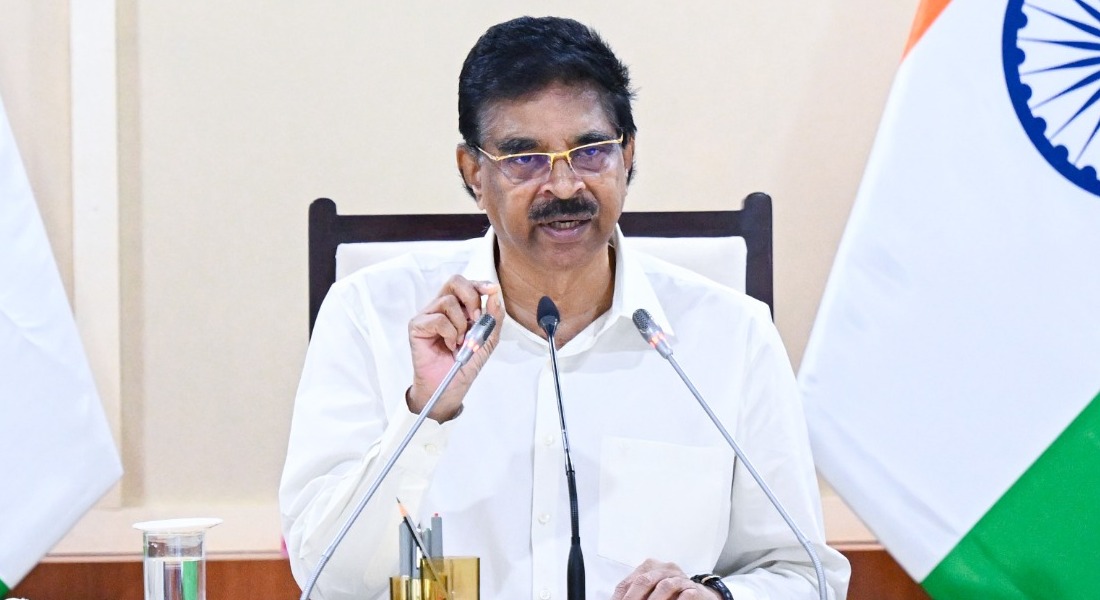
Governor Kambhampati appoints vice chancellors across Odisha universities

Bhubaneswar: Governor Dr. Hari Babu Kambhampati, in his capacity as Chancellor, on Monday appointed Vice Chancellors for a wide range of state universities, reinforcing leadership across Odisha’s higher education sector.

In a press release, the chancellor announced the appointment of Vice Chancellors for Utkal University, Ravenshaw University, and Fakir Mohan University. As per the notification, Prof. Chandi Prasad Nanda, Prof. Arka Kumar Das Mohapatra, and Prof. Santosh Kumar Tripathy have been appointed to lead these institutions, respectively.

Dr. Kambhampati also announced the appointment of Vice Chancellors for several other universities, including Dharanidhar University, Gangadhar Meher University, Khallikote Unitary University, Madhusudan Law University, Maa Manikeshwari University, Maharaja Sriram Chandra Bhanja Deo University, Rama Devi Women’s University, Rajendra University, Shree Jagannath Sanskrit University, Vikram Dev University, and Odia University.

The appointments have been made under the provisions of the Odisha Universities Act, 1989.

In his statement, Dr. Kambhampati expressed confidence that the newly appointed vice chancellors would bring strong leadership, vision, and academic excellence to their respective institutions.

He emphasised that under their guidance, these universities are expected to strengthen education standards, promote cutting-edge research, and foster innovation.

The chancellor noted that these appointments mark a significant step toward enhancing the quality and reach of higher education in Odisha, while nurturing the aspirations of students across the state.

Odisha issues guidelines to streamline LPG distribution across state

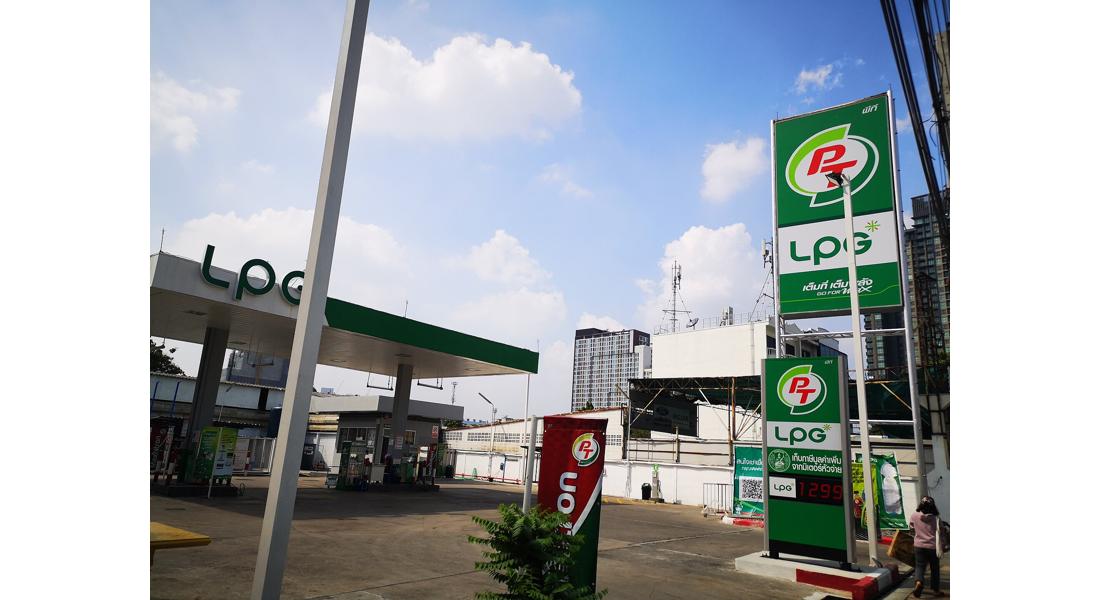
Bhubaneswar: The Food Supplies & Consumer Welfare Department on Monday issued comprehensive guidelines to streamline LPG distribution and ensure the availability of 5 kg cylinders across the state.

Principal Secretary Sanjay Kumar Singh clarified that there is no shortage of LPG, petrol, or diesel, and said the government has taken steps to improve access and transparency in supply.

He stated that 5 kg Free Trade LPG cylinders are being made easily accessible, especially for students and migrant workers. Consumers can obtain these cylinders through a simplified process that requires only a valid identity proof, with no need for address verification.

To further ease access, authorities are organising special camps to provide on-the-spot LPG connections. At the same time, enforcement teams have intensified action against illegal vendors to curb irregularities in distribution.

Singh added that inspections carried out at 1,633 locations have led to the seizure of 3,105 cylinders and the registration of 288 cases so far.

The government has also initiated district-level monitoring to ensure uninterrupted supply, with priority being given to essential institutions. Citizens have been encouraged to use digital booking platforms to ensure transparent and hassle-free access to LPG services.

Thailand flags oil import risks amid rising Middle East tensions

New Delhi: Thailand on Monday raised concerns over its heavy reliance on imported oil as escalating tensions in the Middle East threaten global energy supplies.

Prime Minister Anutin Charnvirakul warned that the intensifying conflict, including attacks on key infrastructure and oil facilities, could disrupt supply chains and trigger a wider energy crisis. In a post on Facebook, he indicated that the situation may worsen and take time to stabilise.

Highlighting Thailand’s vulnerability, he said the country depends significantly on crude oil imports despite maintaining relatively high reserves. He stressed that securing supplies could become more difficult if the conflict continues to escalate.

He noted that the widening gap between global oil demand and supply may affect shipments from the Middle East, leading to higher prices and tighter availability.

The government has already introduced energy-saving measures, including work-from-home arrangements for public sector employees. Charnvirakul called for strict implementation and urged private sector participation.

He encouraged reduced use of private vehicles, greater reliance on public transport, carpooling, and more responsible electricity consumption.

He also indicated that additional steps may be announced to limit the impact on the public. The PM expressed confidence that collective efforts would help the country manage the situation.

Separately, he said the new Cabinet will soon begin full administrative functions following a formal audience with His Majesty the King. He added that the government will prioritise resolving challenges and improving living conditions.

9th batch DSP probationers pass out from Odisha Police Academy

Bhubaneswar: The convocation ceremony of the 9th batch of DSP probationers was held at the Biju Patnaik State Police Academy in Bhubaneswar on Monday, marking the completion of their basic training.

Director General of Police Yogesh Bahadur Khurania attended the event as the chief guest and took the salute at the ceremonial parade.

A total of five DSP probationers of the ninth batch successfully completed their training and participated in the ceremony. Congratulating the newly inducted officers, the DGP called upon them to dedicate themselves to public service as a new force in the Odisha Police.

In his address, Khurania said that the quality training provided by the academy would help shape the officers into responsible, capable and professional members of the force. He advised them to face emerging challenges such as cybercrime, organised crime and other threats with courage and integrity.

The DGP also highlighted various steps taken by the state government to strengthen and modernise the police system. These include creation of new posts, recruitment initiatives, expansion of units such as OSSF, OISF and ODRAF, and measures to improve traffic management.

He further stressed the role of police in ensuring proper implementation of new criminal laws and increasing awareness among the public.

Reiterating that “service and security” is the core principle of Odisha Police, the DGP emphasised that protecting vulnerable sections, including women and children, remains a primary responsibility. He urged officers to enhance the image of the police through professionalism, sensitivity and good conduct.

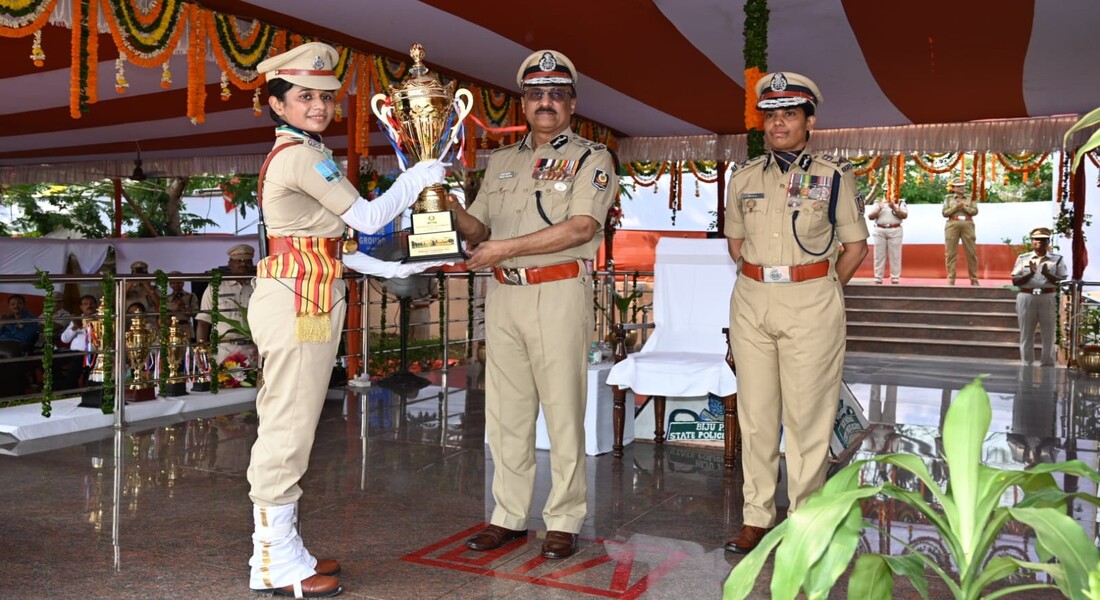
During the ceremony, meritorious trainees were honoured for their performance. Srishti Pradhan was awarded the Governor’s Medal and trophy for being the best probationer, along with securing the highest marks in indoor subjects and the NICFS Medal.

Sourabh Ranjan Pradhan was recognised as the second-best probationer and secured the highest marks in outdoor subjects. Pankaj Majhi received the Director’s Trophy for best performance in the AET course.

The event was attended by Academy Director and Additional Director General of Police (Women and Child Crime Branch) S. Saini, along with senior police officers, retired officials, family members of trainees and media representatives.

Masked man breaches Delhi Assembly security, arrested after hours-long search

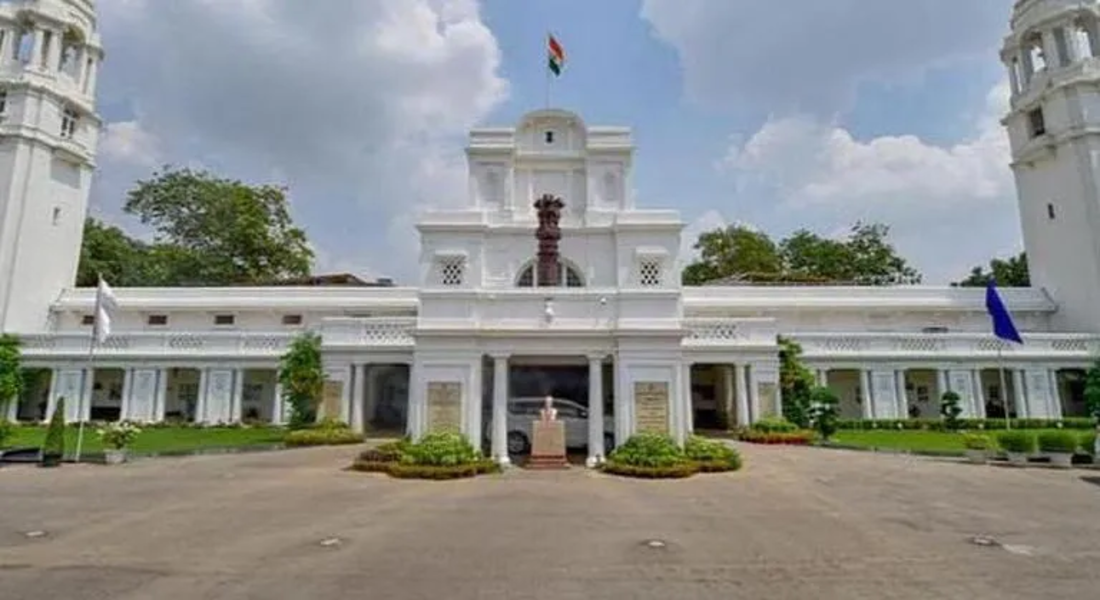
New Delhi: A man was arrested on Monday after breaching security at the Delhi Assembly premises by driving a car through a gate before fleeing the scene.

The accused, identified as Sarabjit Singh, was later apprehended following an intensive search operation, and the vehicle used in the incident was recovered from Roop Nagar in North Delhi.

According to officials, the incident took place around 2 pm when a car with a Uttar Pradesh registration number forced its way through Gate No. 2 of the Assembly premises, which serves as a VIP entrance and is guarded by CRPF personnel.

The vehicle, identified as a Tata Sierra, broke through the security barrier and entered the premises before the driver briefly stopped the car.

The man then stepped out, placed a flower bouquet near the gate area, and drove away, causing a significant security alert.

“The driver proceeded towards the office of Assembly Speaker Vijender Gupta and placed a flower bouquet near the porch before retreating,” a Delhi Secretariat official was quoted as saying by NDTV.

The official further stated that the individual also threw ink at the Speaker’s car during the incident.

Security agencies immediately launched a search operation, and a bomb disposal squad was deployed at the site to examine the object left behind.

Officials confirmed that no explosive or suspicious material has been found in the bouquet so far.

The breach comes shortly after the Delhi Assembly had received bomb threats during its recently concluded budget session, raising concerns over security arrangements.

Police have seized the vehicle and further investigation into the motive behind the incident is underway.

Odisha hosts 69th National School Rugby Championship at Kalinga Stadium

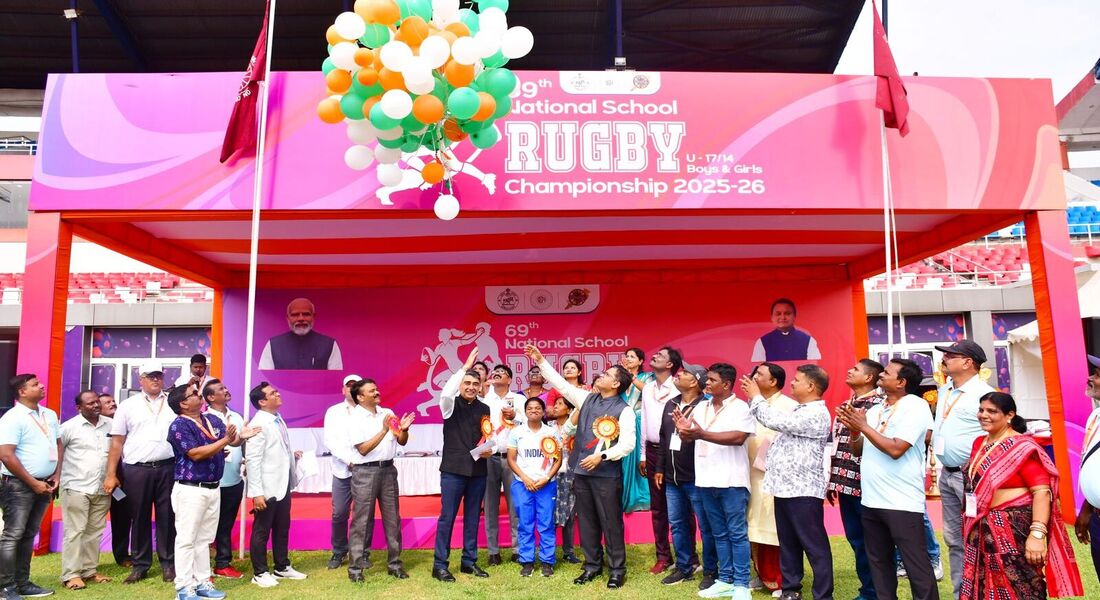
Bhubaneswar: Odisha is hosting the 69th National School Games Federation of India (SGFI) Rugby Championship 2025–26 at Kalinga Stadium, bringing together young rugby players from across the country.

The national-level championship, featuring both boys and girls in Under-17 and Under-14 categories, began on Monday and will continue till April 10.

The inaugural ceremony was attended by Commissioner-cum-Secretary of the Sports and Youth Services Department Bhupendra Singh Poonia as the chief guest. Other dignitaries present included Commissioner-cum-Secretary of the School and Mass Education Department Dr. N. Thirumala Naik, Director of Secondary Education Birendra Korkora, Assistant Director (PET) Jyoti Prasad Parida, SGFI Observer Arvind Yadav, and international rugby player Dumuni Marandi.

Addressing the participants, Poonia encouraged young athletes to compete with true sportsmanship and aspire to represent their state and the country at international levels.

SGFI Observer Arvind Yadav appreciated the School and Mass Education Department and thanked the Odisha government for hosting the championship at a venue like Kalinga Stadium. He expressed hope that Odisha would continue to host more international-level sporting events in the future.

International rugby player Dumuni Marandi also interacted with the participants and shared her experiences to motivate the young athletes.

According to the schedule, Under-17 boys’ and girls’ matches are being held on April 6 and 7, while competitions in the Under-14 category will take place on April 9 and 10.

Around 460 players from 15 states and organisations are participating in the Under-17 category. The participating teams include Andhra Pradesh, Bihar, Chhattisgarh, Delhi, Gujarat, Jammu and Kashmir, Madhya Pradesh, Maharashtra, Odisha, Punjab, Rajasthan, Tamil Nadu, Telangana, CBSE Welfare Sports Organisation, and the Council for the Indian School Certificate Examinations.

The championship is expected to provide a platform for young talent to showcase their skills and gain exposure at the national level.

Odisha sets up Special Development Councils in 23 districts to preserve tribal culture

Bhubaneswar: The Odisha government on Monday set up Special Development Councils (SDCs) in 23 districts to boost tribal welfare and preserve local culture.

Each district council will be led by a Chairman and a Vice-Chairman responsible for overseeing development projects and cultural initiatives, according to a list shared by the Chief Minister’s Office.

Officials noted that the councils aim to strengthen tribal identity while ensuring that community voices guide development at the grassroots level.

Some of the appointed leaders include:

Angul: Chairman – Basistha Nayak; Vice-Chairman – Surumani Chhatar
Bolangir: Chairman – Ballav Dharua; Vice-Chairman – Jayanti Bhoi
Balasore: Chairman – Bipin Marandi; Vice-Chairman – Jharana Singh
Bargarh: Chairman – Gobardhan Bhoy; Vice-Chairman – Tilotama Bhue
Boudh: Chairman – Damarudhar Kanhar; Vice-Chairman – Jharana Jani
Koraput: Chairman – Bhagaban Muduli; Vice-Chairman – Sukanti Majhi
Malkangiri: Chairman – Gangadhar Sodi; Vice-Chairman – Sabitri Padiami

Officials highlighted that the SDCs reflect Odisha’s commitment to sustainable development and cultural preservation. By giving local representatives leadership roles, the state seeks to integrate tribal heritage into broader development plans.

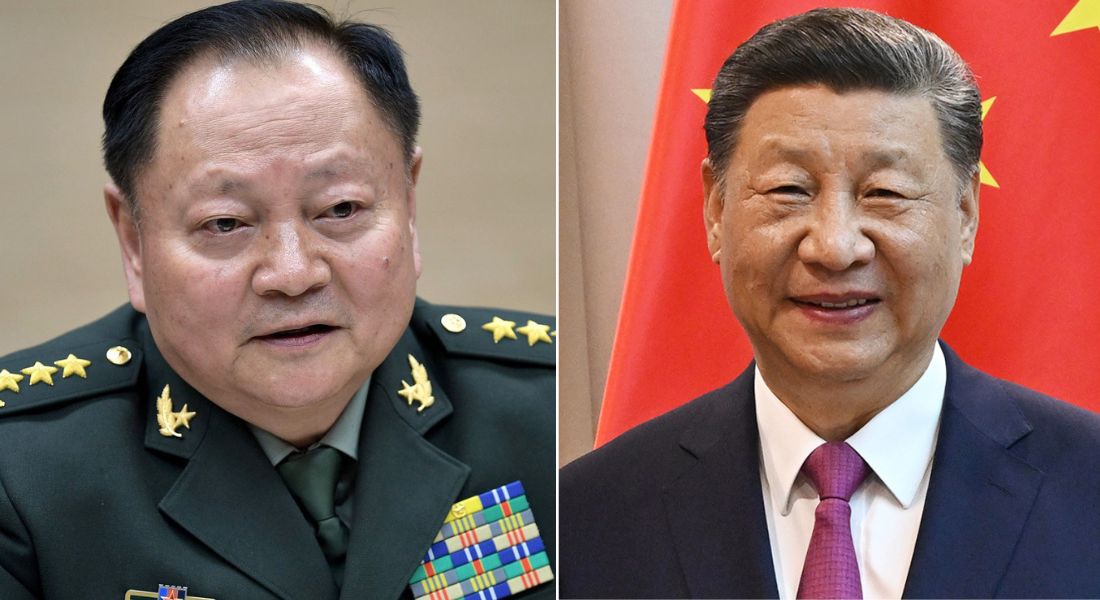
Why Xi Jinping losing trust within China’s military leadership?

Frequent removals, corruption allegations and internal power struggles signal deep unease within China’s top military and political hierarchy

China’s political and military establishment appears to be witnessing significant internal churn, with reports suggesting that President Xi Jinping is increasingly unable to rely on his top military leadership. Over the past three years, more than 30 senior officials of the People’s Liberation Army (PLA), including several generals and admirals, have been removed from their positions.

Currently, only a handful of top-ranking generals remain in key roles, while several senior officials are reportedly missing. This has raised questions about the growing trust deficit within China’s military command structure. Discussions around these developments point to factors such as mistrust, internal rivalry and corruption.

Notably, several military leaders who were once considered close to Xi Jinping and played key roles in consolidating his leadership have also been removed. The Central Military Commission (CMC), the highest military body in China, is chaired by the President himself. However, out of six top officials who were part of the CMC in 2022, only one continues to remain in position.

Among those removed is Zhang Youxia, who served as Vice Chairman of the CMC and was considered one of the most powerful figures in China’s military hierarchy after Xi. Another senior officer, General Liu Zhenli, has also reportedly lost his position. Both were responsible for key aspects of China’s military planning and preparedness.

Zhang Youxia’s removal has drawn particular attention, given his close association with Xi Jinping. He is believed to have played a crucial role in Xi securing a third presidential term in 2023. However, allegations have surfaced that Zhang was building influence within the military and creating divisions among Xi’s trusted circle. This has led to speculation that his growing power may have been perceived as a threat.

The developments come amid broader concerns about corruption within China’s military, especially in the rocket and missile forces. Reports have indicated serious irregularities, including instances where missiles were allegedly filled with water instead of fuel and substandard infrastructure was used for deployment.

Following these revelations, the entire top leadership of the PLA’s Rocket Force was removed. Since coming to power in 2012, Xi Jinping has overseen disciplinary action against more than 200,000 military personnel, including around 120 senior officers across the army, navy and air force.

The internal reshuffle has intensified in recent years, particularly after 2023. In 2022, out of 44 uniformed senior military officials in the Communist Party’s Central Committee, 29 were removed. Similarly, multiple top-level officials in the CMC have been replaced, leaving only a limited number of trusted figures in key roles.

Zhang Youxia’s background further underscores the significance of these developments. Coming from a family of revolutionary leaders, he belongs to the so-called “princeling” class in China’s political system. He joined the military at the age of 18 and served in the 1979 China-Vietnam war. Over the years, he rose to become a full general and later a member of the Communist Party’s Politburo.

In January 2026, an investigation was reportedly initiated against Zhang for alleged violations of party discipline. In China, such probes are often linked to corruption charges or questions over loyalty to the top leadership.

There have also been indications of political instability at the highest levels. In June 2025, Xi Jinping was reportedly absent from public view for two weeks, leading to speculation about internal power struggles. Officially, this absence was attributed to health reasons, though discussions pointed to possible tensions within the leadership.

China’s political system, led by the Communist Party, concentrates significant authority in the hands of its top leadership. Xi Jinping currently holds multiple key positions, including General Secretary of the Communist Party and Chairman of the Central Military Commission.

After constitutional changes in 2018 removed the two-term limit for the presidency, Xi secured a third term in 2023. Discussions now suggest that he may be preparing for a fourth term in 2027, alongside efforts to reshape the military leadership with a new group of trusted officials.

These developments point towards an ongoing consolidation of power, even as internal challenges within China’s military and political structures continue to surface.

***
The author is a Bhubaneswar-based senior columnist. Views expressed are personal and do not necessarily reflect those of IndiaVerve.

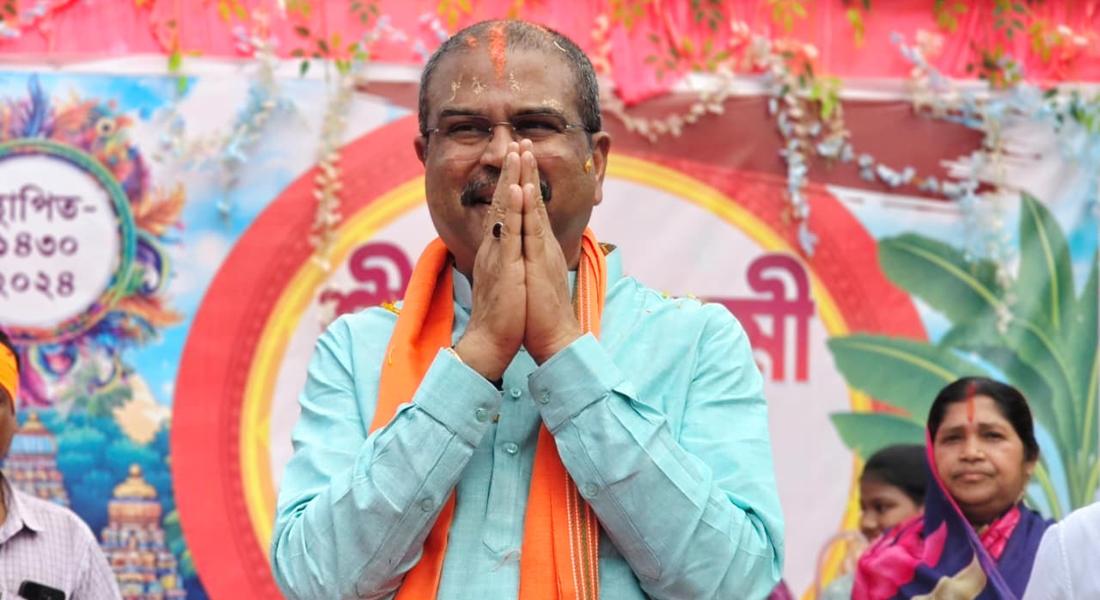
Dharmendra Pradhan hails Odisha’s reservation hike in professional courses

Bhubaneswar: Union Education Minister Dharmendra Pradhan has welcomed the Odisha Cabinet’s decision to enhance reservation in admissions to medical, engineering, agriculture, and allied technical courses in the state.

He said the Cabinet approved an increase in reservation for Scheduled Tribes from 12% to 22.50% and for Scheduled Castes from 8% to 16.25%. He added that the government has, for the first time, introduced a 11.25% reservation for students belonging to Socially and Educationally Backward Classes.

In a post on X, Pradhan expressed gratitude to Prime Minister Narendra Modi and Chief Minister Mohan Charan Majhi for approving the measure. The minister stated that social justice remains a core principle of governance and that ensuring equal opportunities, rights, and a dignified life for all sections of society remains a priority.

He further said the decision aligns with the PM’s vision of inclusive development and reflects the commitment to the principle of Antyodaya, which focuses on uplifting the last person in society. He added that the move marks a historic step towards expanding access to higher education for marginalised communities.

ALSO READ: Odisha Cabinet approves new reservation policy for higher education

Pradhan stated that the revised reservation policy will help empower talented students from disadvantaged backgrounds and support those from economically weaker families in pursuing medical and engineering education in the state.

He also thanked Deputy Chief Minister and Agriculture Minister K. V. Singh Deo, ST & SC Development, Minorities & Backward Classes Welfare Minister Nityananda Gond, Health Minister Mukesh Mahaling, Higher Education Minister Suryabanshi Suraj, and Industries, Skill Development and Technical Education Minister Sampad Chandra Swain for supporting the initiative.

The decision is expected to expand access to professional education and strengthen opportunities for students from underrepresented sections across Odisha.