At IndiaVerve, we go beyond the noise to bring you meaningful stories of change, resilience and progress—from India to the world stage. Our mission is to bring readers credible, wide-ranging coverage across politics, business, sports, culture, society and more.

Small plots, multiple incomes: Bihar farmers redefine small-scale agriculture

On a warm afternoon in Baikunthwa village in West Champaran, a small patch of land tells a larger story about the future of farming. In these tiny fields, multiple crops grow at once—some underground, some at the surface, others climbing upward—turning a once uncertain livelihood into a steady stream of income for small farmers.

Gopal Prasad, a small farmer with a family of seven, stands in his field and smiles with satisfaction. His words are simple but powerful: “If farming is done like this, some earning will always keep coming.” For him, farming was once uncertain, dependent on one crop and one season. But after adopting multi-layer vegetable cultivation his thinking, as well as his income, both changed.

This shift is particularly significant in Bihar, where most farmers operate on small and fragmented landholdings. Traditional single-crop farming often leaves families vulnerable to seasonal income gaps. These multi-layer farming supported by Samagra Sikchhan Evam Vikas Sansthan (SSEVS) and NABARD are emerging as a low-cost, high-efficiency model that can improve both income stability and land productivity, with farmers reporting nearly threefold income compared to single-crop practices.

On just 2 kathas (around 150–200 sq meters) of land, Gopal’s field now tells a different story. Radish grows under the soil, spinach and coriander spread across the ground, and bitter gourd climbs above on bamboo structures. Even after harvesting one crop, the field never looks empty. Something or the other is always growing, always ready to harvest. This means money is not coming once in a season, but every few days.
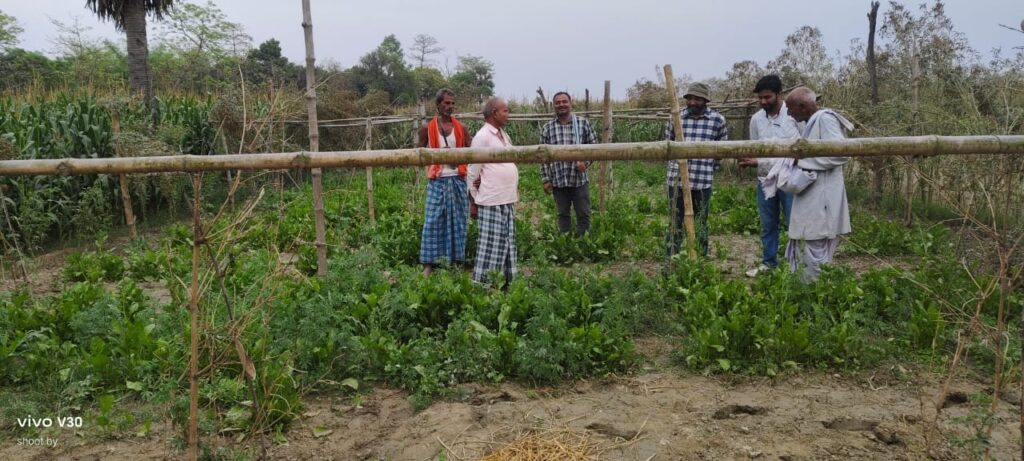
Gopal Prasad sharing his experience of multi-layer farming during a field visit by SSEVS and NABARD officials

During the Zaid season (March to June), Gopal earned around ₹35,000 from multiple crops like bitter gourd, radish, coriander, and leafy vegetables. And still, his elephant foot yam crop is standing in the field, promising future income. For a small farmer, this is not just income—it is security.

Just a few steps away, another farmer, Premchandra Prasad, shares a similar journey. With a similarly small landholding, he once struggled to make ends meet. Today, his field looks like a well-planned system where every inch of land is working. Bitter gourd vines hang above, leafy vegetables grow below, and yam quietly develops underground.

He explains with a calm confidence, “Now, every two days, I earn something. Earlier, we had to wait for one full crop.” From leafy vegetables alone, he earned ₹12,000, while bitter gourd brings him around ₹1,000 every two days, depending on market prices. For him, the crop is not just produce—it is like a small daily income system running from his own land.

What is even more interesting is his decision-making. When asked why he did not take seeds for the next season, he simply said that his current crops are still giving income and the yam will give good returns during Diwali. This shows a shift, from being just a farmer to thinking like a planner.
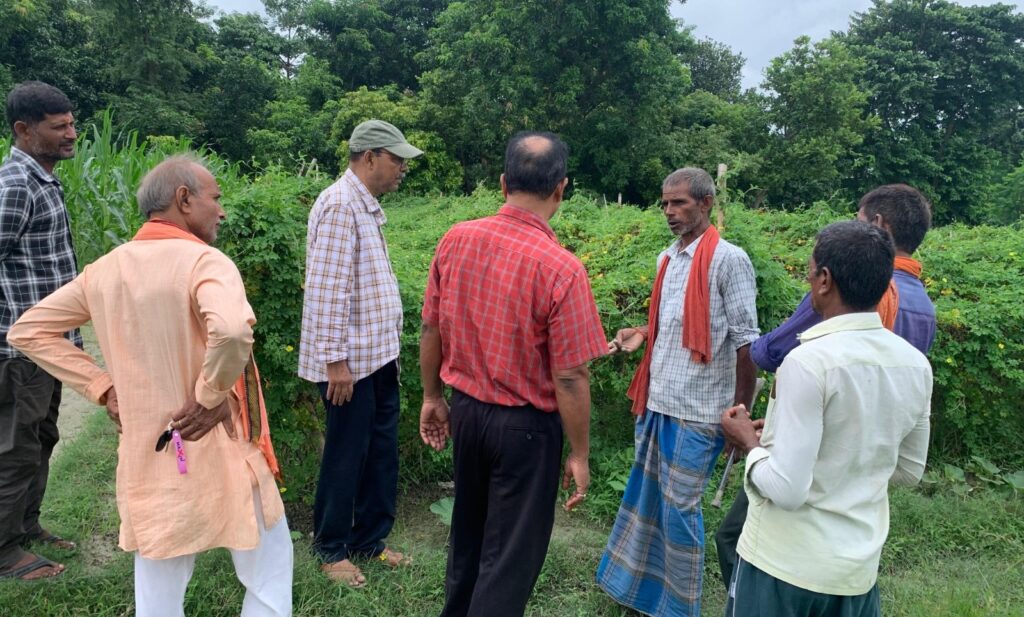
NABARD officials with farmers of Nautan and SSEVS field workers

The change is not limited to one or two farmers. During the field visit on 26 March 2026, NABARD officials, including DGM Shardanath and DDM Kameshwar Singh, observed that farmers across the village have started adopting this model successfully. In many fields, 5 to 6 crops were growing together in different layers—below ground, on the surface, and vertically. This has increased land productivity and ensured that harvesting happens regularly instead of once in a season.

Currently, around 100 farmers are connected with this initiative, and the methodology is gradually being replicated in other districts such as West Champaran, Madhubani, Sitamarhi, and Muzaffarpur, indicating its wider relevance and scalability.

Farmers shared openly that this method has reduced their risk. If one crop fails, others still give income. It has also improved household nutrition, as different vegetables are available throughout the season. Most importantly, it has changed their confidence. Farmers now feel that even small land can give big results if used wisely.

The role of SSEVS in this journey is clearly visible in every field. From providing quality seeds to regular field guidance and training, the organisation stayed closely connected with farmers. Whether it was pest management, sowing techniques, or introducing new crops like improved varieties of elephant foot yam, the support was continuous and practical. This handholding approach ensured that farmers were not just trained, but continuously supported through each crop cycle. This built trust, and today farmers are ready to invest in such practices even on their own.

During the visit, NABARD officials appreciated the visible change and encouraged farmers to think ahead—especially towards forming a Farmer Producer Company (FPC) so that they can collectively sell their produce and get better prices. The idea of working together is slowly taking root, just like the crops in their fields.

This model, if scaled, could offer a practical pathway to strengthen rural livelihoods without requiring large landholdings or heavy capital investment.

As green layers of crops continue to rise across Baikunthwa’s fields, they signal more than agricultural change. They point to a quiet shift in rural aspiration—where even the smallest plots are no longer seen as limitations, but as opportunities waiting to be cultivated.

***
Anil Lucas is an ex-defence personnel who discovered his interest in the development sector and is currently associated with SSEVS, working on rural livelihoods and community initiatives. Views expressed are personal and do not necessarily reflect those of IndiaVerve.
Amarnath Yatra to begin on July 3, registration from April 15

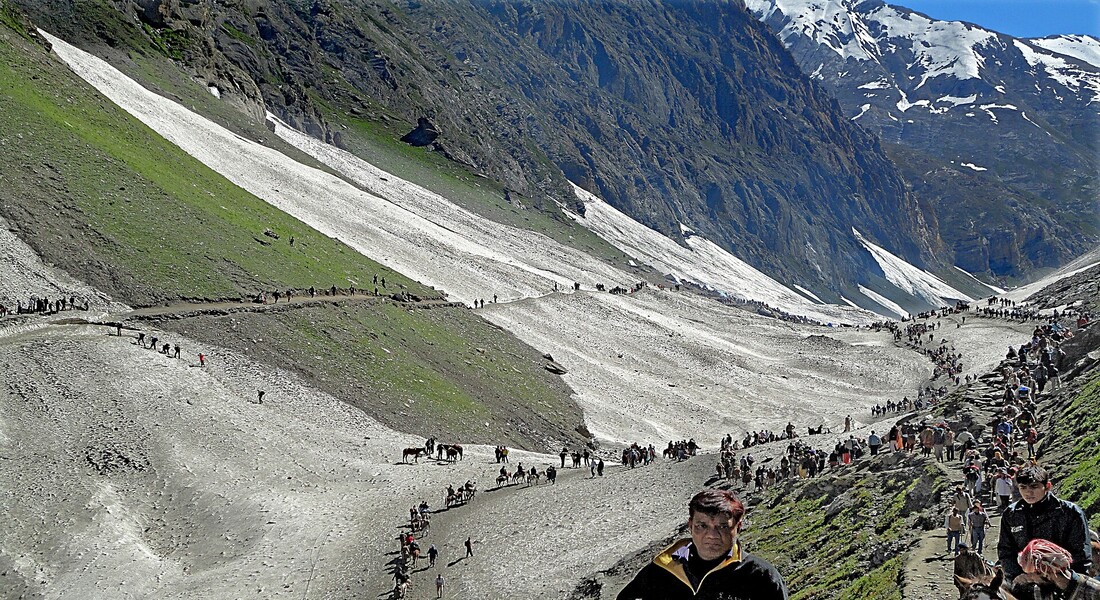
New Delhi: Jammu and Kashmir Lieutenant Governor Manoj Sinha on Sunday announced that this year’s pilgrimage to the Amarnath Cave will begin on July 3 and conclude on August 28.

He said the yatra will run for 57 days. The dates were finalised during a meeting of the Shri Amarnath Ji Shrine Board, chaired by him.

Registration for the pilgrimage will open on April 15 and will be mandatory for all participants.

Pilgrims aged between 13 and 70 years will be allowed to undertake the journey, he said in a series of posts on X.

Sinha said devotees can register in advance through about 556 designated bank branches across the country. The process will also be available online through the official website of the Shrine Board.

Banks such as Yes Bank, ICICI Bank, Punjab National Bank, State Bank of India, and Axis Bank will facilitate the registration process.

The first puja will be held on June 29 on the occasion of Jyeshtha Purnima, he added.

The pilgrimage will proceed along two routes. Devotees can choose the traditional 48-km Nunwan-Pahalgam route in Anantnag district or the shorter but steeper 14-km Baltal route in Ganderbal district.

Legendary singer Asha Bhosle passes away at 92

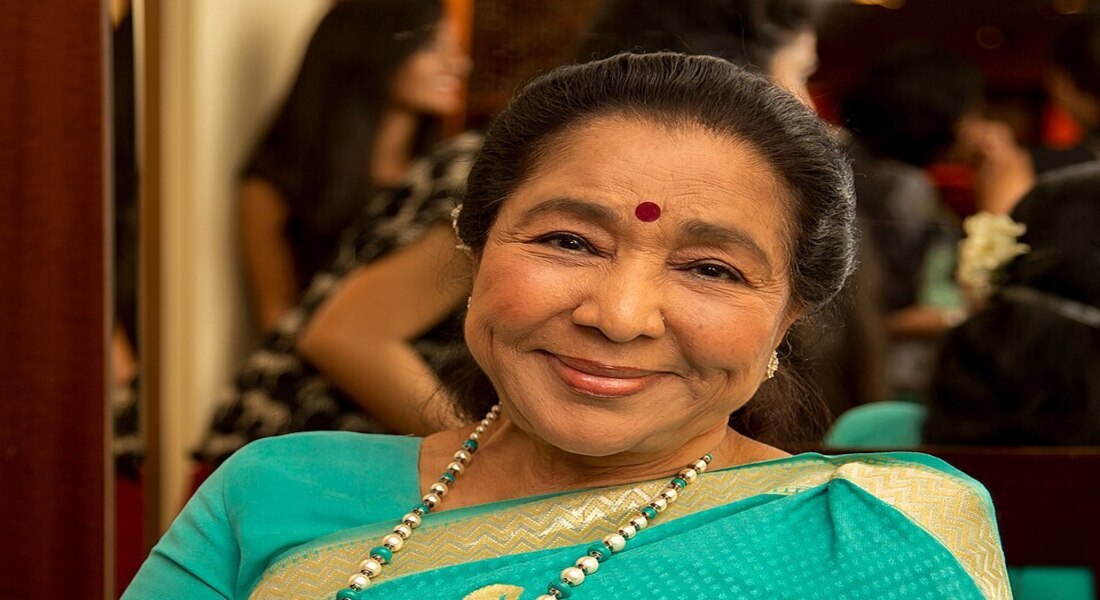
Mumbai: Legendary playback singer Asha Bhosle passed away at the age of 92 on Sunday after suffering a cardiac arrest, marking the end of an era in Indian music.

According to reports, the veteran singer was rushed to Breach Candy Hospital on Saturday following a cardiac emergency. She later died at the hospital. Maharashtra Cultural Affairs Minister Ashish Shelar announced the sad news.

Her mortal remains will be kept at her residence from 11 am to 3 pm, while the last rites are scheduled to take place at Shivaji Park at 4 pm.

Asha Bhosle was among the most celebrated voices in Indian playback singing. Born on September 8, 1933, she began her career at a young age and went on to record thousands of songs across multiple languages, including Hindi, Marathi, Bengali, and Gujarati.

Over a career spanning several decades, she received numerous honours, including the Dadasaheb Phalke Award and the Padma Vibhushan, in recognition of her immense contribution to Indian music.

Her vast repertoire includes timeless songs such as “Piya Tu Ab To Aaja,” “Dum Maaro Dum,” “Chura Liya Hai Tumne Jo Dil Ko,” “Jhumka Gira Re,” “Yeh Mera Dil,” and “Dil Cheez Kya Hai,” which continue to resonate with audiences.

In a past interaction after turning 92, she had expressed gratitude to her supporters in an interview with ETimes, stating that their encouragement motivated her to continue exploring new dimensions of music.

Her personal life also reflected resilience. She married Ganpatrao Bhosle at a young age, though the relationship ended early. Later, she found companionship and creative partnership with composer Rahul Dev Burman, with whom she shared one of the most iconic collaborations in Indian film music.

Meanwhile, Prime Minister Narendra Modi expressed deep sorrow over the passing of Asha Bhosle, saying she was one of the most iconic and versatile voices India had ever known.

“From soulful melodies to spirited compositions, her voice carried a timeless brilliance. I will forever cherish the memories of my conversations with her,” he said in a post on X.

Gamini gives birth to four cubs in Kuno National Park

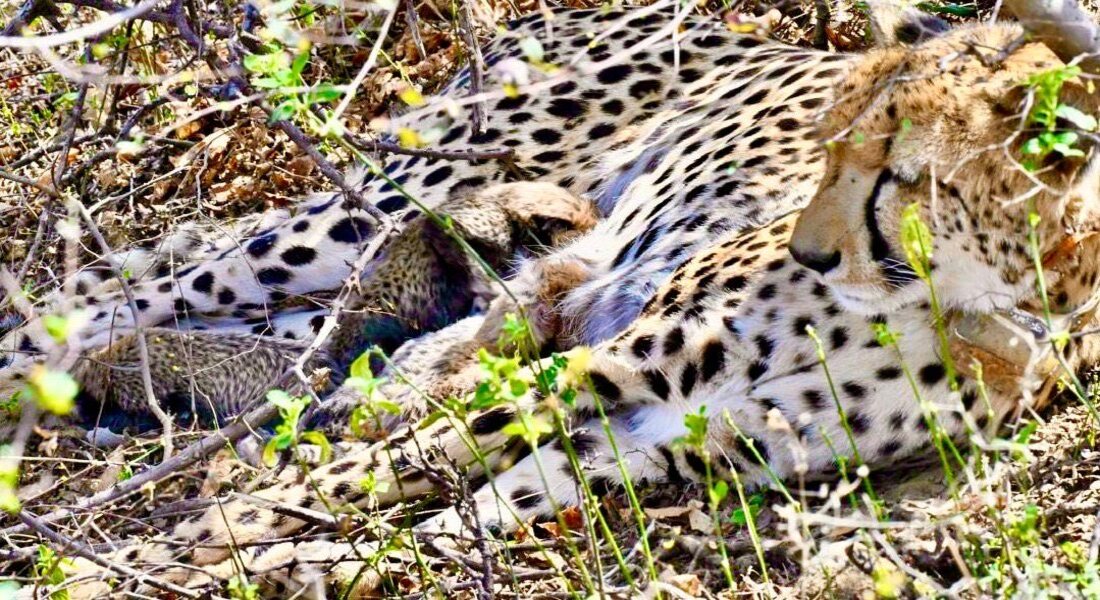
New Delhi: An Indian-born female cheetah, Gamini, has given birth to four cubs in the wild at Kuno National Park, Madhya Pradesh, marking a major milestone in India’s cheetah conservation programme.

Union Environment Minister Bhupender Yadav described the development as a significant step in the country’s efforts to reintroduce cheetahs. He noted that the birth is the first such instance in the wild since the programme began in 2022, and the first involving an Indian-born female cheetah.

Gamini, around 25 months old, has been living in the wild for over a year. The successful birth of four cubs under natural conditions highlights the growing adaptation of the species to Indian habitats.

The minister said the development reflects progress towards the core objective of the reintroduction initiative, which aims to ensure the survival and natural breeding of cheetahs in the wild. He added that the milestone demonstrates the effectiveness of sustained conservation and scientific management efforts at Kuno.

In a post on X, he also acknowledged the role of wildlife officials, veterinarians, and field staff, stating that their consistent efforts have contributed to this achievement.

The birth is expected to strengthen India’s ongoing efforts to establish a stable cheetah population in the wild.

India’s Vaishali extends lead in Women’s FIDE Candidates after key win

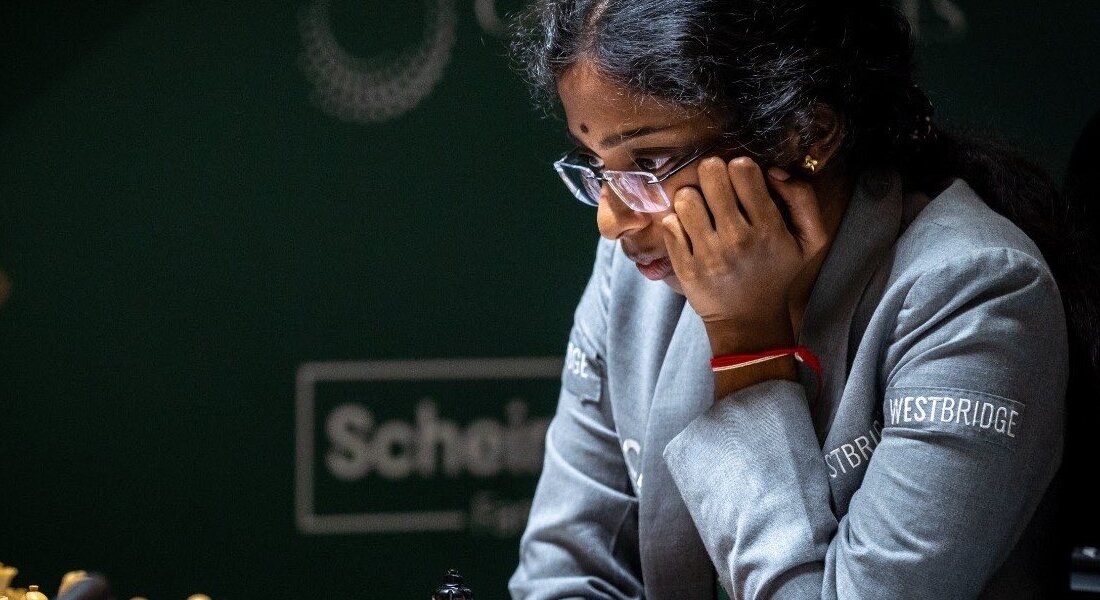
New Delhi: India’s R Vaishali strengthened her position at the top of the standings in the Women’s FIDE Candidates tournament on Saturday with a crucial win over Aleksandra Goryachkina in Round 11.

Playing with the black pieces, Vaishali capitalised on a costly mistake by her opponent. The error led to a trapped rook, forcing Russian Goryachkina to concede the game. The win helped Vaishali move to seven points from 11 rounds, maintaining her lead with only three rounds remaining, according to fide.com.

China’s Zhu Jiner and Ukraine’s Anna Muzychuk remain in joint second place, one point behind the Indian leader. In another Round 11 match, Divya Deshmukh held Zhu Jiner to a draw while Muzychuk shared points with Kateryna Lagno.

In the open section, R Praggnanandhaa played out a draw against Germany’s Matthias Bluebaum with the white pieces. The result took his tally to 4.5 points.

Tournament leader Javokhir Sindarov also settled for a draw in a hard-fought game against Fabiano Caruana. Sindarov now has 8.5 points from 11 rounds and remains in a strong position. Anish Giri, currently second with 6.5 points, drew his match against Andrey Esipenko.

Elsewhere, Hikaru Nakamura and China’s Wei Yi also played out a draw in their Round 11 encounter.

With the tournament entering its final phase, Vaishali holds a narrow but significant advantage in the race for the title.

Kalkal, Mandwal win gold as India shines at Asian Wrestling Championships

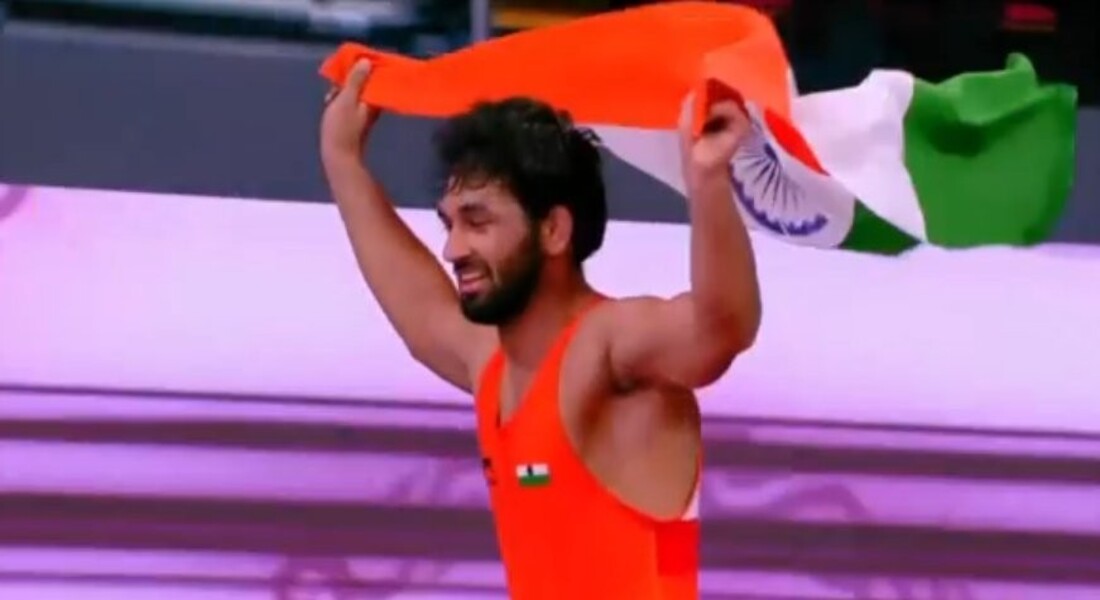
New Delhi: India opened its gold medal account at the Asian Wrestling Championships 2026 on Saturday with impressive performances from Sujeet Kalkal and Abhimanyou Mandwal, who clinched titles in the men’s freestyle 65kg and 70kg categories, respectively.

India’s tally at the continental event has now reached 14 medals, including two gold, one silver, and one bronze from the ongoing men’s freestyle competition in Bishkek, Kyrgyzstan.

Kalkal continued his strong run on the international circuit with a commanding 8-1 win over Umidjon Jalolov of Uzbekistan in the 65kg final. The bout marked a rematch of last year’s U23 World Championships final. With this victory, Kalkal secured his third consecutive gold medal this year, adding to his earlier triumphs at the Muhamet Malo and Zagreb Open tournaments, according to olympics.com.

In the 70kg final, Mandwal delivered a notable performance, defeating Olympian and World Championships silver medallist Tömör-Ochiryn Tulga of Mongolia 5-3. He had earlier advanced to the final after overcoming defending champion Ernazar Akmataliev of Kyrgyzstan in the semi-finals.

India narrowly missed another gold in the 79kg category as Sandeep Mann went down 2-1 to Japan’s Keyvan Gharehdaghi in the final. Sandeep had reached the title bout after a dominant semi-final victory over Somonjon Ikromov of Tajikistan.

In the 57kg category, Ankush secured a bronze medal with an 8-2 win against Japan’s Fuga Sasaki. Meanwhile, Vicky Hooda finished outside the podium after losing 7-5 to Uzbekistan’s Sherzod Poyonov in the 97kg bronze medal match.

Elsewhere, Olympic medallist Aman Sehrawat, advanced to the 61kg final following a hard-fought 11-9 win over Ahmad Javan of Iran in the semi-final. He is set to face Kwang Myong Kim of the Democratic People’s Republic of Korea in the final.

Mukul Dahiya also booked his place in the 86kg final after defeating Kazakhstan’s Bolat Sakayev 12-6 in the semi-finals. He will take on Iran’s Kamran Ghasempour in the title clash.

In the heavyweight category, Dinesh will compete for bronze after losing his semi-final bout to Shamil Sharipov of Bahrain.

US-Iran peace talks collapse after marathon Islamabad negotiations

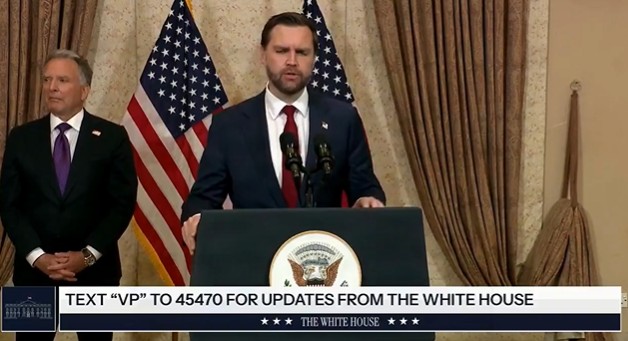
US Vice President JD Vance on Sunday left Islamabad after high-stakes negotiations between the United States and Iran ended without a breakthrough, underscoring persistent divisions over Tehran’s nuclear ambitions and regional security issues.

The talks, which stretched for nearly 21 hours, marked the first direct engagement between the two countries in more than a decade and the highest-level contact since the 1979 Islamic Revolution. Despite the diplomatic significance, both sides failed to reconcile differences on key demands.

Speaking after the discussions, Vance indicated that the negotiations had stalled due to Iran’s unwillingness to accept core US conditions, particularly commitments related to nuclear weapons. He reiterated that Washington’s primary objective remains ensuring that Iran does not develop or acquire the capability to rapidly build a nuclear weapon.

According to Vance, he remained in close contact with US President Donald Trump throughout the talks, with nuclear non-proliferation emerging as the central point of contention. He stressed that the US had clearly outlined its “red lines” during the discussions, CNBC reported.

Iranian state media, however, presented a contrasting account, attributing the breakdown to what it described as “unreasonable” and “excessive” demands from Washington. Reports suggested that Tehran had engaged in continuous negotiations to protect its national interests but found US conditions unacceptable.

The discussions also revealed sharp disagreements over broader geopolitical issues, including control and access to the Strait of Hormuz, a critical maritime route through which nearly a fifth of global energy supplies pass. The waterway has remained a focal point in the ongoing conflict, contributing to volatility in global oil markets.

Additional sticking points reportedly included Iran’s demands for the release of frozen assets held abroad, war reparations, and a wider regional ceasefire. US officials denied agreeing to financial concessions, further complicating the negotiation landscape.

The Islamabad talks were held under tight security, with Pakistan playing a key mediating role. The negotiations saw participation from senior officials on both sides, including US envoy Steve Witkoff and Iranian leaders such as parliamentary speaker Mohammad Baqer Qalibaf and foreign minister Abbas Araqchi.

While Iran had earlier signalled that technical-level engagements could continue, the immediate outcome reflects a diplomatic impasse at a critical juncture. The failure to reach an agreement raises concerns over the stability of a fragile ceasefire and the future of maritime access in the Strait of Hormuz.

Adding to the tensions, conflicting claims emerged a day before the talks concluded over US naval activity in the Strait of Hormuz. The US military stated that two of its warships had transited the strategic waterway as part of efforts to begin clearing sea mines and restore safe navigation.

However, Iran strongly rejected these claims, asserting that no American vessels had entered the strait and reiterating that control over maritime passage rests with its armed forces. The contradictory narratives highlighted the fragile ground realities even as diplomatic efforts were underway in Islamabad.

CM Majhi unveils multiple projects in Keonjhar, pushes education, infrastructure

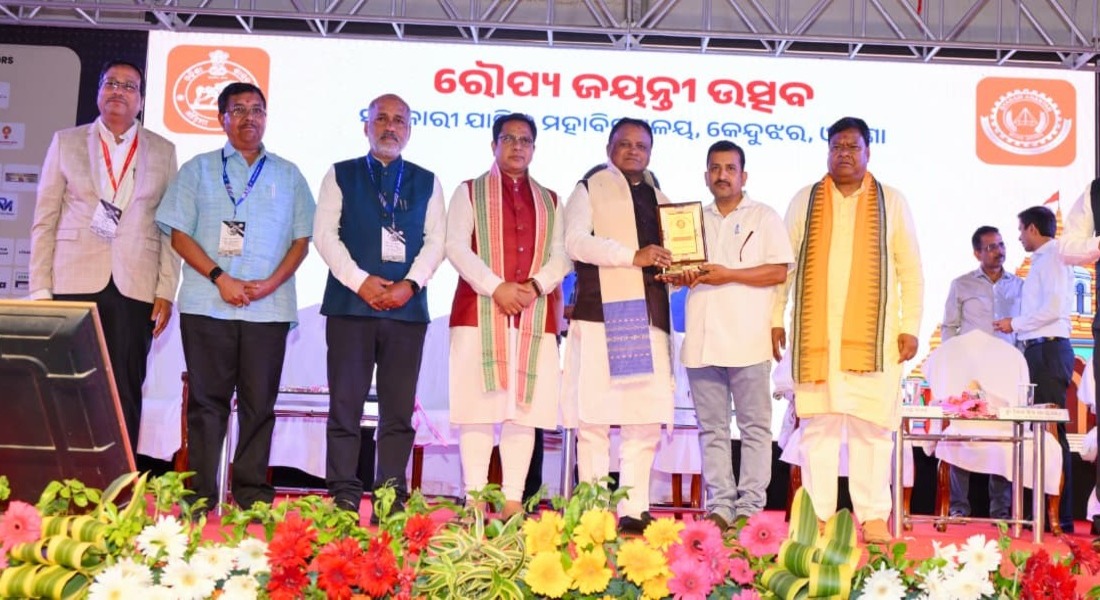
Bhubaneswar: Chief Minister Mohan Charan Majhi on Saturday unveiled a series of development initiatives in Keonjhar district, spanning education, infrastructure, and connectivity, while urging youth to become job creators and drivers of innovation.

Addressing students at the silver jubilee celebration of the Government College of Engineering, Keonjhar, Majhi called upon young minds to move beyond conventional employment goals. “Do not be mere job seekers, but become individuals who create jobs,” he said in a series of posts on X, emphasising the role of innovation and entrepreneurship in shaping a developed Odisha by 2036.

Highlighting the importance of youth power, Majhi expressed confidence that the next generation will play a decisive role in building a prosperous state through technology, skills, and enterprise.

In a major boost to rural connectivity, the CM also inaugurated a newly constructed bridge over the Ardei canal at Bodapalasa under Keonjhar Sadar. The project, fulfilling a long-pending demand of local residents, is expected to benefit more than 5,000 people across multiple panchayats.

Stretching over 100 metres, the bridge will significantly ease daily commuting, enhance passenger transport, and promote local trade and economic activities. It is also expected to strengthen rural connectivity and reduce travel time for residents in the region.

Further strengthening the education sector, Majhi attended the centenary celebration of Chandrashekhara Government High School in Bodapalasa. Announcing a financial package of ₹10 crore for the institution, he said the funds will support infrastructure development and modernization efforts. He also directed authorities to allocate seven acres of land for the school’s expansion.

Describing schools as institutions that shape character and future generations, the chief minister said education plays a vital role in nation-building and urged students to strive for excellence.

On the infrastructure front, Majhi also inaugurated a newly constructed underpass at Langalakanti on the Panikoili–Rimuli section of NH-20. The project aims to improve road safety and ensure smoother traffic flow on one of the state’s key highways connecting industrial, mining, and commercial hubs.

The underpass is expected to reduce congestion in nearby areas, including Tikira, Dhenkikote, and Barabeda. Designed as a grade separator, it will facilitate uninterrupted vehicular movement while also providing safe pedestrian crossing for local residents.

Majhi also said these initiatives reflect the state government’s continued focus on strengthening infrastructure, improving education, and accelerating overall development in Odisha.

Chhenapoda GI tag process gains momentum after centre response

Bhubaneswar: The long-pending demand for Geographical Indication (GI) recognition for Nayagarh’s iconic Chhenapoda has gained fresh traction after the Centre confirmed that the application is already under process and scheduled for key deliberations next month.

The development follows a formal request raised by BJP MP Sambit Patra, who urged the Union government to expedite GI tagging for the traditional Odia delicacy, widely regarded as a symbol of the state’s culinary heritage.

Responding to the appeal, Union Commerce and Industry Minister Piyush Goyal stated that the GI application for Chhenapoda has been registered under application number 1067. He further informed that a Consultative Group Meeting to examine the proposal is scheduled for May 28 and 29, 2026.

The minister noted that the application will be processed in accordance with provisions laid out under the GI of Goods (Registration and Protection) Act, 1999, assuring that necessary steps will be taken at the earliest.

The exchange between the two leaders coincided with the observance of World Chhenapoda Day (April 11), lending added significance to the issue. In his communication, the Union minister acknowledged the cultural and emotional importance of Chhenapoda, particularly for the people of Nayagarh and Odisha at large.

“I would like to reiterate my warm wishes on this sweet occasion of Chhenapoda Diwas,” Goyal wrote in his letter.

In his letter, Patra highlighted that the sweet is not merely a food item but a representation of Odisha’s rich tradition and identity. He also pointed to consistent demands from local artisans and sweet makers, stating that GI recognition would help preserve authenticity while boosting livelihoods.

If granted, the GI tag is expected to enhance the product’s national and global recognition, while offering economic benefits to communities involved in its production.

With the process now formally underway and a crucial meeting on the horizon, stakeholders remain optimistic that Nayagarh’s famed Chhenapoda may soon secure its long-awaited geographical identity.