At IndiaVerve, we go beyond the noise to bring you meaningful stories of change, resilience and progress—from India to the world stage. Our mission is to bring readers credible, wide-ranging coverage across politics, business, sports, culture, society and more.

PM Modi meets Dutch royals, addresses Indian diaspora during Netherlands visit

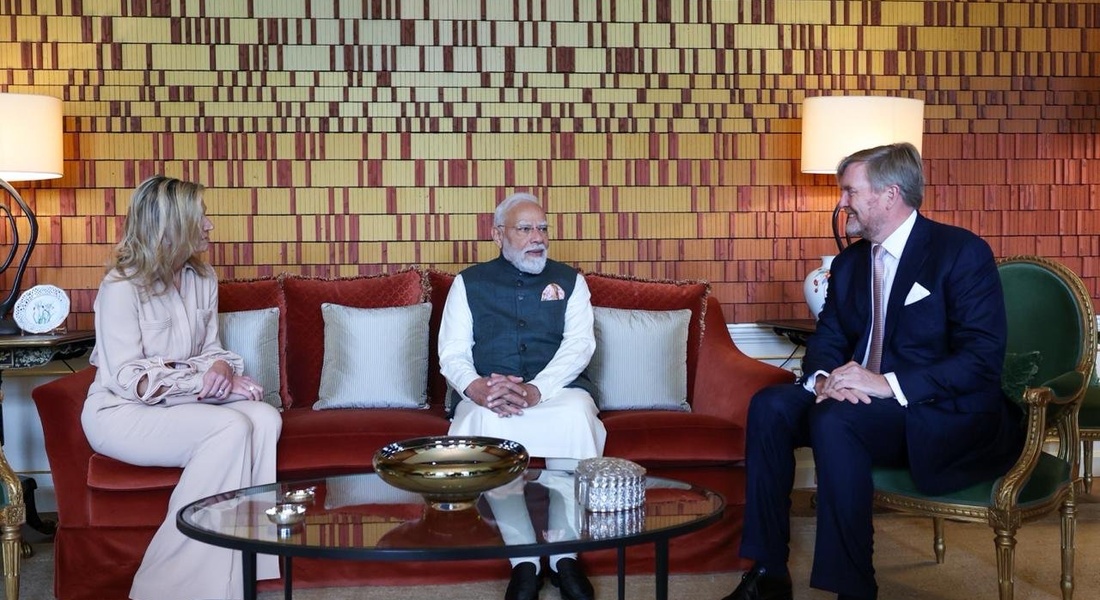
New Delhi: Prime Minister Narendra Modi on Saturday met their Majesties King Willem-Alexander and Queen Máxima at Palace Huis ten Bosch in The Hague during his visit to the Netherlands.

During the meeting, Modi and the Dutch royals exchanged views on strengthening the India-Netherlands relationship, including expanding people-to-people ties. The PM recalled with appreciation the State Visit of Their Majesties to India in 2019, stating that the visit had played an important role in fostering mutual goodwill and imparting fresh momentum to bilateral ties.

The leaders expressed satisfaction over ongoing cooperation in areas including education, innovation, semiconductors, digital technology, water management, and green partnerships, according to an official statement.

Modi also conveyed appreciation for the goodwill extended towards India and thanked Their Majesties for the warm hospitality during his visit. Their Majesties hosted a lunch in honour of the PM.

Later, Modi attended an Indian community reception in The Hague, where he received a warm welcome from members of the Indian diaspora and friends of India in the Netherlands.

Addressing the gathering, the PM praised the Indian diaspora for its contribution to Dutch society and described the community as a living bridge of friendship between India and the Netherlands. He also recalled the deep historical and cultural ties of the Surinami-Hindustani community with India and commended its efforts to preserve traditions and cultural heritage across generations.

Highlighting growing contemporary ties between the two countries, the PM noted that Indian professionals in the technology sector and Indian students pursuing innovation-driven fields in Dutch universities were strengthening bilateral cooperation. He added that sports connections, particularly cricket and hockey, were adding new vibrancy to people-to-people relations.

Modi underlined that cooperation between India and the Netherlands was steadily expanding, especially in the areas of technology and innovation. Referring to economic ties, he said the Netherlands remains among India’s largest export destinations in Europe and one of its key investment partners. He added that the proposed India-European Union Free Trade Agreement would create new opportunities for both sides.

Speaking about India’s development journey, Prime Minister Modi highlighted the country’s progress towards becoming a developed nation, or “Viksit Bharat”, by 2047. He referred to rapid advancements in infrastructure, manufacturing, clean energy, and digital systems, stating that India was confidently shaping its future while contributing to global growth and prosperity.

He assured the Indian community abroad that the Government of India remained committed to their welfare and called upon them to contribute actively towards the Viksit Bharat mission by leveraging their experience in the Netherlands.

Referring to the Indian-origin population in the Netherlands, the PM noted that the country is home to the largest number of people of Indian origin in mainland Europe, including nearly 200,000 members of the Surinami-Hindustani community. In this context, he highlighted the liberalisation of OCI eligibility for the Surinami-Hindustani diaspora from the fourth generation to the sixth generation.

During his address, Modi said the enthusiasm shown by the Indian community made him feel as though he was attending a festival in India itself. He remarked that although The Hague is globally known as the “City of Peace and Justice”, the atmosphere created by the diaspora had turned it into a symbol of Indian friendship.

Prime Minister Modi also acknowledged the contribution of Indian families settled in the Netherlands, saying their journey reflected not merely migration but also the preservation of culture, values, and traditions despite geographical distance.

He stated that India today was pursuing ambitious goals in sectors such as startups, artificial intelligence, semiconductors, manufacturing and green energy. He noted that India has become the world’s third-largest startup ecosystem and highlighted ongoing efforts in chip manufacturing and semiconductor production.

He also referred to India’s digital transformation, including large-scale adoption of digital public infrastructure, UPI transactions, DigiLocker, Digi Yatra, and Digital Health ID systems. He said India was undergoing an unprecedented phase of transformation marked by rapid growth in infrastructure, renewable energy, transport, and innovation.

Referring to democratic participation in India, he said the country takes pride in high voter turnout and increasing participation by women in elections. He added that India continues to strengthen its democratic framework while pursuing large-scale economic and technological growth.

On global challenges, Prime Minister Modi referred to issues such as the coronavirus pandemic, wars, and energy crises, saying the world was facing a decade of disruptions. In this context, he noted that India and the Netherlands were cooperating on resilient supply chains, energy security, water security, and green hydrogen initiatives.

He also highlighted growing sports cooperation between the two countries. He praised the contribution of the Indian community towards cricket in the Netherlands and mentioned Dutch cricketers of Indian origin, including Teja Nidamanuru, Vikramjit Singh, and Aryan Dutt. He also acknowledged the contribution of Dutch coaches to Indian hockey.
Odisha government issues advisory on fuel conservation and official vehicle use

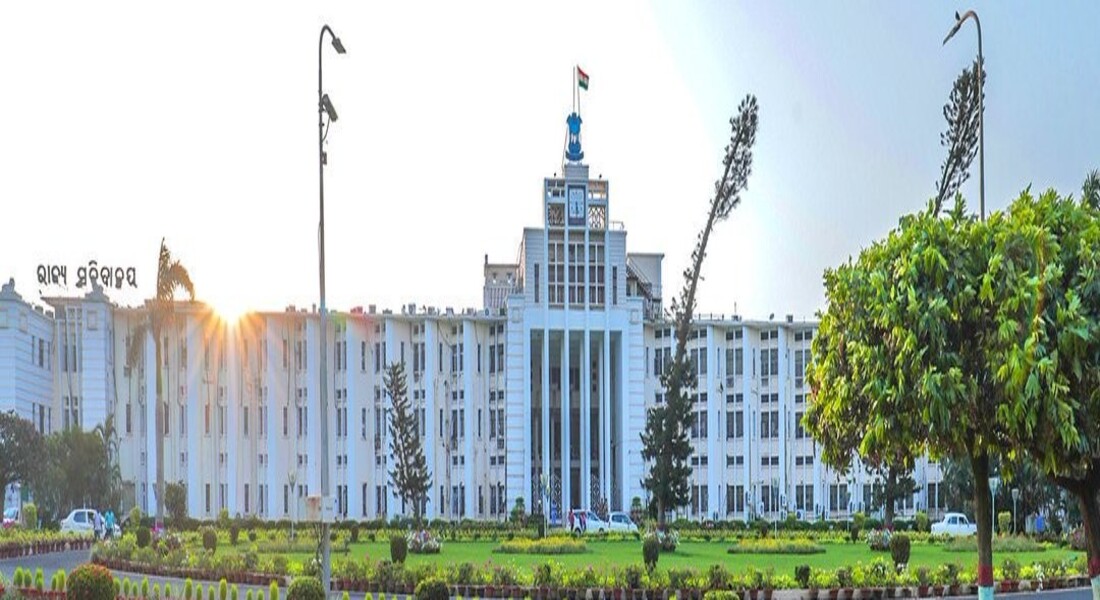
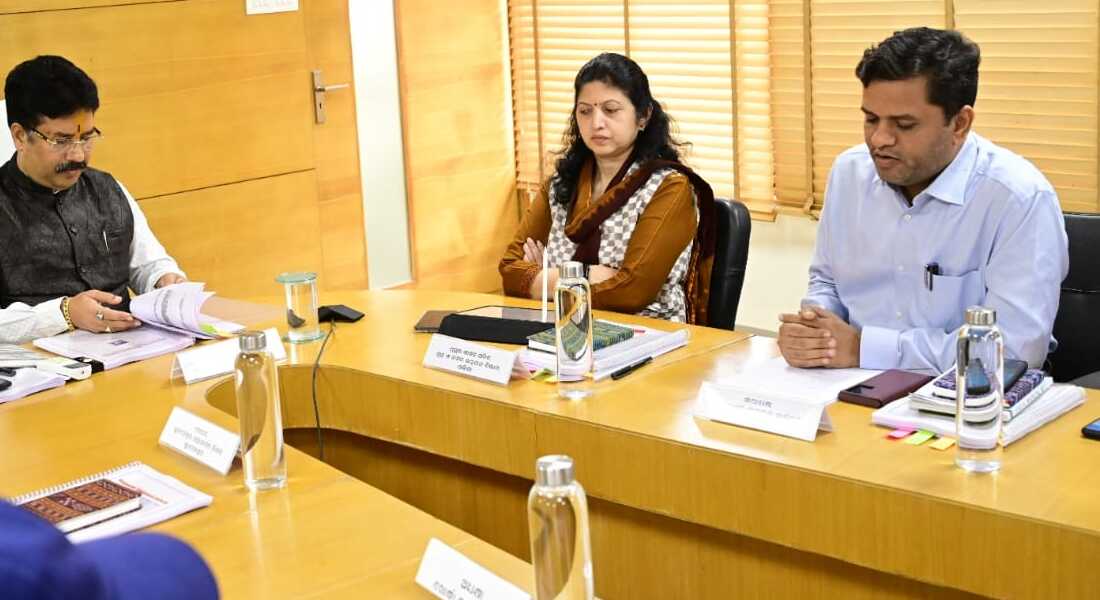
Bhubaneswar: The Housing and Urban Development Department has issued an advisory promoting prudent and conscious use of government resources, particularly official vehicles and fuel consumption, in view of the prevailing global economic uncertainty and evolving international situation.

The initiative has been undertaken under the guidance of Additional Chief Secretary Usha Padhee following the prime minister’s call for sustainable resource management and energy conservation.

As part of the measures aimed at improving efficiency and reducing costs, the Department has advised officers using official vehicles for meetings, inspections, field visits, and other official engagements to adopt vehicle pooling or ride-sharing practices wherever feasible.

According to the advisory, such collective transport arrangements are expected to help reduce avoidable fuel expenditure, strengthen administrative efficiency, and contribute towards national energy conservation efforts. Senior officers attending meetings or events will coordinate the pooling mechanism.

The Department has also urged officers and employees to avoid using official vehicles for lunch outings or other non-essential short-distance personal convenience trips during office hours. Officials have instead been encouraged to use shared transport and environmentally friendly alternatives for shorter distances.

The advisory has been extended to all agencies and organisations functioning under the Department, including EIC (PH), Directorate of Municipal Administration, Directorate of Town Planning, Valuation Organisation, Municipal Corporations, Development Authorities, SUDs, OSSSB, UIDF, OSHB, Cuttack Urban Transport Corporation, BMRCL, WATCO, OUHM, OUA, ORIET, and ORERA.

All organisations under the Department have been instructed to implement similar fuel conservation and resource optimisation measures with sincerity and commitment.

Through the initiative, the additional chief secretary has called upon officers and employees to demonstrate administrative discipline and contribute towards addressing current global economic and energy-related challenges.

MP Sasmit Patra seeks High Court benches for Western and Southern Odisha

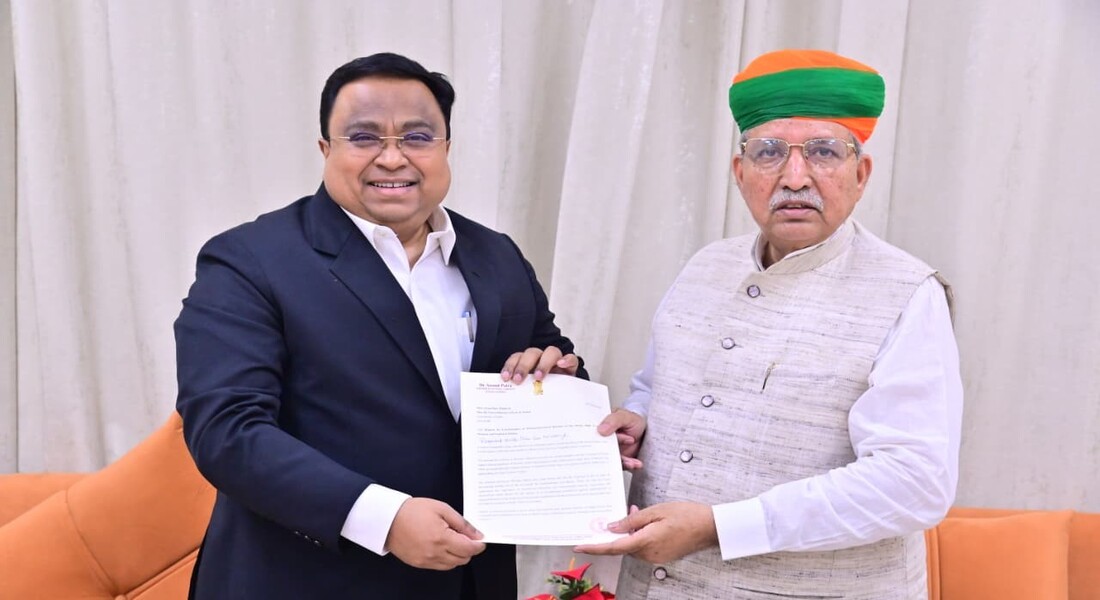
New Delhi: Rajya Sabha MP Sasmit Patra on Saturday met Union Law and Justice Minister Arjun Ram Meghwal and submitted a detailed memorandum seeking the establishment of Permanent and/or Circuit Benches of the Orissa High Court for Western and Southern Odisha.

In his statement, the MP said he had the “privilege of meeting” the Union minister, during which he placed the memorandum highlighting long-standing concerns over access to justice in the region.

In a post on X, he noted that citizens from Western and Southern Odisha have, for decades, faced significant geographical and financial difficulties in approaching the principal bench of the High Court in Cuttack. Patra stated that establishing regional benches would help decentralise the judicial process, reduce the burden on litigants, and make legal recourse more inclusive.

The memorandum further stated that the demand for a High Court bench in Western Odisha has existed for several decades and has received support from members of the Bar, public representatives, and citizens across party lines. It also highlighted that tribal and remote districts of Southern Odisha face even greater challenges in accessing the High Court.

Referring to past legal proceedings related to the demand, the submission noted that while the Supreme Court has emphasised institutional discipline and uninterrupted judicial functioning, such observations do not constitute a constitutional bar on the creation of regional benches through the established consultative process involving the judiciary, the State government, and the Union government.

The MP expressed hope that the Union Ministry would give favourable consideration to the long-standing demand of the people of Odisha.

Lemon Tree Hotels expands Bhubaneswar presence with new Satya Nagar property signing

Bhubaneswar: Lemon Tree Hotels Limited has announced the signing of a new hotel project, Lemon Tree Hotel, Satya Nagar, Bhubaneswar, further strengthening its presence in Odisha. The property will be managed by Carnation Hotels Private Limited, a wholly owned subsidiary of the company.

The signing comes shortly after the launch of the group’s second operational hotel in Bhubaneswar, underlining its continued expansion strategy in Odisha and its long-term focus on the city’s growing hospitality market.

In a press release, the company noted that Bhubaneswar is emerging as a key urban centre in eastern India, driven by steady development across administrative, healthcare, education, infrastructure, and business sectors. It also highlighted the city’s rising profile as a cultural and spiritual destination, supported by improved connectivity and diversified travel demand.

The upcoming hotel is strategically located within the city and is expected to cater to both business and leisure travellers throughout the year. It will feature 50 rooms along with a restaurant, banquet facilities, swimming pool, spa, and fitness centre, aimed at offering a contemporary hospitality experience.

Vishvapreet Cheema, President, Lemon Tree Hotels Ltd, while commenting on the signing, stated that Bhubaneswar is rapidly emerging as a high-potential hospitality market supported by expanding infrastructure and year-round travel demand.

He further noted that the signing, coming immediately after the opening of the company’s second operational property in the city, reflects strong confidence in the long-term growth potential of the market and aligns with the company’s focus on expansion in high-opportunity urban centres.

The hotel will be located approximately 5.4 km from Biju Patnaik International Airport and about 3.2 km from Bhubaneswar Railway Station, ensuring seamless connectivity for travellers arriving from across India.

The company reiterated that with this latest signing, it continues to expand its portfolio across strategically important urban centres and emerging travel destinations, reinforcing its growth strategy in India’s hospitality sector.

Finance Department orders strict accountability over delayed posting orders

Bhubaneswar: The government of Odisha has issued a strict directive through the Finance Department, warning administrative departments against delays in issuing posting orders that lead to abnormal extension of joining time for government employees.

In an official circular issued by Sanjeeb Kumar Mishra, Principal Secretary to the government, the department observed that delays in processing posting orders and joining instructions at various levels have resulted in cases where employees are granted joining time extensions beyond six months.

The circular noted that such delays often arise despite existing provisions that allow administrative departments to sanction joining time up to 120 days, as per earlier finance guidelines. It also referenced multiple government orders outlining procedures for relief from old postings and joining new posts, stressing that extensions beyond prescribed limits should not ordinarily occur if rules are followed properly.

The Finance Department expressed concern that, in several cases, files related to posting orders are being kept pending without adequate justification, leading to avoidable administrative delays and financial consequences, including payment of salaries without corresponding work.

The government stated that audit authorities have flagged such cases negatively, particularly where the extension of joining time results in what is described as idle salary payments to employees.

In response, the Finance Department has directed all administrative departments to fix accountability on responsible officers where delays result in joining time extensions beyond 30 days. It further instructed that any idle salary paid due to such delays should be recovered from the officials responsible.

The circular also made it clear that extensions of joining time beyond the permissible limit should not be treated as routine and must be subjected to strict scrutiny, particularly in cases exceeding 120 days or six months.

Additionally, departments have been instructed to ensure that if an employee reports for duty but awaits formal posting orders, their services should be productively utilised in suitable assignments to avoid unnecessary financial burden on the state exchequer.

The government has further made it mandatory that any proposal seeking extension of joining time must clearly mention the reasons for delay, identify officials responsible, and outline action taken against them before being considered.

All departments have been directed to ensure strict compliance with these instructions, with the Finance Department warning that any deviation will be viewed seriously.

Bhupender Yadav shares Amur falcon tracking update from satellite-tagging project in Manipur

New Delhi: Union Cabinet Minister for Environment, Forest & Climate Change Bhupender Yadav on Saturday highlighted ongoing conservation efforts for the Amur falcon in Northeast India, sharing new tracking details from a satellite-tagging initiative conducted in Manipur.

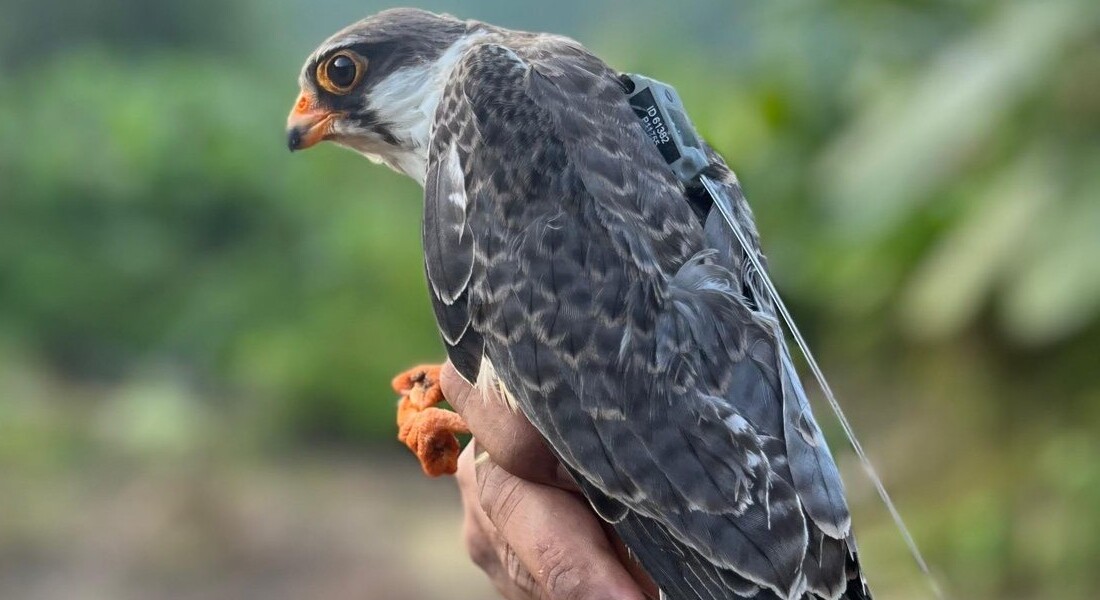
In a post on X, the minister noted that as part of a long-running conservation programme, three Amur falcons were satellite-tagged in November 2025 at Chiuluan in Tamenglong district. The initiative has been supported by the Ministry of Environment, Forest and Climate Change, and has been running as a community-led conservation effort over the past decade.

According to the tracking data, after spending more than four months in their non-breeding grounds in southern Africa, two of the tagged birds have begun their spring migration back towards their breeding regions in Far East Asia, passing through India along their route.

Yadav stated that the birds undertake an extraordinary non-stop flight of nearly 6,000 kilometres in around six days while crossing from Somalia towards Northeast India during their migration.

One of the tagged falcons, a young female named “Alang,” is currently reported to be moving towards India’s west coast and is undertaking a transoceanic crossing over the Arabian Sea after departing Somalia early in the morning of the previous day.

With favourable tailwinds assisting the journey, the sea crossing is expected to continue as a multi-day non-stop flight, reflecting the species’ long-distance migratory capability, the minister noted.

Yadav further stated that the satellite-tagging project has provided valuable scientific insights into the movement patterns of Amur falcons, a small raptor known for its trans-hemispheric migration between breeding and non-breeding regions.

The minister added that the data generated from the project is being used to support conservation planning and strengthen protection measures along migratory routes, while also reinforcing community participation in wildlife conservation efforts in Northeast India.

India exports rise 13.59% to USD 80.80 billion in April 2026 as electronics and petroleum lead growth

New Delhi: India’s total exports, combining merchandise and services, are estimated at USD 80.80 billion in April 2026, reflecting a strong 13.59% increase compared to April 2025. Total imports during the same period are estimated at USD 88.61 billion, marking a 7.67% rise year-on-year, indicating a widening but stable trade balance dynamic.

Merchandise exports for April 2026 stood at USD 43.56 billion compared to USD 38.28 billion in April 2025, registering a growth of 13.78%. Non-petroleum exports were valued at USD 33.97 billion, showing a 9% increase over the corresponding period last year.

The export growth was primarily driven by strong performance in key sectors including petroleum products, electronic goods, engineering goods, meat, dairy and poultry products, and drugs and pharmaceuticals. Petroleum product exports rose sharply by 34.66% to USD 9.59 billion, while electronic goods recorded a significant increase of 40.31% to USD 5.18 billion, according to an official statement.

Engineering goods exports increased by 8.76% to USD 10.35 billion, reflecting steady industrial demand. Meat, dairy, and poultry product exports surged by 48% to USD 0.55 billion, while drugs and pharmaceuticals exports rose by 7.12% to USD 2.66 billion.

Non-petroleum and non-gems and jewellery exports were valued at USD 31.64 billion, compared to USD 28.66 billion in April 2025. On the import side, non-petroleum and non-gems and jewellery imports stood at USD 45.87 billion, rising from USD 39.75 billion in the previous year.

Services exports for April 2026 are estimated at USD 37.24 billion compared to USD 32.85 billion in April 2025, reflecting a growth of 13.36%. Services imports during the same period are estimated at USD 16.66 billion, slightly lower than USD 16.91 billion in April 2025.

Several export categories recorded strong positive growth, including other cereals at 210.19%, meat, dairy, and poultry products at 48.03%, electronic goods at 40.31%, petroleum products at 34.66%, handicrafts excluding handmade carpets at 26.21%, marine products at 14.74%, and minerals and ores at 13.85%. Other sectors, such as engineering goods, coffee, chemicals, pharmaceuticals, textiles, and leather products also registered steady gains.

On the import side, declines were recorded in chemical materials and products, pulses, precious stones, newsprint, crude petroleum, wood products, textile yarn and fabrics, cotton raw materials, iron and steel, machine tools, and pulp and waste paper, indicating contraction in several commodity-linked segments.

Top export destinations showing strong growth included Singapore, Tanzania, Sri Lanka, Bangladesh, and Hong Kong. On the import side, major sources with growth included China, Russia, Oman, Peru, and Saudi Arabia, reflecting shifting global trade flows.

Andhra Pradesh hosts major defence manufacturing push with multiple aerospace and naval projects

New Delhi: Defence Minister Rajnath Singh and Andhra Pradesh Chief Minister N. Chandrababu Naidu have jointly presided over foundation stone laying and grounding ceremonies for a wide range of strategic aerospace and defence manufacturing projects in Andhra Pradesh, marking a significant expansion of India’s domestic defence production ecosystem.

The events were held at Puttaparthi in Sri Satya Sai district, along with project sites in Anakapalli and Kurnool, covering aerospace, naval systems, energetics, ammunition, and drone manufacturing sectors.

According to an official statement, the foundation stone was laid for the Core Integration and Flight Testing Centre at Puttaparthi, which will support the development and testing of the Advanced Medium Combat Aircraft programme and other indigenous next-generation aerial platforms. The facility is being developed under the Defence Research and Development Organisation ecosystem through its Aeronautical Development Agency.

The programme, estimated to involve an overall investment of around Rs 15,000 crore, includes a key testing infrastructure component valued at approximately Rs 2,000 crore. Authorities indicated that the centre is expected to strengthen India’s capability in fifth-generation fighter aircraft development and reduce dependence on foreign technology.

In parallel, groundwork was initiated for a Naval Systems Manufacturing Facility at T Sirasapalli in Anakapalli district. The project, associated with Bharat Dynamics Limited and valued at around Rs 480 crore, will focus on underwater weapons systems, autonomous underwater vehicles, counter-measure technologies, and next-generation torpedoes aimed at strengthening maritime defence capabilities.

Another major development included the Defence Energetics Facility at Madakasira, being established by Agneyastra Energetics Limited, a subsidiary of Bharat Forge Limited, with an investment of approximately Rs 1,500 crore. Officials indicated that the facility is expected to enhance domestic production capacity for advanced energetic materials used in modern weapon systems.

Additionally, an Ammunition and Electric Fuse Plant being set up by HFCL Limited at an investment of around Rs 1,200 crore was also grounded. Authorities said the plant would focus on producing critical fuse systems and ammunition components that are currently largely imported, thereby strengthening self-reliance in defence manufacturing.

In Kurnool, a consortium of eight drone companies announced plans for a dedicated “Drone City” aimed at building an integrated ecosystem for drone research, design, manufacturing, and deployment. Officials indicated that the initiative is expected to position the region as a national hub for unmanned aerial systems.

During the events, Rajnath Singh conveyed that the projects represent a major step toward defence self-reliance and are aligned with the broader national objective of reducing import dependency while strengthening indigenous capability across all three armed services. He is also understood to have highlighted that the projects are expected to generate significant employment opportunities and stimulate local industrial ecosystems, including engineering institutions, MSMEs, and startups.

He further indicated that the initiatives would function as long-term growth drivers for the state by creating integrated supply chains and enabling skill development in high-end defence technologies.

Officials also noted that over the past decade, defence production in India has increasingly shifted toward a collaborative public-private model, with participation from large corporations, startups, and smaller industrial units contributing to the broader “Make in India” framework for defence manufacturing.

Ebola spread fears rise as Congo mining corridor faces fresh health emergency

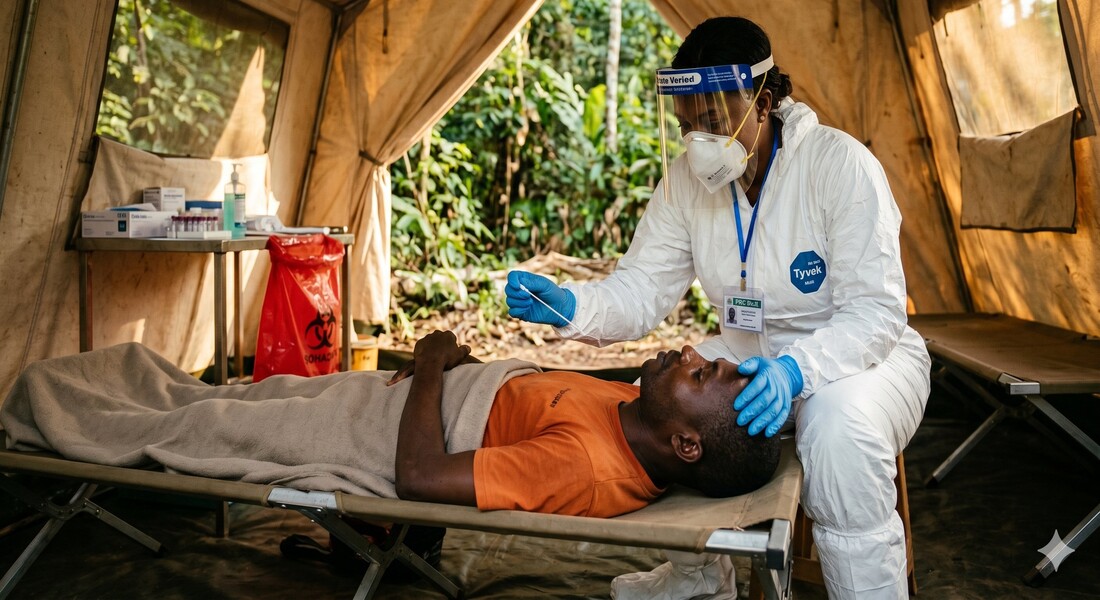
New Delhi: A fresh Ebola outbreak in the Democratic Republic of the Congo (DRC) has triggered regional concern after health authorities confirmed dozens of deaths in the country’s conflict-affected Ituri province, an area known for heavy cross-border movement and mining activity.

Officials said at least 65 people have died, while 246 suspected infections have been identified so far. The outbreak has largely affected Mongwalu and Rwampara health zones, with additional suspected infections emerging in nearby Bunia, according to theguardian.com.

The situation has also spread beyond the DRC’s borders. Authorities in Uganda confirmed an Ebola-linked death in Kampala involving a man who had recently travelled from Congo, raising fears of wider regional transmission.

Public health agencies are closely monitoring the outbreak because the affected areas serve as active transit corridors connecting the DRC with Uganda and South Sudan. Frequent travel linked to trade and mining operations is expected to complicate containment measures.

According to the Africa Centres for Disease Control and Prevention (CDC), laboratory testing in the DRC detected Ebola virus samples linked to the Bundibugyo strain. Unlike the more common Zaire strain previously seen in the country, the Bundibugyo variant currently has no licensed vaccine, creating an additional challenge for health responders.

Health experts noted that Ebola spreads through direct contact with infected bodily fluids, including blood and vomit, and can also spread during the handling of bodies during funeral practices.

The DRC has experienced multiple Ebola outbreaks since the virus was first identified there in 1976. However, officials indicated that the current strain is comparatively rare, with only two previous Bundibugyo outbreaks recorded in the country in 2007 and 2012.

Africa CDC Director General Dr. Jean Kaseya said regional coordination had become critical because of extensive movement between affected zones and neighbouring countries. The agency is expected to hold emergency discussions with authorities from the DRC, Uganda, and South Sudan alongside the World Health Organization and pharmaceutical firms to strengthen the response strategy.