At IndiaVerve, we go beyond the noise to bring you meaningful stories of change, resilience and progress—from India to the world stage. Our mission is to bring readers credible, wide-ranging coverage across politics, business, sports, culture, society and more.

Minister Mohapatra inaugurates OUA hostel to boost urban governance training and capacity building

Bhubaneswar: The Odisha government on Wednesday inaugurated a new hostel facility at the Odisha Urban Academy (OUA) in Basuaghai, Bhubaneswar, aiming to strengthen capacity-building initiatives and expand residential training opportunities for urban governance professionals and stakeholders.

Housing and Urban Development Minister Dr. Krushna Chandra Mohapatra inaugurated the facility in the presence of MLA Babu Singh, Additional Chief Secretary Usha Padhee, WATCO Managing Director Debabrata Mohanty, and senior departmental officials.

The occasion also saw the unveiling of the Odisha Urban Academy’s Annual Training Calendar, underscoring the state’s focus on continuous professional development and institutional strengthening in the urban sector.

Built at a cost of Rs 9.45 crore, the hostel has been designed to accommodate participants attending training programmes, workshops, research initiatives, and knowledge-sharing events organised by the Academy.

The residential facility can house 56 occupants in 28 twin-sharing rooms, including 24 standard and four premium rooms, each equipped with attached bathrooms and balconies.

The complex includes a reception area, dining hall, modular kitchen, guest rooms, conference hall, common utility spaces, and recreation facilities. Modern amenities such as centralised air-conditioning, power backup, lift access, round-the-clock water supply, and a solar power system have also been incorporated into the design.

Addressing the gathering, Dr. Mohapatra said capacity building remains central to achieving Odisha’s urban development objectives. He noted that strong institutions and skilled personnel are essential for delivering efficient citizen services and addressing challenges arising from rapid urbanisation.

The minister highlighted that the Odisha Urban Academy has developed into a specialised urban learning centre with practical demonstration facilities such as a Sewage Treatment Plant, Septage Treatment Plant, and Material Recovery Facility. These facilities, he said, provide hands-on exposure to sanitation, waste management, and water reuse systems.

He further noted that the lack of accommodation had previously limited the Academy’s ability to host larger training programmes. The new hostel is expected to remove that constraint by enabling more participants from across India and abroad to stay on campus and take part in training activities.

Dr. Mohapatra also informed that a landscaped public park with children’s play equipment has been developed within the campus, creating a community space that combines learning and recreation.

MLA Babu Singh said the Academy had emerged as an important platform for strengthening the capacities of urban local bodies and developing future-ready leadership in the urban sector. He expressed confidence that the hostel would expand opportunities for residential learning, skill development, and knowledge exchange among officials, elected representatives, and urban professionals.

OPGC ranks No. 1 among state-sector power stations, enters national top 10

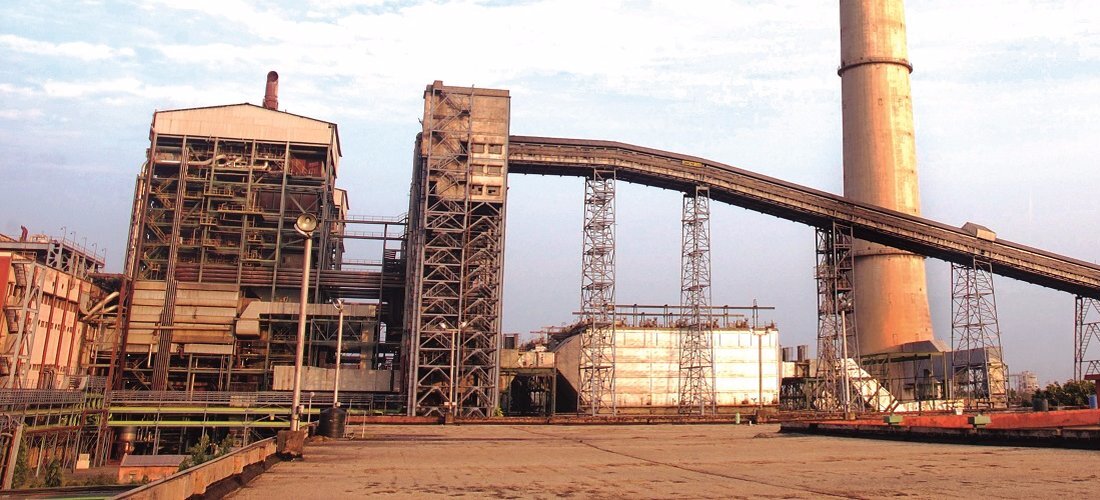
Bhubaneswar: Odisha Power Generation Corporation Ltd. (OPGC) has been ranked the best-performing state-sector power generator in the country based on Plant Load Factor performance up to May 2026, marking a significant achievement for the state’s power sector.

According to the latest rankings, OPGC secured the top position among state-owned power stations across India. The utility also featured among the country’s leading thermal power producers, ranking 10th nationwide across both public and private sector generating stations.

The corporation further strengthened its standing by securing the sixth position among power stations with generation capacities exceeding 1,000 MW, highlighting its operational efficiency and plant performance.

The achievement underscores OPGC’s role in supporting Odisha’s growing energy requirements and maintaining reliable power generation amid rising demand. Plant Load Factor, a key indicator of operational performance, measures how efficiently a power station utilises its installed generation capacity.

Chief Minister Mohan Charan Majhi congratulated the corporation on the accomplishment, describing it as a reflection of the state’s efforts to strengthen the energy sector and build a robust power ecosystem.

In a post on X, he said reliable and affordable electricity remains essential for industrial development, economic growth, and improving the quality of life of citizens.

Deputy Chief Minister Kanak Vardhan Singh Deo also hailed the achievement, stating that the ranking reflected the commitment of engineers, plant managers, and operational teams.

He noted that strong performance by OPGC contributes to Odisha’s energy security and supports the state’s broader development goals.

Officials said the recognition highlights the corporation’s focus on operational excellence, reliability, and efficient power generation, reinforcing Odisha’s position among the country’s leading power-producing states.

Praggnanandhaa strengthens Norway Chess title push with second classical win over Carlsen

New Delhi: India’s R Praggnanandhaa kept his Norway Chess 2026 title challenge alive with a landmark victory over world No. 1 Magnus Carlsen, becoming the only player to defeat the Norwegian twice in classical games this year.

The 20-year-old Indian Grandmaster produced another impressive performance in Round 8 to overcome the hometown favourite and move into contention for the title with two rounds remaining in the elite tournament, according to chess.com.

The victory lifted Praggnanandhaa to 12 points and third place in the standings, narrowing the gap to the leaders as the race for the championship enters its final stages. Wesley So retained the top spot on 14 points after prevailing over Vincent Keymer, while Alireza Firouzja climbed to second on 13 points with a win against reigning world champion D Gukesh.

Praggnanandhaa’s latest triumph adds to an already memorable campaign and further highlights his ability to challenge the world’s best players on the biggest stages. His success against Carlsen has emerged as one of the defining stories of this year’s tournament.

In contrast, Gukesh’s difficult run continued as the Indian world champion suffered another setback against Firouzja. The defeat left him at the bottom of the standings on eight points and ended any realistic hopes of mounting a late title challenge.

The ninth round will feature an all-Indian clash, with Praggnanandhaa set to take on Gukesh with the black pieces following the tournament’s rest day.

In the women’s competition, Bibisara Assaubayeva tightened her grip on the title race after securing a crucial classical victory over Divya Deshmukh. The result extended the Kazakh player’s lead at the top of the standings with only two rounds left to play.

China’s Zhu Jiner also boosted her prospects by defeating women’s world champion Ju Wenjun in a classical game, drawing level with Divya on 10 points.

Meanwhile, Koneru Humpy emerged with bonus points from her encounter against defending champion Anna Muzychuk after their classical game ended in a draw and the contest moved to an Armageddon tiebreak.

With two rounds remaining, Assaubayeva leads the women’s standings on 15.5 points, ahead of Muzychuk on 10.5, while Divya Deshmukh and Zhu Jiner share third place on 10 points each.

The tournament now heads into its closing stages with both the Open and Women’s titles still at stake, though Praggnanandhaa’s latest victory has placed him firmly in the hunt for a historic Norway Chess crown.

DK Shivakumar takes oatch as Karnataka CM after long political wait

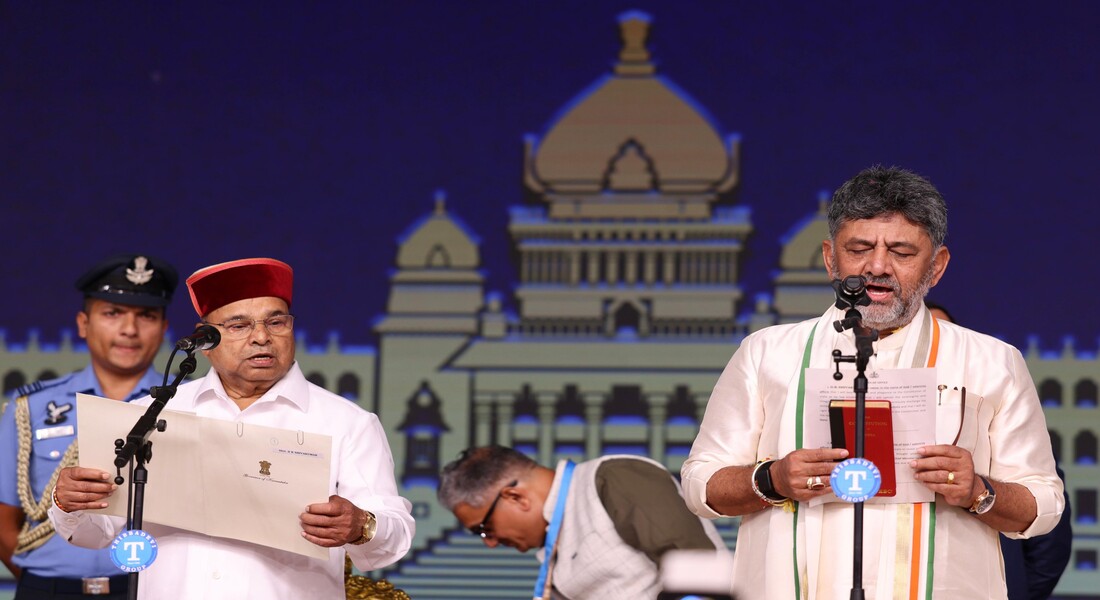
Bengaluru: Senior Congress leader D.K. Shivakumar was sworn in as the Chief Minister of Karnataka on Wednesday, bringing to an end years of political speculation and marking a major leadership transition in the southern state.

Popularly known as DKS, the 64-year-old leader’s elevation comes after a prolonged wait and nearly three years of internal discussions within the Congress over a possible change in leadership following the party’s return to power in Karnataka in 2023.

Shivakumar succeeded veteran Congress leader Siddaramaiah, who had headed the government since the party’s emphatic Assembly victory. Though Shivakumar was widely seen as one of the principal architects of that victory, the Congress leadership had then chosen Siddaramaiah for the top post, reportedly balancing caste equations and legislative support.

Prime Minister Narendra Modi congratulated the new chief minister and in a post on X, he assured that the Centre will work closely with the Karnataka Government for the welfare of the people.

For several months thereafter, Karnataka politics remained dominated by speculation over an alleged rotational leadership arrangement between Siddaramaiah and Shivakumar. While supporters of Shivakumar repeatedly pressed for a transition, the Congress leadership publicly dismissed such reports, maintaining that no formal agreement existed.

The leadership change gained momentum following a series of consultations between senior Congress leaders in New Delhi and Bengaluru, eventually paving the way for Shivakumar to assume office.

Shivakumar’s rise to the top position is being viewed within the party as recognition of his longstanding role as one of Congress’s most dependable political managers.

Over the years, he built a reputation as a crisis handler, stepping in during several politically sensitive situations. In 2017, he played a key role in managing Congress legislators during the Rajya Sabha election in Gujarat involving senior leader Ahmed Patel. He was again at the centre of efforts to keep the Congress-Janata Dal (Secular) coalition intact after Karnataka’s hung Assembly verdict in 2018.

In 2019, Shivakumar made national headlines when he attempted to persuade rebel Congress and JD(S) legislators in Mumbai to return amid a political crisis that eventually toppled the coalition government.

Despite facing legal challenges, including a money laundering case that led to his arrest in 2019, Shivakumar remained an influential figure within the party. Congress leaders continued to entrust him with organisational and electoral responsibilities.

As Karnataka Pradesh Congress Committee president, Shivakumar is also credited with rebuilding the party’s grassroots network after the Congress suffered setbacks in the 2019 parliamentary elections. Party insiders believe his organisational strategy and outreach among key communities played a crucial role in the Congress victory in the 2023 Assembly polls.

Political observers say Shivakumar now faces the challenge of maintaining unity between rival factions within the Congress, delivering on governance commitments and preparing the party for the 2028 Assembly elections.

For now, however, his swearing-in marks the culmination of a long political journey from party organiser to the state’s top elected office.

Satwik-Chirag retire hurt at Indonesia Open as shoulder injury concern resurfaces

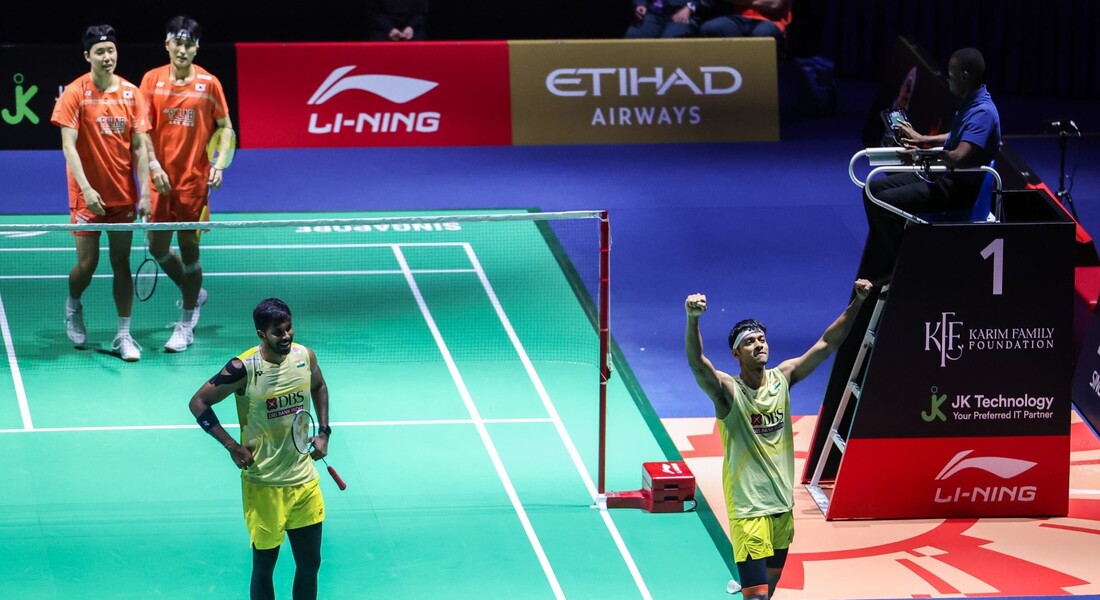
New Delhi: India’s campaign in the men’s doubles draw at the Indonesia Open 2026 suffered an early setback after star pair Satwiksairaj Rankireddy and Chirag Shetty were forced to retire midway through their opening-round match on Wednesday due to an apparent injury concern.

The Indian duo, ranked fourth in the latest world rankings, trailed Malaysia’s Aaron Tai and Kang Khai Xing 11-6 in the opening game when they withdrew after only seven minutes of play, according to olympics.com.

Concern centred on Satwiksairaj, who was seen indicating discomfort in his right shoulder before leaving the court. The development has renewed worries over a shoulder issue that had previously disrupted his season and led to his withdrawal from the Badminton Asia Championships earlier this year.

The setback comes at an unfortunate time for the Indian pair, who had only recently returned to winning ways by clinching the Singapore Open title, ending a two-year wait for a BWF World Tour crown. Notably, Satwik and Chirag had defeated Aaron Tai and Kang Khai Xing in the quarter-finals of that tournament during their title-winning run.

In a statement, the Badminton Association of India said the pair would now focus on recovery and rehabilitation ahead of upcoming competitions. The federation expressed hope that Satwik would recover quickly and return to action alongside Chirag soon.

There was better news for India in the mixed doubles competition, where Rohan Kapoor and Ruthvika Gadde produced an impressive straight-game victory over Chinese Taipei’s Yang Po-Hsuan and Hu Ling Fang. The Indian pair, ranked 42nd in the world, defeated their higher-ranked opponents 21-14, 21-14 to advance.

However, HS Prannoy suffered an early exit after losing 21-17, 16-21, 21-19 to Ireland’s Nhat Nguyen in the men’s singles competition.

Elsewhere, young Indian shuttlers Ayush Shetty and Unnati Hooda were scheduled to begin their campaigns later in the day.

Attention will also turn to PV Sindhu, who recently returned to the world’s top 10 rankings for the first time since October 2023. The two-time Olympic medallist is set for a major second-round test against reigning Olympic champion and world No. 1 An Se-young on Thursday after successfully negotiating her opening-round match.

Cabinet clears aviation relief, connectivity and clean mobility initiatives

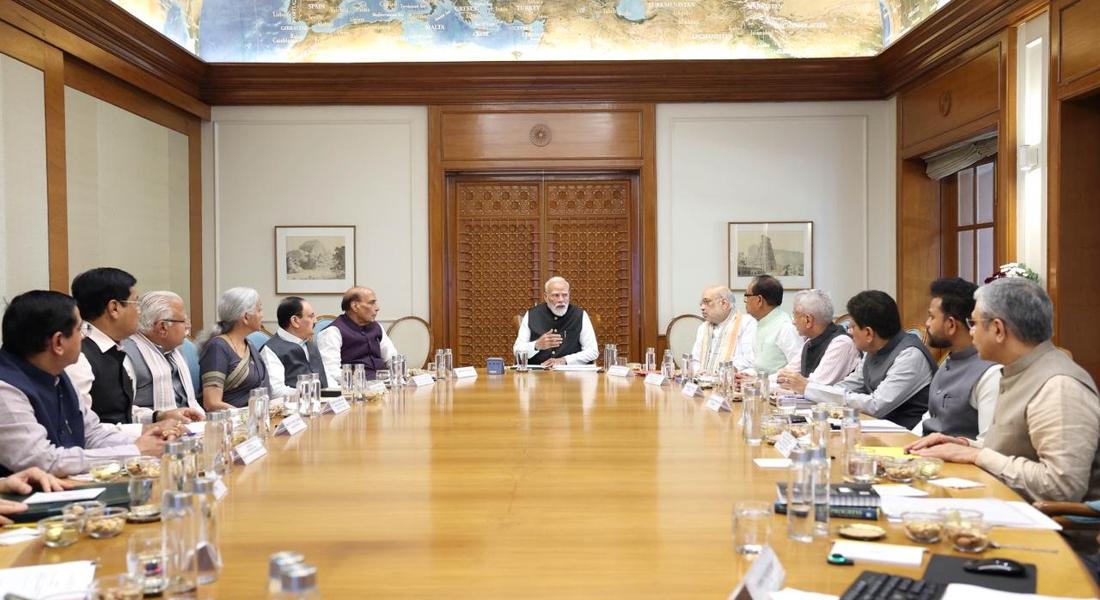
New Delhi: The Union Cabinet on Wednesday approved a series of major policy and infrastructure decisions aimed at strengthening transport connectivity, supporting the aviation sector amid global fuel price volatility, and accelerating the transition to cleaner mobility in the National Capital Region.

Among the key decisions was the approval of a one-time budgetary support of up to Rs. 10,000 crore for Oil Marketing Companies (OMCs) to help stabilise Aviation Turbine Fuel (ATF) prices for scheduled Indian airlines. The move comes against the backdrop of sharp increases in global fuel prices linked to the ongoing West Asia crisis, which has significantly raised operating costs for airlines, according to an official statement.

Under the approved mechanism, the government will provide interest-free advances to OMCs to compensate for losses arising from elevated international ATF prices. The arrangement is expected to offer greater predictability in fuel costs for airlines operating both domestic and international services while helping maintain air connectivity and moderate fare volatility for passengers.

The Cabinet noted that ATF prices have risen sharply in recent months and now account for a substantial share of airline operating expenditure. The situation has been further complicated by longer flight routes and higher fuel consumption following restrictions affecting access to Pakistan’s airspace for Indian carriers on several international sectors.

In another major decision, the government approved a two-year clean mobility programme for the Delhi-NCR region with a financial outlay of Rs. 9,585 crore. The initiative seeks to encourage owners of older trucks and buses to replace their vehicles with cleaner BS-VI-compliant models or electric vehicles.

The scheme is expected to benefit more than two lakh vehicle owners across Delhi, Haryana, Rajasthan, and Uttar Pradesh. Authorities believe the transition to newer vehicles will significantly reduce transport-sector emissions, a major contributor to air pollution in the region. The programme includes interest subvention on loans, fuel vouchers, tax concessions, and manufacturer discounts to encourage vehicle replacement.

The Cabinet also cleared two major national highway projects in Bihar and Telangana aimed at easing congestion and improving logistics efficiency.

In Bihar, the government approved the upgradation of the 143.529-km Khagaria-Purnea section of NH-31 and NH-231 to four-lane standards at Rs. 3,936.05 crore. The project is expected to address bottlenecks across Khagaria, Bhagalpur, Katihar, and Purnia districts while reducing travel time and improving connectivity to key economic and logistics centres. A greenfield bypass around Purnea city will also be developed as part of the project.

The Cabinet Committee on Economic Affairs further approved the widening of the Armoor-Jagtial-Mancherial section of NH-63 and the Jagtial-Karimnagar section of NH-563 in Telangana. The project, with a combined investment of Rs. 7,597.16 crore, will cover nearly 191 km and provide four-lane connectivity through several congestion-prone stretches. The upgraded corridor is expected to improve passenger and freight movement while reducing travel time across key districts of the state.

According to the government, all the approved projects align with the PM GatiShakti framework and are intended to improve logistics efficiency, enhance regional connectivity, and support economic activity.

Centre approves Rs 8,300 crore coastal highway from Rameshwar to Paradip

Bhubaneswar: The Union Cabinet has approved the construction of a new coastal highway in Odisha at an estimated cost of Rs 8,300.79 crore, paving the way for a major transport corridor that will connect key tourism destinations with the state’s maritime and logistics infrastructure.

The project, cleared by the Cabinet Committee on Economic Affairs chaired by Prime Minister Narendra Modi, will involve the development of a 160.18-km highway between Rameshwar and Paradip under the Hybrid Annuity Model.

Spread across Khurda, Puri, Kendrapada, and Jagatsinghpur districts, the proposed corridor is expected to ease pressure on existing road networks while improving connectivity along Odisha’s coastline, according to an official statement.

Officials said the project has been planned in view of growing traffic demand and limitations of the existing route. While National Highway-16, a part of the Golden Quadrilateral, serves as the state’s principal north-south corridor, the existing road network connecting Puri, Konark, and Satapada faces congestion due to ribbon development and heavy local traffic movement.

The new highway will be developed in two packages. The stretch from Rameshwar to Konark will be constructed as a four-lane highway, while the Konark-Paradip section will have two lanes with paved shoulders. The corridor is being designed for speeds of up to 100 km per hour, enabling faster and safer travel across the coastal districts.

Beyond improving passenger movement, the project is expected to strengthen freight transportation by enhancing access to Paradip, one of the country’s major ports. The highway will also support economic activities across coastal Odisha by improving links between industrial, tourism, and logistics centres.

According to the government, the corridor aligns with the PM GatiShakti National Master Plan and will provide connectivity to nine economic nodes and five logistics nodes, a move expected to improve supply-chain efficiency and support the country’s logistics ecosystem.

Once completed, the highway is projected to reduce travel time between Rameshwar and Paradip by nearly two and a half hours. Authorities also expect the project to lower fuel consumption, reduce vehicle operating costs, and curb carbon emissions through smoother traffic flow and shorter travel durations.

The government said the project would contribute to regional development by improving accessibility, facilitating trade, and promoting tourism along Odisha’s coastline.

21 killed in massive fire at guest house in Delhi’s Malviya Nagar

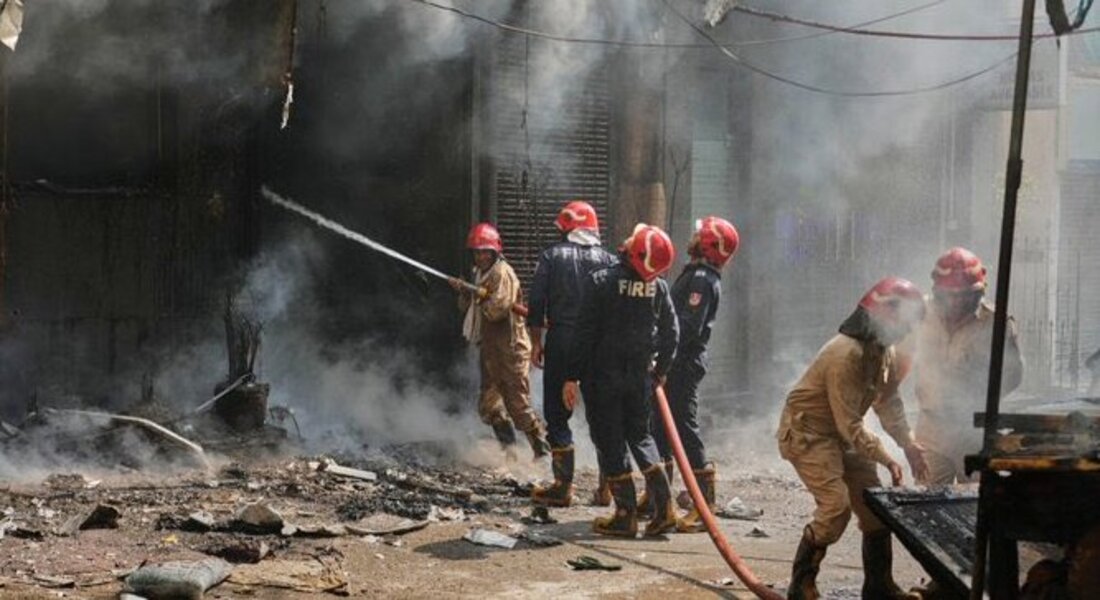
New Delhi: At least 21 people were killed and several others injured after a massive fire broke out at a guest house building in south Delhi’s Malviya Nagar on Wednesday morning, triggering a major rescue operation by emergency agencies.

Officials said the blaze erupted around 8.45 am in the Hauz Rani area and engulfed the premises of Flourish Stay B&B, which reportedly housed several foreign nationals. Initial reports had suggested the fire originated at the basement-based Lemon Green Restaurant, but police later clarified that the main site of the incident was the guest house.

More than 40 people were rescued from the building and shifted to nearby hospitals through CATS ambulances. Of them, 21 were declared dead on arrival, while several others remain in critical condition, raising fears that the toll may rise further.

According to officials, multiple fire tenders were rushed to the narrow lanes of Hauz Rani to contain the blaze and carry out evacuation efforts. Rescue teams continued operations amid reports that some people could still be trapped in upper floors of the building.

The exact cause of the fire has not yet been ascertained and authorities are investigating the circumstances that led to the tragedy.

“The loss of lives due to a fire incident in Malviya Nagar, Delhi is tragic. My condolences to those who have lost their loved ones. Wishing a speedy recovery to the injured. Authorities are providing all possible assistance to those affected,” Modi said in a post on X.

The Prime Minister also announced an ex gratia of ₹2 lakh from the Prime Minister’s National Relief Fund for the next of kin of each deceased and ₹50,000 for those injured.

Union Home Minister Amit Shah described the incident as “heart-wrenching” and said local authorities were engaged in relief and rescue efforts.

Delhi Chief Minister Rekha Gupta expressed condolences and said emergency response teams, including the Delhi Fire Services, Delhi Police, DDMA and ambulance services, were mobilised immediately after information about the incident was received.

“In this hour of grief, Delhi Government stands firmly with the affected families. We remain committed to providing every possible support,” she said.

AAP leader Somnath Bharti, who visited the site, described the situation as “tragic and horrific” and alleged delays in the arrival of firefighting personnel. He claimed some individuals remained trapped in upper sections of the building.

Congress president Mallikarjun Kharge also condoled the deaths and urged authorities to ensure timely compensation and prompt medical treatment for those injured.

Further details are awaited as rescue and investigation efforts continue.

Odisha plans green hydrogen bus network to boost clean mobility

Bhubaneswar: Odisha has taken a major step towards clean and sustainable public transport with plans to introduce hydrogen-powered buses as part of its first Green Hydrogen Mobility Project aimed at building a clean fuel ecosystem in the state.

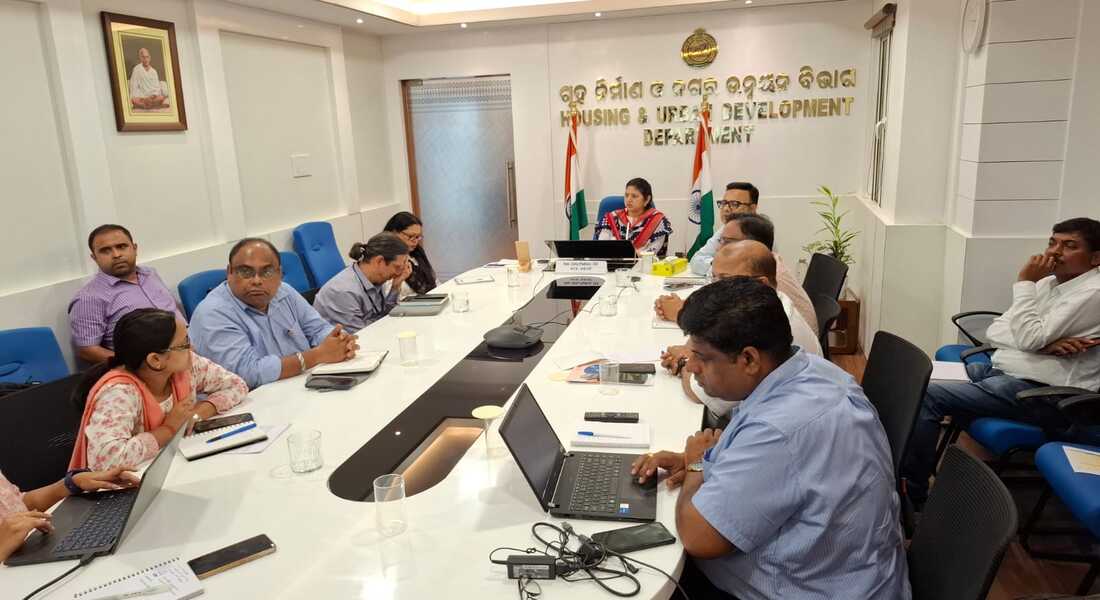
A high-level review meeting chaired by Housing and Urban Development Department Additional Chief Secretary Usha Padhee on Wednesday assessed progress on the ambitious initiative, which is being jointly implemented by the Capital Region Urban Transport (CRUT), NTPC and GRIDCO.

The project seeks to establish Odisha’s first green hydrogen-based public transport ecosystem and aligns with the Centre’s National Green Hydrogen Mission as well as India’s broader commitment to achieving net-zero emissions.

Officials reviewed developments following the signing of a tripartite Memorandum of Understanding (MoU) among NTPC, GRIDCO and CRUT. As part of the pilot phase, the project proposes the establishment of a green hydrogen production and refuelling facility at CRUT’s Pokhariput Depot in Bhubaneswar, along with the deployment of three Hydrogen Fuel Cell Electric Buses.

According to an official release, the proposed facility will produce around 260 kilograms of green hydrogen daily. The hydrogen-powered buses are expected to run up to 600 kilometres a day under ideal operating conditions, offering a zero tailpipe emission alternative to conventional fuel-based public transport.

The project is also expected to significantly reduce carbon emissions, with estimates suggesting a reduction of nearly 900 tonnes of carbon dioxide annually.

The total capital investment for the initiative has been pegged at ₹53.55 crore. Of this, ₹19.52 crore has already been sanctioned as financial assistance under the National Green Hydrogen Mission through the Ministry of New and Renewable Energy (MNRE), while the remaining funds are expected to be mobilised through stakeholder contributions and state support mechanisms.

During the meeting, officials held detailed discussions on operational planning, route feasibility, financial viability, risk-sharing and institutional responsibilities among participating agencies. Under the proposed framework, NTPC will develop and operate hydrogen infrastructure, GRIDCO will facilitate power supply and subsidies, while CRUT will oversee bus operations and transport services.

The review also examined concerns raised by CRUT regarding operational expenditure, assured kilometre commitments, revenue-sharing and long-term sustainability of the proposed model.

Officials suggested that the pilot operations initially focus on the Bhubaneswar–Cuttack–Khordha–Puri–Konark corridor to ensure operational feasibility and demonstrate the viability of hydrogen-powered mobility in Odisha.

Issues related to land allocation, regulatory clearances, viability gap funding and inter-agency coordination also came up for discussion.

Chairing the meeting, Usha Padhee said the initiative has the potential to position Odisha among leading states adopting next-generation clean mobility technologies. She directed all stakeholder agencies to work in close coordination and expedite resolution of pending technical, financial and regulatory matters to ensure timely implementation of the project.

Senior officials from CRUT, NTPC, GRIDCO, IPICOL and the Housing and Urban Development Department attended the meeting held at Kharabela Bhawan in Bhubaneswar.

Odisha raises SC quota, introduces SEBC reservation in higher and professional education

Bhubaneswar: The Odisha government has announced a major overhaul of its reservation policy for admissions to higher, technical, and professional educational institutions across the state. The revised reservation framework, which will come into force from the 2026-27 academic session, significantly enhances opportunities for Scheduled Castes (SCs) and introduces reservation for Socially and Educationally Backward Classes (SEBCs).

The decision was taken following recommendations of the Policy Planning Body constituted under Section 4 of the Odisha Professional Educational Institutions (Regulation of Admission and Fixation of Fee) Act, 2007. The government issued the notification through an Office Memorandum of the Department of Scheduled Tribe and Scheduled Caste Development, Minorities and Backward Classes Welfare.

Under the revised policy, reservations for STs will continue at 22.5%. However, the reservation quota for SCs has been increased from 8% to 16.25%. In a significant move, the state government has also introduced an 11.25% reservation for students belonging to the SEBCs.

The new reservation structure will be applicable across all universities in Odisha, including their constituent and affiliated colleges. It will also cover Industrial Training Institutes, polytechnics, and other institutions offering professional and technical education.

The reservation policy will apply to a wide range of disciplines, including engineering, technology, management, computer applications, medicine, surgery, dentistry, nursing, pharmacy, allied health sciences, veterinary science, Ayurveda, homeopathy, agriculture and allied sciences, architecture, planning, and cinematic art and technology. It will also extend to any other courses that may be notified by the state government from time to time.

According to the notification, the reservation benefits will be available for certificate, diploma, and degree programmes offered at undergraduate as well as postgraduate levels.

The government has clarified that seats earmarked under the All India Quota will not be considered while calculating the annual approved intake for implementing the reservation policy. It has further stated that existing provisions relating to horizontal reservations and reservations for Economically Weaker Sections will continue to operate in accordance with prevailing laws, rules, and government guidelines.

Officials said the revised framework aims to ensure broader representation of historically disadvantaged and socially backward communities in professional and higher education institutions. The move is expected to expand access to educational opportunities for a larger section of students across the state.

The notification was issued with the governor’s approval and signed by Commissioner-cum-Secretary Dr. Parameswaran.

The revised reservation policy will take effect from the academic year 2026-27.