At IndiaVerve, we go beyond the noise to bring you meaningful stories of change, resilience and progress—from India to the world stage. Our mission is to bring readers credible, wide-ranging coverage across politics, business, sports, culture, society and more.

India launches campaign for 2028-29 UN Security Council seat

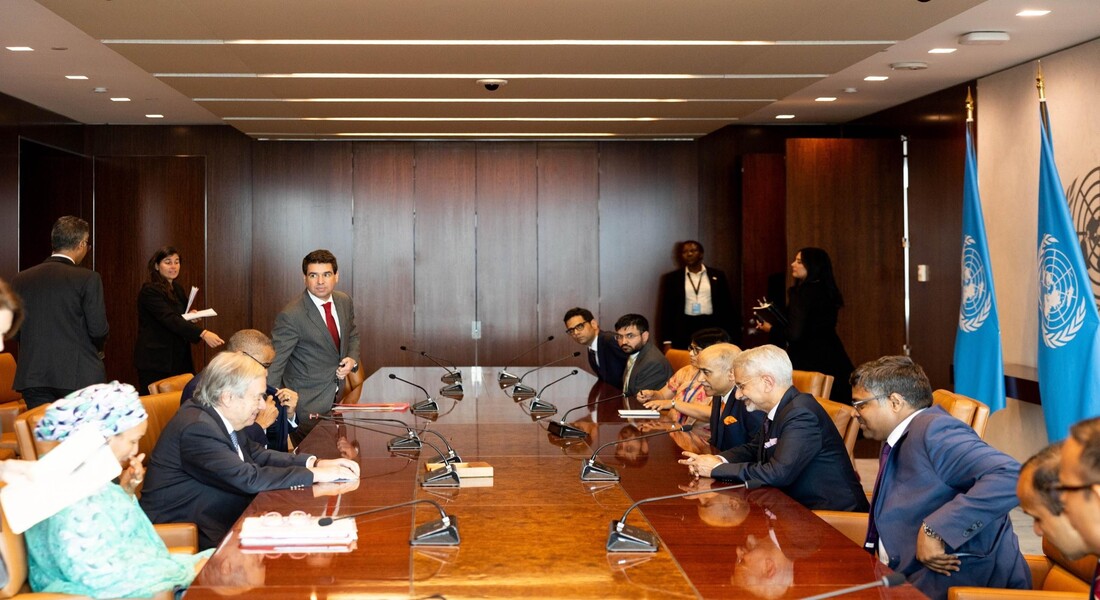
New Delhi: India has officially launched its campaign for a non-permanent seat on the UN Security Council (UNSC) for the 2028-29 term, with External Affairs Minister Dr. S. Jaishankar outlining the country’s vision for a more secure, inclusive and effective global order.

Launching India’s campaign, Jaishankar said the country would work towards building a secure, peaceful and equitable world while ensuring that the voice of the Global South is heard.

He said India would focus on strengthening multilateralism, making peacekeeping future-ready, promoting responsible use of technology, enhancing maritime security, combating terrorism and advancing climate action.

The minister introduced SHANTI – Securing Holistic Advancement through Norms, Trust and Integrity – as the guiding framework for India’s approach to global governance.

He said a rules-based international order founded on trust, integrity, and cooperation is essential for achieving lasting peace, progress, and prosperity.

Highlighting India’s commitment to the Global South, Jaishankar said New Delhi would continue to advocate for more democratic and representative multilateral institutions.

He cited India’s development partnerships with over 100 countries, the Voice of Global South Summits and its role in securing the African Union’s membership in the G20 during India’s presidency.

On peacekeeping, the minister said India has contributed nearly 300,000 personnel to about 50 UN missions over the years and currently has around 4,300 peacekeepers serving in 10 active missions.

He further said India would continue to support reforms aimed at making peacekeeping more effective, technologically advanced and better equipped to meet future challenges.

Jaishankar also outlined India’s MANAV framework for artificial intelligence, which promotes ethical systems, accountable governance, national sovereignty, accessibility, and legitimate use of AI, according to a statement by the External Affairs Ministry statement.

He said India supports the vision of “AI for all” while remaining committed to addressing the risks posed by the misuse of emerging technologies.

Reaffirming India’s commitment to maritime security, the minister stressed the importance of safeguarding freedom of navigation, ensuring compliance with international law and strengthening global cooperation against piracy. He also called for greater international efforts to curb terrorism by disrupting terror financing and supporting evidence-based action against terrorist organisations.

Highlighting India’s global contributions, Jaishankar pointed to the country’s role in peacekeeping, humanitarian assistance, disaster relief, healthcare, food security, maritime security and development partnerships across 79 countries. He said India has consistently promoted dialogue and diplomacy while extending support to nations affected by conflicts, natural disasters and humanitarian crises.

Concluding his address, Jaishankar said India’s presence on the Security Council would strengthen global decision-making and appealed to UN member states to support the country’s candidature for the 2028-29 term.
Odisha’s largest Vishwanath Pandit Central Library inaugurated in Cuttack

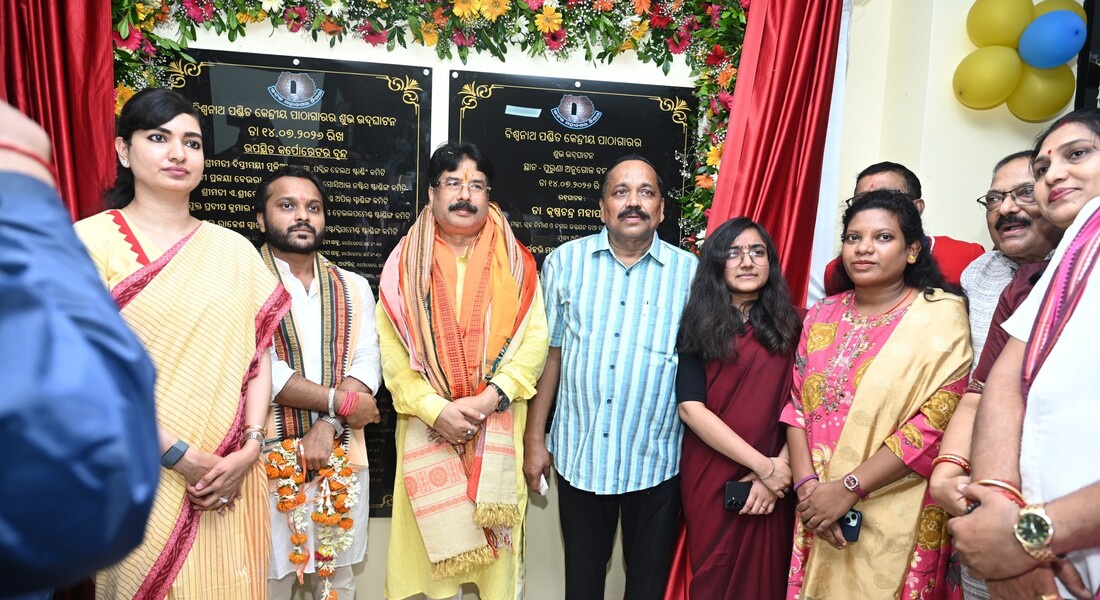
Bhubaneswar: Odisha’s largest Vishwanath Pandit Central Library was inaugurated in Cuttack on Tuesday, providing the state with a modern knowledge hub designed to promote reading, research and digital learning.

Housing and Urban Development Minister Dr. Krishna Chandra Mahapatra inaugurated the library in the Badambadi area. He said the facility would emerge as a major centre for learning and help strengthen Odisha’s reading culture and academic environment.

The minister said the state government is committed to balanced development across Odisha and assured that Cuttack’s civic and infrastructure needs would be addressed on a priority.

He also urged citizens to work together to preserve and enhance the city’s rich cultural heritage.

The inauguration was attended by Cuttack Mayor Subash Singh, Choudwar-Cuttack MLA Sourav Biswal, Barabati-Cuttack MLA Sofia Firdous, Cuttack Sadar MLA Prakash Chandra Sethi, Deputy Mayor Damayanti Majhi, Standing Committee Chairperson Monalisa Das, Cuttack Collector Dattatreya Bhausaheb Sinde, Cuttack DCP Khilari Rishikesh Dyandeo, and other public representatives and officials.

During the event, the Library Management System was launched to streamline library services. The minister and other dignitaries also felicitated 35 publishers from Cuttack for their contribution to the publishing industry.

A commemorative logo marking the 150th anniversary of the Cuttack Municipal Corporation (CMC) was unveiled on the occasion. The minister also virtually laid the foundation stone for a Rs 21-crore goshala to be developed on five acres of land at Gurudijhatia.

CMC Commissioner Kirandeep Kaur Sahota said the library would benefit students, researchers and readers from across Odisha by providing modern facilities for learning and academic work.

Built at a cost of Rs 42 crore on a three-acre campus in Badambadi, the library has been constructed by the Odisha State Police Housing and Welfare Corporation Limited.

The three-storey facility houses more than one lakh books and provides seating for over 1,000 readers. It is equipped with high-speed internet, an e-library, photocopying services, a children’s reading zone, research facilities, and central air-conditioning.

The library also features an 84-seat auditorium, an audio-video conference room, a 72-seat cafeteria, CCTV surveillance, round-the-clock security, fire safety systems, solar power, lifts, ample parking, landscaped surroundings, and barrier-free access for persons with disabilities.

Chairpersons of all CMC standing committees, corporators, and senior officials were also present at the inaugural programme.

Cabinet approves Rs 1,900 crore for rural connectivity, bridge-cum-weir projects

Bhubaneswar:,The Odisha Cabinet on Tuesday approved 13 proposals across seven departments, with a major focus on rural development, including a combined outlay of Rs 1,900 crore for improving connectivity in difficult and remote areas and strengthening water conservation infrastructure across the state.

The decisions were taken at the 44th meeting of the State Cabinet, chaired by Chief Minister Mohan Charan Majhi at Lok Seva Bhawan in Bhubaneswar. Chief Secretary Anu Garg briefed the media on the decisions after the meeting.

Of the 13 proposals approved, seven were from the Rural Development Department — the highest among all departments. The Cabinet also cleared one proposal each from the Water Resources; Fisheries and Animal Resources Development; Cooperation; Agriculture and Farmers’ Empowerment; Food Supplies and Consumer Welfare; and Revenue and Disaster Management departments.

Among the key decisions, the Cabinet approved Rs 1,300 crore for the implementation of the Mukhyamantri Sadak Yojana (MMSY)-Connecting Unconnected Villages in Difficult Areas (CUVDA) for five years from 2026-27 to 2030-31. The scheme seeks to provide improved all-weather connectivity to villages in Left-Wing Extremism-affected districts, difficult hilly regions and remote islands, improving access to healthcare, education, markets, tourist destinations and other essential services.

Around 1,150 km of new road projects are targeted under the scheme, while ongoing projects covering approximately 949 km will also be completed during the five-year period. Bridges will be constructed wherever required to provide new or improved connectivity.

The Cabinet also approved an outlay of Rs 600 crore for the Bridge-cum-Weir scheme for 2026-27 to 2030-31. The initiative seeks to conserve water in streams and upstream areas of bridges during the monsoon for minor irrigation, domestic use and livestock. As many as 508 new bridge-cum-weir projects will be taken up, while 162 ongoing projects are targeted for completion.

In another significant decision, the Cabinet approved a proposal to repeal the Odisha Agricultural Produce Markets Act, 1956, and introduce a new comprehensive agricultural marketing law. The proposed legislation seeks to establish Odisha as a unified agricultural market by removing geographical restrictions on the sale and purchase of agricultural produce and livestock and providing for direct marketing, e-trading, electronic auctions and a statewide single trading licence.

The Cabinet also approved three lift irrigation schemes in Balangir district under the Parbati Giri Mega Lift Irrigation Scheme. The projects will create an additional irrigation potential of about 4,330 hectares by lifting water from the Tel and Undar rivers and will benefit farmers in 25 villages. With an execution cost of about Rs 121.81 crore, excluding GST, the works are scheduled for completion within 36 months.

In the revenue administration sector, amendments to the Odisha District Revenue Service Rules, 1983, were approved to introduce two new intermediate cadres — Assistant Revenue Inspectors (Level-II) and Amins (Level-II) — to address career stagnation and improve promotional opportunities for field-level personnel.

The Cabinet further approved the Odisha State and District Commission Stenographers’ (Method of Recruitment and Conditions of Service) Rules, 2026, to regulate recruitment and service conditions for stenographers in the State and District Consumer Disputes Redressal Commissions.

Dy CM Pravati Parida launches Baristha Nagarik Tirtha Yatra Yojana guidelines

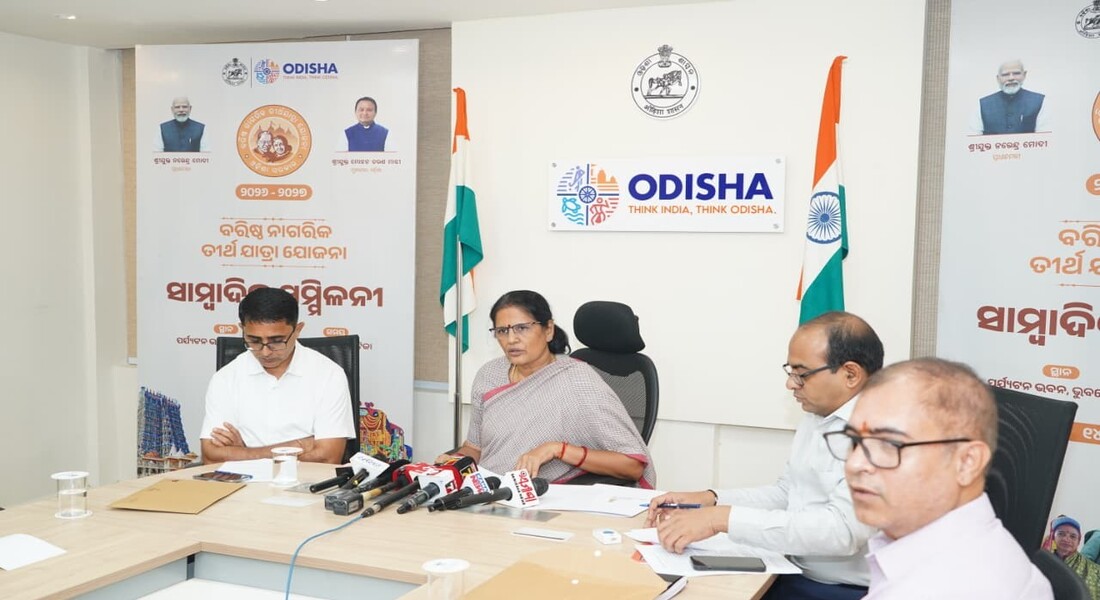
Bhubaneswar: The Odisha government on Tuesday announced the application schedule for the Baristha Nagarik Tirtha Yatra Yojana  for the financial year 2026-27.

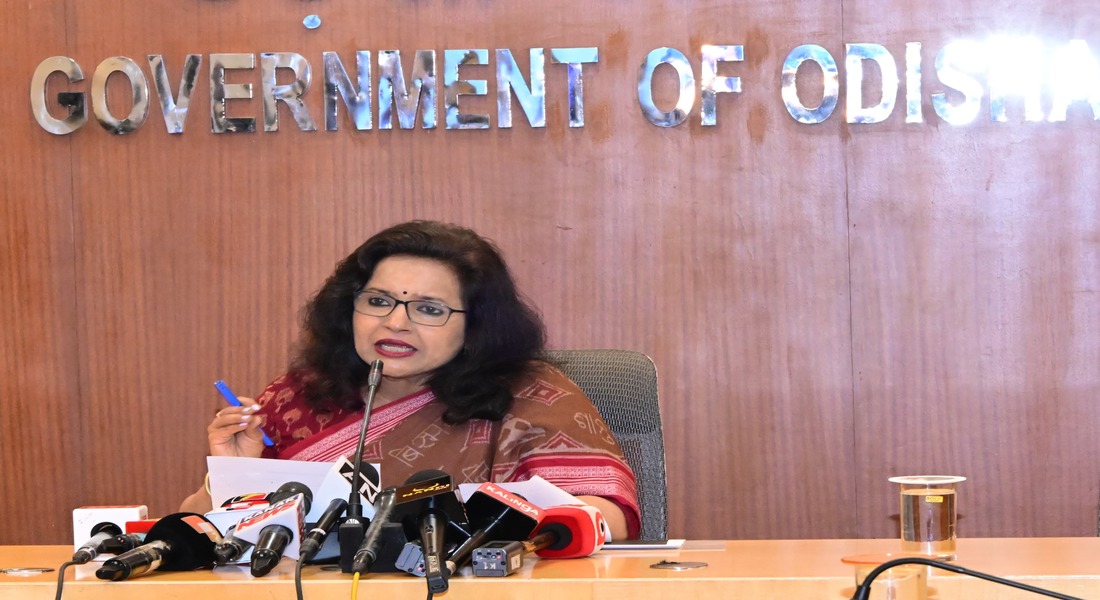
Addressing a press conference at Paryatan Bhawan, Deputy Chief Minister Pravati Parida stated that the scheme aims to fulfil the spiritual aspirations and pilgrimage wishes of senior citizens.

She further said the application process would begin on July 15 and continue till August 14.

Parida noted that the scheme enables senior citizens to fulfil their long-cherished dream of visiting sacred pilgrimage destinations in a safe, comfortable, and well-organised manner.

According to her, the initiative would be carried out this year in collaboration with Odisha Tourism and IRCTC. She said senior citizens would be allowed to visit sacred pilgrimage sites, including Varanasi-Ayodhya, Rameswaram-Madurai, and Haridwar-Rishikesh.

The deputy CM added that arrangements for transportation, accommodation, food and beverages, passenger insurance, and medical facilities would be made for pilgrims throughout the journey.

India summons Iranian diplomat after sailor killed in Strait of Hormuz attack

New Delhi: India has lodged a strong protest with Iran after an Indian seafarer was killed and several others were injured in attacks on two UAE-flagged oil tankers transiting the Strait of Hormuz, amid a renewed escalation of hostilities between the United States and Iran.

The Ministry of External Affairs (MEA) said Iran’s Deputy Chief of Mission in New Delhi was summoned on Tuesday morning and a strong protest was lodged over the attacks on MT Al Bahiyah and MT Mombasa. The two vessels had a combined crew of 46, including 30 Indian nationals.

According to the MEA, of the 12 Indian seafarers aboard MT Al Bahiyah, one was killed and another injured. Nine of the 18 Indians aboard MT Mombasa sustained injuries, with two reported to be in serious condition.

“India is deeply concerned by the attacks on two vessels, MT Al Bahiyah and MT Mombasa, during their transit through the Strait of Hormuz today,” the MEA said in a statement.

The ministry strongly condemned attacks targeting seafarers and disrupting safe navigation through international waterways, while calling for an immediate cessation of violence and a return to dialogue and diplomacy. It said the Indian mission in the UAE was closely monitoring the situation and coordinating with Emirati authorities to provide assistance to the affected Indian seafarers.

The UAE Ministry of Defence said the two tankers came under attack while navigating the southern shipping lane of the Strait of Hormuz in Omani territorial waters. It condemned the strikes as a serious violation of international law and a threat to regional security and stability.

The attacks came amid a sharp escalation in the US-Iran conflict and an intensifying struggle over navigation through the Strait of Hormuz, one of the world’s most strategically important waterways. Iran has maintained that vessels must use shipping lanes authorised by Tehran, while the United States has claimed it is taking control of the strait to protect commercial shipping.

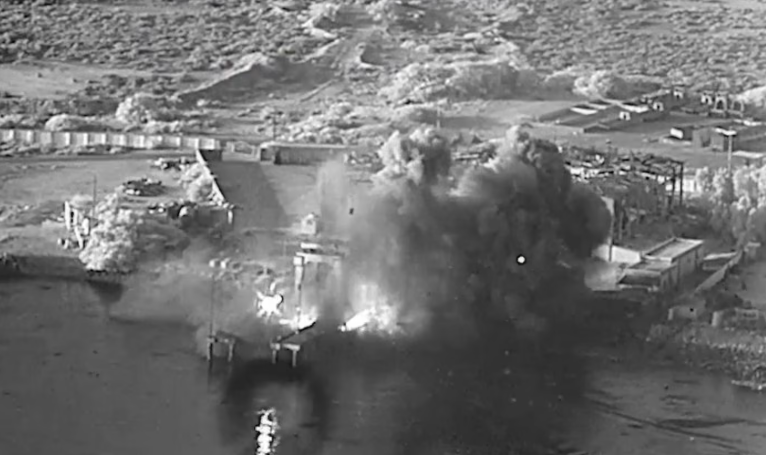
Meanwhile, US forces launched another wave of strikes against Iran. US Central Command said the operations were aimed at imposing a heavy cost on Iranian forces and degrading their ability to attack civilians and commercial vessels in the Strait of Hormuz.

Three people were killed in overnight US strikes on Iran’s Hormozgan province, according to the Fars news agency, which is considered close to Iranian security services. Reports also emerged of explosions around Bandar Abbas, a major Iranian port city and home to a naval base.

The escalating confrontation has rattled global energy markets. Brent crude rose 7.8 per cent to $81.92 a barrel as concerns intensified over disruptions to shipping through the strait, a vital artery for global energy supplies.

US President Donald Trump said American forces were hitting Iran “very hard” and claimed Washington was reasserting control over the strategic waterway. Iran’s military, however, warned that it would not allow the US to interfere in the management of the strait.

In a significant shift in US policy, Trump also announced that Washington would seek payment for protecting vessels passing through the Strait of Hormuz. Speaking to reporters, he argued that wealthy countries benefiting from US military protection should reimburse Washington for the cost and risks involved.

“We’re protecting a very rich portion of the world. We’re spending money. And so, what we’ve done is, we are going to be reimbursed for protection,” Trump said.

Trump later said on Truth Social that the United States would seek reimbursement equivalent to 20 per cent of all cargo shipped through the strait to cover the costs of providing safety and security. The announcement marks a departure from Washington’s longstanding support for freedom of navigation without tolls through international waterways and could further intensify tensions over control of the Strait of Hormuz.

Odisha signs two MoUs with CHEMEXIL to boost chemical exports, MSMEs

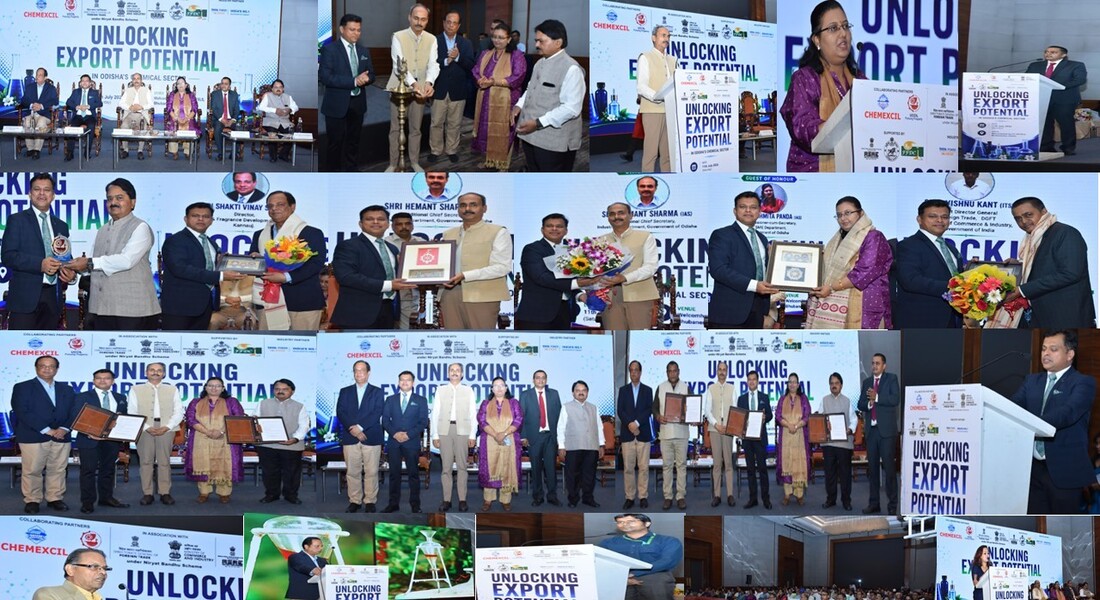
Bhubaneswar: Odisha strengthened its efforts to boost chemical exports and enhance the global competitiveness of its MSMEs with the signing of two Memoranda of Understanding (MoUs) with the Chemicals Export Promotion Council (CHEMEXIL) during a workshop on unlocking export potential held in Bhubaneswar.

One MoU was signed between CHEMEXIL and the MSME Department, government of Odisha, through the Directorate of Export Promotion and Marketing, to promote exports from the state’s chemical sector.

The second agreement was signed between CHEMEXIL and the Utkal Chamber of Commerce and Industry Ltd (UCCIL) to jointly organise workshops, seminars, capacity-building programmes, networking, advocacy, business-to-business meetings, trade fairs and exposure visits.

The workshop, organised by UCCIL in collaboration with CHEMEXIL, focused on creating awareness among Odisha’s MSMEs about opportunities in the chemical export sector. It was supported by the Directorate General of Foreign Trade, the Ministry of MSME, and Tata Power.

Additional Chief Secretary, Industries, Home and I&PR, Hemant Sharma, who attended as the chief guest, said MSMEs have a crucial role to play in expanding Odisha’s exports. Describing it as the first such initiative jointly organised by UCCIL and CHEMEXIL in the state, he said the workshop would serve as an eye-opener for MSMEs seeking opportunities in global markets.

Commissioner-cum-Secretary, MSME Department, Rashmita Panda, welcomed the initiative and said such collaborations would help build export-oriented capabilities among MSMEs.

Joint Director General of Foreign Trade Vishnu Kant Sahay spoke on the Centre’s export promotion initiatives and Odisha’s export potential across various product categories and international markets.

Shakti Vinay Shukla, Director of the Fragrance and Flavour Development Centre, Kannauj, delivered a presentation on opportunities in the global fragrance and flavour industry.

The workshop was chaired by UCCIL Additional Director Pankaj Lochan Mohanty. CHEMEXIL Executive Director Vishal Ganju said the partnership would pave the way for more export-focused workshops, business networking programmes, trade fairs and exposure visits in Odisha.

More than 200 entrepreneurs and industry representatives from Bhubaneswar and other parts of the state attended the workshop.

DRI seizes 440 protected animals, 15 kg ivory; 33 arrested

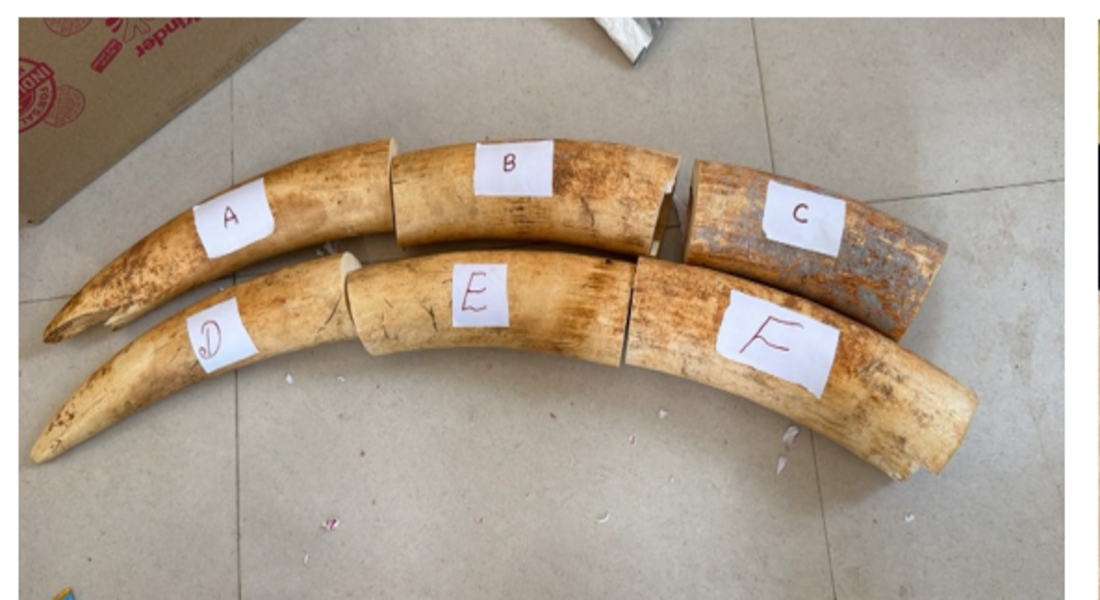
New Delhi: The Directorate of Revenue Intelligence (DRI) has seized 440 endangered and protected wild animals along with around 15 kg of ivory and elephant ivory articles in a series of intelligence-led operations conducted across India.

A total of 33 people involved in illegal wildlife trafficking have been arrested.

The nationwide crackdown targeted organised wildlife trafficking networks operating across several states. The operations also led to the recovery of protected wildlife products, including pangolin scales, leopard pelts, seahorse-based articles, and red sanders.

In one operation, DRI officers intercepted a group involved in the illegal trade of elephant ivory near Sujangarh in Rajasthan. About 11 kg of elephant ivory was seized, and four persons were apprehended. They were later handed over to the Forest Department for action under the Wildlife (Protection) Act, 1972, according to an official statement.

The Indian elephant is listed under Schedule I of the Wildlife (Protection) Act, 1972, which prohibits trade in elephants and their derivatives. The commercial ivory trade is also banned in India under the Convention on International Trade in Endangered Species of Wild Fauna and Flora, and the import and export of ivory are prohibited under the Foreign Trade Policy.

In Howrah, DRI officers arrested two persons and seized two ivory idols suspected to have been smuggled into India from Bangladesh.

In another operation in Mysuru, Karnataka, officers recovered 4 kg of elephant ivory and apprehended three persons involved in its illegal trade. The accused and the seized ivory were handed over to the Forest Department for further investigation.

DRI, in a joint operation with the Central Bureau of Investigation and supported by the Wildlife Crime Control Bureau (WCCB), busted an interstate wildlife trafficking syndicate operating across Maharashtra and West Bengal.

The operation resulted in the rescue of 15 slow lorises, two binturongs, 28 star tortoises, six Egyptian vultures, and two Shikra birds. Six accused were arrested by the CBI, while the investigation is continuing.

DRI also foiled several attempts to smuggle protected wildlife into India through international airports by passengers arriving from Bangkok, Kuala Lumpur, and Colombo.

The rescued species included albino red-eared turtles, bearded dragons, African spurred tortoises, Borneo pythons, green iguanas, mangrove monitor lizards, Argentine black and white tegus, Goeldi’s marmosets, yellow-cheeked gibbons, Indonesian blue-tongued skinks, siamang gibbons, woolly monkeys, silvery lutungs and ball pythons.

The enforcement agency carried out coordinated operations in Bengaluru, Warangal, Pune, Surat, Chennai, Kolkata, Trichy, Madurai, Srikakulam, Hojai in Assam, Rajasthan, Mysuru, and Howrah. These operations led to the seizure of protected wildlife species and wildlife products, including gibbons, lizards, tortoises, birds, squirrels, snakes, and red sand boas.

The operations were conducted with the support of the CBI, WCCB, Customs Airport Intelligence Units, State Forest Departments, and local police authorities.

DRI said the intelligence-driven operations reflect its continued efforts to curb organised wildlife crime, dismantle transnational trafficking networks and strengthen India’s commitments under the Convention on International Trade in Endangered Species of Wild Fauna and Flora to protect endangered wildlife and biodiversity.

Odisha govt orders fast-track disposal of Jagannath Temple land cases

Bhubaneswar: The Odisha government has directed revenue officials to expedite the disposal of thousands of pending revenue cases related to land belonging to Lord Shree Jagannatha Mahaprabhu in Puri.

The move is aimed at protecting and ensuring proper management of the temple’s landed properties.

In a letter issued on July 13, Additional Chief Secretary of the Revenue and Disaster Management Department, Dr. Arabinda Kumar Padhee, instructed the Secretary of the Board of Revenue, all Revenue Divisional Commissioners, Collectors, and the Director of Land Records and Surveys to personally monitor the cases and ensure prompt action in accordance with the law and court directions.

The department said several issues relating to the recording, protection, and management of the temple’s land require urgent attention. It asked district administrations to intervene without delay to safeguard the properties of Lord Jagannath.

The government has directed officials to ensure the speedy disposal of 11,675 miscellaneous revenue cases filed by the Shree Jagannath Temple Administration in various tahasils of Khordha, Puri, Jagatsinghpur, Balasore, Bhadrak, Jajpur, Ganjam, Cuttack and Kendrapada districts. These cases are to be disposed of in line with the Board of Revenue’s directions issued in October 2022.

The letter also asked officials to implement the orders passed by the Member, Board of Revenue, in 257 cases filed by the SJTA under Section 7(A) of the Odisha Estates Abolition Act. Copies of these orders have already been sent to the concerned Tahasildars for necessary action.

Further, Tahasildars have been directed to examine the 1927-28 Record-of-Rights and take steps to correct Khewats wherever required, in accordance with the applicable legal provisions.

The Revenue and Disaster Management Department said all actions should be taken on priority while strictly following statutory provisions, government instructions, and court orders issued from time to time.