At IndiaVerve, we go beyond the noise to bring you meaningful stories of change, resilience and progress—from India to the world stage. Our mission is to bring readers credible, wide-ranging coverage across politics, business, sports, culture, society and more.

Odisha govt targets completion of pending water projects by November

Bhubaneswar: The Odisha government on Wednesday reviewed the progress of rural drinking water projects and directed officials to speed up work under the Odisha Water and Sanitation Mission (OWSM) and Jal Jeevan Mission to meet completion targets this year.

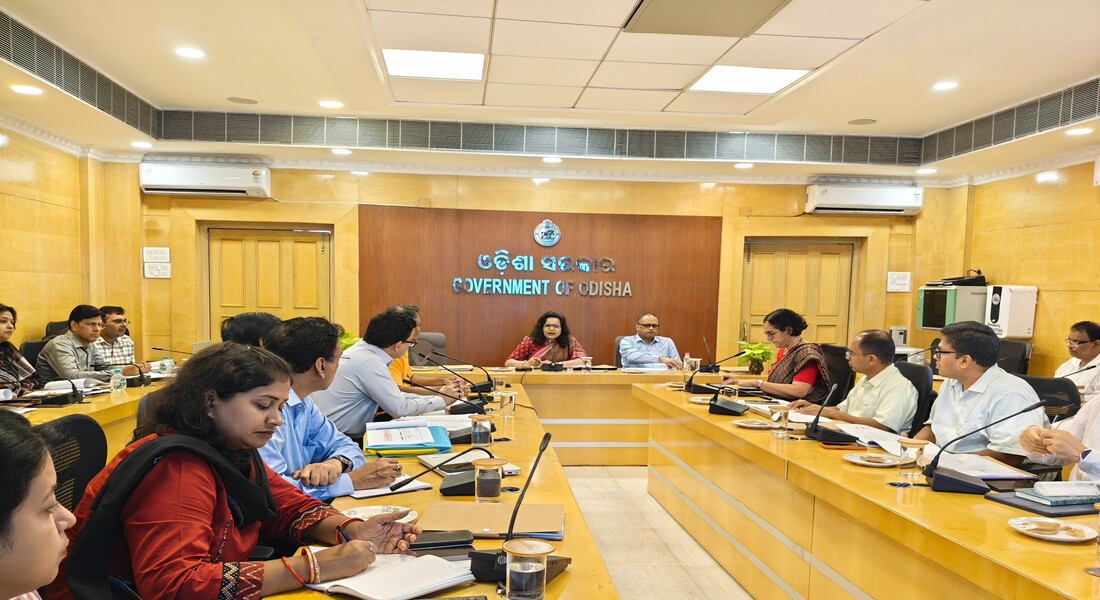
The review was conducted during the 19th Steering Committee meeting of the OWSM and the Jal Jeevan Mission State Support Committee, chaired by Chief Secretary Anu Garg at Lok Seva Bhawan.

Development Commissioner Deoranjan Kumar Singh, Water Resources Department Chief Secretary Shubha Sharma, and Panchayati Raj and Drinking Water Department Commissioner-cum-Secretary Girish S. N. attended the meeting.

Officials said 42 of the state’s 207 mega piped water supply projects have been completed. Work on another 44 projects, including intake wells and water treatment plants, has also been completed, with partial or full water supply already operational. The remaining projects are being closely monitored to ensure timely completion.

The meeting was informed that 18,737 of the 19,086 minor drinking water projects have been completed. The remaining schemes are expected to be finished by October 2026.

The progress of solar-powered drinking water projects was also reviewed. Of the 8,863 projects, 6,637 have been completed, while the remaining projects are targeted for completion by November 2026.

The committee discussed key reforms under Jal Jeevan Mission 2.0, including a stronger operation and maintenance policy, institutional management of rural water supply systems, village-level technical support, citizen-led water quality monitoring, water source sustainability and greater community participation.

Officials also reviewed the implementation of the Sujalam Bharat digital governance initiative. More than 94,000 Sujal Village IDs have been created so far. Geo-tagging, project monitoring modules, and a command and control centre are scheduled for completion by December 2026.

Under the Har Ghar Jal scheme, drinking water supply has reached 16,724 villages across Odisha. Of these, 12,484 villages have been certified for providing tap water. Verification of the remaining villages is targeted for completion by October 2026. The meeting also reviewed plans to achieve 100 per cent household tap water connections under the PM-JANMAN and DAJGUA schemes.

The committee further reviewed rural sanitation under Swachh Bharat Mission (Grameen). Officials said more than 96% of villages in Odisha have achieved Open Defecation Free Plus Model status.

The meeting also stressed the need to strengthen solid and liquid waste management systems across rural areas.

ICC approves new T20 World Cup 2028 format

New Delhi: The International Cricket Council (ICC) on Wednesday approved a new format for the ICC Men’s T20 World Cup 2028, introducing an Eliminators round and revising the qualification pathway to give emerging cricket nations greater opportunities.

The tournament will continue to feature 20 teams, but the competition format has been changed following the encouraging performances of developing nations at the 2026 edition, the ICC said in a press release.

The group stage will now consist of five groups of four teams, replacing the earlier format of four groups of five. The top two teams from each group will progress to the Super 10 stage.

The Super 10 will feature two groups of five teams, with each side playing the others once. The winners of the two groups will qualify directly for the semi-finals.

A new Eliminators round has also been introduced. The second-placed team from each Super 10 group will face the third-placed team from the opposite group. The two winners will complete the semi-final line-up before the tournament proceeds to the semi-finals and final.

Twelve teams have already secured their places in the 2028 tournament based on their performances at the 2026 T20 World Cup and ICC rankings. They are Afghanistan, Australia, Bangladesh, England, India, Ireland, New Zealand, Pakistan, South Africa, Sri Lanka, the West Indies, and Zimbabwe.

The ICC has also revised the qualification pathway for the 2028 edition.

Scotland has been granted direct entry to the Europe Regional Final after exceptional circumstances surrounding its qualification for the 2026 tournament, where it replaced Bangladesh.

The remaining teams that featured in the 2026 World Cup but missed automatic qualification – Canada, Italy, Namibia, Nepal, Netherlands, Oman, the UAE and the US – will advance directly to the Global Qualifier.

The remaining eight Global Qualifier places will be decided through regional qualification tournaments, with two teams each advancing from Africa, Asia, and Europe, and one each from the Americas and East Asia-Pacific regions.

From the Global Qualifier, the highest-ranked team from each region will qualify for the 2028 T20 World Cup, along with the next three best-performing teams overall, subject to minimum performance criteria.

The revised format and qualification pathway were endorsed by the ICC Board following recommendations from the ICC Development Committee and the ICC Chief Executives’ Committee. Final approval will be considered after a review by the ICC Finance & Commercial Affairs Committee at its November meeting.

Cabinet clears Rs 1.9 lakh crore electronics push

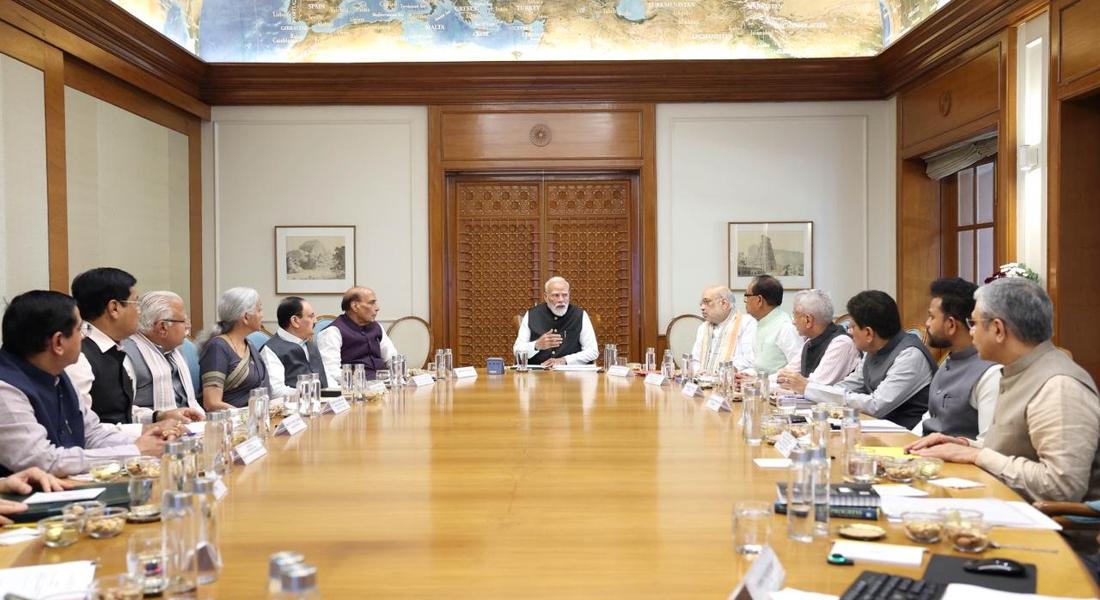
New Delhi: The Union Cabinet on Wednesday approved a series of major decisions to strengthen India’s manufacturing sector, improve infrastructure and boost self-reliance.

The approvals include a new mobile phone manufacturing scheme, Semicon 2.0, a fresh urea investment policy, and two major road projects in Varanasi, according to an official statement.

The Cabinet, chaired by Prime Minister Narendra Modi, approved the Mobile Phone Manufacturing Scheme with a budget outlay of Rs 62,500 crore. The scheme will run from FY2026-27 to FY2030-31 and offer incentives for mobile phone production, domestic sourcing of key components, and product design and research. The government expects the initiative to generate nearly Rs 39 lakh crore worth of mobile phone production and create around 60,000 direct jobs.

The Cabinet also cleared Semicon 2.0 with a budget outlay of Rs 1.27 lakh crore. The programme aims to strengthen India’s semiconductor ecosystem by supporting chip design, manufacturing, packaging, research, materials and talent development.

It builds on the progress made under Semicon 1.0, under which 12 semiconductor manufacturing projects have already been approved.

Another key decision was the approval of the National Investment Policy for Urea-2026. The policy seeks to attract investment in new gas-based urea plants and increase domestic fertiliser production. It introduces a revised return on equity framework, improves cost transparency, and includes measures to reduce foreign exchange risks.

The government estimates savings of more than Rs 250 crore for every new plant established under the policy compared with the previous investment framework.

The Cabinet Committee on Economic Affairs (CCEA) also approved a 46.039-km Ganga Link Corridor in Varanasi at a cost of Rs 14,447.64 crore. The elevated corridor will connect NH-19 with the Varanasi Ring Road. It is expected to ease congestion, improve travel time and strengthen connectivity to major transport hubs and religious landmarks, including the Kashi Vishwanath Temple.

In another infrastructure boost, the CCEA approved a 43.218-km Varuna Link Corridor connecting NH-31 with the Varanasi Ring Road at a cost of Rs 10,998.32 crore. The project aims to improve urban mobility, reduce travel time, enhance logistics and support economic growth across eastern Uttar Pradesh.

The latest Cabinet decisions reflect the Centre’s continued focus on expanding advanced manufacturing, strengthening domestic supply chains, improving transport infrastructure and supporting long-term economic growth across key sectors.

Cabinet approves Rs 3,907 crore railway projects for Odisha, Jharkhand

New Delhi: The Cabinet Committee on Economic Affairs, chaired by Prime Minister Narendra Modi, has approved two railway infrastructure projects worth around Rs 3,907 crore to strengthen rail connectivity in Odisha and Jharkhand.

The approved projects include the doubling of the Paradeep-Haridaspur railway line and the construction of a fourth rail line between Rajkharsawan and Dangoaposi, according to an official statement.

The projects will expand the Indian Railways network by about 145 km and cover four districts in Odisha and Jharkhand. They are aimed at increasing line capacity, easing congestion, and improving operational efficiency and service reliability.

The railway projects have been planned under the PM Gati Shakti National Master Plan with a focus on enhancing multimodal connectivity and logistics through integrated planning.

According to the government, the enhanced rail infrastructure will improve connectivity to around 1,526 villages with a combined population of nearly 14 lakh people.

The projects are also expected to improve rail access to major tourist destinations, including the Lalitgiri Buddhist Complex, Shree Baladevjew Temple and Meghahatuburu Hills.

The new rail capacity will strengthen the transportation of key commodities such as coal, iron ore, dolomite, limestone, and gypsum. The projects are expected to facilitate an additional 44 million tonnes per annum of freight traffic.

The government said the capacity expansion will also support India’s environmental goals by encouraging rail transport, which is more energy-efficient than road transport. It is expected to reduce oil imports by about 6 crore litres and cut carbon dioxide emissions by nearly 29 crore kg, equivalent to planting one crore trees.

The government said the projects are in line with Modi’s vision of a New India and are expected to generate employment and self-employment opportunities in the region.

Speaker Surama Padhy urges students to actively participate in democratic process

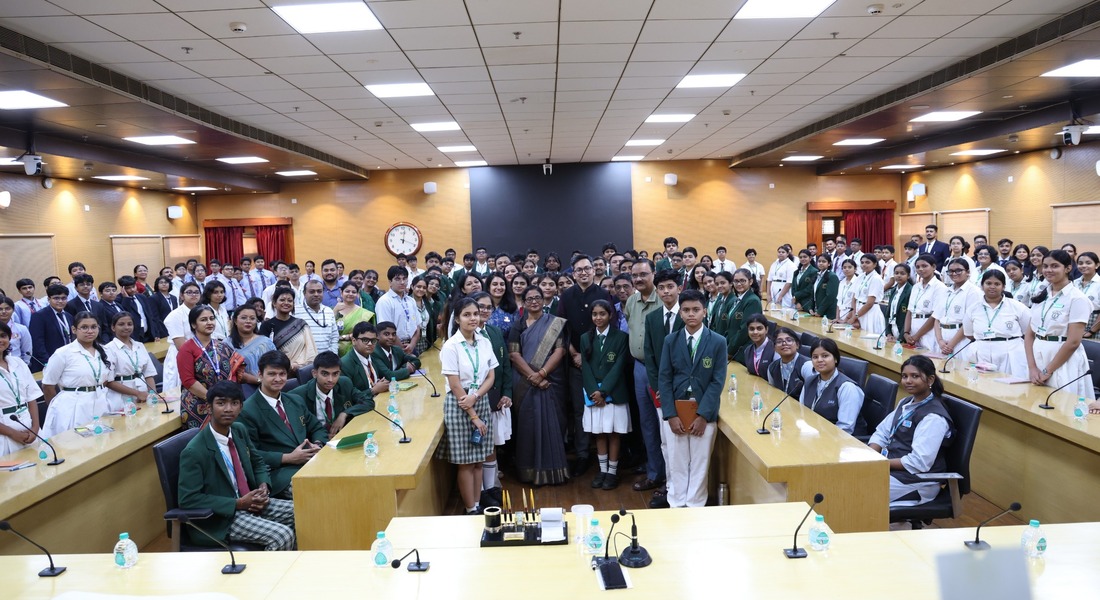
Bhubaneswar: Odisha Legislative Assembly Speaker Surama Padhy on Wednesday called upon students to actively participate in the democratic process and contribute to nation-building by becoming responsible citizens.

Addressing around 200 students from eight schools during an educational visit to the Odisha Legislative Assembly, Padhy said the House has a glorious history and rich tradition, and described the legislature as the “temple of democracy”.

The visit was organised by the Bhubaneswar chapter of the Confederation of Indian Industry (CII) under its Young Indians Parliament programme to familiarise students with the functioning and proceedings of the state legislature. Students from Classes IX to XII participated in the programme.

The Speaker said that while students learn about the functions, procedures and scope of Parliament and legislative assemblies as part of their academic curriculum, educational visits of this nature provide them with an opportunity to gain first-hand knowledge and a deeper understanding of legislative proceedings.

She stressed that today’s students would have an important role to play in the country’s democratic governance system in the future and encouraged them to come forward voluntarily to contribute to building the state and the nation.

Padhy also urged the students to develop themselves into responsible citizens and play their part in strengthening and enriching the democratic process. Such participation, she said, would contribute towards achieving the goals of a prosperous Odisha and a developed India.

Odisha Legislative Assembly Secretary Satyabrata Rout briefed the students about the functioning, activities and broader scope of the Assembly.

Students from Mother’s Public School, DPS Kalinga, ODM Public School, New Stewart School, Nalanda Public School, DPS Dhenkanal, KT Global School and Loyola School participated in the programme.

Chief Security Officer of the Assembly Gopal Chandra Behera was present on the occasion, while senior research officer Pradeep Kumar Kulu and research officers Jayakrushna Pradhan and Prashant Kumar Das helped conduct the programme.

Odisha signs MoU to boost Buddhist heritage, spiritual tourism

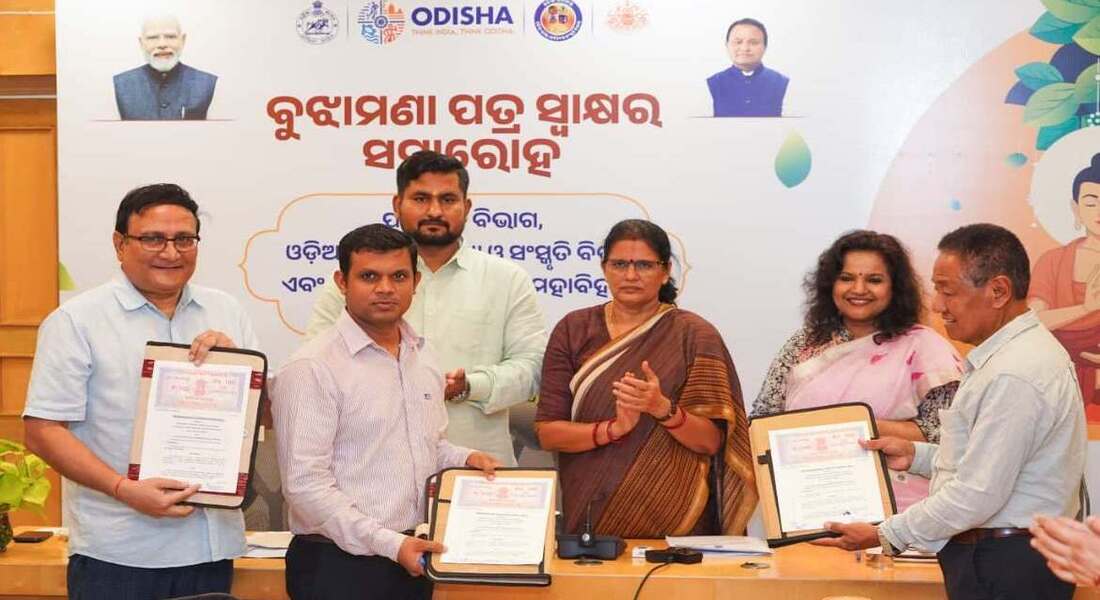
Bhubaneswar: The Odisha government on Wednesday signed a Memorandum of Understanding (MoU) with Guru Padmasambhava Baudh Mahavihara, Jirang, to strengthen the preservation and promotion of the state’s Buddhist heritage and position Odisha as a global destination for spiritual and cultural tourism.

The agreement was signed by the Department of Tourism and the Department of Odia Language, Literature and Culture at Lok Seva Bhawan in the presence of Deputy Chief Minister Pravati Parida, Minister Suryabanshi Suraj, Chief Secretary Anu Garg and His Eminence Gyetrul Jigme Rinpoche, president of Guru Padmasambhava Baudh Mahavihara.

Under the MoU, the government and the Mahavihara will collaborate to develop authentic spiritual and experiential tourism programmes, including meditation retreats, spiritual learning initiatives, monastic immersion experiences and pilgrimage activities.

The partnership also seeks to promote Buddhist scholarship through international conferences, research, academic collaborations and knowledge exchange. A major focus will be the integrated development of the Ratnagiri-Udayagiri-Lalitgiri-Jirang Buddhist Circuit as a world-class heritage, pilgrimage and cultural destination, with emphasis on conservation, visitor experience and sustainable tourism.

Speaking on the occasion, Deputy CM Parida said Odisha’s Buddhist heritage was one of the state’s greatest cultural assets and an important pillar of its tourism potential. She said the collaboration reflected the government’s commitment to preserving this legacy while creating authentic spiritual experiences for visitors from across the world.

She expressed confidence that the initiative would strengthen Odisha’s position as a leading international destination for Buddhist pilgrimage and cultural tourism.

Suryabanshi Suraj, who holds the portfolios of Odia Language, Literature and Culture, Sports and Youth Services, and Higher Education, described the agreement as a milestone for cultural preservation. He said Odisha’s Buddhist traditions represented a unique convergence of history, philosophy and living culture.

According to the minister, the partnership would not only help conserve the state’s invaluable Buddhist heritage but also encourage research, cultural exchange and greater public engagement with the legacy for future generations.

Chief Secretary Anu Garg said the institutional collaboration reflected the state government’s integrated approach to heritage conservation, cultural preservation and sustainable tourism. She congratulated the Tourism and Odia Language, Literature and Culture departments for undertaking the initiative.

Odisha is home to several significant Buddhist heritage sites, with Ratnagiri, Udayagiri and Lalitgiri forming the famed Diamond Triangle, while Jirang in Gajapati district is home to the Guru Padmasambhava Mahavihara. Through the new partnership, the state government aims to bring these destinations together within a stronger tourism and cultural framework while expanding opportunities for spiritual learning, scholarship and international engagement.

Delhi High Court to hear plea seeking urgent medical intervention for Sonam Wangchuk

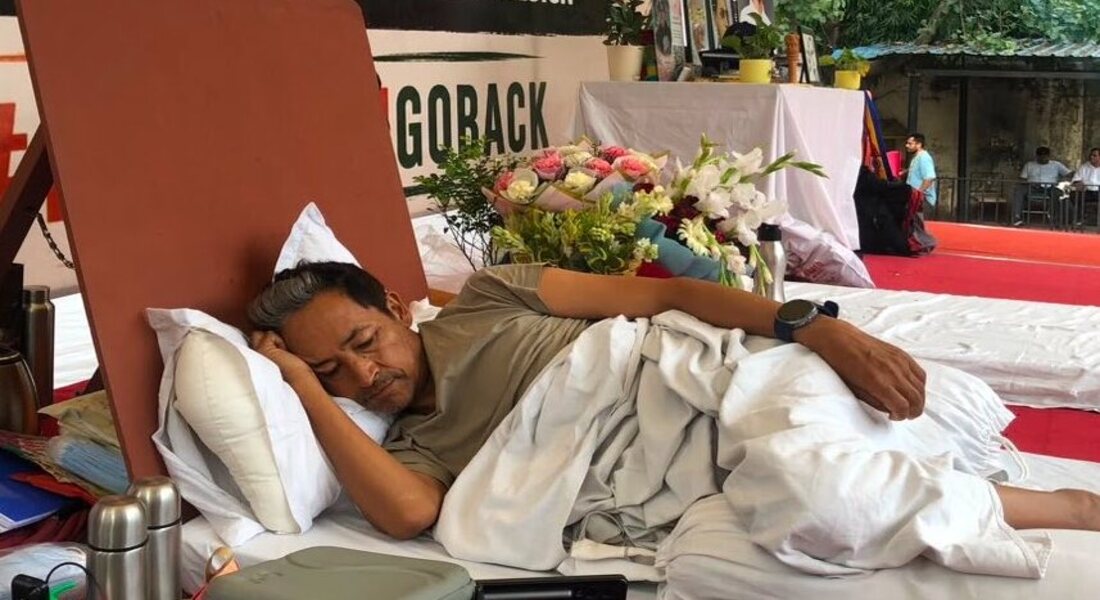
New Delhi: The Delhi High Court is set to hear a plea seeking urgent intervention to protect activist Sonam Wangchuk, with the petitioner claiming that he may not survive for more than two days if he continues his indefinite hunger strike, now in its 18th day.

According to media reports, the public interest litigation seeks directions for Wangchuk to be taken to a government hospital and provided essential nutrients, vitamins and minerals through a liquid diet. The plea alleges that the authorities have failed to respond adequately to his deteriorating health.

A bench comprising Chief Justice D.K. Upadhyaya and Justice Tejas Karia deferred the hearing until the following day after noting that no representative appeared for the authorities amid an ongoing work abstention called by the Delhi High Court Bar Association.

The court reportedly said it was entertaining the petition and would require the authorities to seek instructions on the matter. It also directed the registry to communicate the order to the authorities the same day.

The petition was filed by lawyer Rakesh Kumar Saini, who claimed that the 59-year-old activist had lost around 8.5 kg during his fast. The plea argued that peaceful protest in a public place is a fundamental democratic right and maintained that authorities should not allow a citizen to die of hunger without intervention.

According to media reports, the petitioner also accused the government of being insensitive to Wangchuk’s condition and argued that failure to act could have serious legal consequences. The plea sought immediate steps to ensure that he receives the nutrition necessary for survival.

Wangchuk has reportedly been on an indefinite hunger strike since June 28 after joining protests organised by the Cockroach Janta Party, which describes itself as a political platform of, by and for young people. He is demanding the resignation of Union Education Minister Dharmendra Pradhan over alleged irregularities in the NEET examination.

The Delhi High Court is expected to take up the matter on an urgent basis, with the petitioner’s claims about Wangchuk’s health and the request for medical intervention likely to be central to the hearing.

Indian Railways announces eight more reforms under Reform Express

New Delhi: Union Railways Minister Ashwini Vaishnaw on Tuesday announced eight more structural reforms under the ‘Reform Express’ initiative, taking the total number of reforms implemented so far to 17.

The measures are aimed at modernising freight transportation, improving logistics, simplifying project execution, promoting innovation and strengthening the railway ecosystem, according to an official statement.

Addressing a press conference at Rail Bhawan, Vaishnaw said the reforms are part of the Ministry’s target of implementing 52 reforms in 52 weeks to build a future-ready railway system.

He said the reforms introduced earlier under the initiative have already started delivering encouraging results.

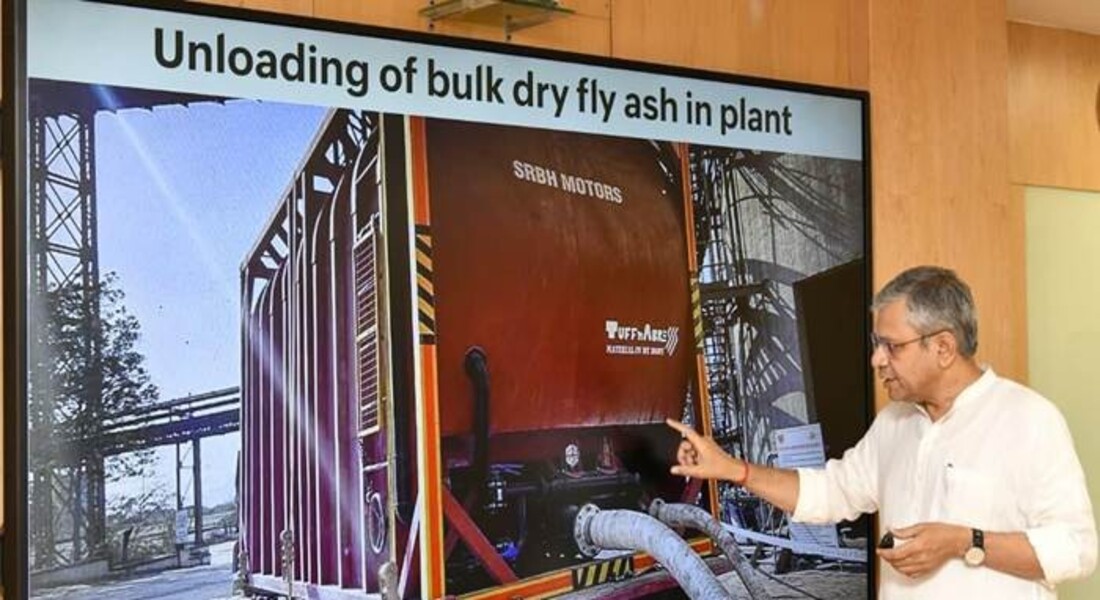
One of the major reforms focuses on fly ash transportation. India generates around 340 million tonnes of fly ash every year, while Indian Railways transported about 13 million tonnes during 2025-26.

To reduce dust pollution and improve logistics, the Railways has introduced a containerised transportation system using specially designed ISO-standard containers. The closed-container system will enable pollution-free loading, transportation, and unloading while improving storage and handling at cement plants.

Another reform simplifies the licensing framework for Container Train Operators. The existing four-category system has been replaced with a single Pan-India licence. Operators will now be able to run container trains across the railway network without category-based restrictions. A uniform non-refundable registration fee of Rs 25 crore has also been introduced. The Ministry expects the move to improve ease of doing business, encourage private participation, increase container traffic, and reduce logistics costs.

The government has also announced reforms in fertilizer transportation. Indian Railways currently handles nearly 85% of fertilizer movement in the country. Freight charges have been simplified with a per-tonne-per-kilometre tariff structure. Fertilizers can now also be transported through containers.

The move will allow phased unloading based on demand instead of detaining an entire rake until complete unloading. It is expected to improve wagon turnaround, protect fertilizers from weather damage, and strengthen distribution.

To improve the quality of railway infrastructure projects, Indian Railways has introduced a policy for skilling artisans engaged in railway works. Workers involved in specialised trades such as welding, fitting and masonry will undergo practical and oral assessments before receiving QR code-enabled skill certificates.

The programme will begin with major projects, including bridges and tunnels, before being expanded across all Zonal Railways and Production Units over the next 24 months.

The Ministry has also introduced another set of construction reforms to improve project execution. Contractors will now have to provide 10% Performance Security at the beginning of a project instead of deductions being made from running bills. Contractors with pending litigation exceeding 50% of their net worth will not be eligible to participate in railway tenders.

The reforms also introduce Contractor’s All Risk Insurance and Professional Indemnity Insurance to strengthen risk management during project execution. Indian Railways has also established a sequential land handover mechanism to reduce disputes and ensure timely execution of projects.

Vaishnaw also highlighted Rail Bhoomi, a web-based platform developed by the Centre for Railway Information Systems. The platform integrates several railway applications to streamline land acquisition, improve workflow management, and enable real-time monitoring of projects.

The final reform relates to wagon design approval. Under the new policy, designers, manufacturers, and industries will be allowed to develop specialised freight wagon designs based on specific commodities and operational requirements.

The Research Designs and Standards Organisation will evaluate the proposed designs before permitting prototype development. The prototypes will undergo detailed testing, field trials, safety certification, and approval by the Railway Board before being inducted into service.

Odisha government launches Gyanodaya scheme

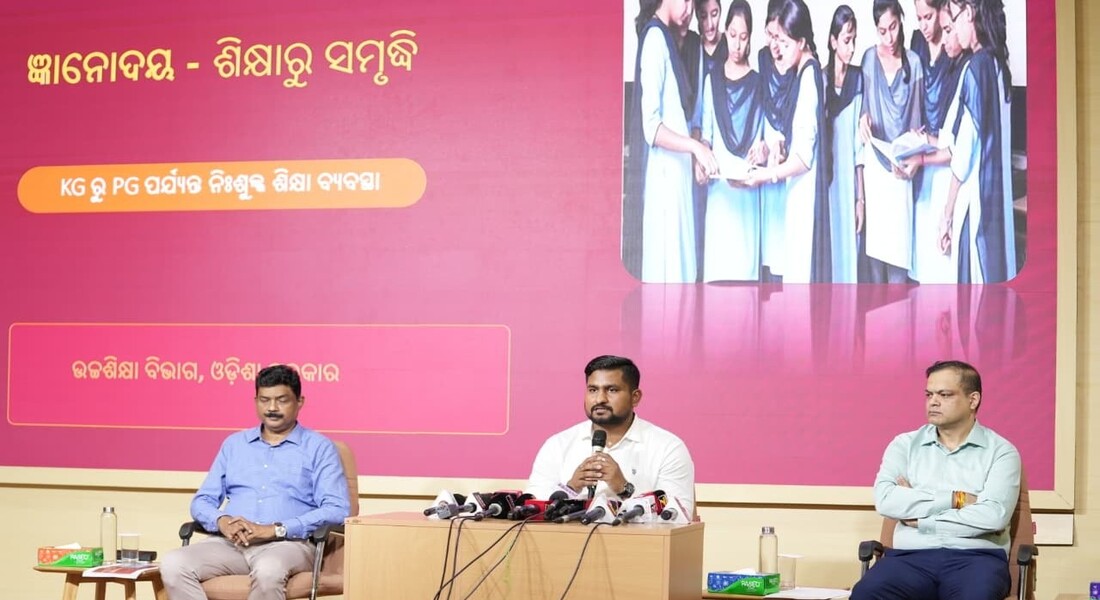
Bhubaneswar: The Odisha government on Tuesday announced the rollout of the ‘Gyanodaya – Shiksha Ru Samruddhi’ scheme, making regular undergraduate (UG) and postgraduate (PG) education free at eligible higher education institutions from the 2026-27 academic session.

Announcing the scheme at a press conference, Higher Education Minister Suryabanshi Suraj said that students enrolled in regular UG and PG courses at state government universities, government colleges, and grant-in-aid private colleges under the Higher Education Department will no longer have to pay admission, re-admission, or other institutional fees.

Under the scheme, the state government will bear all admission-related expenses directly, ensuring that educational institutions do not collect such fees from eligible students.

However, students will continue to pay examination fees. Those opting to stay in college hostels will also have to bear hostel charges.

To avail the benefit, students must secure admission to a regular UG or PG course through the Student Academic Management System. Beneficiaries are also required to maintain at least 75% classroom attendance.

The government said financial assistance under the scheme will be released to higher educational institutions in instalments. A State-Level Fee Regulation Committee will also be constituted to oversee fee-related matters.

Higher Education Department Commissioner-cum-Secretary Arabinda Agrawal, Director Kali Prasanna Mahapatra, and other senior officials were present at the press conference.

Governor Dr. Kambhampati pays tribute to Utkalmani Gopabandhu Das on 98th death anniversary

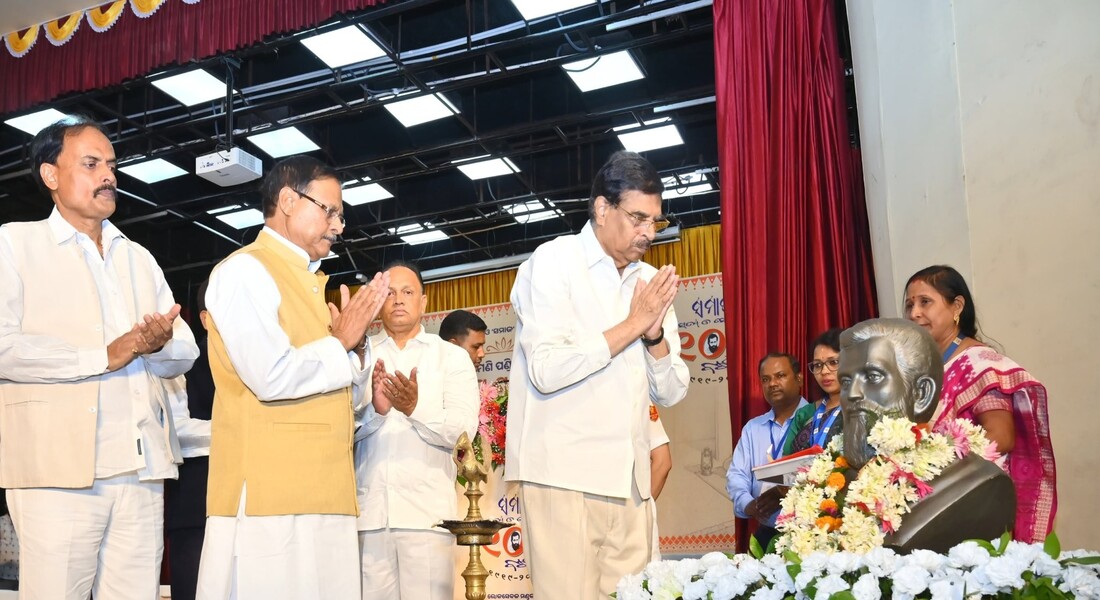
Bhubaneswar: Odisha Governor Dr. Hari Babu Kambhampati on Tuesday paid rich tributes to Utkalmani Pandit Gopabandhu Das on the 98th anniversary of his death.

Addressing a commemorative programme at Saheed Bhawan in Cuttack, Dr. Kambhampati described the revered leader as an illustrious architect of modern Odisha whose ideals of selfless service continue to inspire generations.

The governor said Gopabandhu Das belonged to a rare group of leaders whose contributions continue to inspire people across generations. Although he lived only 51 years, he left behind a lasting legacy of compassion, courage, character, and dedication to the nation and society.

He also highlighted Gopabandhu Das’ contributions as a freedom fighter, visionary legislator, and social reformer.

He recalled his role in the Non-Cooperation Movement, his efforts to unify Odia-speaking regions, the establishment of Satyabadi Bana Vidyalaya, and the founding of The Samaja as a platform for public awareness and ethical journalism.

He said Gopabandhu Das devoted his life to serving society through education, literature, journalism, and humanitarian work. His mission, the Governor said, was to build a just, enlightened, and self-reliant society.

Recalling the leader’s humanitarian spirit, the governor referred to the incident in which Gopabandhu Das chose to serve flood-affected people despite his own son being critically ill. The selfless act, he said, earned him the title of Utkalmani, or the Jewel of Odisha.

The governor also praised The Samaja for its more than a century-long commitment to credible and ethical journalism. He said the newspaper has earned the trust of generations and has played an important role in promoting informed public opinion and democratic values. He also appreciated the Servants of the People Society (Lok Sevak Mandal) for preserving and carrying forward Gopabandhu Das’ legacy.

During the programme, Dr. Kambhampati unveiled a special supplement titled ‘Gopabandhunka Shradha Sankhya’.

Among those present were The Samaja Printer and Publisher Rajendra Kumar Jena, SOPS Secretary Ram Nath Jha, SOPS Vice-President Deepak Malviya, and SOPS President Raj Kumar. The Samaja Editor Tapan Kumar Mishra delivered the welcome address, while General Manager Gopinath Barik proposed the vote of thanks.