Former Greater Manchester mayor to succeed Keir Starmer next week as Labour seeks to revive its fortunes amid economic challenges and declining public support.
New Delhi: Andy Burnham was officially elected leader of Britain’s governing Labour Party on Friday, paving the way for him to become the country’s next Prime Minister after Keir Starmer steps down next week.
Burnham emerged as the sole candidate in the Labour leadership contest after securing the backing of 379 of the party’s 403 Members of Parliament, according to media reports. His formal election as party leader clears the final hurdle before he takes office.
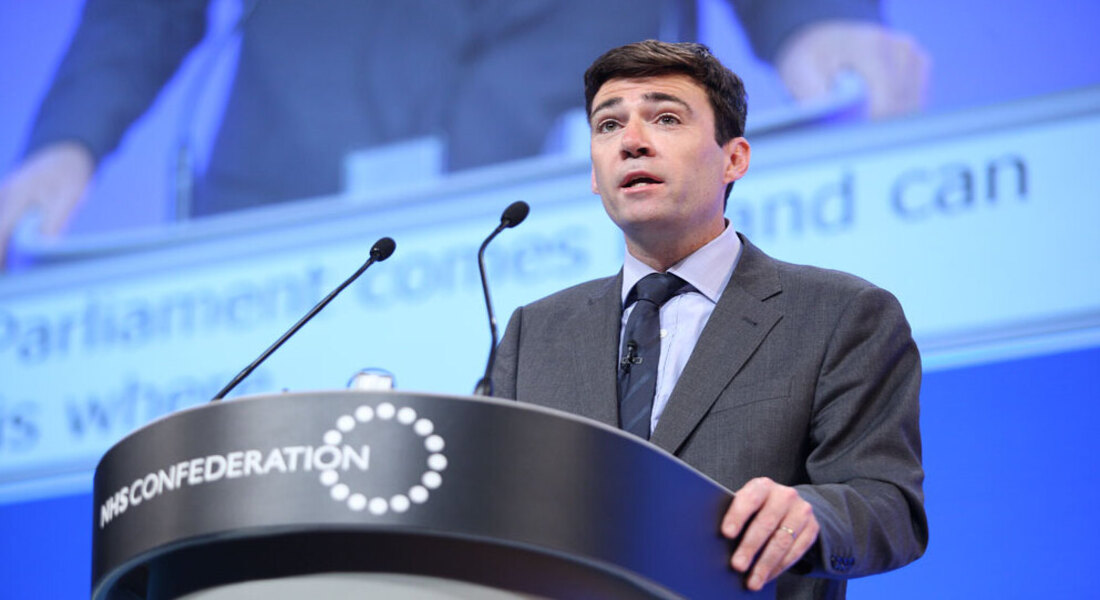
In his first speech as Labour leader, Burnham thanked party members for their support and pledged to restore optimism in British politics.
“We’re going to give them hope back,” he said, describing his election as both a proud and emotional moment while declaring that he was ready to lead the country.
Starmer, who announced his decision to resign last month following mounting pressure within the party, will remain Prime Minister until Monday, when he is expected to formally submit his resignation to King Charles III. The King will then invite Burnham to form a new government, in keeping with Britain’s parliamentary system.
A former Mayor of Greater Manchester, Burnham is widely regarded as one of Labour’s strongest communicators and is expected to bring a more relaxed leadership style than his predecessor. However, he takes office at a time when Britain faces significant economic and political challenges, including sluggish growth, a prolonged cost-of-living crisis driven in part by the wars in Ukraine and the Middle East, and mounting pressure on public services.
Outlining his vision, Burnham said his government would focus on economic renewal, creating modern industrial jobs and expanding public control in key sectors. He argued that Britain had taken “a series of wrong turns” during the 1980s through excessive privatisation and centralisation of political power, and pledged to address long-standing structural issues.
According to media reports, Burnham has also identified reforming social care as one of his top priorities, promising to improve access to services for elderly people and those living with illness or disabilities.
Starmer’s two-year tenure was marked by a series of political setbacks and declining public support. Labour has recently trailed the anti-immigration Reform UK party in opinion polls, while poor performances in local elections earlier this year intensified calls for a change in leadership.
Under the UK’s parliamentary system, a governing party can replace its leader—and consequently the Prime Minister—without holding a general election. The next UK general election is due by 2029.
Burnham will become Britain’s seventh Prime Minister since 2016, reflecting a period of frequent leadership changes in UK politics