At IndiaVerve, we go beyond the noise to bring you meaningful stories of change, resilience and progress—from India to the world stage. Our mission is to bring readers credible, wide-ranging coverage across politics, business, sports, culture, society and more.

Odisha CEO urges voters to verify electoral roll before August 4

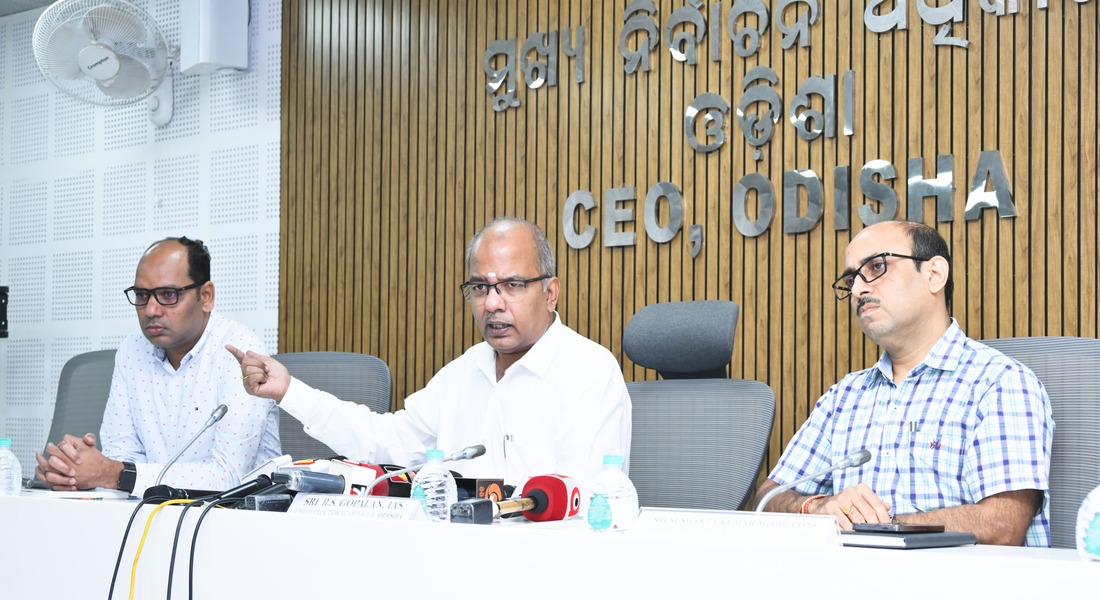
Bhubaneswar: Odisha Chief Electoral Officer (CEO) R.S. Gopalan on Tuesday urged eligible voters across the state to verify their details in the draft electoral roll and submit claims, objections or correction requests by August 4 as part of the ongoing Special Intensive Revision (SIR) of electoral rolls.

Addressing a press conference, Gopalan appealed to all eligible citizens to check their particulars in the draft electoral roll and, if required, submit applications through their respective Booth Level Officers (BLOs), the “voters.eci.gov.in” portal or the ECINET mobile application. He also highlighted the ongoing notice and hearing process and the special facilitation measures put in place for senior citizens, persons with disabilities (PwDs) and other vulnerable groups to ensure an inclusive and hassle-free revision exercise.

The CEO urged all electors to actively participate in the ongoing claims and objections phase and contribute towards preparing an accurate, transparent and error-free electoral roll.

According to the CEO’s office, the Election Commission of India has undertaken the Special Intensive Revision with July 1, 2026, as the qualifying date. The draft electoral roll was published on July 5, while the period for filing claims and objections will continue until August 4. The final electoral roll is scheduled to be published on September 6 after all claims and objections are disposed of.

Eligible voters whose names are missing from the draft electoral roll can apply for inclusion by submitting Form-6 along with the prescribed declaration during the ongoing revision period. Existing electors can use Form-8 to seek corrections in personal details or change of address, while Form-7 can be used to request deletion of names of deceased or otherwise ineligible persons. All these applications can also be submitted online through the voters.eci.gov.in portal or the ECINET app.

The CEO said Assistant Electoral Registration Officers (AEROs) are issuing notices to electors whose particulars contain discrepancies or do not match information available in the 2002 electoral roll. Such electors can attend hearings on the scheduled date and produce documents approved by the Election Commission in support of their claims. Wherever feasible, hearings are also being conducted through video calls to make the process more convenient for voters.

As per the latest figures released by the CEO’s office, 57,98,889 notices have been generated against a target of 58,36,341. Of these, 7,93,490 notices have been delivered, while 1,42,111 hearings have been conducted so far.

Special arrangements have also been made for senior citizens, persons with disabilities, sick and infirm individuals, and residents of remote or inaccessible areas. Such electors will generally not be required to appear in person, as Booth Level Officers will collect the necessary documents from their residences to facilitate convenient disposal of claims and objections.

The CEO’s office said Electoral Registration Officers will determine the eligibility of applicants after examining the submitted documents, following which the final electoral roll will be published on September 6. It appealed to all eligible citizens to make use of the available facilities and participate in the democratic exercise to help ensure an accurate, transparent and error-free electoral roll.
Health Minister reviews SCB expansion, fire safety measures; stresses quality execution

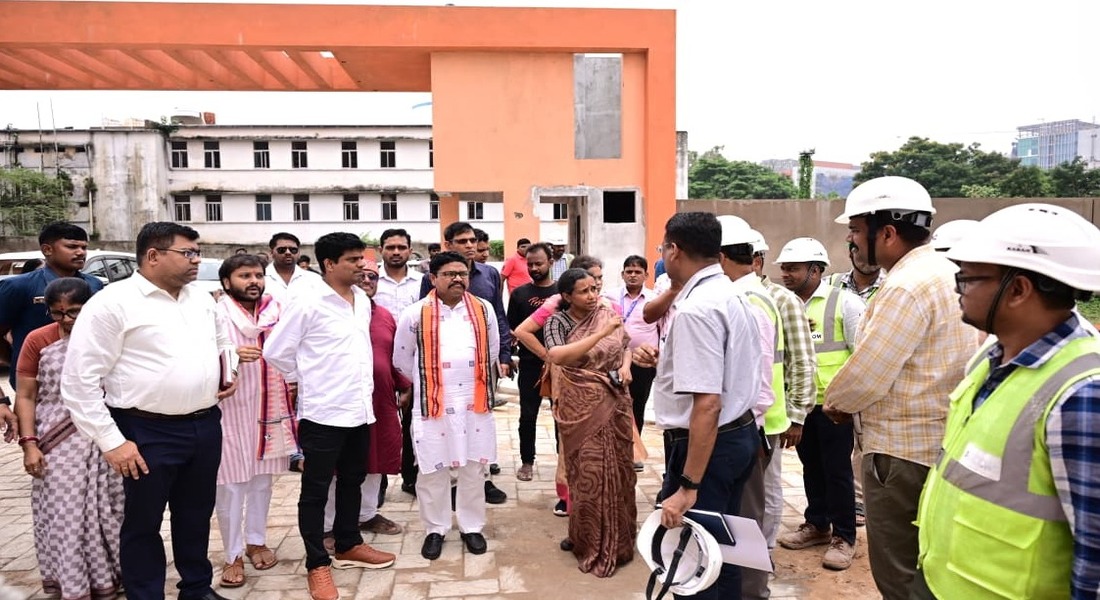
Bhubaneswar: Odisha Health and Family Welfare Minister Dr Mukesh Mahaling on Tuesday reviewed the progress of infrastructure development, fire safety measures and ongoing expansion projects at SCB Medical College and Hospital in Cuttack, directing officials to maintain the highest quality standards while completing the works on schedule.

During his visit, the minister inspected the under-construction hospital block, postgraduate (PG) hostel, hostel for resident doctors and residential quarters for assistant professors. He reviewed the progress of construction and discussed the quality of work with officials associated with the projects.

Dr Mahaling also assessed the fire safety preparedness across the hospital campus. He directed officials to ensure that every building is equipped with functional firefighting equipment, emergency exit routes, fire alarm systems and other essential safety infrastructure.

Emphasising that patient safety must remain the top priority, the minister instructed the authorities to conduct regular fire safety audits and mock drills to strengthen emergency preparedness at the state’s premier healthcare institution.

Reviewing the ongoing expansion works, Dr Mahaling said the state government is committed to building an advanced, modern and patient-friendly healthcare system. He noted that strengthening healthcare infrastructure and improving medical education at SCB Medical College and Hospital remain among the government’s key priorities.

He also directed officials to closely monitor the quality of construction at every stage to ensure that the upgraded facilities meet the highest standards.

The minister said the expansion projects are aimed at improving patient care, providing a better working environment for doctors and healthcare personnel, and enhancing educational and residential facilities for medical students. He added that the creation of modern infrastructure would further strengthen both healthcare delivery and medical education in Odisha.

Besides infrastructure projects, Dr Mahaling reviewed sanitation, patient amenities, water and electricity supply, traffic management and other support services within the hospital campus. He instructed officials to take immediate steps wherever required to ensure that patients and their attendants receive safe, efficient and comfortable services.

The visit was attended by Cuttack Sadar MLA Prakash Chandra Sethi, Choudwar-Cuttack MLA Souvic Biswal, Health and Family Welfare Department Commissioner-cum-Secretary Aswathy S., senior officials of SCB Medical College and Hospital, representatives of the executing agencies and other senior officials of the Health Department.

Global hunger declines for third year: UN report

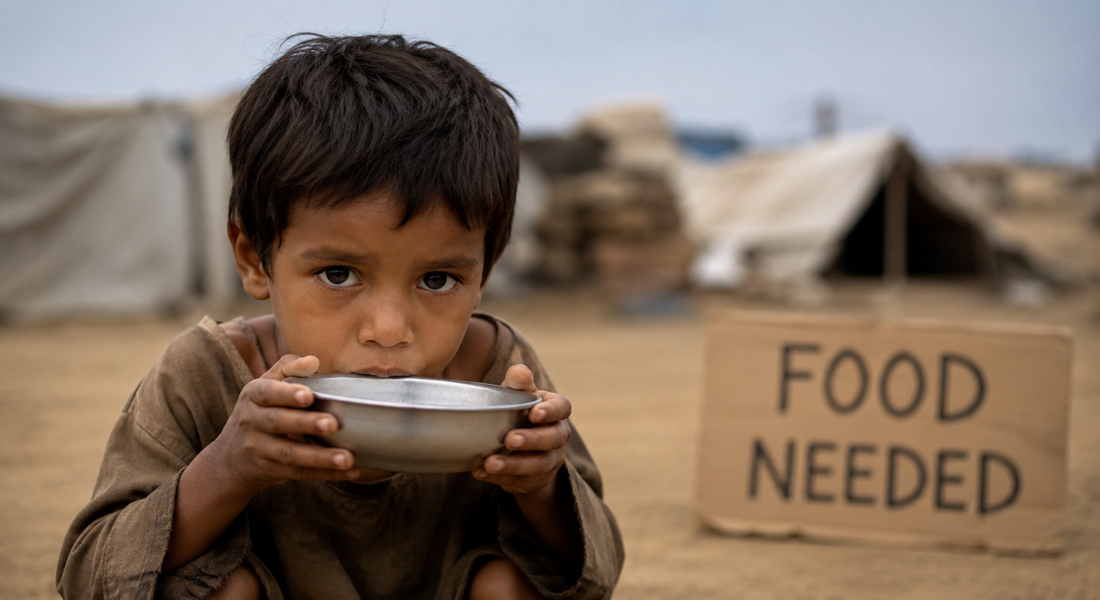
New Delhi: Global hunger declined for the third consecutive year in 2025, but nearly 645 million people remained undernourished, and the world is still off track to achieve the goal of ending hunger by 2030, according to a new report released on Tuesday by five UN agencies.

The State of Food Security and Nutrition in the World 2026 report estimated that 7.8% of the global population experienced hunger in 2025, down from 8.1% in 2024 and 8.6% in 2022. The number of people affected fell by nearly 14 million compared with the previous year and by 43 million from 2022, indicating a gradual recovery after recent global crises.

The report, jointly prepared by the Food and Agriculture Organization, International Fund for Agricultural Development, UNICEF, World Food Programme and the World Health Organization, said the gains were encouraging but remained fragile due to conflicts, climate-related shocks and declining international development and humanitarian assistance.

While Asia and Latin America and the Caribbean continued to record improvements in food security, Africa remained the worst-affected region. The continent accounted for about 309 million hungry people in 2025, exceeding Asia’s estimated 292 million. Although the proportion of Africans facing hunger declined marginally to 20% from 20.3% in 2024, rapid population growth kept the total number of undernourished people at the highest level worldwide.

The report also found that access to adequate food remains a major challenge. Around 2.1 billion people, or 25.8% of the world’s population, experienced moderate or severe food insecurity during 2025. Although this represented an improvement from recent years, the figure remained above pre-pandemic levels.

Food insecurity continued to vary widely across regions. More than half of Africa’s population faced moderate or severe food insecurity, compared with 20.3% in Asia, 22.9% in Latin America and the Caribbean, and 8.7% in North America and Europe.

Rural populations remained more vulnerable than urban communities, while women continued to experience higher levels of food insecurity than men, although the gender gap narrowed slightly.

The report warned that ongoing geopolitical conflicts could reverse recent gains. It projected that between 510 million and 520 million people could still face hunger by 2030 because of the impact of the Middle East conflict on food prices through rising energy and fertiliser costs. The projections do not account for additional risks such as extreme weather events, including El Niño, which could further worsen global food security.

Progress in improving nutrition also remained slow. The report said the world is unlikely to meet the 2030 targets for reducing child stunting, wasting, overweight and low birthweight, while improvements in exclusive breastfeeding remain insufficient. Anaemia among women aged 15 to 49 years continued to increase, and adult obesity rose from 12.1% in 2012 to 16.2% in 2024.

Globally, only 30.8% of children aged between six and 23 months receive a minimally diverse diet, while around 150 million children under the age of five continue to suffer from stunting. Child stunting has declined in Africa, and Asia is on track to meet its target by 2030, but anaemia among women remains a growing concern across most regions. Child overweight is also increasing rapidly in Oceania.

The report also highlighted the rising cost of healthy diets. It estimated that the average global cost of a healthy diet increased to 4.28 purchasing power parity dollars per person per day in 2025, up from 3.44 PPP dollars in 2021. Even so, the number of people unable to afford a healthy diet declined from 2.97 billion in 2021 to 2.69 billion in 2025.

The report concluded that recent improvements demonstrate progress is achievable, but warned that ending global hunger will require stronger political commitment, sustained investment and coordinated international action.

It said conflicts, climate shocks and funding shortfalls continue to threaten the gains made so far and could delay efforts to achieve the Sustainable Development Goals by 2030.

Two Odisha players named in India squad for Hockey World Cup 2026

Bhubaneswar: Two hockey players from Odisha have been included in the 20-member Indian men’s squad for the upcoming FIH Hockey World Cup in Belgium and the Netherlands 2026, to be held from August 15 to 30.

According to Hockey India, defender Amit Rohidas and forward Shilanand Lakra will represent India in the prestigious tournament.

While announcing the squad, Chief Coach Craig Fulton said it is a well-balanced team with the right mix of experienced players and in-form youngsters who have earned their places through performance rather than reputation.

Ace defender and drag-flicker Harmanpreet Singh will lead the side as captain.

Fulton added: “Press, counter, perform isn’t just our tactical identity – it’s how this group trains and thinks together every single day. We are not getting ahead of ourselves – one game at a time, all in, is the mentality we’re taking into every match.”

India have been drawn in Pool D alongside Wales, England and Pakistan. The team will play all its group-stage matches in Amstelveen, Netherlands, Hockey India said.

India will begin their campaign against Wales on August 15. Two days later, they will take on England before facing arch-rivals Pakistan on August 19.

Complete squad: Goalkeepers: Mohith HS, Suraj Karkera
Defenders: Jarmanpreet Singh, Harmanpreet Singh (c), Amit Rohidas, Jugraj Singh, Sanjay, Sumit, Yashdeep Siwach
Midfielders: Rajinder Singh, Aditya Arjun Lalage, Hardik Singh, Manpreet Singh, Nilakanta Sharma, Vivek Sagar Prasad
Forwards: Dilpreet Singh, Shilanand Lakra, Sukhjeet Singh, Mandeep Singh, Abhishek

Delhi HC allows Wangchuk’s transfer to Medanta; Rahul Gandhi escalates attack on Centre

New Delhi: In a significant development amid the ongoing protests over the alleged NEET-UG paper leak, the Delhi High Court on Tuesday permitted activist Sonam Wangchuk to be shifted from Safdarjung Hospital to Medanta Hospital in Gurugram, observing that his concerns over treatment could not be ignored.

A Division Bench comprising Chief Justice D.K. Upadhyaya and Justice Tejas Karia directed that Wangchuk be immediately transferred to the private hospital of his choice and said a team of competent doctors would continue to monitor his health. The court observed that the move was necessary to protect his fundamental rights.

The order came on an appeal filed by Wangchuk’s wife, Gitanjali J. Angmo, challenging an earlier order of a single-judge Bench that had declined immediate relief. Soon after the verdict, Angmo thanked the Delhi High Court in a post on X, saying she was grateful that her husband would now receive treatment at the hospital chosen by the family.

Wangchuk has been on an indefinite hunger strike as part of the Cockroach Janta Party’s (CJP) agitation demanding accountability over the alleged NEET-UG paper leak. He was shifted to Safdarjung Hospital by Delhi Police after his health deteriorated during the fast and has maintained that he was being kept there against his wishes.

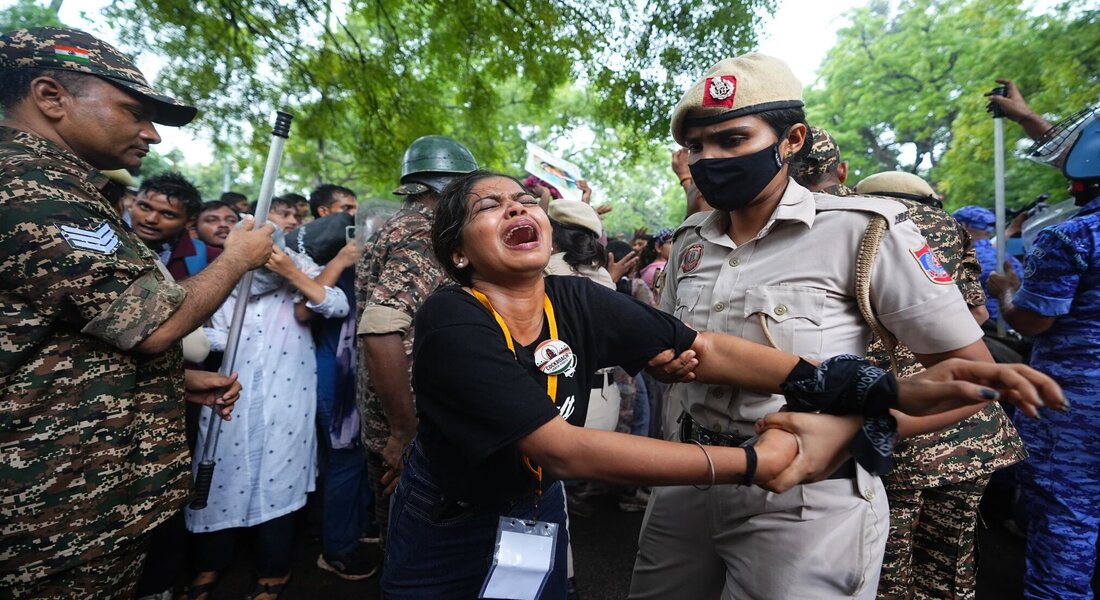
The High Court’s order came a day after thousands of students and youth supporters participating in the CJP’s “Sansad Chalo” march were dispersed by Delhi Police using lathi-charge and tear gas after protesters attempted to march towards Parliament despite prohibitory orders. According to media reports, scores of protesters were injured during the crackdown, while Delhi Police said more than 100 of its personnel were also injured in the violence.

The police action has triggered a sharp political confrontation, with the Congress accusing the Centre of suppressing peaceful student protests.

Leader of Opposition Rahul Gandhi on Tuesday questioned Prime Minister Narendra Modi’s silence over the incident and demanded that he apologise to the injured students.

“Why is the Prime Minister silent? He hasn’t even apologised to the students who were beaten by the police. He should speak up and end this nonsense,” Gandhi told reporters outside Parliament.

Earlier in the day, Gandhi met Lok Sabha Speaker Om Birla along with Opposition MPs and sought a detailed discussion in Parliament on the police action and the examination crisis. In a post on X, he said Parliament must debate what he described as the “brutality unleashed on students” and the government’s “complete lack of accountability” over repeated examination irregularities.

Later, Rahul Gandhi and Congress MP Priyanka Gandhi Vadra visited students injured in Monday’s police action at Delhi’s Ram Manohar Lohia (RML) Hospital.

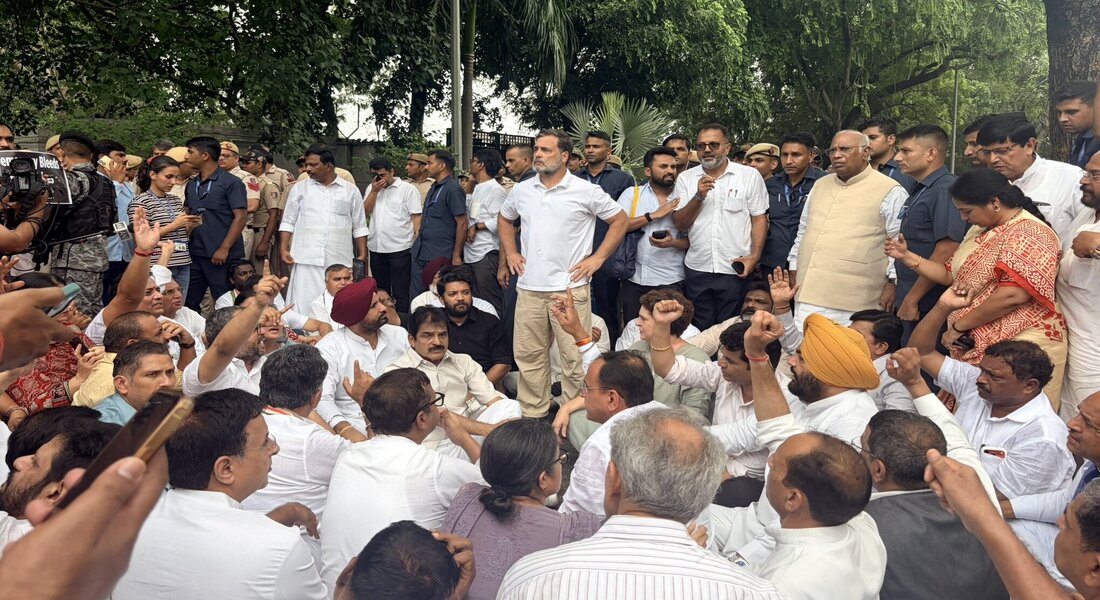
Escalating its protest, the Congress, led by Rahul Gandhi, party president Mallikarjun Kharge and Priyanka Gandhi, marched from Kharge’s residence towards Prime Minister Narendra Modi’s official residence, demanding accountability for the police action and seeking a discussion in Parliament.

In another post on X, Gandhi said the government was unwilling either to take responsibility for the alleged police excesses or allow a debate in Parliament. He also demanded the resignations of Prime Minister Modi and Union Home Minister Amit Shah.

The Delhi Police deployed additional personnel near Lok Kalyan Marg and detained several Congress workers during the protest. While the BJP accused the Congress of compromising the Prime Minister’s security, Congress leaders maintained that their demonstration was peaceful.

Congress president Mallikarjun Kharge also demanded an immediate discussion in Parliament and called for the resignation of Union Education Minister Dharmendra Pradhan, questioning why students seeking justice were met with “brutal lathis and tear gas”.

Responding to the growing controversy, Parliamentary Affairs Minister Kiren Rijiju said Prime Minister Modi, during the NDA Parliamentary Party’s ‘Mangal Milan’ meeting, had called for the strictest possible punishment for those responsible for the alleged NEET paper leak. According to Rijiju, the Prime Minister also stressed the need for a foolproof examination system and described preventing paper leaks as a national responsibility.

The developments come as protests led by the CJP continue to gather political support, with Opposition parties seeking to keep the issue alive both inside Parliament and on the streets.

India summons Russian envoy after four Indians killed in ship attack

India on Tuesday summoned the Russian Chargé d’Affaires, Vladimir Ladanov, following the death of four Indian crew members in an attack on a Guinea-Bissau-flagged merchant vessel off the coast of Ukraine.

The Ministry of External Affairs lodged a strong protest, saying the “loss of innocent civilian lives is unacceptable.”

In a press release, it said: “The Ministry conveyed India’s grave concerns and unequivocal condemnation of the attack on the commercial vessel MV Golden Leo on 19 July 2026, which resulted in the tragic loss of four Indian lives, emphasizing that such attacks undermine the safety, security, and stability of international maritime commerce.”

It added: “The Russian Chargé d’Affaires was requested to convey India’s strong concerns to his authorities that the targeting of commercial shipping and the resulting loss of innocent civilian lives are unacceptable and must be avoided.”

According to the ministry, the Indian Embassy in Ukraine is actively monitoring the situation while coordinating support for those affected.

According to reports, there were 17 crew members, including five Indian nationals, when Russia attacked the civilian vessel navigating Ukraine’s maritime corridor.

The Ukrainian Air Force said the vessel was hit by Russian cruise missiles.

Eastern states resolve to boost coordination against organised crime in Bhubaneswar meet

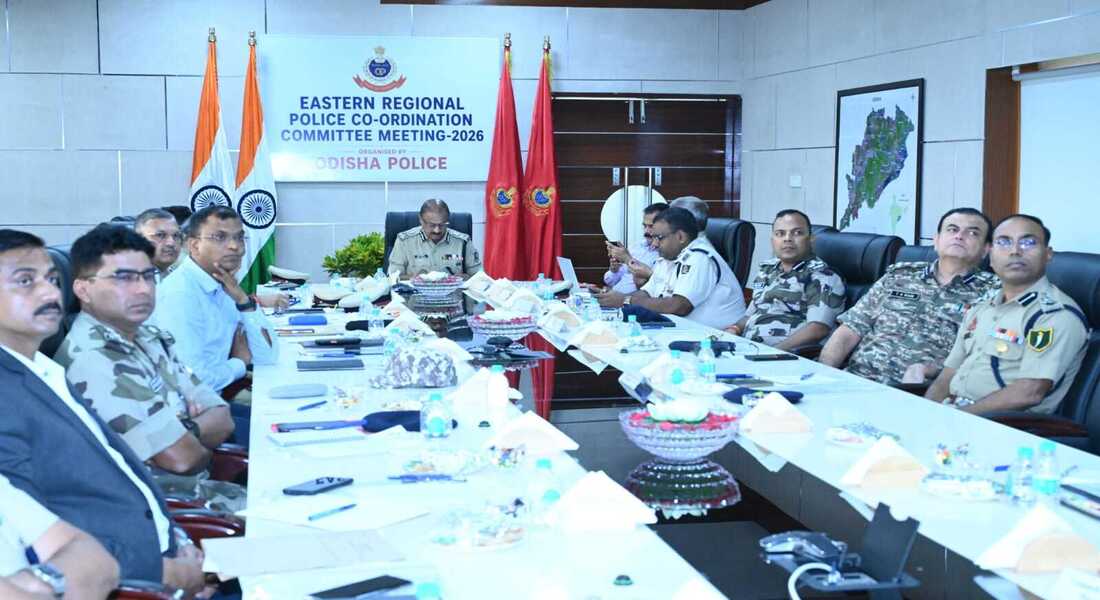
Bhubaneswar: Senior police officials from five eastern states on Tuesday resolved to strengthen inter-state coordination to tackle organised crime, Left-Wing Extremism (LWE) and emerging security threats at the Eastern Regional Police Coordination Committee (ERPCC) meeting held in Bhubaneswar.

The high-level meeting, organised under the aegis of the Ministry of Home Affairs, Government of India, was chaired by Odisha Director General of Police (DGP) Yogesh Bahadur Khurania. It was attended by the Directors General of Police of Bihar, West Bengal, Chhattisgarh and Jharkhand, along with senior officers from the Central Armed Police Forces (CAPFs), Central Police Organisations (CPOs) and other participating states.

Welcoming the delegates, DGP Khurania thanked the Ministry of Home Affairs for entrusting Odisha Police with the responsibility of hosting the regional coordination forum. He said such collaborative platforms play a vital role in strengthening operational synergy, fostering mutual trust and reinforcing the country’s internal security architecture.

In his inaugural address, Khurania said challenges such as organised crime, cybercrime, narcotics trafficking, human trafficking and Left-Wing Extremism transcend state boundaries and require a coordinated, technology-driven and intelligence-led response.

He stressed that no state can effectively address these threats in isolation and called for continuous intelligence sharing, seamless exchange of information, adoption of advanced technology and closer inter-state cooperation to counter increasingly sophisticated criminal and extremist networks.

The day-long meeting focused on a range of strategic security issues, including monitoring and rehabilitation of surrendered Left-Wing Extremists, coordinated measures to curb inter-state narcotics trafficking, strengthening cooperation to combat cybercrime through real-time intelligence sharing, expediting the transfer and investigation of Zero FIRs, enhancing railway security and developing a unified strategy to tackle illegal infiltration.

The participating states also discussed measures to intensify joint operations against inter-state criminal networks, improve policing in border areas and promote technology-enabled, intelligence-based policing.

The member states unanimously agreed to institutionalise regular ERPCC meetings to review progress, exchange best practices, address emerging security concerns and further strengthen operational coordination among participating states and central agencies.

Concluding the meeting, DGP Khurania expressed confidence that the decisions and recommendations emerging from the deliberations would enhance inter-state cooperation, strengthen law enforcement capabilities and provide a robust framework for addressing complex security challenges across eastern India.

Among those present were DGP, CID-Crime Branch, Vinaytosh Mishra; Director, Intelligence, R.P. Koche; ADGP (ANO) Sanjeeb Panda; ADGP (Railways and Coastal Security) Arun Bothra; ADGP (Headquarters) Prateek Mohanty, besides senior officers from the participating states, CAPFs, CPOs and other central agencies.

Balasore receives Rs 250 crore for fisheries development since 2014

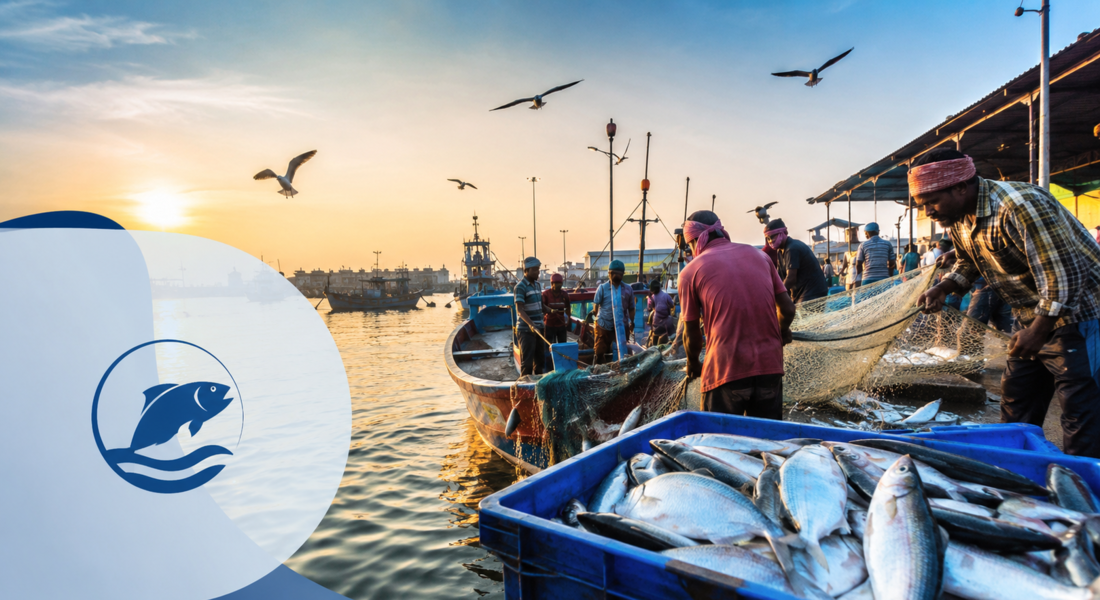
Bhubaneswar: Balasore district has received an allocation of Rs 250.71 crore under various fisheries development schemes since 2014-15, of which Rs 214.45 crore, or 86%, has been utilised, according to the Union Ministry of Fisheries, Animal Husbandry and Dairying.

The ministry said the funding has supported infrastructure development, aquaculture expansion and fish production under schemes including the Blue Revolution and the Pradhan Mantri Matsya Sampada Yojana (PMMSY).

Fisheries, Animal Husbandry and Dairying Minister Rajiv Ranjan Singh alias Lalan Singh informed the Lok Sabha in response to a question asked in the House.

Among the major projects implemented in the district are the development of the Chandipur Fishing Harbour at a cost of Rs 49.94 crore and a state-of-the-art wholesale fish market at Basta built at Rs 78.20 crore, according to an official statement.

Other initiatives include the development of five climate-resilient coastal fishermen villages, installation of six cold storage and ice plant units, demonstration of sea cage culture of Indian pompano at the Bahabalpur coast, development of 107 hectares of brackish-water aquaculture, and establishment of three finfish hatcheries and one scampi hatchery.

The Ministry said Balasore has also been declared the Production and Processing Cluster for scampi.

At the State level, the Department of Fisheries has approved projects worth Rs 1,567.96 crore under the Blue Revolution and PMMSY since 2014-15, including a Central share of Rs 549.58 crore, for fisheries and aquaculture development across Odisha.

Under the Fisheries and Aquaculture Infrastructure Development Fund, 13 projects worth Rs 784.32 crore have been approved for Odisha, including two projects valued at Rs 8.26 crore in Balasore district.

The Ministry also noted that the Odisha Government is implementing the Mukhyamantri Matsyajibi Kalyan Yojana to support fisheries and aquaculture development across the State, including Balasore.

Odisha Prison Board reviews security, inmate welfare reforms

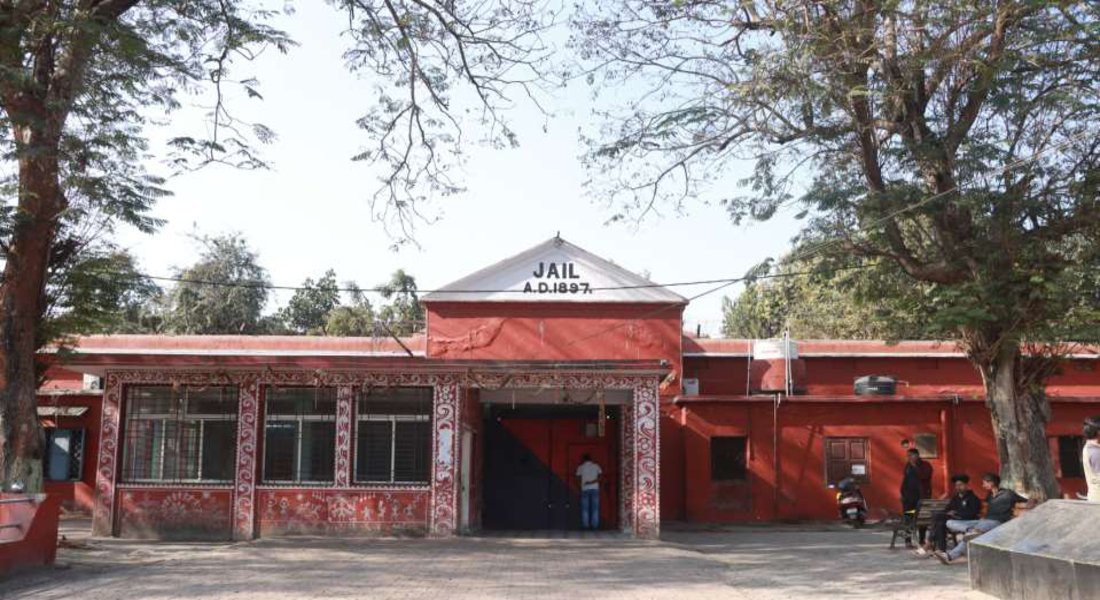
Bhubaneswar: The Odisha Prison Development Board (PDB) on Tuesday reviewed a series of security and inmate welfare initiatives, including the installation of AI-based CCTV surveillance in 20 jails, expansion of prison infrastructure and measures aimed at rehabilitation and reintegration of prisoners.

The fourth meeting of the PDB, chaired by Chief Secretary Anu Garg, discussed steps taken by the Directorate of Prisons and Correctional Services over the past year to strengthen prison security and improve living conditions for inmates.

The Board reviewed the installation of AI camera-based CCTV systems with video analytics in 20 jails. It also examined measures to strengthen prison security through higher perimeter walls with concertina wire, modern surveillance equipment and enhanced prison intelligence units.

Officials discussed the use of drones, body-worn cameras, handheld and door-frame metal detectors, deep search metal detectors and non-linear junction detectors to detect concealed mobile phones.

The meeting also reviewed the implementation of telephone facilities for inmates as per the Prison Manual, allowing two calls of four minutes each every week.

The Board noted that periodic security audits, surprise inspections by senior prison officials and law enforcement agencies, and disciplinary action against lapses have been strengthened.

On inmate welfare, the meeting reviewed the appointment of 118 yoga trainers across 74 jails and 61 mental health counsellors in 36 prisons. It also discussed the installation of 96 micro-industries to engage inmates in productive work and vocational training provided to 1,636 prisoners during 2025.

The Board also reviewed initiatives to standardise and brand prison-made products, develop a medicinal plantation project at the Open Air Jail in Jamujhari, and improve legal assistance for inmates. During the period, 2,418 appeal petitions and 256 special leave petitions were filed on behalf of prisoners.

Officials said 218 inmates completed educational programmes ranging from matriculation to postgraduate courses through NIOS, IGNOU and Odisha State Open University during 2025-26.

The meeting also discussed the construction of new model prisons in Bhubaneswar, Jajpur and Bhadrak, enhancement of prison staff strength, opening of more open-air jails and measures to improve prisoners’ living conditions, including diet, drinking water, wages, de-addiction facilities and mental healthcare.

Director General of Prisons, Additional Chief Secretary, Home, and senior secretaries of various departments attended the meeting.

CJP vows to continue protest as police, students trade allegations after Parliament march crackdown

New Delhi: A day after the Delhi Police’s crackdown on the Cockroach Janta Party’s (CJP) “Sansad Chalo” march, the student-led organisation on Tuesday vowed to continue its agitation, accusing the police of using excessive force against peaceful protesters, even as the Delhi Police maintained that its personnel had come under attack during the protest.

The protest, which began as a march towards Parliament demanding the resignation of Union Education Minister Dharmendra Pradhan over the alleged NEET-UG paper leak, witnessed scenes of violence on Monday after police used lathi-charge and tear gas to disperse demonstrators who attempted to breach security barricades despite prohibitory orders.

Videos widely shared on social media showed injured students, many with bleeding head injuries, alleging that they were beaten by police personnel. The visuals triggered widespread criticism from opposition leaders, activists and civil society groups.

In an emotional post on X, CJP founder Abhijeet Dipke on Tuesday apologised to the protesters who were injured during the police action, particularly women participants.

“I apologise to all our supporters, especially the girls who were brutally beaten by male police officers. We could have done better. I could have done better to protect you from the inhumane actions of the Delhi Police,” Dipke wrote.

He further alleged that “to protect one Dharmendra Pradhan, who is responsible for the deaths of more than 20 students, the government was willing to spill the blood of many more young students.” Dipke appealed to injured protesters to contact him personally, promising that the movement would continue.

The CJP also alleged that several students sustained injuries during the crackdown and claimed that activist Sonam Wangchuk’s wife, Gitanjali J. Angmo, was pushed and manhandled by police while attempting to protect protesters. The organisation has continued its sit-in near Kerala House after police dismantled the protest stage at Jantar Mantar.

Delhi Police rejected the allegations and maintained that “no individuals were subjected to targeted assault” during the operation.

Meanwhile, Sonam Wangchuk, who remains admitted to Safdarjung Hospital after being shifted there following a deterioration in his health during his indefinite hunger strike, said he would continue his fast despite the Centre initiating talks with CJP representatives.

In a handwritten note, Wangchuk accused the police of “brutality” against peaceful protesters and said, “Seeing the brutality with which peacefully protesting youth are being dealt with, I have decided to continue my fast until the youth leaders are allowed to meet the Parliamentarians at the Sansad Bhawan or I am allowed to meet them here at the hospital.”

“I am touched and moved by how the youth have held on to peace despite provocation. I appeal to the Government and Police force to resolve the issue by simply allowing the students to present their grievances before the Parliament,” he wrote further.

The Delhi Police, however, presented a sharply different account of Monday’s events. In an official statement, it said more than 118 police personnel, including several senior officers, were injured and around 70 protesters were detained after the demonstration turned violent.

According to the police, protesters displayed “unruly, aggressive and violent behaviour”, attacked security personnel, damaged government vehicles and public property, and repeatedly violated prohibitory orders despite repeated warnings to disperse.

The CJP has disputed the police’s version, insisting that the demonstration was peaceful until security personnel intervened. The organisation alleged that excessive force was used against unarmed students and youth protesters exercising their democratic right to protest.

The protest movement has now entered a new phase, with CJP leaders including Dipke, Ashutosh Ranka and Saurav Das continuing their sit-in near Kerala House. The organisation has reiterated that it will not withdraw its agitation until its key demands—including the resignation of Education Minister Dharmendra Pradhan, the release of Sonam Wangchuk and accountability for the alleged NEET-UG paper leak—are addressed.

As competing narratives continue to emerge over Monday’s violence, demands for an impartial inquiry into the police action have also gained momentum, with opposition leaders and rights activists questioning the use of force against students, while the police maintain that their actions were necessary to enforce prohibitory orders and restore public order.