At IndiaVerve, we go beyond the noise to bring you meaningful stories of change, resilience and progress—from India to the world stage. Our mission is to bring readers credible, wide-ranging coverage across politics, business, sports, culture, society and more.

India unveils first-ever guide to grasslands, open ecosystems at UNCCD COP17

New Delhi: India released its first-ever Guide to Grasslands and Other Open Natural Ecosystems (ONEs) at the 17th Conference of the Parties (COP17) to the UN Convention to Combat Desertification (UNCCD), held in Ulaanbaatar, Mongolia, on Monday.

The publication documents the ecological wealth and socio-economic value of India’s grasslands, savannas, deserts and other open ecosystems, and is being seen as a key step towards their conservation and sustainable management, according to an official statement.

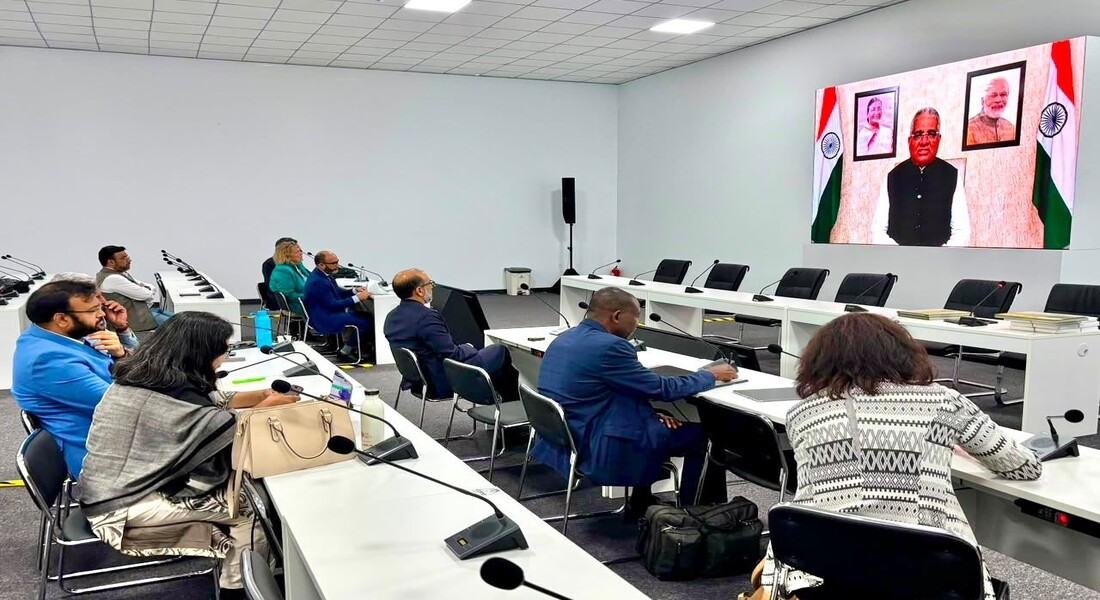
Union Environment Minister Bhupender Yadav addressed the launch through a video message. He said grasslands, scrublands and ravines have long been dismissed for lacking tree cover, even though they support unique species and pastoral communities found nowhere else.

He noted that scientific research is now confirming what local communities have long known – that healthy grasslands are essential for biodiversity, livelihoods and climate resilience.

Yadav said the initiative held personal significance for him, having grown up in Ajmer, Rajasthan, amid grazing lands and desert scrub often labelled as wasteland.

The minister pointed to the traditional Oran or gauchar systems, through which villages have historically protected such lands, as evidence that communities have always recognised the link between land, livestock and survival.

He called the Guide a significant move towards formally acknowledging India’s open ecosystems and said their conservation must be pursued with the same scientific rigour applied to forests.

The launch event was organised by the Ashoka Trust for Research in Ecology and the Environment, under the guidance of the Ministry of Environment, Forest and Climate Change, in partnership with the International Union for Conservation of Nature, the Centre of Excellence on Sustainable Land Management, the Indian Council of Forestry Research and Education, and ISRO’s Space Applications Centre.

It drew participation from government bodies, research institutions, international agencies, and civil society groups.

Sessions at the event examined the spread and ecological role of India’s grasslands and ONEs, and their contribution to meeting the country’s Land Degradation Neutrality goals. Speakers also called for better scientific data, improved degradation assessments and stronger landscape-level planning.

The Guide catalogues India’s major open ecosystems – from Himalayan and Terai grasslands to the Thar and Banni landscapes, Deccan savannas, rocky plateaus, ravines, scrublands, coastal belts and desert regions – detailing their geography, biodiversity and the communities that depend on them.

It also includes dedicated sections on pastoralism, fire ecology and carbon sequestration, noting that these ecosystems store significant amounts of soil carbon and underpin pastoral, livestock and agricultural livelihoods.

Two fireside conversations at the event brought together Indian and international experts, researchers and civil society representatives to discuss dryland restoration, community-led rangeland governance, and the policy and institutional support needed for large-scale conservation of ONEs.
Kalinga Stadium all set for World Athletics Continental Tour Silver Meet

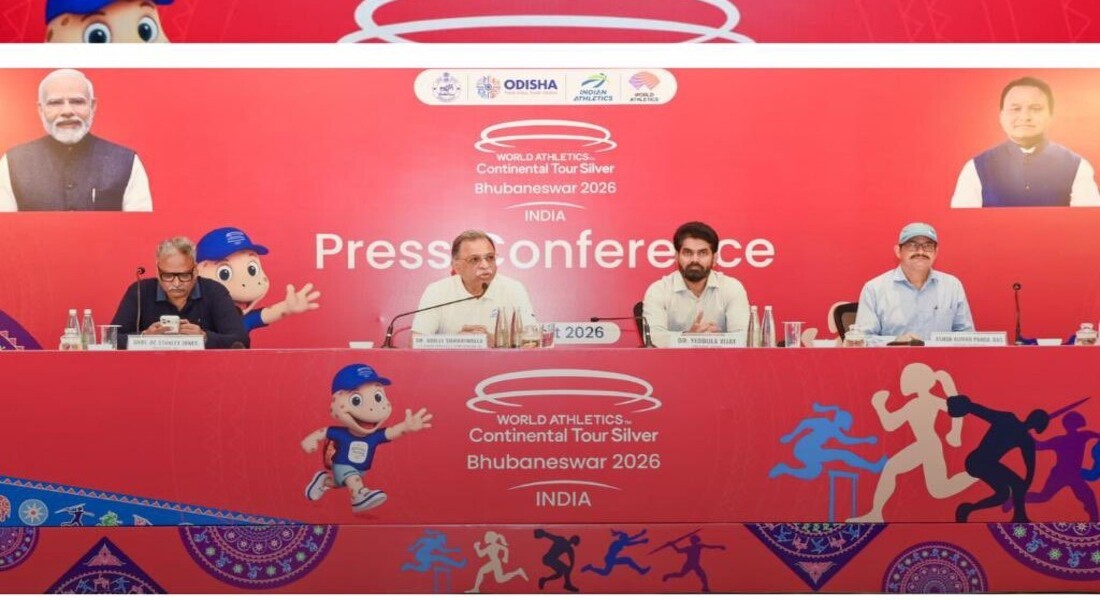
Bhubaneswar: Odisha is set to solidify its status as a global sports powerhouse, with Kalinga Stadium in Bhubaneswar hosting the World Athletics Continental Tour Silver Meet on August 22.

The single-day event has been organized by the Sports and Youth Services Department, government of Odisha, in collaboration with the Athletics Federation of India (AFI) and under the aegis of World Athletics.

Addressing a pre-event press conference in Bhubaneswar, Dr. Vijay Yeddula, Director of Sports for the government of Odisha, said stepping up to a Silver-level Continental Tour event was a major milestone for the state, cementing Odisha’s position as India’s premier athletics hub.

He said entry to Kalinga Stadium would be completely free for all spectators, to inspire young children and give families a chance to witness world-class sporting action firsthand.

Dr. Adille Sumariwalla, Vice President of World Athletics and AFI spokesperson, thanked the Odisha government for upgrading the meet from Bronze to Silver level.

He said the presence of 36 top-50 athletes would make the competition extraordinarily competitive and serve as a strong warm-up event before athletes head to Japan for their next major international assignment.

Ashok Kumar Panda, Special Secretary, DSYS, and BE Stanley, Treasurer, AFI, were also present at the press interaction.

The meet marks an upgrade from its Bronze-level status last year. It will serve as a precursor to the World Athletics Indoor Championships and Asian Indoor Athletics Championships, both scheduled to be hosted at Kalinga Stadium in 2028. Under Chief Minister Mohan Charan Majhi’s leadership, the state said it continues to advance Prime Minister Narendra Modi’s vision of turning India into a global sports hub.

The championship will feature 187 elite track and field athletes from 27 nations, including 143 top performers from 12 Asian countries. Eighty-eight Indian athletes will compete directly against 99 international competitors on home turf. Major international contingents include Sri Lanka with 24 athletes, South Africa with 17, and Brazil with 11.

The field includes 36 athletes ranked among the world’s top 50. Leading the lineup is Muzala Samukonga, World No. 6 and Paris 2024 Olympic men’s 400m bronze medallist, who has a personal season best of 44.02 seconds. He will be joined by Nigeria’s Chukwuebuka Enekwechi, World No. 10 in shot put, a Commonwealth Games champion and Paris Olympics finalist.

The competition will feature 18 events split equally between men and women. Men will contest the 100m, 400m, 800m, 110m hurdles, high jump, long jump, shot put and javelin throw. Women will compete in the 100m, 400m, 1500m, 100m hurdles, high jump, long jump, javelin throw, and discus throw. Winners will receive USD 1,600, runners-up USD 1,200, and third-place finishers USD 900, along with world ranking points.

CM Majhi visits flood-hit Jajpur district, reviews relief and rescue operations

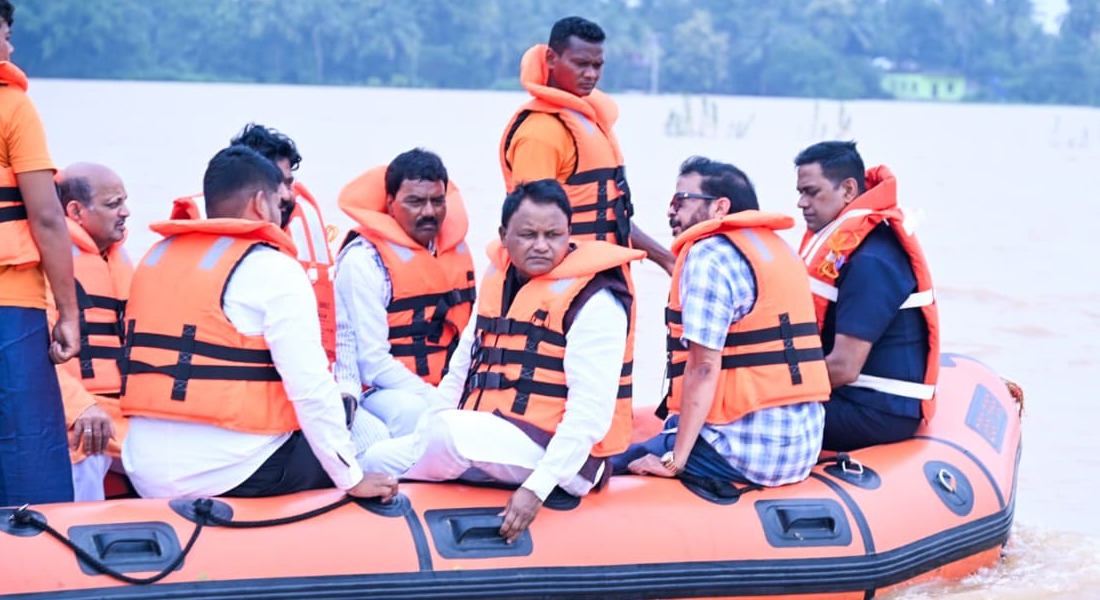
Bhubaneswar: Chief Minister Mohan Charan Majhi visited flood-affected areas of Kaspa and Tarapada panchayats under Dasarathpur block in Jajpur district to review the situation on the ground.

During the visit, he met and interacted with affected people from Ramchandrapur, Balda and Dobhabila villages.

On the CM’s instructions, relief, rescue and healthcare services have been expedited, with priority given to the safety and immediate support of affected people.

CM Majhi personally visited the affected areas and directly assessed the situation, giving top priority to the safety and support of flood-affected people.

The state government said it was standing firmly by the people during the crisis, ensuring continuous relief, rescue and healthcare services reach affected families.

In Pattamundai, two elderly persons from Sidhabali village who were stranded in floodwaters were safely rescued and handed over to their relatives at a safe location. Rescue, relief and restoration work has been further expedited in the area.

Rescue, relief and emergency service delivery continue at a fast pace across flood-affected areas, with immediate healthcare services, dry food and essential items being delivered to those affected.

Meanwhile, the flood situation near the Benipur enclosure, close to Dekudi and Benipur villages along the right-side embankment of the Birupa river, is being continuously monitored.

Field-level officers and staff of the Water Resources Department are stationed on-site, keeping a close watch on the river water flow and the embankment’s condition, along with necessary preventive measures to avert potential danger.

In flood-hit areas caused by continuous rainfall across the state, Odisha Disaster Rapid Action Force teams are distributing relief material and continuing efforts to deliver necessary assistance to affected people.

Trump threatens Oman over Hormuz as US-Iran deal expires, tensions escalate

Trump’s warning against Oman comes as US-Iran talks remain deadlocked, the Hormuz crisis deepens and Tehran adopts a tougher military posture amid renewed fears of regional escalation.

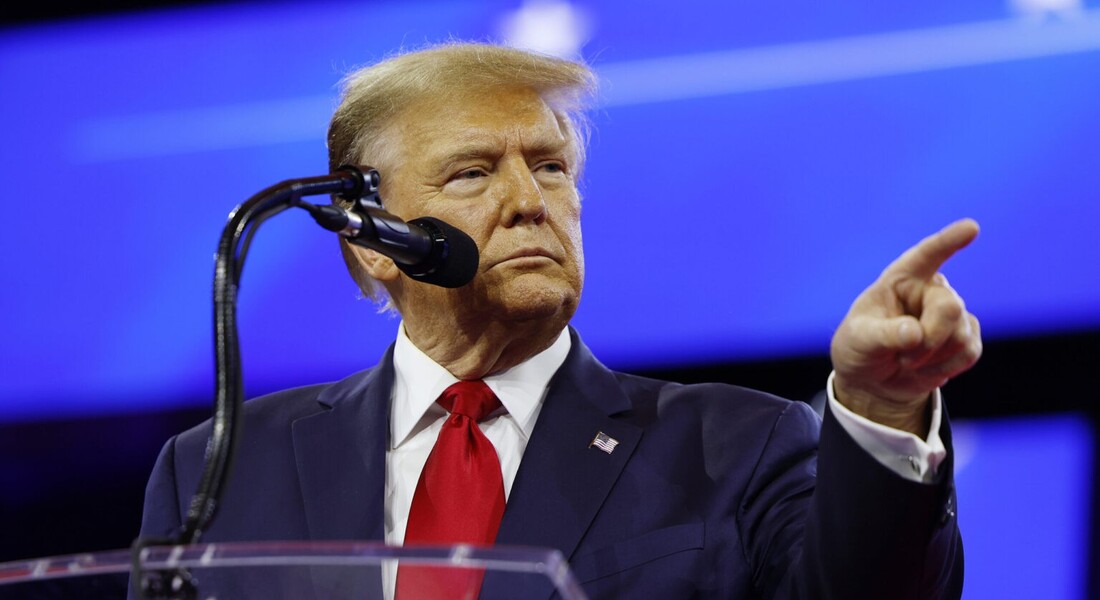
New Delhi: US President Donald Trump has threatened military action against Oman if the Gulf nation interferes with Washington’s efforts to control shipping through the Strait of Hormuz, adding to mounting tensions as a 60-day US-Iran memorandum of understanding expired without a broader agreement.

“If Oman gets in the way, we’ll bomb the s*** out of them,” Trump told Fox News journalist Trey Yingst in an interview on Monday, referring to ongoing discussions involving Oman and Iran over the strategic waterway. Trump also called on Iran to surrender, saying Tehran should “put up the white flag”.

The remarks came as Oman has been involved in efforts with Iran to establish arrangements for commercial shipping through the Strait of Hormuz. Iran said on Monday that it had reached an understanding with Oman on the route that ships could use to transit the waterway, with the two sides working on the details of an agreement.

The Strait of Hormuz has become a central flashpoint in the prolonged US-Iran confrontation. Shipping through the waterway has fallen sharply amid the conflict, with the disruption raising concerns over global energy supplies and prices. Before the war, the strait carried around one-fifth of global oil and gas supplies.

Trump has repeatedly taken a hard line over the waterway. At a rally on Long Island last week, he said he intended to declare the Strait of Hormuz a US territory after the war. He had also previously claimed that the US had established control over the strategic passage.

Iran has rejected Washington’s claims and insisted that it retains control over the strait. Tehran has also maintained that the waterway cannot return to normal operations unless its demands concerning the US military blockade and sanctions are addressed.

The latest escalation coincided with the expiry of a 60-day US-Iran memorandum of understanding aimed at providing a framework for ending the conflict. The agreement expired on Monday without a permanent peace deal, while both sides have accused the other of violating its terms.

Trump said he was not working to a fixed timetable and insisted that the November US midterm elections were not influencing his approach to the conflict. He reiterated that preventing Iran from acquiring nuclear weapons remained a key objective.

Iranian Foreign Ministry spokesman Esmail Baghaei, meanwhile, said US violations had rendered the deadline for the memorandum effectively meaningless and warned that Iranian forces remained prepared for further developments.

The Iranian military has also adopted increasingly assertive rhetoric. IRGC Deputy Commander-in-Chief Major General Mostafa Izadi claimed that Iranian forces had shot down more than 200 “enemy aircraft” since the conflict began. The claim could not be independently verified. Izadi described the confrontation as a “hybrid war” and rejected suggestions that the conflict had weakened Iran’s political system.

The deteriorating situation around Hormuz is also weighing on global energy markets. Oil prices rose on Monday as diplomatic efforts remained stalled, although analysts said a further major price surge would depend on a more severe disruption of key shipping routes.

With the US-Iran agreement now expired, Washington and Tehran remain far apart, while Oman’s diplomatic role and efforts to facilitate shipping through Hormuz have added another sensitive dimension to the conflict.

Smriti Irani returns to BJP’s national team as Nitin Nabin reshuffles organisation ahead of polls

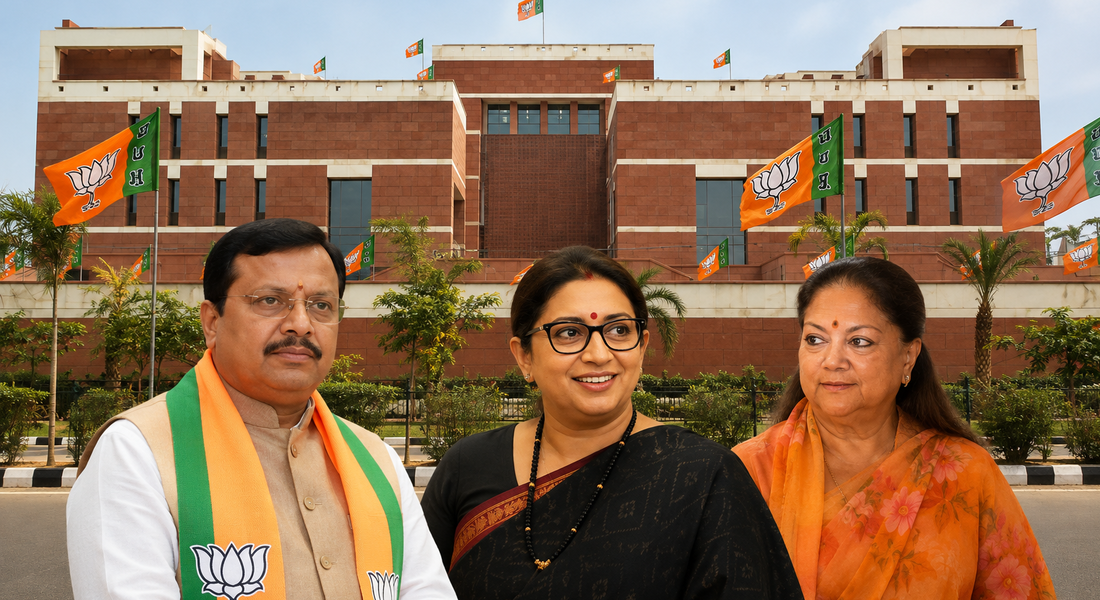
New Delhi: Former Union minister Smriti Irani has returned to a key organisational role in the Bharatiya Janata Party (BJP), joining the party’s national team as a general secretary as BJP president Nitin Nabin unveiled a revamped group of office-bearers on Monday.

The new organisational structure combines experienced leaders with younger faces and gives greater prominence to regional and women’s representation ahead of a series of Assembly elections. The BJP has appointed 13 national vice-presidents, eight national general secretaries and 16 national secretaries. The appointments take effect immediately.

Irani’s return is among the most prominent changes in the new team. She has been appointed a national general secretary with responsibility for Uttar Pradesh, placing her back in a central organisational role after serving as a Union minister. She is among eight national general secretaries in the new structure.

Former Rajasthan chief minister Vasundhara Raje has retained a place as a national vice-president, while former BJP general secretary Ram Madhav has also returned to the party’s top organisational structure as a vice-president. Odisha BJP leader Baijayant Panda is among the other national vice-presidents, while Sambit Patra has been assigned the role of North-East Coordinator.

Amit Malviya, the BJP’s long-serving in-charge of its Information and Technology Department, does not figure in the party’s newly announced national organisational team. His exclusion marks a notable change in the BJP’s communications and digital setup, given his prominent role in managing the party’s IT operations and social media strategy in recent years.

The party has separately appointed Deepak Mhaske as social media coordinator, with Priti Gandhi, Shivanand Dwivedi, Alok Bhatt and Arun Yadav as joint coordinators, signalling a reshaping of the BJP’s digital communications machinery ahead of the upcoming elections. Anil Baluni has been appointed media coordinator and will work with Ashish Usha Agarwal, Pradeep Bhandari and Siddharth Yadav as joint coordinators.

Women account for six of the 13 national vice-president positions, while the broader national team includes 10 women, according to reports on the appointments. The new structure also includes leaders from different regions and social groups, reflecting an effort to widen the party’s organisational footprint.

The vice-presidential team includes Tirath Singh Rawat, D Purandeshwari, Rekha Verma, Varshaben Doshi, Bharti Pravin Pawar, Sardar Manpreet Singh Badal, Lal Singh Arya, M Nagaraja, Tariq Mansoor and Madhuchandra Kar, besides Raje, Madhav and Panda.

B.L. Santhosh will continue as the BJP’s national general secretary (organisation), with Shivprakash and Saudan Singh appointed as national joint general secretaries (organisation).

Sandeep Pathak, who recently left the Aam Aadmi Party, has also been appointed a BJP national secretary. Sambit Patra has been given responsibility as coordinator for the Northeast.

Union minister Piyush Goyal has been appointed national treasurer, while Rajesh Mangal has been named joint treasurer. The new team is being positioned as a combination of organisational experience, regional representation and younger leadership ahead of upcoming electoral challenges.

Prime Minister Narendra Modi congratulated the newly appointed office-bearers, saying the team brings together organisational experience, energy and grassroots connect. He expressed confidence that the new team would contribute to strengthening the party and its public-service focus.

Security forces dismantle ISI-backed terror network ahead of Independence Day

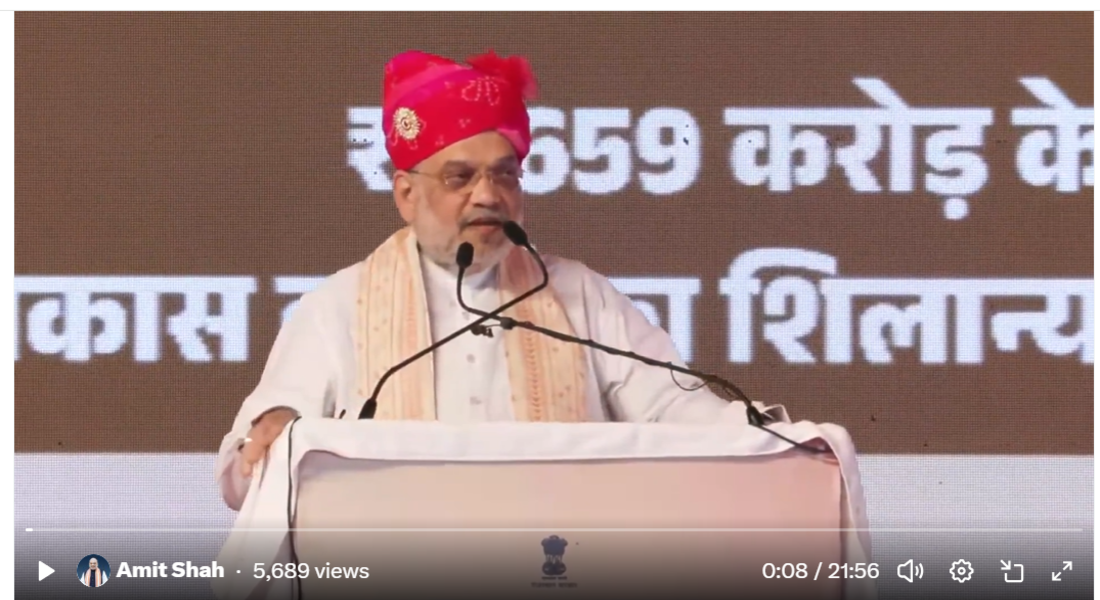
New Delhi: Union Home Minister Amit Shah on Monday announced that the Modi government had destroyed the ISI-backed Shahzad Bhatti Network (SBN) ahead of Independence Day, thwarting its plans for subversive attacks.

In a post on X, Shah said Indian security forces arrested more than 200 operatives by launching coordinated operations across multiple locations in 14 states, describing it as a brilliant example of India’s zero-tolerance policy towards terrorism.

Shah added that substantial recoveries were made from the ISI-funded group, including IEDs, grenades bearing Pakistan Ordnance Factory markings, pistols, live cartridges, and CCTV cameras used for espionage.

Security agencies had carried out the major multi-state crackdown as part of the government’s zero-tolerance policy towards cross-border terrorism, according to an official statement. Under the leadership of Prime Minister Narendra Modi and the guidance of Shah, security forces detained 253 people across 14 states, with more than 80 FIRs and over 200 arrests recorded against the network.

The SBN is a Pakistan-based, ISI-backed terror syndicate linked to grenade, IED and petrol bomb attacks, as well as targeted killings across India. Investigators found that the network had been paying local conduits to conduct reconnaissance of police, defence and religious sites, and to install CCTV cameras for espionage purposes.

To counter SBN-linked disruptions planned around Independence Day, security agencies carried out a coordinated multi-state operation on August 12, using a real-time intelligence-sharing system in collaboration with state police forces.

The operation led to 253 detentions across 14 states. Uttar Pradesh recorded the highest number with 62 detentions, followed by Haryana (52), Delhi (51), Punjab (44) and Rajasthan (15). Maharashtra reported 8 detentions, while Uttarakhand recorded 5.

Karnataka, Gujarat and Bihar each reported 3 detentions, and Telangana, Himachal Pradesh, Jammu and Kashmir, and Kerala each recorded 2. Fresh FIRs were registered in Delhi and Karnataka as part of the operation.

Cumulatively, more than 80 FIRs and over 200 arrests have been recorded against the SBN under the UAPA, BNS, the Arms Act, the NDPS Act and the Explosive Substances Act. Officials said the recoveries confirmed the network’s direct cross-border links.

Security agencies reaffirmed the government of India’s zero-tolerance stance on cross-border terrorism and said coordinated action to dismantle SBN’s networks would continue nationwide.

Odisha Police provides Rs 6.55 lakh assistance to family of deceased Home Guard

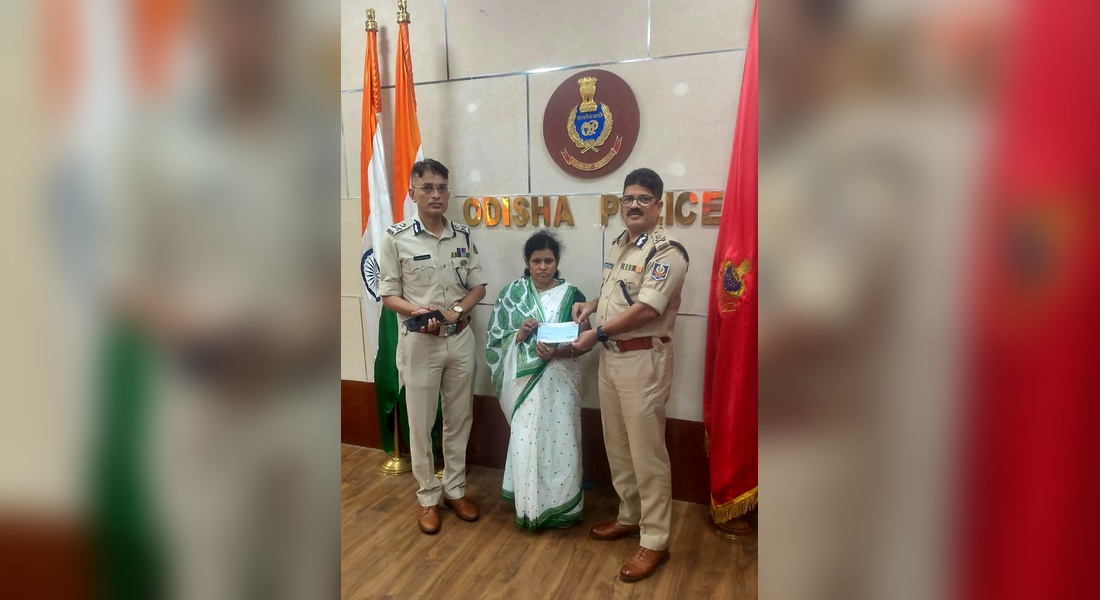
Bhubaneswar: Odisha Police has provided financial assistance of Rs 6.55 lakh to the family of deceased Home Guard Pradeep Kumar Martha, with the amount contributed by IPS officers serving in the state.

At a programme held at the Operations Headquarters on Monday, Director General of Police (Anti-Naxal Operations) Sanjeev Panda handed over a cheque for the amount to Martha’s wife, Urmila Martha. Inspector General of Police (Operations) Deepak Kumar was also present.

Pradeep Kumar Martha, who was posted at the IPS Mess in Bhubaneswar, died while undergoing treatment at Capital Hospital in Bhubaneswar on April 24, 2026.

Odisha Police said it has been extending continued support to Martha’s family following his death.

Earlier, on June 17, Urmila Martha was provided Rs 4 lakh as ex-gratia assistance from the Chief Minister’s Relief Fund. The following day, on June 18, the president of the Retired IPS Officers’ Association, L.C. Amarnathan, handed over a cheque of Rs 1.125 lakh to her.

In another measure to support the family, Urmila Martha was appointed as a Home Guard under the Bhubaneswar-Cuttack Police Commissionerate on August 15, 2026.

The latest financial assistance from IPS officers, along with the earlier support and employment opportunity extended to the deceased Home Guard’s wife, reflects the Odisha Police’s efforts to support the family following Martha’s death.