
Trump’s warning against Oman comes as US-Iran talks remain deadlocked, the Hormuz crisis deepens and Tehran adopts a tougher military posture amid renewed fears of regional escalation.
New Delhi: US President Donald Trump has threatened military action against Oman if the Gulf nation interferes with Washington’s efforts to control shipping through the Strait of Hormuz, adding to mounting tensions as a 60-day US-Iran memorandum of understanding expired without a broader agreement.
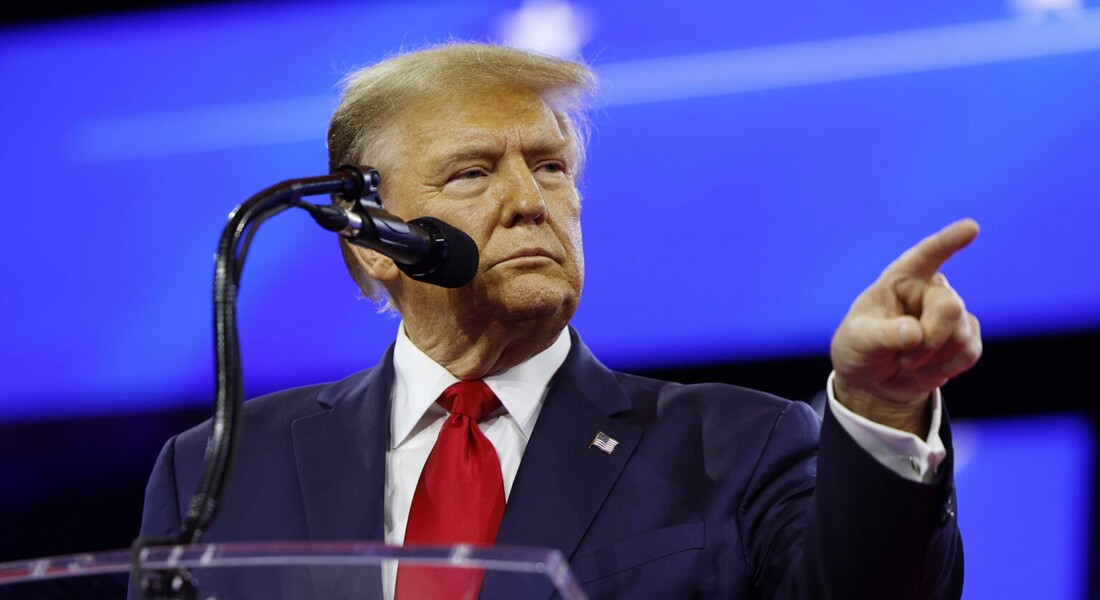
“If Oman gets in the way, we’ll bomb the s*** out of them,” Trump told Fox News journalist Trey Yingst in an interview on Monday, referring to ongoing discussions involving Oman and Iran over the strategic waterway. Trump also called on Iran to surrender, saying Tehran should “put up the white flag”.
The remarks came as Oman has been involved in efforts with Iran to establish arrangements for commercial shipping through the Strait of Hormuz. Iran said on Monday that it had reached an understanding with Oman on the route that ships could use to transit the waterway, with the two sides working on the details of an agreement.
The Strait of Hormuz has become a central flashpoint in the prolonged US-Iran confrontation. Shipping through the waterway has fallen sharply amid the conflict, with the disruption raising concerns over global energy supplies and prices. Before the war, the strait carried around one-fifth of global oil and gas supplies.
Trump has repeatedly taken a hard line over the waterway. At a rally on Long Island last week, he said he intended to declare the Strait of Hormuz a US territory after the war. He had also previously claimed that the US had established control over the strategic passage.
Iran has rejected Washington’s claims and insisted that it retains control over the strait. Tehran has also maintained that the waterway cannot return to normal operations unless its demands concerning the US military blockade and sanctions are addressed.
The latest escalation coincided with the expiry of a 60-day US-Iran memorandum of understanding aimed at providing a framework for ending the conflict. The agreement expired on Monday without a permanent peace deal, while both sides have accused the other of violating its terms.
Trump said he was not working to a fixed timetable and insisted that the November US midterm elections were not influencing his approach to the conflict. He reiterated that preventing Iran from acquiring nuclear weapons remained a key objective.
Iranian Foreign Ministry spokesman Esmail Baghaei, meanwhile, said US violations had rendered the deadline for the memorandum effectively meaningless and warned that Iranian forces remained prepared for further developments.
The Iranian military has also adopted increasingly assertive rhetoric. IRGC Deputy Commander-in-Chief Major General Mostafa Izadi claimed that Iranian forces had shot down more than 200 “enemy aircraft” since the conflict began. The claim could not be independently verified. Izadi described the confrontation as a “hybrid war” and rejected suggestions that the conflict had weakened Iran’s political system.
The deteriorating situation around Hormuz is also weighing on global energy markets. Oil prices rose on Monday as diplomatic efforts remained stalled, although analysts said a further major price surge would depend on a more severe disruption of key shipping routes.
With the US-Iran agreement now expired, Washington and Tehran remain far apart, while Oman’s diplomatic role and efforts to facilitate shipping through Hormuz have added another sensitive dimension to the conflict.