At IndiaVerve, we go beyond the noise to bring you meaningful stories of change, resilience and progress—from India to the world stage. Our mission is to bring readers credible, wide-ranging coverage across politics, business, sports, culture, society and more.
At IndiaVerve, we go beyond the noise to bring you meaningful stories of change, resilience and progress—from India to the world stage. Our mission is to bring readers credible, wide-ranging coverage across politics, business, sports, culture, society and more.
Bhubaneswar: Odisha has taken up 85 proposals covering flood control, drainage and irrigation infrastructure at two Technical Advisory Committee (TAC) meetings held under the Water Resources Department, with 38 flood management proposals estimated at Rs 653.99 crore and 47 irrigation-related proposals receiving approval.
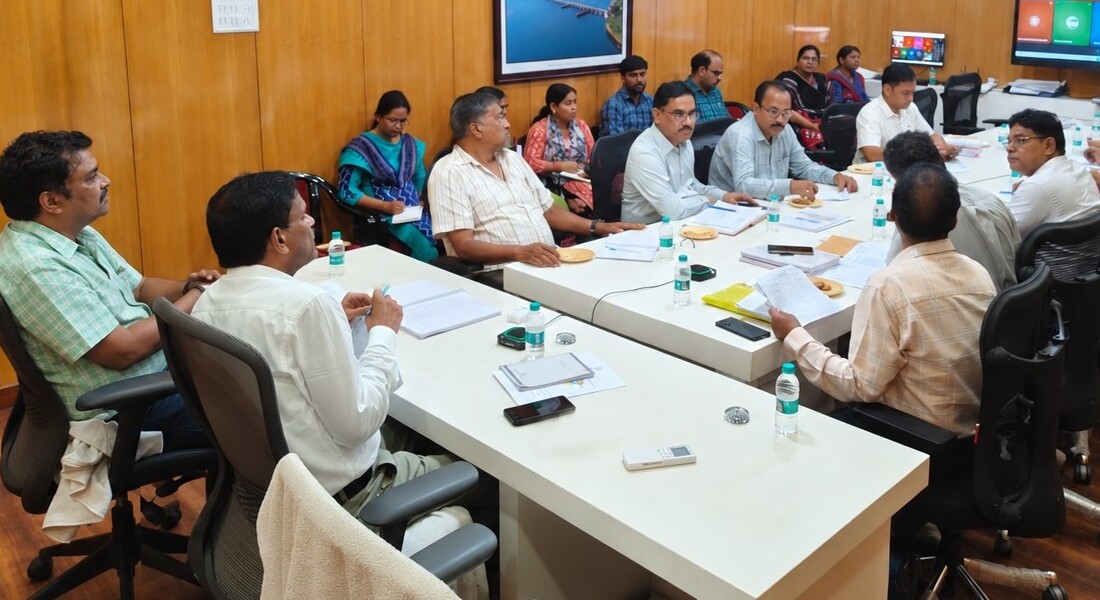
The 158th TAC meeting of the State Flood Control Board was held in hybrid mode under the chairmanship of Engineer-in-Chief Er. Dillip Kumar Rout.
The committee discussed 38 proposals received from various drainage divisions across the state, including 31 flood control works and seven drainage works.
The proposals, estimated to cost Rs 653.99 crore, focus on protecting vulnerable and flood-prone areas, strengthening river embankments and improving drainage infrastructure.
Seven Flood TAC meetings have been held so far during the financial year 2026-27, reflecting the department’s focus on expediting the appraisal and approval of flood management projects.
In a separate meeting, the 162nd TAC on irrigation projects, also chaired by Rout, approved 47 proposals covering major in-stream storage structures and associated infrastructure works.
The projects are expected to improve irrigation efficiency, strengthen the existing water distribution network and ensure more equitable utilisation of water resources across Odisha.
The two meetings underline the state’s efforts to strengthen flood protection measures while improving irrigation infrastructure and water resource management.
New Delhi: India’s wait for a gold medal at the 2026 Wrestling World Championships in Astana ended with a stunning performance by Manisha, who produced a remarkable comeback to defeat the US’ Abigail Nette 8-6 in the 59kg final.
Trailing 6-0 at one stage, Manisha turned the contest around with a series of attacking moves before securing a memorable victory. Her triumph marked India’s first gold medal at the championships and made her only the second Indian wrestler to become a world champion, according to United World Wrestling.
The dramatic victory came after two earlier opportunities slipped away, with Neelam in the 50kg category and Kajal in the 76kg category finishing with silver medals after losing their respective finals.
Manisha’s achievement also places her alongside Sushil Kumar in India’s wrestling history. Sushil had won the 66kg gold medal at the 2010 World Championships, making him the country’s first world champion in wrestling.
Sixteen years later, Manisha has added another landmark to India’s wrestling journey, ending the country’s wait for a second world champion with a gold medal won through determination and a remarkable fightback.
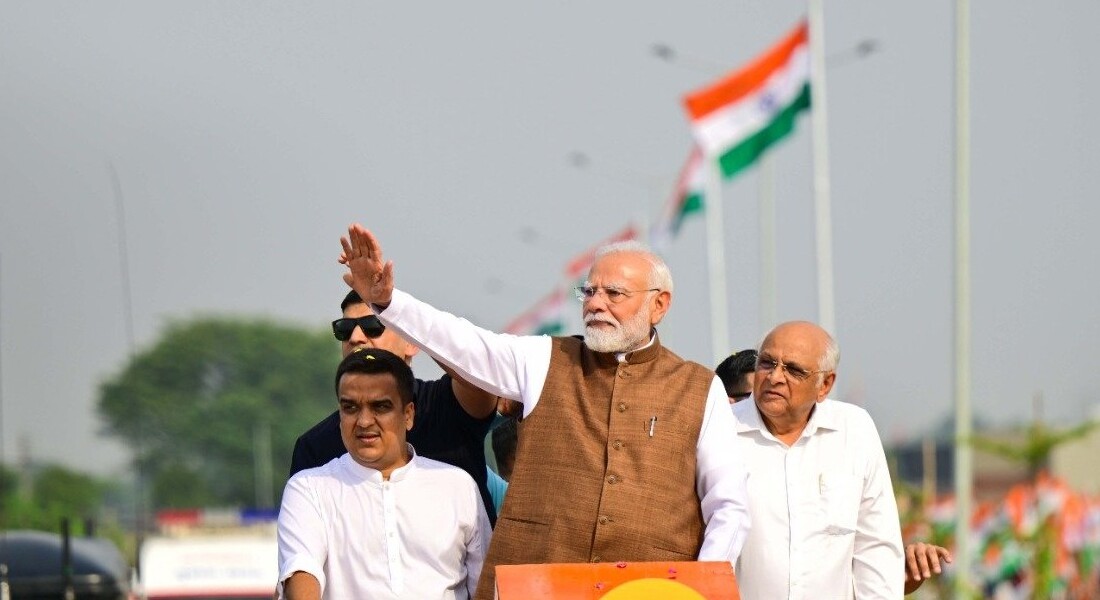
New Delhi: Prime Minister Narendra Modi on Friday inaugurated and dedicated development projects worth more than Rs 14,000 crore to the nation and laid foundation stones for several new initiatives in Banaskantha, Gujarat.
He also released the latest instalment of the PM Kisan Samman Nidhi, transferring more than Rs 18,000 crore to the bank accounts of around 10 crore farmers across the country.
Addressing a gathering on the occasion, Modi highlighted the government’s efforts to strengthen agriculture, improve farmers’ incomes and expand rural economic opportunities through initiatives covering farming, animal husbandry, fisheries and infrastructure.
He said the agricultural budget had increased more than fivefold compared with 2013-14, underlining the government’s focus on farmers’ welfare. Nearly Rs 4.5 lakh crore has been transferred directly to small farmers through PM-KISAN, he added.
In Gujarat, more than ₹1,000 crore has been deposited into the accounts of over 50 lakh farmers under the scheme. Of this, nearly Rs 50 crore has reached farming families in Banaskantha, according to an official statement.
The Prime Minister identified five major government interventions that, according to him, had delivered financial benefits and savings exceeding Rs 50 lakh crore for farmers. These included PM-KISAN transfers, fertiliser subsidies, Minimum Support Price (MSP) payments, crop insurance compensation and savings through solar-powered irrigation.
He said the government had spent around Rs 16 lakh crore to protect farmers from the impact of rising international fertiliser prices. Over the past 12 years, wheat and paddy farmers had received more than Rs 24 lakh crore through MSP.
Farmers had also received over Rs 2 lakh crore in compensation under the Pradhan Mantri Fasal Bima Yojana over the last 10 to 12 years, he said.
Under the PM-KUSUM scheme, nearly 12 lakh solar pumps have been distributed, helping farmers reduce their dependence on diesel. Their use has saved farmers the expense of purchasing more than 80 crore litres of diesel.
Highlighting the growing role of science and technology in agriculture, Modi said more than 26 crore Soil Health Cards had been issued to farmers. Around 3,000 new seed varieties had also been made available in recent years to help cultivators deal with changing weather conditions.
He emphasised the importance of animal husbandry in strengthening rural incomes, particularly for women engaged in dairy and livestock activities.
The newly built research centre in Banaskantha will support the conservation and scientific improvement of indigenous cattle breeds, including Gir, Sahiwal and Kankrej, and buffalo breeds such as Mehsana, Murrah and Jaffarabadi.
Describing it as the country’s first such facility for the Kankrej breed, Modi said modern reproductive technologies, including in-vitro fertilisation (IVF), would help farmers improve the quality of their livestock.
He also highlighted the nationwide free livestock vaccination programme, under which around 150 crore vaccine doses have been administered, benefiting the livestock of more than eight crore farmers.
According to the Prime Minister, average daily milk yield per cow or buffalo has increased from less than five litres in 2013-14 to nearly eight litres currently. He said India remained the world’s largest milk producer and had recorded the fastest growth in milk productivity.
The government is also promoting the conversion of cattle dung and agricultural residue into useful products. Foundation stones were laid for two bio-CNG plants in Banaskantha to support the production of biogas, bio-CNG and organic fertilisers.
Modi also pointed to the expansion of the fisheries and beekeeping sectors. India’s seafood exports had more than doubled, while honey production had doubled over the past 12 years. He noted that India had become the world’s second-largest exporter of natural honey, with women’s self-help groups contributing to the growth of the sector.
The Prime Minister also highlighted a cluster development programme aimed at supporting fruit and vegetable growers. Twelve clusters were approved for tomato, potato, chilli, grapes, banana, onion, orange, pomegranate and cocoa.
Farmers are receiving subsidies to establish new orchards and rejuvenate existing ones. Modi said two clusters in North Gujarat would particularly benefit potato growers in Banaskantha and Sabarkantha.
He also referred to the increased capacity of the potato processing plant manufacturing French fries, which would enable greater procurement of potatoes from farmers.
Ganjam bears the brunt of post-Cyclone Arnab rainfall as helicopters are deployed for rescue and relief; damaged roads, submerged villages and shortages of essentials compound the crisis.
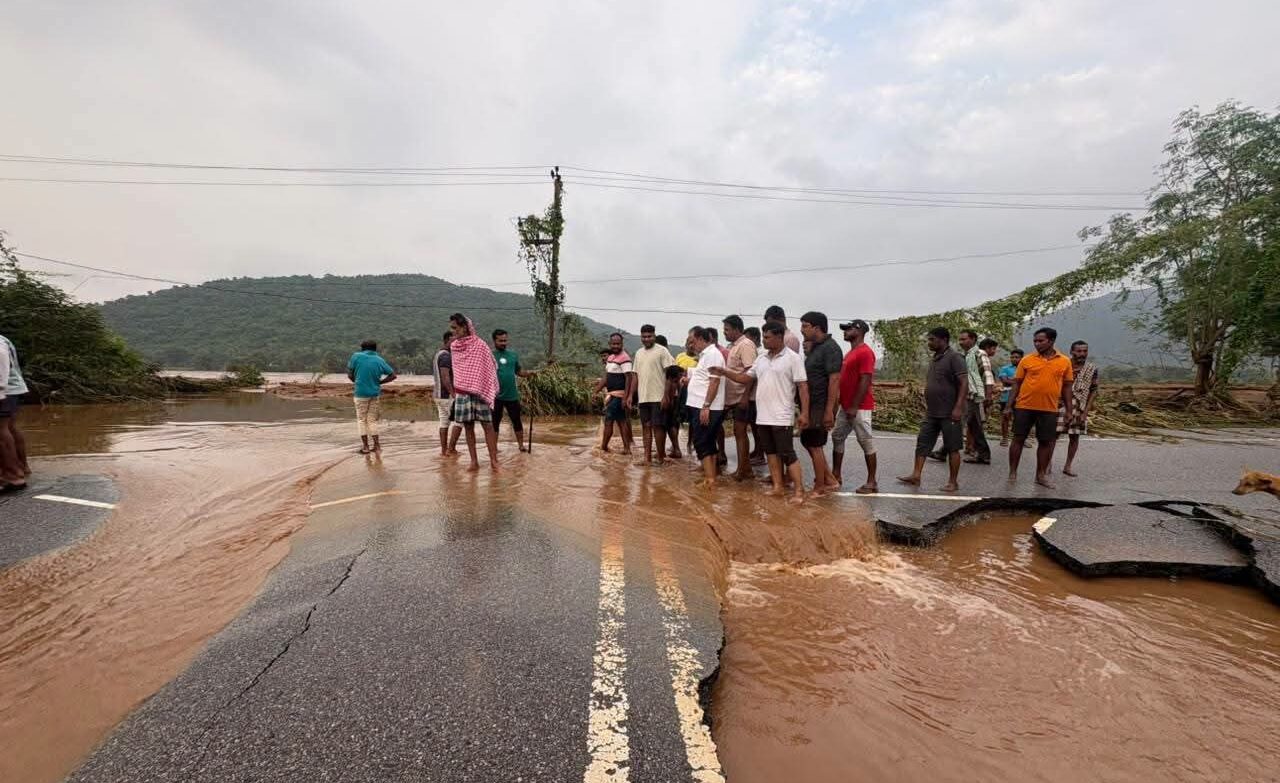
Bhubaneswar: More than 84,500 people have been affected by severe flooding in three southern districts of Odisha following exceptionally heavy rainfall in the aftermath of Cyclone Arnab. Ganjam remains the worst-hit district, followed by Gajapati and Kandhamal, as rescue operations continue amid widespread inundation and damage to infrastructure.
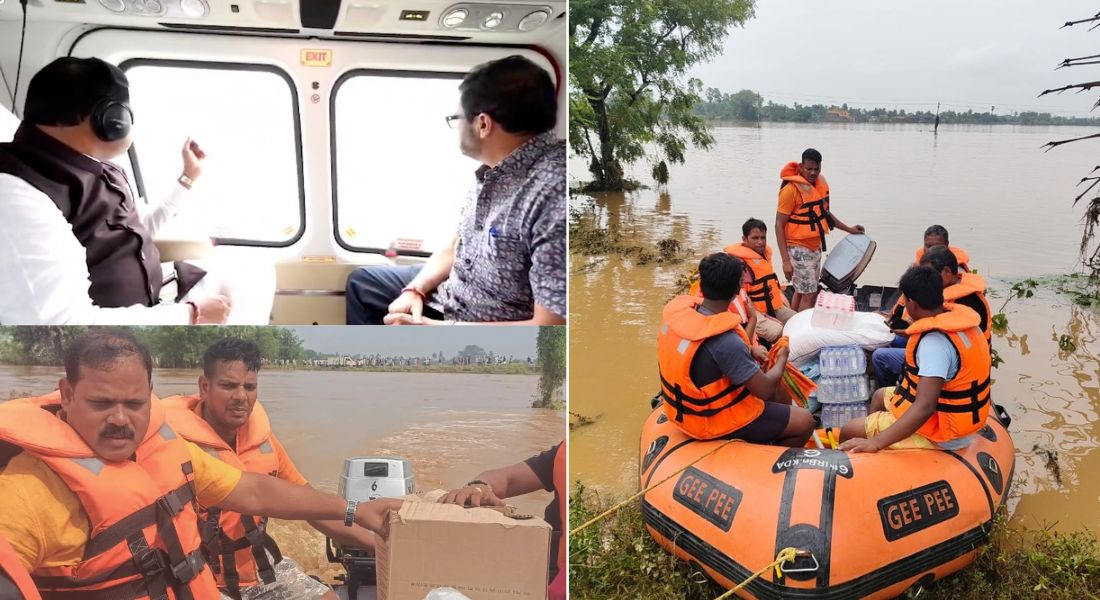
Chief Minister Mohan Charan Majhi on Friday conducted an aerial survey of flood-affected areas in Ganjam and Gajapati, accompanied by Revenue and Disaster Management Minister Suresh Pujari, to assess the extent of the damage.
In a post on X following the survey, Majhi said protecting people’s lives and property was the government’s foremost priority. He said officials had been directed to expedite rescue and relief operations and ensure uninterrupted delivery of food, drinking water and emergency healthcare. He also ordered faster restoration of damaged roads and bridges, electricity supply and measures to address potential post-flood health concerns.
Earlier, Pujari chaired a review meeting at the State Emergency Operations Centre in Bhubaneswar to assess the situation and coordinate relief measures. According to the minister, 42,564 people have been affected in Ganjam, 30,000 in Gajapati and 12,000 in Kandhamal, taking the combined figure to 84,564.
HELICOPTERS DEPLOYED FOR RESCUE
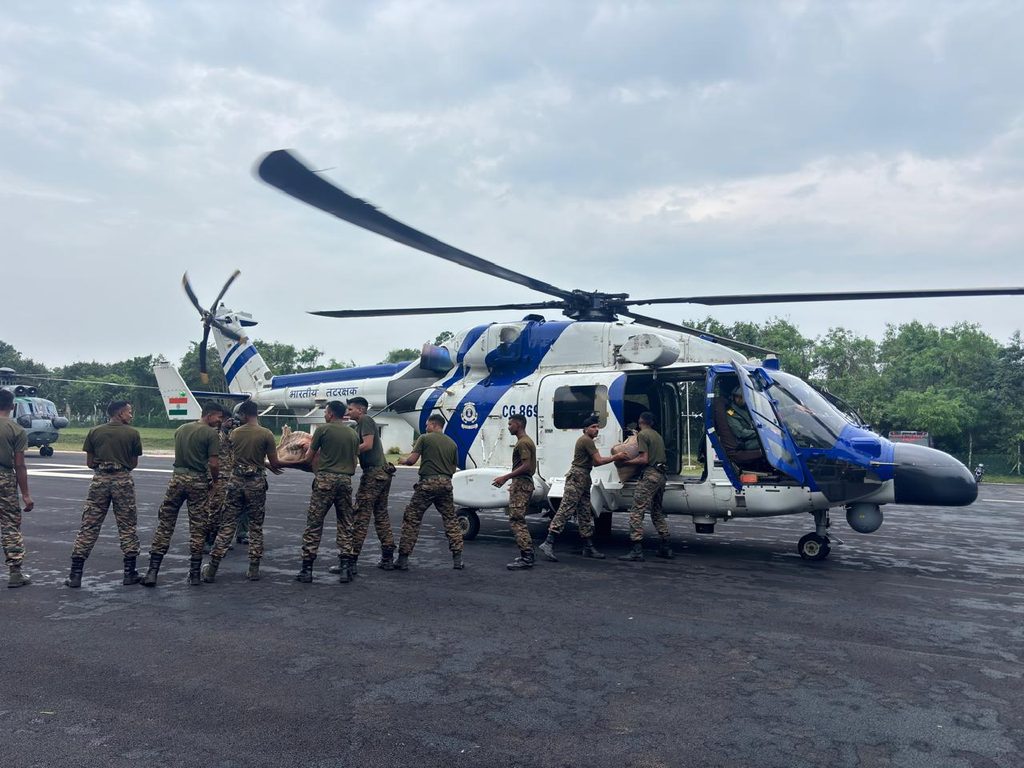
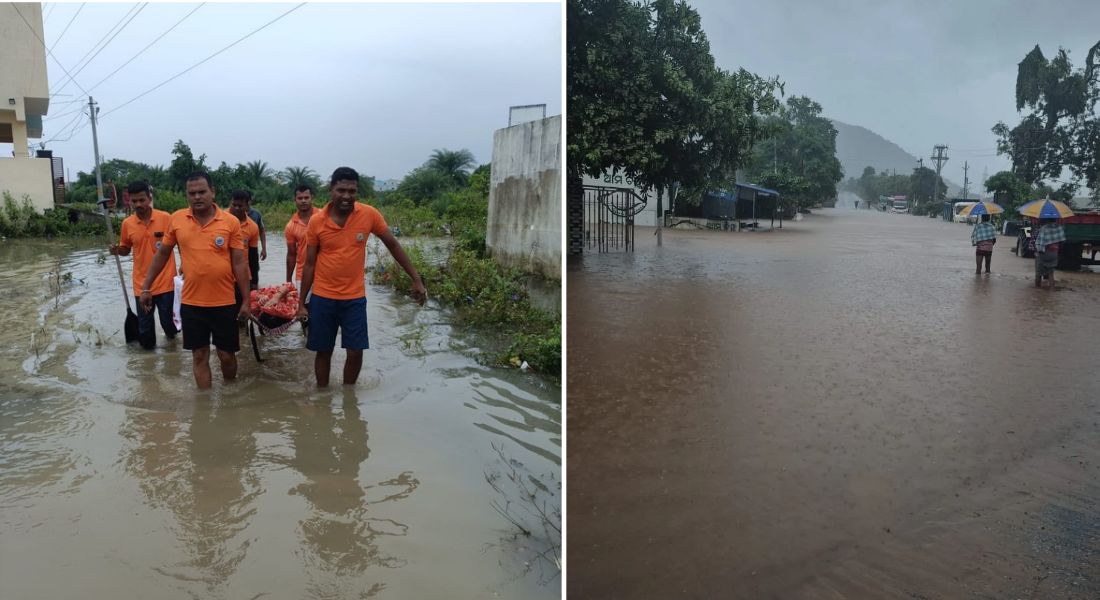
ODRAF, NDRF and Fire Services personnel have been deployed across the affected districts. Helicopters are being used to evacuate stranded residents and deliver food supplies to areas inaccessible by road or boat.
The Indian Coast Guard has been requisitioned to support aerial evacuation in severely affected parts of Ganjam, where strong currents have prevented rescue teams from reaching some settlements.
Naval helicopters have also been scheduled to air-drop food packets at 22 locations in the district.
Relief camps are being supplied with dry food, rice, jaggery, polythene sheets and drinking water. Pregnant women are being prioritised for evacuation and provided access to healthcare facilities and medicines.
VILLAGES INUNDATED, LIVELIHOODS HIT
The swollen Rushikulya river has caused extensive flooding in Ganjam, particularly in Sorada block, where several villages were submerged and road connectivity disrupted.Nuagada and Suramani reportedly remained underwater for more than 24 hours, leaving residents with extensive losses of household belongings.
Small businesses have also suffered. Mini-bank outlets reportedly lost transaction records and equipment, while vegetable vendors lost their stocks. Residents of Bhaliagocha were still awaiting relief, while villagers in Bishnupur were seen repairing damaged roads through their own efforts.
Asika witnessed severe inundation, with its main market reportedly submerged under nearly 10 feet of water. Some residents took shelter on rooftops, while the town hospital was also inundated. In Bhanjanagar, parts of the town and surrounding agricultural fields remained submerged. Residents reported shortages of drinking water and inadequate relief supplies.
Gajapati has also experienced flooding in low-lying areas along the Vamsadhara and Mahendratanaya rivers.
ROADS, RAIL SERVICES DISRUPTED
The rainfall triggered landslides along the Ganjam-Gajapati border. At Taptapani Ghati, rocks and debris fell onto National Highway 326 near Kamlapur, disrupting traffic and leaving commuters stranded. Another landslide on the Balibada Ghati road in Mohana block affected connectivity to six villages.
Rail services along the Ichchapuram-Jhadupudi section under the Visakhapatnam Division were also disrupted after water levels rose near railway bridges, affecting the Howrah-Chennai route.
EXTENSIVE RAINFALL, RESTORATION EFFORTS
Patrapur in Ganjam recorded 546 mm of rainfall, while G Udayagiri in Kandhamal received 462.4 mm during the period covered by the earlier official assessment. Sorada separately recorded 503 mm.
The government has directed officials to restore damaged roads and electricity services on a priority basis. A central team is scheduled to visit Ganjam and Gajapati on November 2 to assess the damage.
Although rainfall has eased and water levels are receding in some areas, the recovery remains challenging. Damaged homes, lost livelihoods, submerged farmland and shortages of essential supplies continue to affect thousands of families across southern Odisha.
Floodwaters from the swollen Rushikulya submerged villages and disrupted road links in Ganjam; damaged homes, lost livelihoods, shortages of drinking water and demands for relief underline the challenges of recovery.
Sorada: Even as floodwaters begin to recede in parts of Odisha’s Ganjam district, the scale of destruction is becoming increasingly evident, with several villages and towns struggling to recover from the impact of exceptionally heavy rainfall triggered by Cyclone Arnab.
Sorada block has been among the worst-affected areas, where the swollen Rushikulya river inundated several villages and cut off road connectivity. Nuagada and Suramani villages nearby Sorada town remained completely submerged for more than 24 hours, leaving residents with extensive losses of household belongings and other assets.
The flooding also hit small businesses and local livelihoods. Mini-bank outlets in the affected villages reportedly lost transaction records, equipment and other accessories, while vegetable vendors suffered losses as their stocks were washed away or damaged. Residents are counting losses running into lakhs of rupees, although the overall extent of the damage is yet to be assessed.
The aftermath has brought residents together in efforts to restore basic connectivity. In Bishnupur village, people have been seen repairing damaged roads through their own efforts. In Bhaliagocha, another severely affected village, residents were still waiting for relief assistance, according to ground reports.
Sorada recorded 503 mm of rainfall, adding to the severity of the flooding. Jahaada and Dashamaili villages have also been seriously affected.
The impact of the rainfall was severe in Asika, where the main market area was reportedly submerged under nearly 10 feet of floodwater. With water entering residential and commercial areas, people were forced to take shelter on rooftops to escape the rising levels.
The town hospital was also inundated, with the full extent of damage yet to be assessed. The flooding has disrupted normal life and raised concerns over the loss of goods, damage to property and the restoration of essential services.
Bhanjanagar continues to face a difficult situation, with parts of the town still under floodwater and agricultural fields in the surrounding areas remaining submerged.
Residents have raised concerns over inadequate relief supplies and the lack of drinking water. Even as water levels gradually fall, access to safe drinking water and other essential items remains a pressing concern for affected households.
The receding waters have left homes covered in layers of mud and silt. Families are now trying to clean their houses, salvage belongings and repair damaged structures. However, the condition of roads and other infrastructure continues to make movement difficult in several locations.
The slow pace of recovery has also triggered protests in parts of Ganjam. Families who lost their homes staged a road blockade at Bada Kodanda Chhak bypass road on Friday, demanding compensation and assistance.
The protesters claimed that 12 houses in Mashani Sahi had been swept away by floodwaters. They blocked the road to press for support for families left homeless by the flooding.
With water levels gradually falling, residents across the affected areas are now focused on cleaning their homes and surroundings and recovering whatever belongings they can. But damaged roads, destroyed household goods, losses to small businesses and agricultural land, and continuing shortages of essential supplies have made the return to normal life difficult.
For many families in Ganjam, the immediate challenge is no longer just escaping the floodwaters but securing drinking water, food, shelter and assistance to rebuild their live
Bhubaneswar: More than 35.38 lakh eligible farmer families in Odisha have received over Rs 700 crore under the 24th instalment of the Pradhan Mantri Kisan Samman Nidhi (PM-KISAN) scheme, following its nationwide launch by Prime Minister Narendra Modi from Banaskantha in Gujarat on Friday.
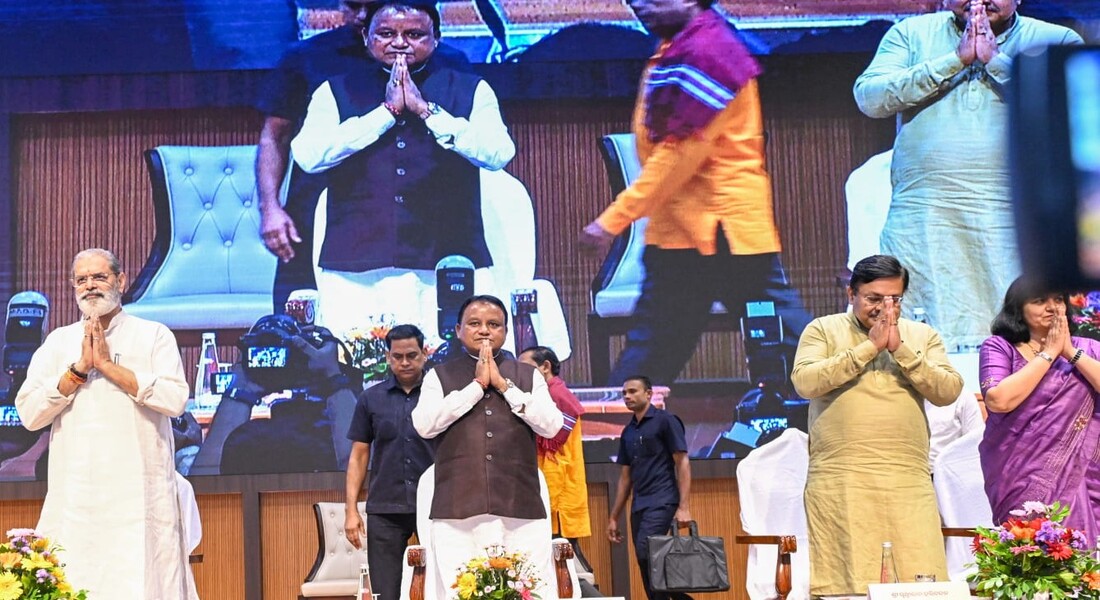
The assistance was transferred directly to beneficiaries’ bank accounts through Direct Benefit Transfer, with Odisha Chief Minister Mohan Charan Majhi joining the state-level PM Kisan Utsav programme in Bhubaneswar.
Addressing farmers at the event, Majhi reiterated his government’s commitment to their welfare and empowerment, describing farmers as the state’s food providers.
He highlighted several initiatives aimed at strengthening agricultural livelihoods and the rural economy.
These include the Centre’s PM-KISAN scheme, the state government’s CM-KISAN programme, paddy procurement at Rs 3,100 per quintal, the Subhadra Yojana, the Krushi Vidyanidhi scholarship and the PM Dhan-Dhaanya Krishi Yojana.
The Chief Minister also highlighted ongoing efforts to revive nutri-cereals, particularly millets, across all 30 districts of Odisha.
Referring to the recent natural calamity that damaged crops in several districts, including Ganjam and Gajapati, Majhi said the government stood with affected farmers. He assured that assistance would be provided to every affected family as per prescribed norms, based on the assessment of crop losses.
Deputy Chief Minister Kanak Vardhan Singh Deo also attended the event, organised by the Department of Agriculture and Farmers’ Empowerment at Krushi Shiksha Sadan on the Odisha University of Agriculture and Technology campus in Bhubaneswar.
Singh Deo said the transfer of more than Rs 700 crore to Odisha’s farmers reflected the government’s continued commitment to their financial empowerment.
He added that sustained efforts for farmer welfare would contribute to building a prosperous Odisha.
The programme was also attended by Bhubaneswar MP Aparajita Sarangi, Law Minister Prithviraj Harichandan, Khordha MLA Prasanta Jagadev and Bhubaneswar-Ekamra MLA Babu Singh.
Flooding, landslides and infrastructure damage disrupt life in eastern India as Odisha steps up rescue operations and Andhra Pradesh estimates preliminary losses at Rs 4,600 crore.
Bhubaneswar/New Delhi: Cyclone Arnab has left a trail of destruction across eastern India, triggering severe flooding in Odisha, damaging infrastructure and crops in Andhra Pradesh and disrupting road and rail connectivity, even as the weather system weakened after moving inland. More than 59,000 people have been evacuated from vulnerable areas in Odisha, while Andhra Pradesh has put its preliminary damage estimate at Rs 4,600 crore.
The India Meteorological Department (IMD) said the remnant of Very Severe Cyclonic Storm Arnab weakened into a depression over south Chhattisgarh and adjoining south Odisha on the morning of October 29. It subsequently weakened into a well-marked low-pressure area over central Chhattisgarh and adjoining Odisha by the evening. Despite the weakening system, exceptionally heavy rainfall continued to affect several districts, particularly in southern Odisha.
Odisha has been among the worst-affected states, with Ganjam and Gajapati districts bearing the brunt of torrential rainfall. The state government has deployed 60 Odisha Disaster Rapid Action Force (ODRAF) teams, nine National Disaster Response Force (NDRF) teams and 244 Fire and Emergency Services teams for rescue, evacuation and restoration work.
In Andhra Pradesh, Chief Minister N Chandrababu Naidu has conducted aerial and ground surveys of cyclone-hit areas and reviewed relief and restoration operations. The state government is mobilising additional personnel to restore electricity, roads and communication services.
OVER 59,000 EVACUATED IN ODISHA
Revenue and Disaster Management Minister Suresh Pujari said 59,028 people had been evacuated from vulnerable areas across Odisha, with 830 shelters arranged to accommodate them. Gajapati recorded the highest number of evacuees at 17,441, followed by Malkangiri with 15,477, Ganjam with 11,882 and Nabarangpur with 10,519.
The state government has deployed 69 specialised disaster-response teams, comprising 60 ODRAF and nine NDRF teams. An additional 244 Fire and Emergency Services teams are engaged in clearing roads blocked by fallen trees, restoring connectivity and rescuing people from vulnerable locations.
Ganjam has the largest concentration of specialised response teams, with 45 ODRAF and seven NDRF teams deployed. Gajapati has 12 ODRAF and one NDRF team. Rescue operations are being conducted using boats, while helicopters have been pressed into service in areas where strong water currents have prevented ground teams from reaching stranded residents.
The administration has also coordinated with the Indian Coast Guard to evacuate people from severely affected locations in Ganjam. Cooked food, drinking water and other essential supplies are being provided to people moved to safer places.
The scale of rainfall in southern Odisha has been exceptional. Patrapur in Ganjam district recorded 546 mm of rainfall, while G Udayagiri in Kandhamal received 462.4 mm. Several other locations across Ganjam, Gajapati and Kandhamal recorded rainfall exceeding 200 mm.
The heavy downpour caused rivers to swell, submerged low-lying areas and damaged roads and other infrastructure. Floodwaters disrupted movement across several parts of Ganjam and Gajapati, while landslides and fallen trees further complicated rescue and restoration work.
In Ganjam, 299 villages across 22 blocks were reported affected. The administration has identified 922 vulnerable villages and deployed four SRC powerboats to support rescue operations. Authorities are also monitoring river systems and vulnerable locations, including Kalinga Ghati.
In Gajapati, 711 villages across seven blocks were reported affected, with 119 vulnerable villages identified. Seven rescue boats have been deployed, while officials are monitoring Gotta Barrage, Badanala and drainage systems. The Vamsadhara river was reported at 52.5 metres, below its danger level of 54.10 metres, in the department’s October 29 update.
The impact extended beyond the two worst-affected districts. Heavy rainfall also affected Malkangiri, Koraput, Nabarangpur, Rayagada, Kalahandi, Nuapada and Kandhamal.
Road connectivity was disrupted at several locations. In Gajapati, roads were closed at four locations in Mohana, Udayagiri and Rayagada blocks. In Koraput, traffic on the Pattangi–Galigabdar road was temporarily disrupted by flowing floodwater but was subsequently restored.
Reports from Ganjam also indicated damage to road infrastructure, inundation of residential areas and disruption of routes connecting Sorada with neighbouring towns. A stretch of National Highway 326 connecting Berhampur with Mohana was reported washed away by floodwaters, adding to the connectivity challenges in the region.
RAIL SERVICES DISRUPTED, POWER RESTORATION UNDER WAY
Flooding of the Bahuda river disrupted railway operations along the Howrah–Chennai route, particularly in the Ichchapuram–Jhadupudi section under the Visakhapatnam Division. Railway authorities reported abnormal water levels at bridges in the section, forcing precautionary changes to train operations.
Several trains were cancelled or suspended, while others were diverted or rescheduled. Some services were also stranded at locations in Odisha. The disruption affected passenger movement along an important railway corridor linking eastern and southern India.
The Odisha government is coordinating with railway authorities and the administrations of Ganjam and neighbouring Srikakulam district in Andhra Pradesh to assist stranded passengers and provide them with information.
Power restoration is another priority. According to the Revenue and Disaster Management Department, electricity supply had been restored at 298 of the 316 affected 33 kV substations. Approximately 84 per cent of affected electricity connections had also been restored, with repair work continuing.
ANDHRA PRADESH PUTS PRELIMINARY LOSSES AT RS 4,600 CRORE
Andhra Pradesh has estimated the preliminary damage caused by Cyclone Arnab at around Rs 4,600 crore, with the state government cautioning that the figure could rise after a detailed assessment.
Chief Minister N Chandrababu Naidu conducted an aerial survey of cyclone-affected areas, including parts of the Krishna and Godavari regions, and inspected relief arrangements. He also reviewed the progress of restoration work with the Chief Secretary, senior officials and district collectors.
Naidu directed officials to expedite the restoration of electricity, roads and other essential services. Power utilities have been asked to mobilise additional personnel from other regions and states, if required, and continue working until electricity supply is restored to every affected village and household.
He also expressed concern over delays in restoring mobile network services and urged telecom companies to accelerate repairs.
The damage to the power sector in Andhra Pradesh alone has been estimated at around Rs 500 crore by Energy Minister Gottipati Ravi Kumar. Around 1,700 personnel were engaged in repair operations, with another 500 employees being mobilised from the state’s three distribution companies. An additional 500 electricity employees from Telangana also joined the restoration effort.
The Andhra Pradesh State Disaster Management Authority’s provisional assessment has recorded damage to 3,631 houses and 3,009 huts. It has also reported that around 3.33 lakh hectares of crop area were inundated, while more than 21,800 hectares of horticultural land were affected. The assessment further lists damage to roads, culverts and other infrastructure across several districts.
The state government has also reported progress in restoring electricity supply. Under the Andhra Pradesh Eastern Power Distribution Company Limited, supply had been restored in 4,771 of the 5,400 affected villages, according to the update provided to the Chief Minister. Restoration work was continuing in the remaining areas.
CENTRE ASSURES ASSISTANCE TO AFFECTED STATES
The Centre has assured assistance to states affected by Cyclone Arnab. Union Home Minister Amit Shah spoke with the Chief Ministers of Andhra Pradesh, Puducherry, Odisha and Chhattisgarh on October 29 and assured them of all possible support to mitigate the hardships faced by people.
In the wake of Cyclone Arnab, spoke with the Chief Ministers of Andhra Pradesh, Puducherry, Odisha and Chhattisgarh and assured them of every assistance to mitigate the hardship of the people in the face of the disaster. NDRF and SDRF teams have sprung into action and are…
Shah said NDRF and State Disaster Response Force teams were carrying out rescue and relief operations, and that Inter-Ministerial Central Teams would soon be sent to assess the impact of the cyclone and determine the additional assistance required.
Central teams are scheduled to visit cyclone-affected areas, including Andhra Pradesh, to assess the damage. Odisha has also said that a central team will visit Ganjam and Gajapati to review the flood situation and assess losses.
NEW WEATHER SYSTEM OVER ANDAMAN SEA
While Arnab’s remnant was weakening over central India, the IMD reported the formation of a separate low-pressure area over the South Andaman Sea and adjoining areas on October 29.
The weather agency said the system was likely to move west-northwestwards and intensify into a well-marked low-pressure area, with the possibility of further development over the southeast Bay of Bengal and adjoining Andaman Sea around October 31.
The emerging system has drawn attention as weather models indicate the possibility of further rainfall activity over parts of eastern and southern India. However, its future movement and intensity will depend on subsequent meteorological assessments.
For now, the immediate challenge for Odisha and Andhra Pradesh remains the restoration of normal life in areas battered by Arnab. Rescue teams continue to evacuate vulnerable residents, while governments and utility agencies work to restore transport links, electricity and other essential services.
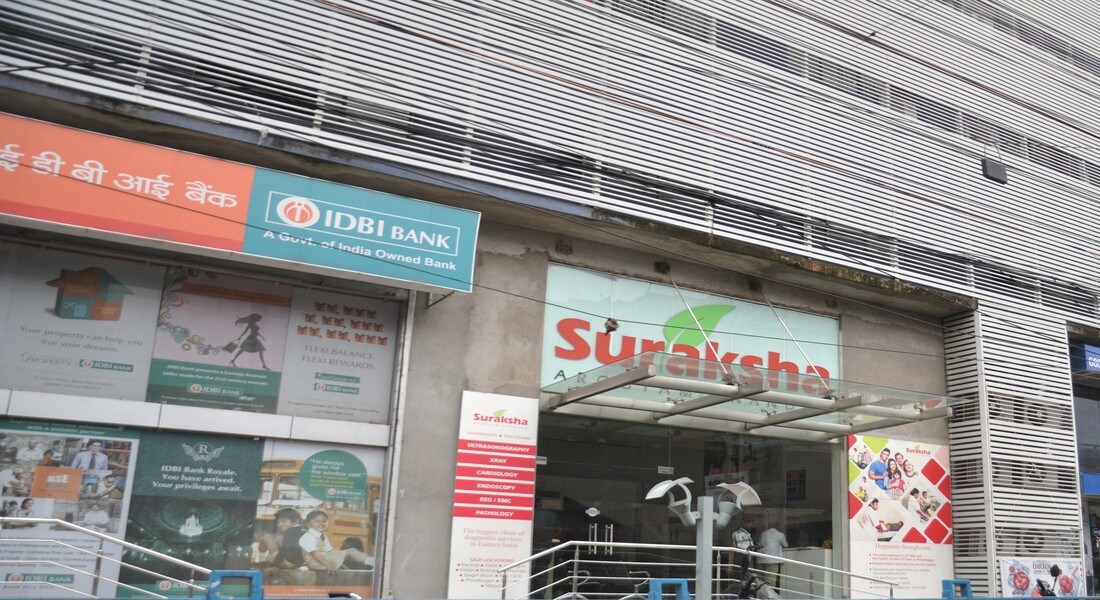
New Delhi: The Centre on Thursday clarified the process followed in the strategic restructuring of IDBI Bank Ltd, explaining the two-stage bidding mechanism, the role of the Core Group of Secretaries on Disinvestment (CGD) and the independent valuation exercises undertaken before finalising the best-offer round.
In its clarification, the government said the initial bidding round was conducted during the financial year 2025-26 by the Department of Investment and Public Asset Management (DIPAM) in accordance with its internal indicative guidelines.
These guidelines, it emphasised, were not rigid rules or a legally binding framework and allowed flexibility to ensure that strategic disinvestment transactions were completed effectively and within a reasonable timeframe, according to an official statement.
The government pointed out that there was no pre-determined benchmark for bidding. Bidders were required to independently assess the bank’s value and submit their financial offers confidentially.
Independent agencies were also engaged to determine the fair value of the enterprise at the relevant time. The valuation was subsequently used as a benchmark to assess whether the bids were reasonable.
As a result, the price discovered through bidding could be either higher or lower than the comparative valuation.
The clarification referred to Clause 5.3.6(iii) of the Request for Proposal, which specifically provides for a situation in which the highest financial bid falls below the reserve price. In such circumstances, the Government of India (GoI) is authorised to decide the further course of action, and qualified interested parties cannot subsequently question that decision.
According to the government, DIPAM’s internal procedures did not prescribe a specific mechanism for handling such a situation. However, the Cabinet Committee on Economic Affairs (CCEA), in its meeting on August 16, 2017, had delegated special powers to the CGD to address procedural difficulties and consider deviations wherever necessary for the effective implementation of strategic disinvestment decisions.
Exercising these delegated powers, the CGD itself determined the procedure for the second round, involving the submission of best offers. The government clarified that the reserve price was neither reduced nor increased. The initial bidding round ceased to have effect after the bids received in that round were not approved.
The entire valuation methodology was reviewed by the CGD in April 2026, before the invitation of best-offer bids. Since the comparative valuation had to reflect the financial position of the bank at the time of bidding, independent valuation agencies began working on revised assessments in May 2026, following the publication of the financial accounts for the year ended March 31, 2026, in late April.
The government described the process as double-blind, with bidders having no access to the independent valuation and the valuation agencies remaining unaware of the financial bids. Only the CGD had access to both sets of information and was responsible for comparing the offers against the fair valuations before taking a decision on their reasonableness.
The valuation exercise involved two independent advisers using separate methodologies. Business valuation was undertaken through the Transaction Adviser, which also engaged professional experts trained in the Market Multiple Method, considering the complex nature of the transaction.
The Market Multiple Method has two approaches: the Comparable Company Method and the Comparable Transaction Method. Since suitable comparable transactions were not available, the valuers adopted the Comparable Company Method, using listed public sector banks as benchmarks.
The clarification also explained the treatment of IDBI Bank’s ownership status. Although the bank was government-owned until 2019, it became government-controlled after the Life Insurance Corporation of India (LIC) acquired a majority stake that year. In the absence of a specific regulatory protocol for this situation, the Reserve Bank of India (RBI) began treating IDBI Bank as a private bank for regulatory purposes. However, its ownership remained overwhelmingly with LIC and the Government of India, while market investors continued to value it as a public sector entity.
The Asset Valuer, meanwhile, adopted established valuation methodologies and included additional value relating to disputed tax demands. This provision was introduced as a common demand of the qualified bidders to encourage higher bid offers.
The government described the potential tax-related liability as a low-probability event and said it would remain revenue-neutral, as reimbursement would be limited to the additional tax demand actually paid, if any.
The potential liability on this account was estimated at Rs 627 crore. Against this, the price discovered through bidding increased by Rs 3,917 crore, enhancing the transaction value for both the central government and LIC.
The clarification also addressed the decision to discard IDBI Bank’s stock price as a valuation benchmark, stating that the reasons, including volatility in the narrowly traded stock, had already been explained in the government’s press note dated October 14, 2026.
The government further said that both the Centre and LIC would retain their residual shareholdings in IDBI Bank, allowing them to benefit from potential future gains arising from value enhancement following the bank’s strategic restructuring.
New Delhi: India secured a convincing 5-2 win over the People’s Republic of China in their second match of the Asian Champions Trophy 2026 on Thursday.
Sukhjeet Singh scored twice for India (12′, 34′), while captain Harmanpreet Singh also netted a brace (27′, 31′).
Jugraj Singh (47′) scored the fifth goal for the Indian hockey team at the Olympian Surjit Singh Hockey Stadium in Jalandhar.
Yang Peng (26′) and Chen Chongcong (36′) scored for China.
With this victory, India climbed to the top of the standings with six points from two matches.
India will face Japan in their next match on Friday.
Other results: Malaysia 3-1 Republic of Korea; Japan 1-0 Bangladesh.
Bhubaneswar: Odisha has strengthened its international clean energy partnerships by signing four Memoranda of Understanding (MoUs) with global technology and energy companies at the Asia Clean Energy Summit in Singapore.
The MoUs are expected to open new avenues for research into battery storage, Artificial Intelligence (AI), smart grids and green hydrogen.
The agreements were signed by the State Energy Department during Singapore International Energy Week 2026, held from October 27 to 29, with Nanyang Technological University (NTU), Singapore, serving as the knowledge partner.
The four partnerships bring together expertise from Singapore and Finland to explore emerging technologies and develop solutions for Odisha’s evolving energy requirements.
The agreement with Tata Consultancy Services, Singapore, will focus on digitalisation and AI-enabled workbench solutions aimed at improving smart governance and consumer services. VFlowTech, Singapore, will collaborate on flow battery technologies to strengthen energy storage capacity and grid resilience.
Another agreement with PHENOGY, Singapore, will support research into sodium-ion battery-based Battery Energy Storage Systems for grid applications. The fourth MoU, signed with DANFOSS Drives Oy, Finland, will cover next-generation microgrids, smart grid integration and green hydrogen production.
These agreements extend an existing research partnership established in January 2023, when Odisha’s Energy Department signed an MoU with NTU Singapore and IIT Bhubaneswar to advance renewable energy research. The latest arrangements bring international industry expertise into the collaboration, with a greater emphasis on technology development and practical applications.
Deputy Chief Minister Kanak Vardhan Singh Deo welcomed the initiative, saying international partnerships would play an important role in accelerating Odisha’s transition towards clean energy.
He said the State was committed to developing a sustainable and future-ready energy sector through innovation, research and global cooperation. The partnerships, he added, would help explore advanced solutions in energy storage, artificial intelligence, smart grids and green hydrogen while supporting renewable energy ambitions, strengthening energy security and attracting clean energy investment.
Dr Debidutta Tripathy, Special Secretary, Energy Department, Government of Odisha, and Prof. Madhavi Srinivasan, Executive Director of the Energy Research Institute at NTU (ERI@N), signed the agreements on behalf of the Odisha Government and NTU, respectively.
The Odisha delegation included Dr Satya Priya Rath, Managing Director of GRIDCO Limited; Er. Debasish Das, Director (Commercial), GRIDCO Limited; and Prof. Subhransu Ranjan Samantaray, Dean (PG & Research), IIT Bhubaneswar.
During the summit, Energy Department officials also met Singapore Minister of State for Trade and Industry Siow Huang Gan and representatives of the country’s Ministry of Foreign Affairs and Ministry of Trade and Industry, including Permanent Secretary (Energy and Trade) Augustin L.
The delegation briefed the Singapore representatives on collaborative initiatives involving GRIDCO, IIT Bhubaneswar and NTU Singapore.
The four MoUs mark another step in Odisha’s efforts to build international research partnerships and strengthen cooperation between industry and academic institutions. The State aims to draw on global technological expertise to improve grid resilience, accelerate renewable energy development and reinforce its long-term energy security.