
The US and Iran exchange fresh strikes over the Strait of Hormuz, with both sides accusing each other of violating their recently signed ceasefire memorandum.
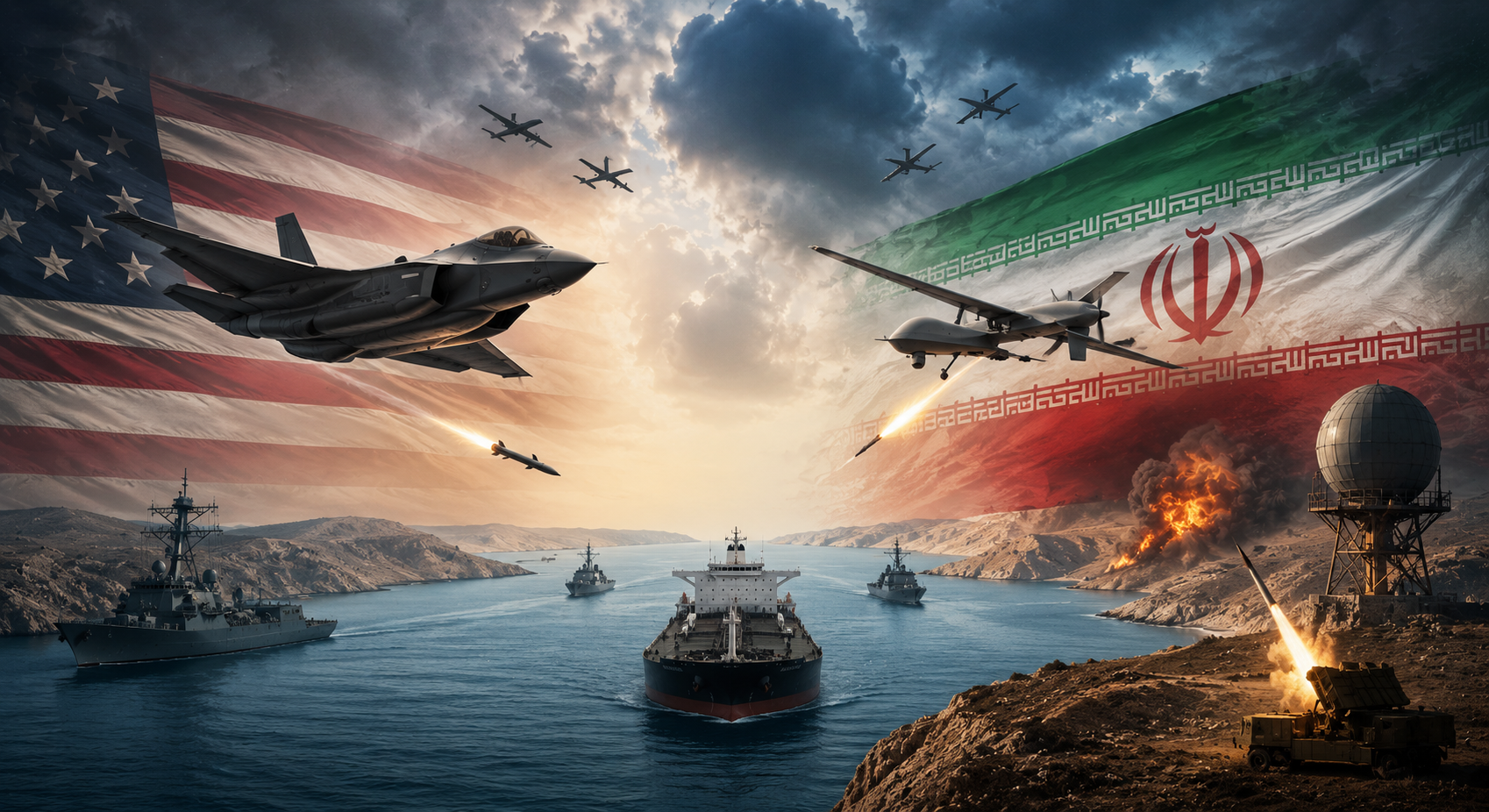
The United States and Iran have exchanged fresh military strikes for the first time since signing a preliminary peace memorandum earlier this month, raising concerns over the future of a fragile agreement aimed at ending months of conflict and restoring stability in the Strait of Hormuz.
The latest escalation centred on the strategically vital Strait of Hormuz, with Washington and Tehran accusing each other of breaching the terms of the Memorandum of Understanding (MoU) signed by US President Donald Trump and Iranian President Masoud Pezeshkian. Analysts say the renewed hostilities could jeopardise the agreement, which opened a 60-day window for negotiations on a permanent settlement.
According to the US Central Command (CENTCOM), American aircraft struck Iranian missile and drone storage facilities as well as coastal radar sites along Iran’s southern coastline late on Friday. The US said the strikes were launched in response to what it described as an Iranian drone attack a day earlier on the Singapore-flagged commercial vessel Ever Lovely while it was transiting the Strait of Hormuz.
CENTCOM said the operation was “a powerful response to yesterday’s attack” and accused Iran of undermining freedom of navigation through one of the world’s busiest maritime trade corridors.
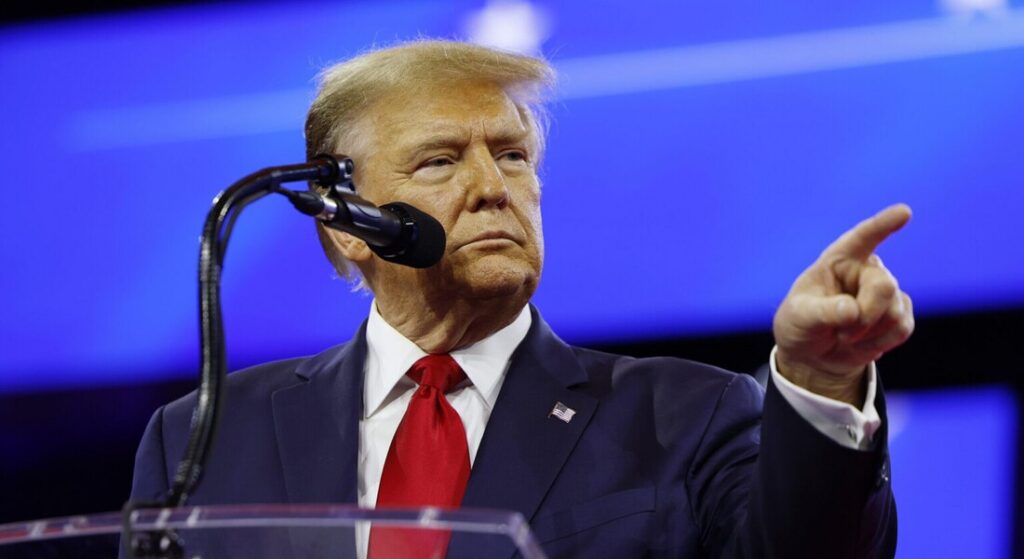
President Donald Trump described the reported attack on the cargo vessel as “a foolish violation” of the ceasefire agreement, adding that US forces had also intercepted three drones allegedly launched in the same operation.
Iran rejected the US justification for the strikes and condemned the attacks as violations of both the Memorandum of Understanding and the United Nations Charter. Iran’s Foreign Ministry said targeting its coastal surveillance facilities breached Article 1 of the agreement, which calls for an end to hostilities on all fronts, Al Jazeera reported.
Iranian state news agency IRNA quoted the Islamic Revolutionary Guard Corps (IRGC) as saying it had retaliated by targeting US military installations in the region. While Tehran did not specify the locations struck, the IRGC warned, “In the event of repeated aggression, our response will be more extensive than this.”
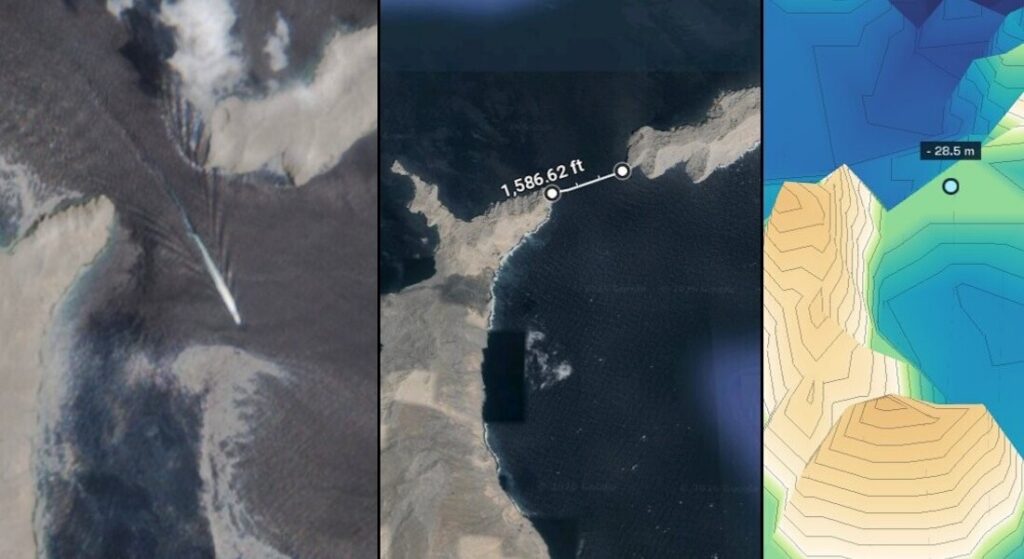
Iran’s Mehr News Agency reported that a projectile struck the area around a pier in Sirik in Hormozgan province. Local port authorities, however, said Sirik Port remained fully operational and that no damage had been caused to its infrastructure or equipment.
Meanwhile, Bahrain’s Foreign Ministry condemned what it described as an alleged Iranian drone attack on its territory, calling it a serious violation of its sovereignty and international law. Kuwait also condemned the reported attack, expressing “full solidarity” with Bahrain and warning that such actions threatened regional peace and stability.
According to the United Kingdom Maritime Trade Operations (UKMTO), another commercial tanker was struck by an unidentified projectile on Saturday. All crew members were reported safe.
The Strait of Hormuz remains the central point of contention between Washington and Tehran. The waterway, through which a significant share of the world’s oil and liquefied natural gas passes, has remained at the heart of negotiations following months of conflict.
Mohsen Rezaei, an adviser to Iran’s Supreme Leader Mojtaba Khamenei, accused the United States of violating Article 5 of the MoU, which provides for restoring safe commercial navigation while allowing Iran and Oman to negotiate the future administration and maritime services in the Strait.
“The response to the violation of any article of the memorandum of understanding will be swift and decisive,” Rezaei wrote on X.
The exchange of strikes comes despite recent diplomatic progress elsewhere in the region. Following US-mediated negotiations, Israel and Lebanon signed what Washington described as a “framework agreement” intended to reduce cross-border hostilities. However, Hezbollah has rejected the arrangement, with one of its lawmakers saying it would only “serve the interests” of Israel.
While the June memorandum between Washington and Tehran was intended as the first step towards ending the conflict and reopening the Strait of Hormuz to global shipping, the latest military exchanges have cast fresh uncertainty over whether the fragile agreement can survive.